

Lunar New Year
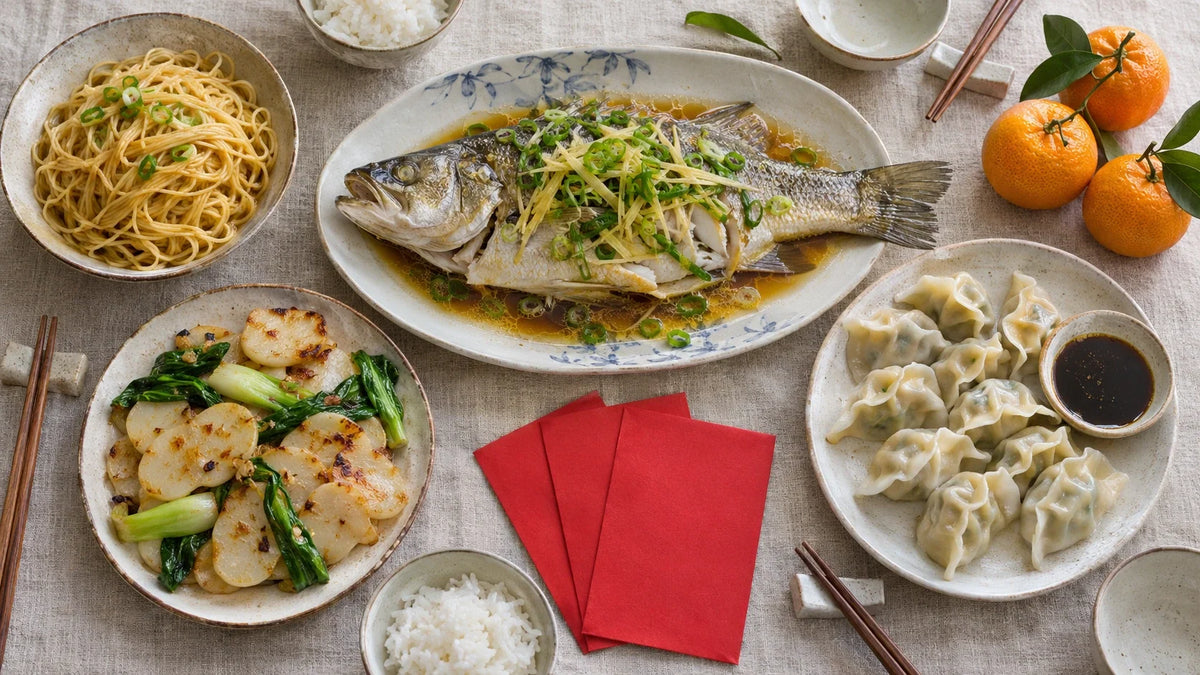
The Lunar New Year: A Celebration of Tradition and Culture
Introduction
The Lunar New Year, also known as Chinese New Year, is one of the most important and widely celebrated festivals in the world. It marks the beginning of the Chinese lunar calendar and is celebrated by millions of people around the world. In this article, we will explore the meaning and traditions of the Lunar New Year and introduce you to the vibrant celebrations in different countries.
Historical Background
The origins of the Lunar New Year date back thousands of years. The festival has its roots in ancient China and has since grown into a global phenomenon. Traditional customs and practices play an important role during this celebration. The influence of Confucianism and Taoism is clearly visible in the traditional rituals performed during the Lunar New Year. These traditions have evolved over the centuries and adapted to modern times, but they still retain their deep meaning and symbolism.
Symbolism and Customs
The Lunar New Year is steeped in symbolism, with every aspect having a deep meaning. The zodiac signs, which are associated with each year, play an important role in this celebration. Red envelopes with lucky coins are given as a sign of good luck and prosperity. Fireworks and dragon dances are also important symbols during the Lunar New Year, which are seen as a way to ward off evil spirits. These and many other customs and symbols make the Lunar New Year a unique and colorful celebration.

Cultural Diversity
Although the Lunar New Year is primarily associated with China, it is also celebrated with great enthusiasm in many other Asian countries such as Vietnam, Korea, and Malaysia. Each culture has its own unique traditions and customs during this festival, making the celebration even more diverse. Due to the migration of people around the world, Chinese New Year has also been integrated into other cultures and is celebrated worldwide.
How is the Lunar New Year celebrated in other countries? Let's take a look:
- Vietnam: The Tet festival, also known as the Vietnamese Lunar New Year, is an important festival celebrated with elaborate family dinners where traditional dishes are served, such as banh chung (stuffed rice cake) and banh tet (stuffed rice roll). People also visit temples to pray for prosperity and happiness in the coming year, and there are colorful flower markets where people buy traditional flowers to decorate their homes.
- Korea: Seollal is a special occasion when families gather to celebrate the Lunar New Year. The highlight of the festival is eating tteokguk, a hearty rice cake soup that symbolizes getting older. In addition to enjoying delicious dishes, traditional games are also played and rituals are performed to honor ancestors and call for good luck for the new year.
- Malaysia: The festivities during the Lunar New Year in Malaysia last for 15 days and are filled with lively traditions and customs. People wear beautiful traditional clothing, such as the baju kurung and the cheongsam, and colorful parades and lion dances are held to ward off evil spirits and bring good luck. The highlight of the festival is the spectacular fireworks that light up the night sky and festively welcome the new year.
Culinary Delights
The lunar calendar plays an important role in Asian cultures and also influences the dishes eaten during the Lunar New Year. Traditional dishes such as dumplings, nian gao (sticky rice cake), and yu sheng (traditional fish and vegetable salad) are not only delicious, but each also has a symbolic meaning representing good luck, prosperity, and abundance. The Lunar New Year celebration is therefore a culinary feast full of traditional dishes and delicacies.
View here our recipes that are eaten during the Lunar New Year.

Family and Community
The Lunar New Year is a time for family gatherings and reunions. It is an occasion for parents, children, and grandchildren to come together and celebrate the abundance of the past year. Communities also organize various events and festivities to share this celebration with others. Coming together and sharing is, of course, also done through food. Another way to celebrate this is hot pot.
 Modern Celebrations and Adaptations

While traditional customs and symbols still play an important role during the Lunar New Year, the celebration has also incorporated modern aspects. Cities around the world organize colorful parades and fireworks shows to celebrate this festival. In addition, the Lunar New Year is also recognized as an international holiday, with companies and organizations organizing special events to honor this celebration.
Symbolism and Meaning
A distinctive aspect of the Lunar New Year is the symbolism and meaning associated with it. Each year is associated with an animal from the Chinese zodiac, and each animal has its own symbolism and predictions for the coming year. In addition, there are numerous traditional rituals and practices performed during this period. Such as:
- Cleaning: Cleaning the house and oneself before the Lunar New Year is seen as a way to remove bad energy and make room for prosperity.
- New clothes: Wearing new clothes during this period is seen as a way to start the new year fresh and positive.
- Red envelopes: Giving red envelopes with money to children and single adults is a tradition that symbolizes prosperity, abundance, and good luck.
- Fireworks: Fireworks and dragon dances are seen as ways to ward off evil spirits and bring good luck and prosperity.
- Reunions: The Lunar New Year is a time for family gatherings and reunions, showing respect to parents and elders.
Celebrations Around the World
Although the Lunar New Year originated in China, it is now celebrated on a large scale in different countries around the world. Each country has its own unique traditions and festivities that are part of this special celebration:
- Singapore: Chinese New Year is celebrated in Singapore with elaborate festivities and events, including the famous River Hongbao night market and the Chingay parade.
- United States: Cities such as San Francisco and New York organize colorful parades and fireworks shows to celebrate the Lunar New Year.
- Australia: Cities such as Sydney also organize large celebrations with parades, fireworks, and cultural activities to celebrate the diversity of the Asian community in Australia.
The Lunar New Year is a celebration rich in tradition, symbolism, and community. The festival brings people together and offers an opportunity to celebrate the rich culture and history of different countries. Whether you participate in the Lunar New Year celebrations yourself or want to learn more about them, it is a celebration that leaves a deep impression and reminds us how important traditions and culture are in our lives.

