

Mid-Autumn Festival – Traditions, meaning and mooncakes explained
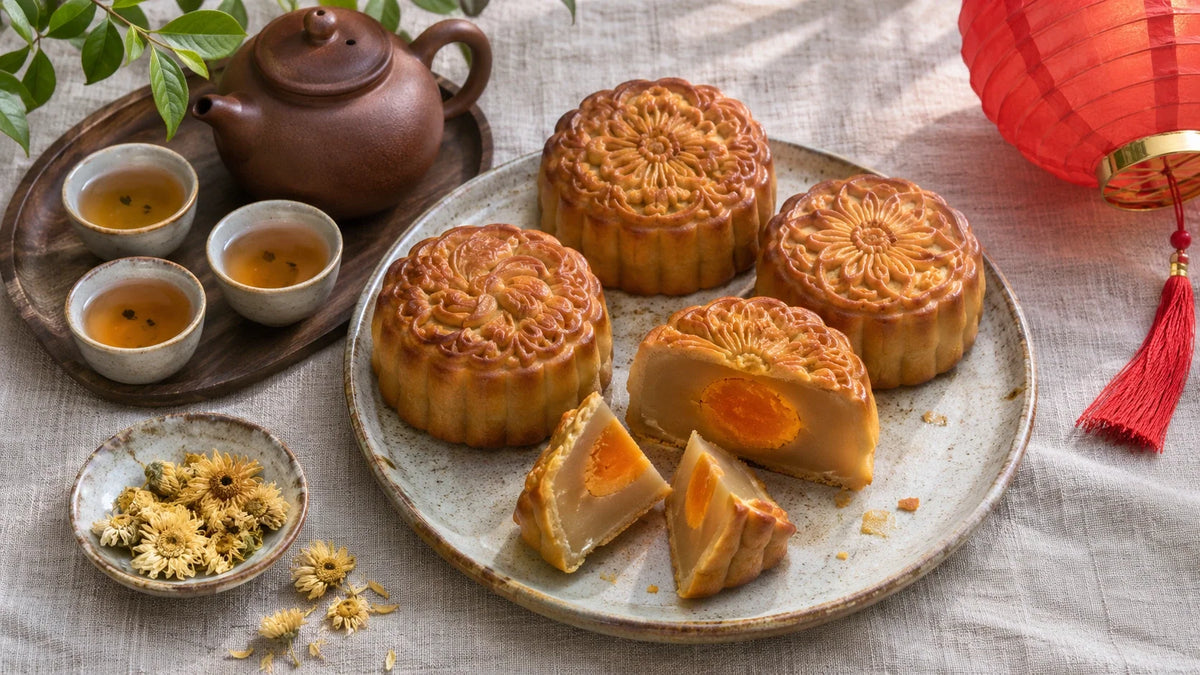
Mid-Autumn Festival: traditions, mooncakes and celebrations in Asia
What is the Mid-Autumn Festival?
The Mid-Autumn Festival, also known as the Moon Festival or Moon Festival, is an annual festival centered around the full moon, family, and especially eating mooncakes. It takes place on the 15th day of the 8th month of the lunar calendar, usually in September or early October. On that evening, the moon is at its roundest and brightest, symbolizing unity and abundance.
Meaning and background
The festival dates back thousands of years. Originally, it was a harvest festival where the moon was honored as a symbol of fertility. Later, myths became associated with the celebration, such as the famous story of Chang’e, the moon goddess.
How is the Mid-Autumn Festival celebrated?
At its heart is the coming together of family, admiring the full moon, and sharing special dishes. Eating mooncakes is the ultimate symbol of the festival. In addition, there are lantern processions, ancestor worship, and communal meals, depending on the country.
Mooncakes: the ultimate symbol of the festival
Mooncakes are round pastries that symbolize the unity of the moon and family. They usually consist of a rich, soft filling enveloped in a thin layer of dough.
The most popular classic varieties are filled with lotus seed paste, sometimes combined with a salted egg yolk in the center. The egg yolk symbolizes the full moon. There are several variations:
-
Without egg yolk: pure lotus or red bean paste.
-
With one egg yolk: a balance between sweet and savory.
-
With two egg yolks: a richer flavor, popular with lovers who appreciate the savory touch.
In addition to lotus, there are also fillings of red beans, jujube (Chinese date), mixed nuts, and nowadays also modern flavors such as chocolate, matcha, or even ice cream mooncakes.
China
In China, the festival revolves around family reunions and mooncakes. Families give each other mooncakes as gifts and enjoy them together while admiring the moon.
Vietnam
In Vietnam, it is called Tết Trung Thu. Here, mooncakes are often lighter and can contain surprising combinations, from durian to green tea. Children walk in colorful lantern processions and receive fruit and treats.
Korea
In Korea, the festival is called Chuseok. Here, it is not about mooncakes, but about songpyeon (steamed rice cakes) and elaborate family banquets in honor of ancestors.
Japan
In Japan, people celebrate Tsukimi. No mooncakes are eaten, but simple dango (rice balls), often in combination with seasonal dishes and the display of pampas grass.
Common misconceptions
-
Not only Chinese: The Mid-Autumn Festival is often seen as a Chinese festival, but Vietnam, Korea, and Japan also have their own traditions.
-
Not everywhere mooncakes: Mooncakes are the ultimate symbol in China and Vietnam, but in Korea and Japan, other dishes take center stage.
-
Not always sweet: Many people think that mooncakes are always sweet, but there are also savory varieties with meat, nuts, or ham.
So the Mid-Autumn Festival is more than just a holiday: it is a time for family, tradition, and togetherness. Mooncakes play a central role in this, with their rich fillings and symbolism of the full moon. Whether you choose a classic lotus with one egg yolk, a double egg yolk, or a modern flavor variant – sharing mooncakes remains the ultimate ritual that brings people together under the full moon throughout Asia.

