

Mirin 101
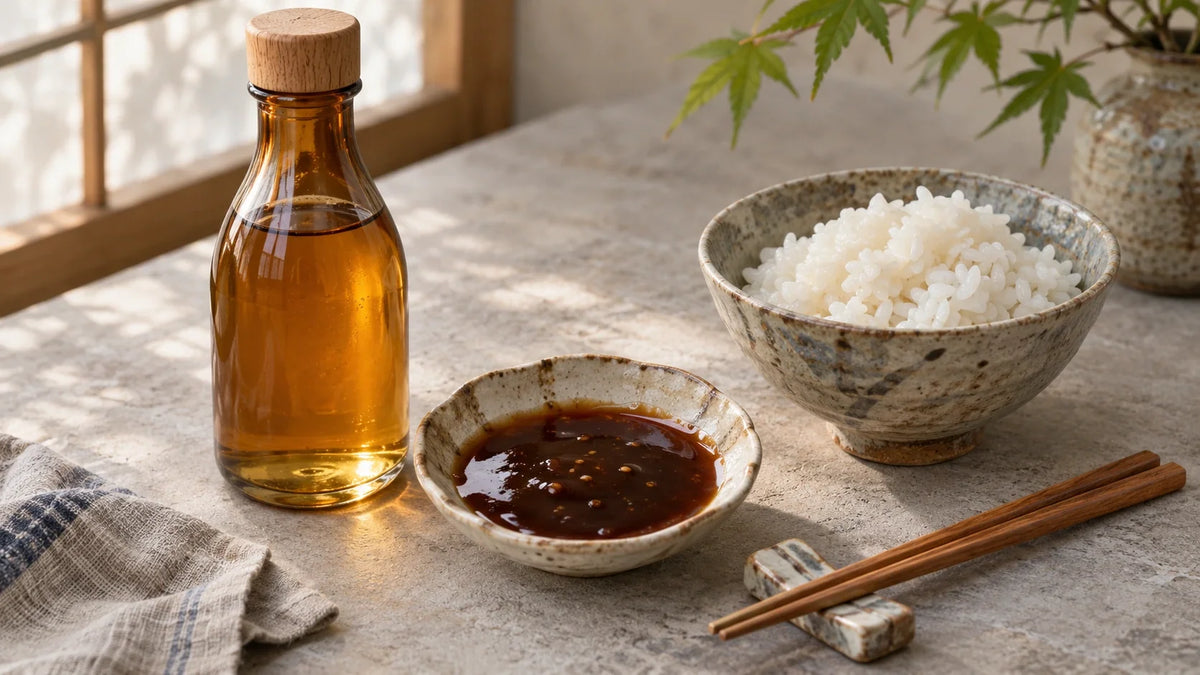
All Different Types of Mirin Explained
Mirin, a staple in Japanese cuisine, is known for its ability to enrich dishes with its unique sweetness and depth. But did you know that there are different types of mirin, each with its own character and uses? Let's take a closer look at this essential cooking wine.
What Is Mirin?
Mirin is a sweet rice wine traditionally used in Japanese cuisine. It adds a subtle sweetness to sauces, marinades, and various dishes, perfectly balancing the umami notes of soy sauce and the sharpness of sake.
How Is Mirin Made?
Mirin, an essential ingredient in Japanese cuisine, is produced by fermenting a mixture of glutinous rice, cooked rice, and rice distillate. This careful fermentation process, which can take several months or even years, gradually transforms the ingredients into a rich and sweet liquid. This liquid is known for its ability to add depth and complexity to various Japanese sauces and dishes, giving them a unique flavor that is both subtle and unmistakable. Over time, mirin has established itself as an indispensable element in Japan's culinary traditions, loved by chefs and home cooks for enriching flavors and balancing the overall taste of dishes.
Different Types of Mirin
Hon Mirin (True Mirin)
- Characteristics: Authentic, contains alcohol (approximately 14%). Hon mirin is known for its pure, sweet taste that distinguishes it from other types of mirin. It is produced through a fermentation process that combines rice, koji (cultured rice), and shochu. This traditional method creates a rich, complex flavor.
- Uses: Ideal for cooking; adds a rich flavor to a wide range of dishes. Thanks to the depth it adds to the umami of a dish, hon mirin is an indispensable ingredient in Japanese cuisine. It is often used in marinades, sauces, and as a glaze, where it not only adds sweetness but also helps neutralize unwanted odors from meat and fish.
Aji-Mirin (Mirin-Flavored Seasoning)
- Characteristics: Aji-mirin is known for its sweeter taste compared to traditional mirin, while having a significantly lower alcohol content. This makes it an excellent alternative for those who prefer less alcohol in their cooking.
- Uses: This variant is highly versatile and can be used in a variety of dishes, from marinades to glazes, and serves as a fantastic substitute when true mirin is not available. Thanks to its versatility and sweeter profile, it is an indispensable ingredient in the kitchen for preparing authentic Japanese dishes or adding a touch of sweetness to sauces and dressings.
Shin Mirin (New Mirin)
- Characteristics: This variant of mirin contains a minimal amount of alcohol, making it an excellent choice for those who want the rich, sweet taste of traditional mirin without the full alcohol content.
- Uses: Shin mirin is the perfect alternative when alcohol is undesirable in dishes, such as in recipes for children or for people who must avoid alcohol for health reasons. It offers the depth and sweetness that characterize many Japanese dishes without the alcoholic component found in standard mirin.
What Do You Use Mirin For?
The characteristic sweetness of mirin works excellently to mellow the sharpness of other ingredients and adds a complex depth that takes dishes to the next level. Think of glazes, teriyaki sauce, ramen, or sukiyaki.
What to Look for When Buying Mirin
- Ingredient List: When selecting products, it is advisable to choose those with as few additives as possible. This ensures that the flavor remains as close as possible to the original product and that you make a healthier choice.
- Type: For an authentic taste experience, it is best to prefer 'Hon Mirin'. This type of mirin is known for its pure composition and traditional preparation method, resulting in a richer flavor that takes dishes to the next level.
How Do You Store Mirin?
Store mirin in a cool, dark place away from direct sunlight. Once opened, it is advisable to store mirin in the refrigerator to preserve its quality.

