


What is Furikake (and why you’ll want to sprinkle it on everything)
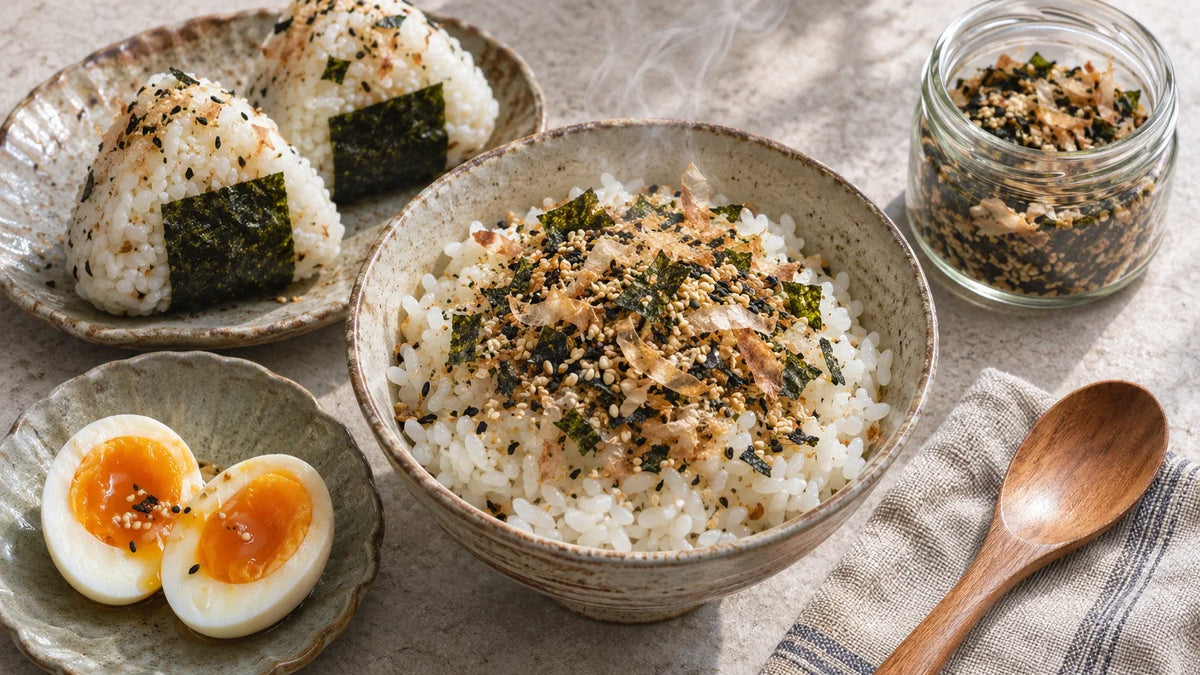
A bowl of white rice in Japan is never entirely bare. On the table there is often a little jar or sachet of furikake, and with one generous shake that rice gets salt, crunch and the deep flavour of seaweed, sesame and dried fish. It is the kind of seasoning you pick up without thinking and then no longer want to be without, on your onigiri, your fried egg or a bowl of popcorn on the sofa. In our toko in Amsterdam we stock jars and sachets from the same brands you see in the Japanese supermarket, from Tanaka and Urashima to Hagoromo. Here you can read which kinds there are, what to sprinkle them over and how to make your own blend with nori, sesame and katsuobushi.
What is furikake?
Furikake as we know it today came about in Japan in the Taishō era (1912-1926). A pharmacist from Kumamoto is often named, who mixed ground fish bones with sesame and seaweed to sprinkle over rice, but other makers also claim the invention. By now it is part of the bento, the breakfast rice and the onigiri for the road. Why seaweed, bonito and sesame together taste so full, you can read in Umami, the fifth taste.
Which kinds of furikake are there?
Furikake guide: which kind for what?
For each flavour you can see where it shows itself off best. Think of it as a helping hand, because furikake is made for playing around with.

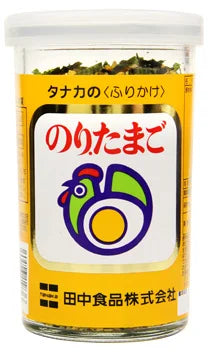
Nori tamago Tanaka · egg and seaweed
Mild and a little sweet, the kind that children in Japan grow up with.

Sesame-wakame Tanaka · seaweed and sesame
Soft and nutty. According to the sachet you knead 7 to 8 grams through 150 grams of rice.
onigirisushi rice

Wasabi Kameya · sesame, seaweed, wasabi
A fresh prickle in the nose, lovely with raw fish.
pokésushi rice

Yuzu kosho Nihon Kaisui · citrus and pepper
Fresh and spicy at the same time, on anything that comes off the grill.
grilled fishajitsuke tamago

Garlic-chilli Urashima · garlic and chilli oil
Savoury and mildly spicy, for noodles and eggs.
yaki udonfried egg

Curry Urashima · Japanese curry
Spicy and savoury, and according to the maker also good on popcorn.
popcornstir-fried vegetables
What do you sprinkle furikake over?
Rice and onigiri
Sushi rice, short-grain Japanese rice, is the natural base. Sprinkle furikake over a bowl, or mix it through the still-warm rice before you shape your onigiri, so that every bite has flavour and you do not need a filling. Which rice to use for this, you can read in Which kinds of rice are there.
Eggs
On a fried egg with a runny yolk, through scrambled egg or over a halved ramen egg: egg and furikake belong together, which also explains why nori tamago already contains egg itself.
Noodles
Over cold soba, through fried udon or on a bowl of instant ramen, a spoonful of furikake instantly gives more depth. You can read more about the noodles themselves in Japanese noodles.
Popcorn
In Hawaii, where many Japanese migrants settled, furikake goes over popcorn with melted butter. Toss it through the warm popcorn with a knob of butter so that the sprinkle sticks, and taste whether it needs a pinch more salt.
Poké and sushi bowls
On a poké bowl with sushi rice, raw salmon or tuna, avocado and edamame, furikake is the final layer. A wasabi variety suits it nicely here, and if you make sushi at home, you will find everything in Sushi at home.
Furikake om mee te beginnen
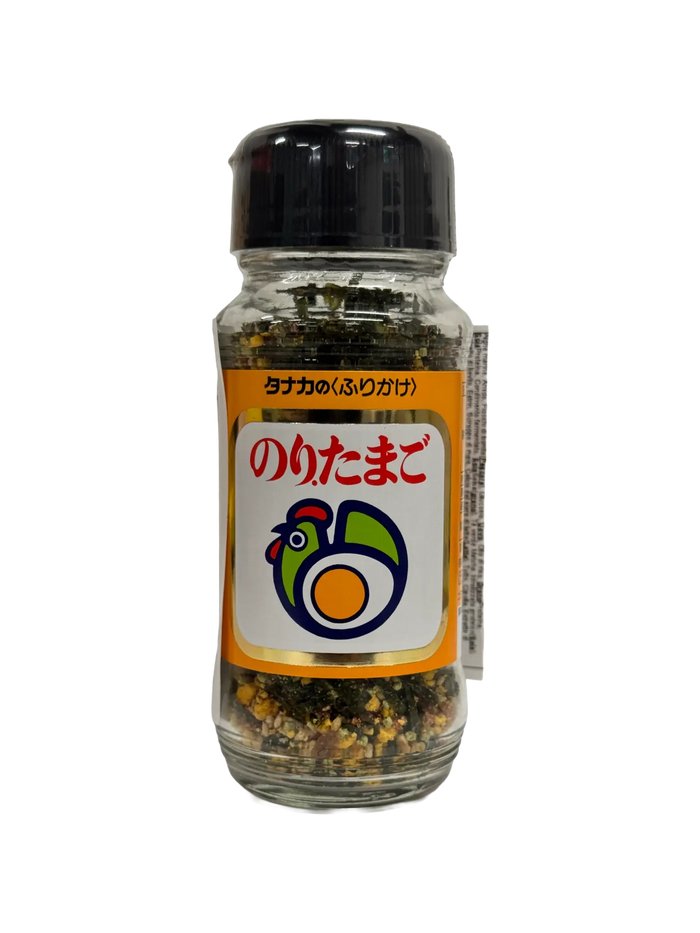
Tanaka Egg Seaweed Furikake
View product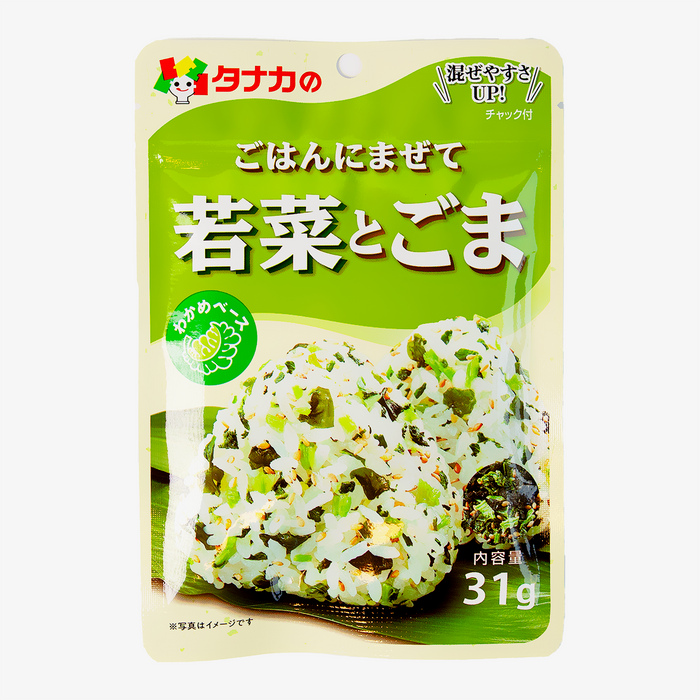
Tanaka Furikake Sesame Wakame Rice Seasoning Powder
View product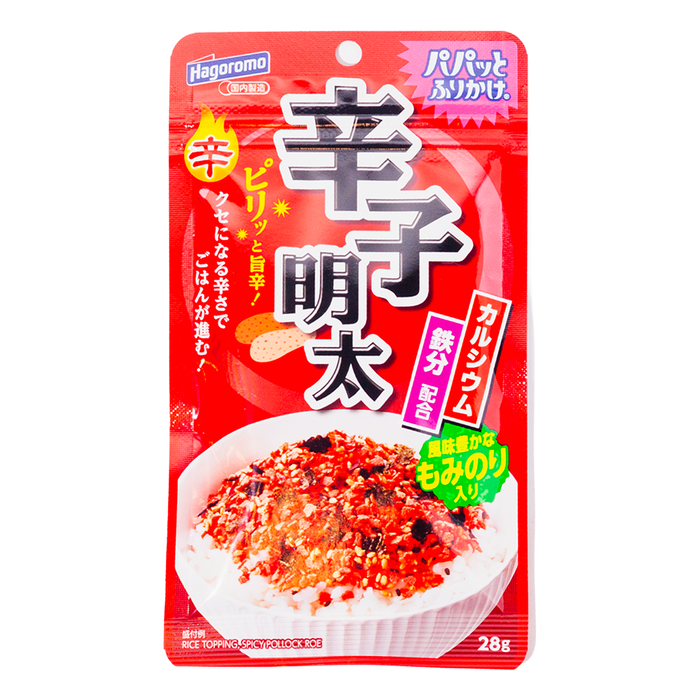
Hagoromo Pappato Cod Roe Flavor Furikake
View product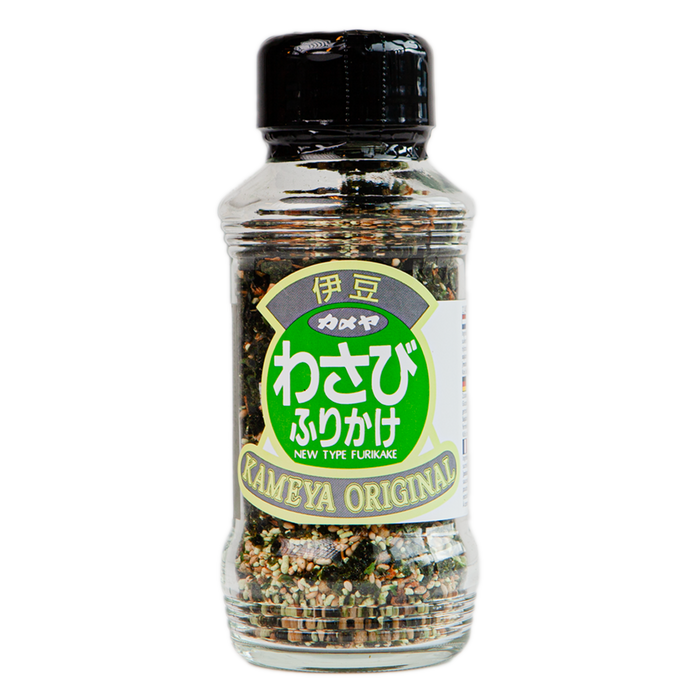
Kameya Wasabi Furikake
View product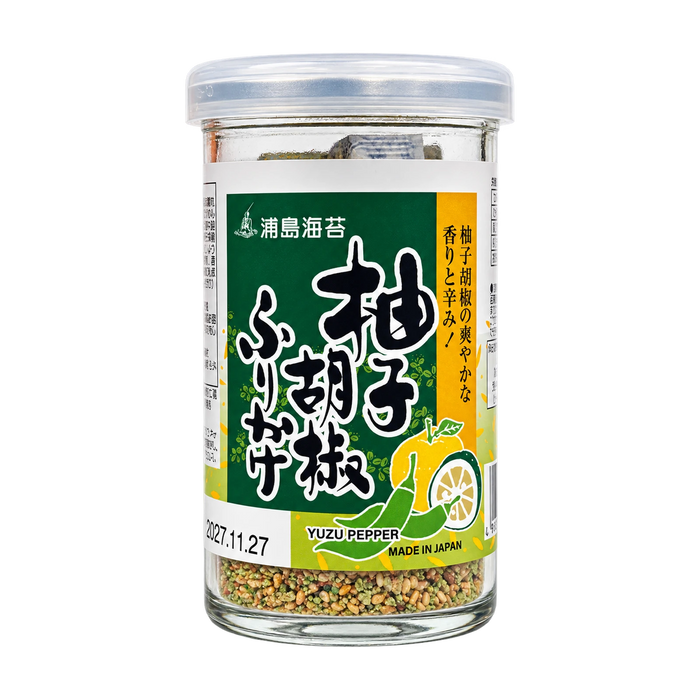
Nihon Kaisui Yuzu Kosho Furikake
View product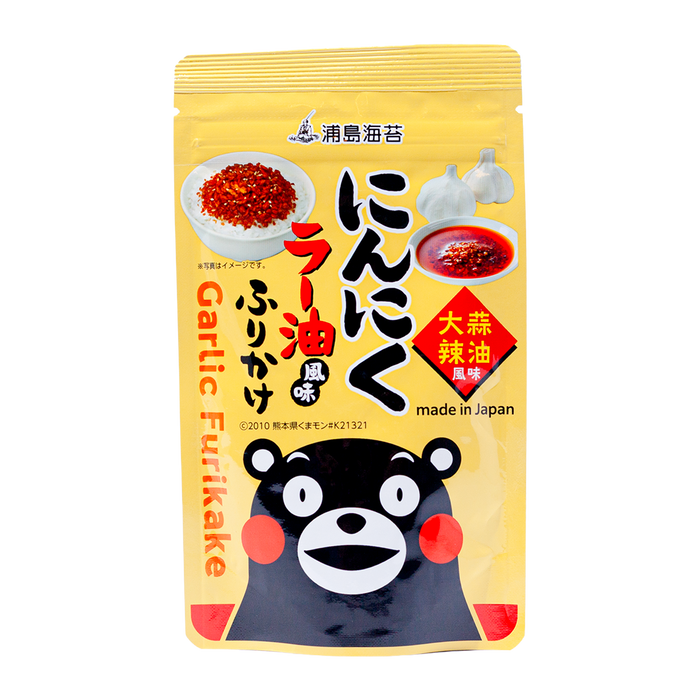
Urashima Garlic Chilli Oil Furikake
View product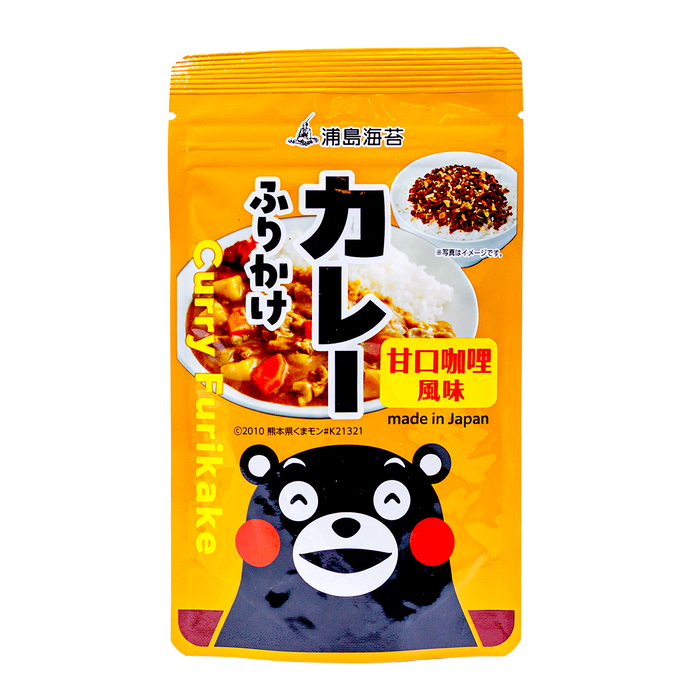
Urashima Curry Furikake
View product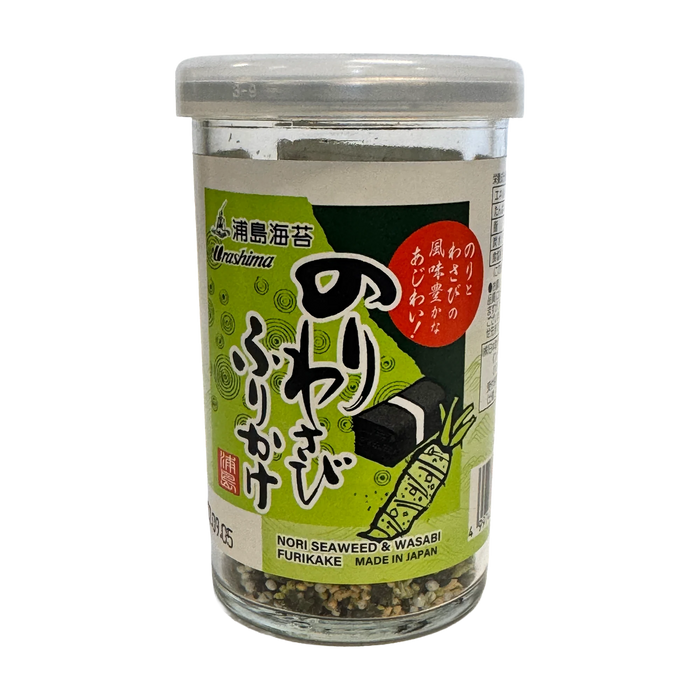
Nihon Kaisu Nori Wasabi Furikake
View productWhat is the difference between furikake, shichimi and gomasio?

In short: shichimi is for heat, gomasio for salt and nuttiness, and furikake for everything in between. You can make gomasio yourself by briefly bruising toasted black sesame with a little salt in a mortar.
How do you make furikake yourself?

Toasting the sesame

Dry-frying the katsuobushi

Cutting and mixing the nori


Zelf furikake maken
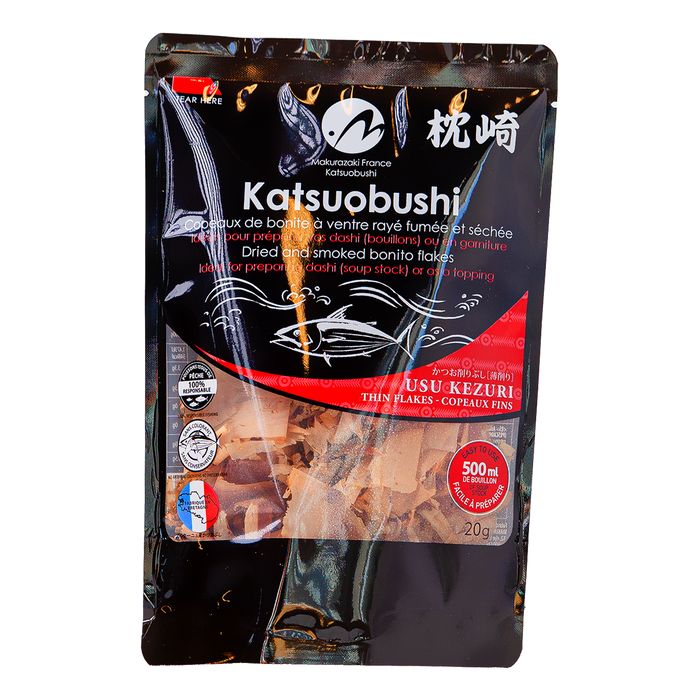
Makurazaki France Katsuobushi
View product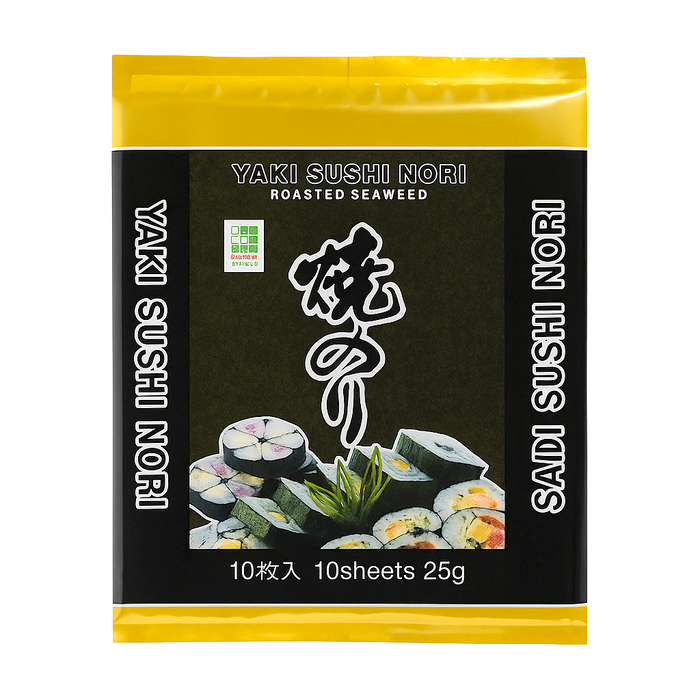
Jhfoods Yaki Nori Roasted Seaweed Gold
View product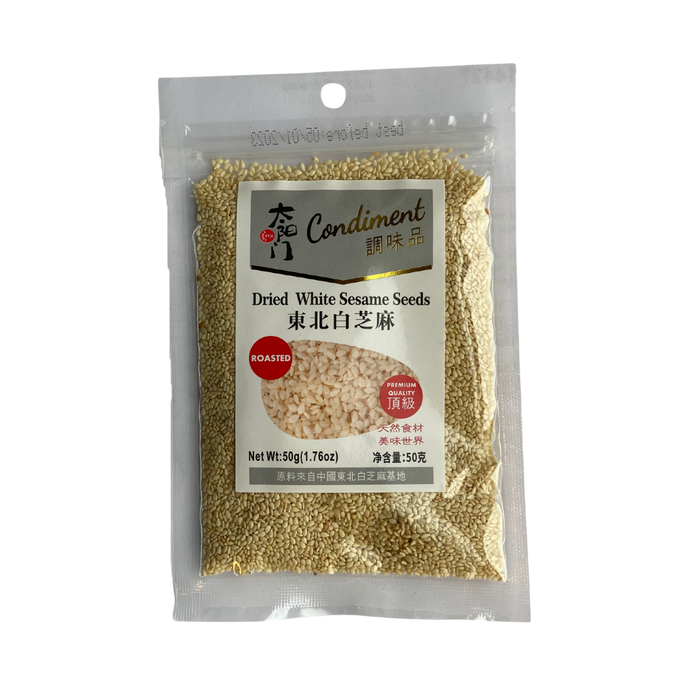
TYM White Sesame Seeds
View product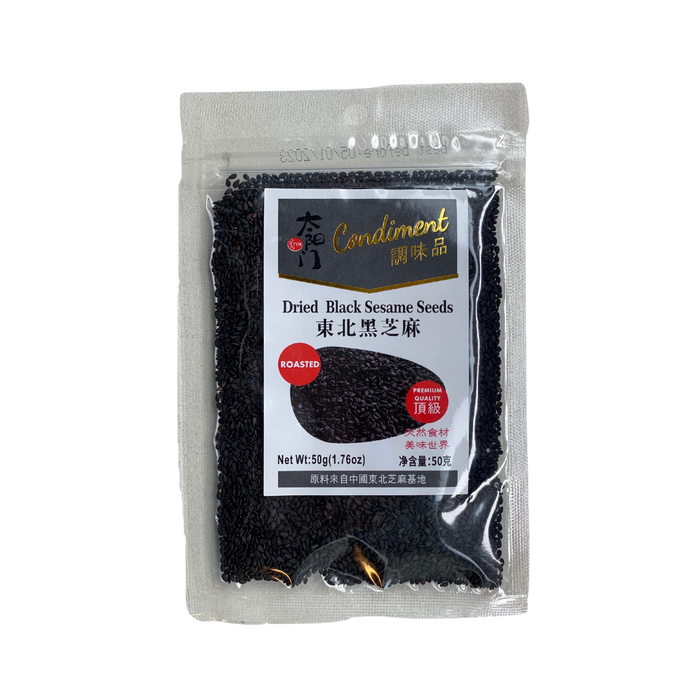
TYM Black Sesame Seeds
View product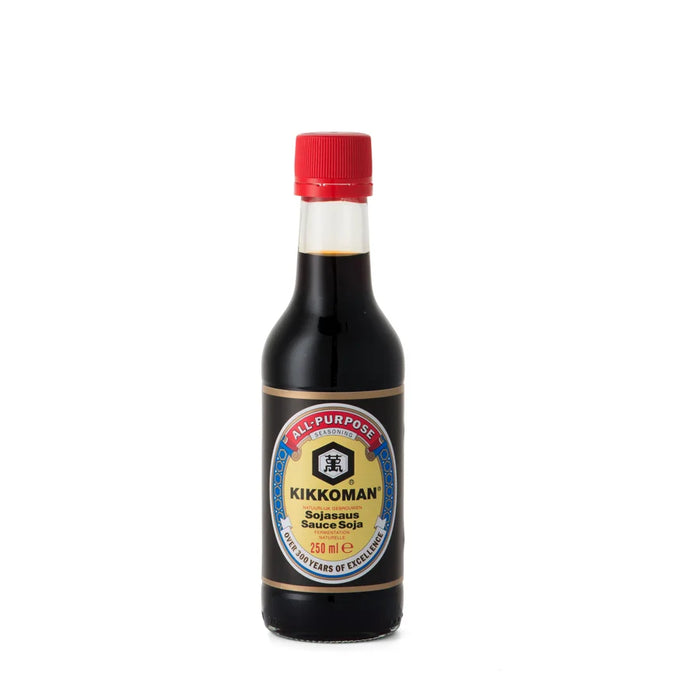
Kikkoman Soy Sauce
View product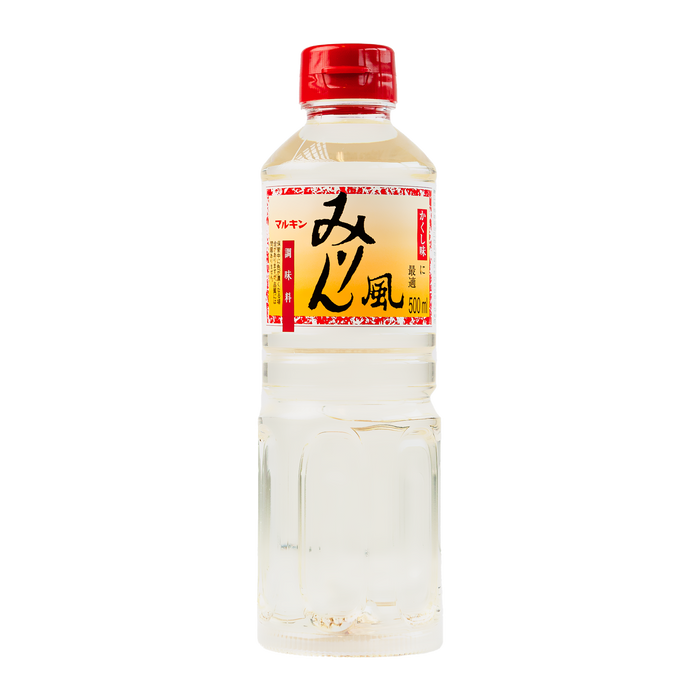
Marukin Mirin Fu
View product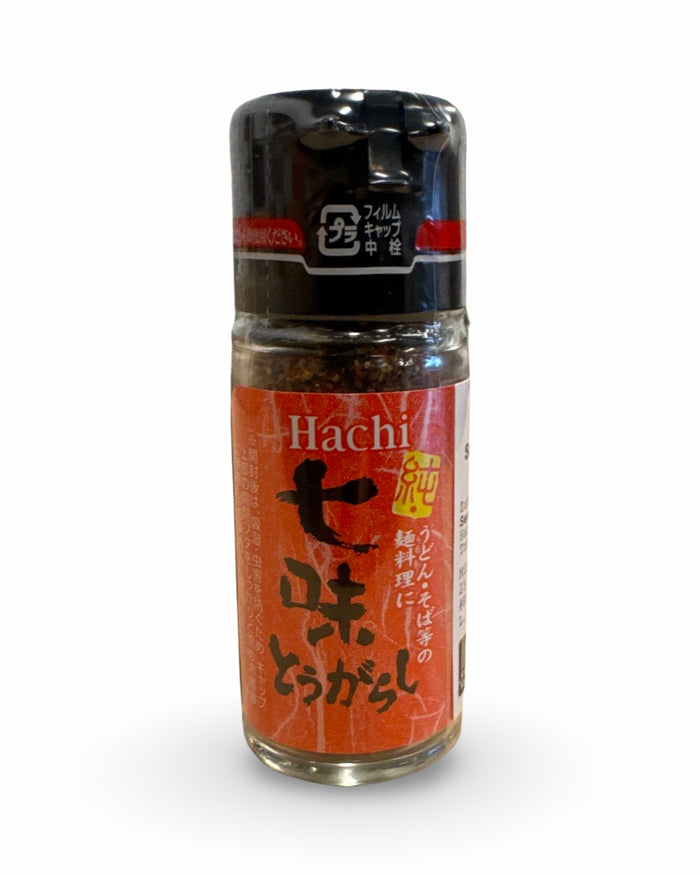
Hachi Chilli Powder Shichimi Togarashi
View productNot sure which furikake to start with? Pick a jar of nori tamago for every day and a spicy kind such as wasabi or garlic-chilli next to it, and then make your own blend one day with the katsuobushi left over from a pan of dashi.
 Furikake from JapanNori tamago, wasabi, yuzu kosho and moreShop now
 Seaweed nori, wakame, kombuFor onigiri, sushi and your own furikakeShop now
 Seasonings shichimi and moreSpices and sprinkles from JapanShop now
 Rice the basisShort-grain rice to sprinkle furikake overShop now
Recipes with furikake
These recipes are made for a generous pinch of furikake, on the rice, the egg or the noodles.


All furikake in one place
Nori tamago, sesame-wakame, wasabi, yuzu kosho and curry, from Tanaka, Urashima, Hagoromo, Kameya and Nihon Kaisui.
Frequently asked questions
What does furikake mean?
Furikake comes from the Japanese verb furikakeru, which means to sprinkle over. It is the collective name for dry, savoury sprinkles for rice.
What is in furikake?
Almost always nori and toasted sesame, often with katsuobushi, salt and sugar added. Depending on the kind, egg, fish, roe, wasabi, shiso or curry come on top of that; check the label for the exact composition.
Is furikake vegetarian or vegan?
Not always. Many kinds contain fish, such as bonito or roe, or egg. There are also varieties based on seaweed, sesame and vegetables, but always check the label.
What is noritama?
Noritama is a contraction of nori and tamago, seaweed and egg. It is a mild, slightly sweet furikake and one of the best-known kinds in Japan.
What is the difference between furikake and shichimi togarashi?
Shichimi togarashi is a spicy blend of seven spices with chilli as its base, which you use sparingly. Furikake is mild and savoury and you sprinkle it generously over rice.
Can you fry or cook furikake along with a dish?
You can, but then it loses its crunch. Sprinkle it over your dish at the end instead, or mix it through warm rice for onigiri.
How do you store furikake?
Follow the label. Close the packaging tightly after use and keep it dry, because moisture quickly makes furikake soft.
Furikake is perhaps the simplest piece of Japanese cooking you can bring home, because you do not need to be able to do anything: you shake it over a bowl of rice and your breakfast, lunch or late-night snack is suddenly complete. Start with a jar of nori tamago, try a spicy kind next, and on a quiet afternoon toast your own sesame with a little katsuobushi and nori, so that you taste how little it takes to get so much flavour. If you cannot choose between all those jars, put your question to our customer service, and if you would like to know how furikake fits in with miso, dashi and soy sauce, read on in Japanese cuisine 101.

