


Japanese snacks: chips, Kit Kat, Hi-Chew and candy from Japan
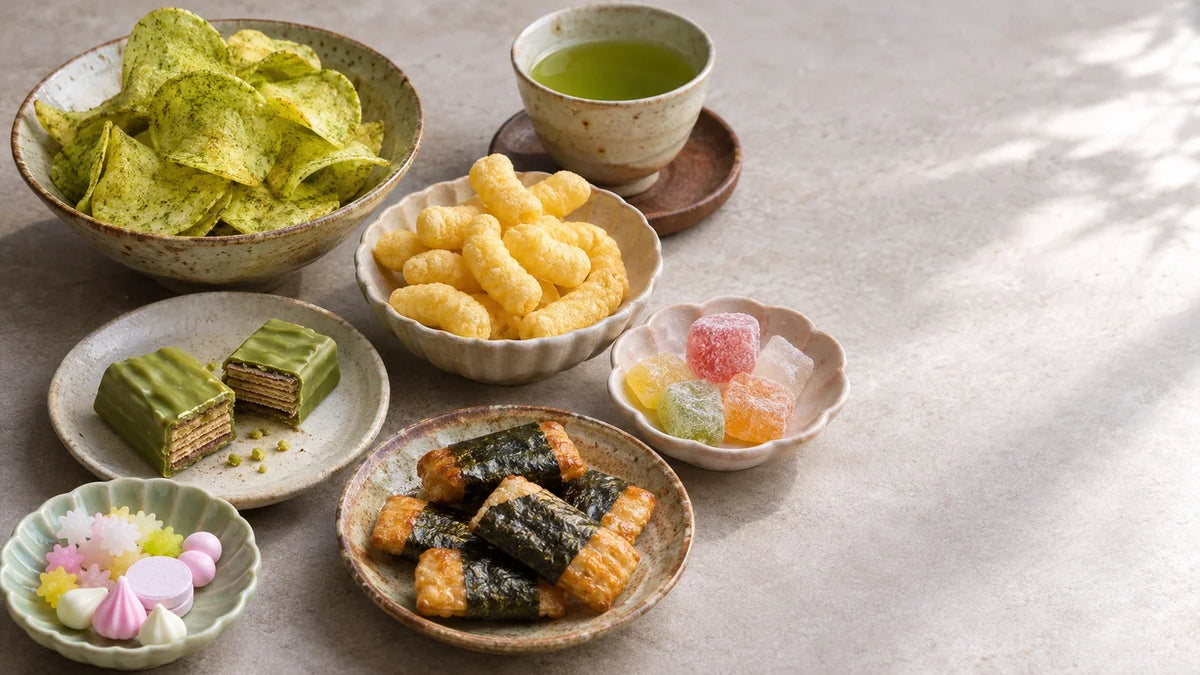
You can recognize Japanese snacks from afar: bright packaging, a mascot that cheerfully looks at you, and a flavor on the front that you rarely see on the shelves here, such as grilled eel, pickled plum, or chestnut. Anyone who has ever walked through a Japanese supermarket knows how long you can linger there. But even if you have never been to Japan, you know the feeling: tearing open a bag without knowing exactly what you are going to taste. In our toko in Amsterdam, Japanese chips, Kit Kats, Hi-Chew, and tiny snack bags sit side by side, and in this guide we will walk through them with you. These are the same bags from Calbee, Koikeya, and Meiji that you see on the shelves in supermarkets and konbinis in Japan, so you are tasting what a Japanese family at home also tears open. If you also want to know what the rest of Asia and the world has to offer in terms of snacks, start with Snacks 101.
What makes Japanese snacks so special?
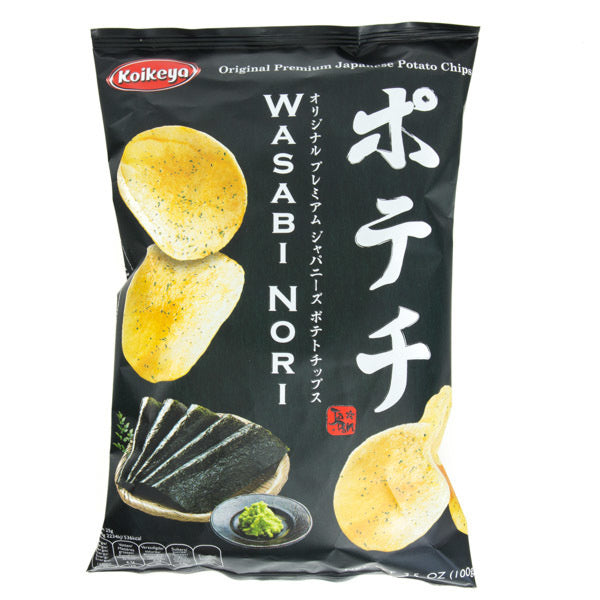
 Wasabi Nori Koikeya · chipsPotato chips with wasabi and seaweed
 Grill-A-Corn Calbee · corn snackLight corn snack, sweet and salty
 Kit Kat Strawberry Nestlé · JapanMini bars with strawberry flavor
 Hello Panda Meiji · cookiesPanda cookies with chocolate filling
 Hi-Chew Morinaga · chewy candySoft chewy candy with fruit flavors
 Milk candy matcha KanroCreamy milk candy with matcha
 Chocobi Tohato · 18 gSmall bag of corn snack with strawberry
 Matcha mochi SeikiSoft rice cakes with matcha
What Japanese chips and salty snacks are there?
Potato chips
Wasabi Nori Koikeya · 100 gWasabi and seaweed Teriyaki Koikeya · 100 gSweet soy sauce, slightly salty
 Pickled plum Koikeya · 100 gSweet and sour of pickled plum
 Kara Mucho Koikeya · 60 gSpicy and crispy
 Chip Star YBC · 45 gStacked chips, wagyu yakiniku
 Curry Calbee · 55 gChips with curry flavor
 Cheetos Cheese Japanese edition · 70 gCheese snack as they are in Japan
Calbee corn snacks
BBQ Grill-A-Corn · 80 gSweet barbecue flavor Garlic Grill-A-Corn · 80 gWith roasted garlic
 Eel kabayaki Grill-A-Corn · 80 gEel with sweet soy sauce
Rice crackers and seaweed
Japanse chips om te proberen
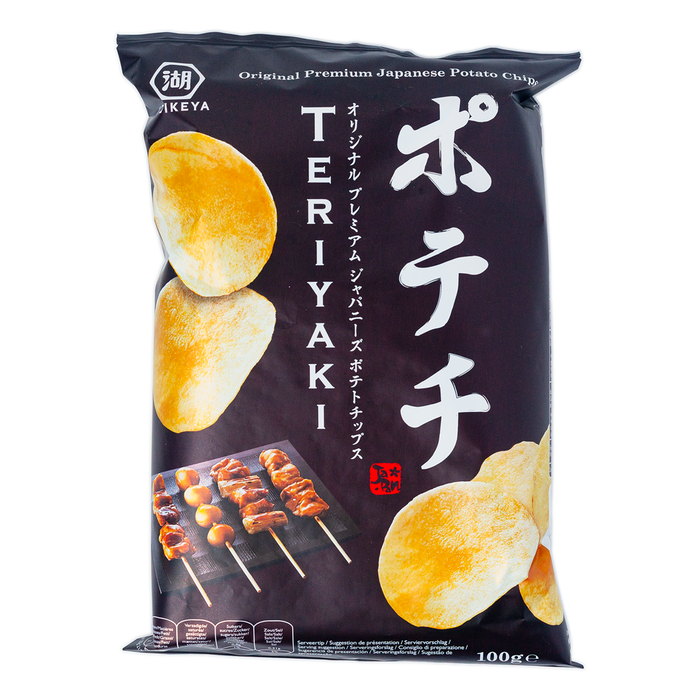
Koikeya Teriyaki Potato Chips
View product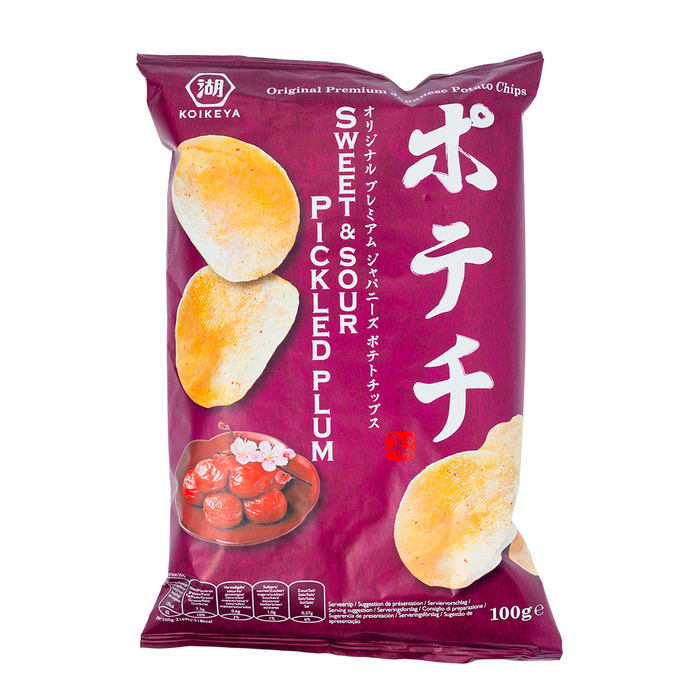
Koikeya Potato Chips Sweet Sour Pickled Plum
View product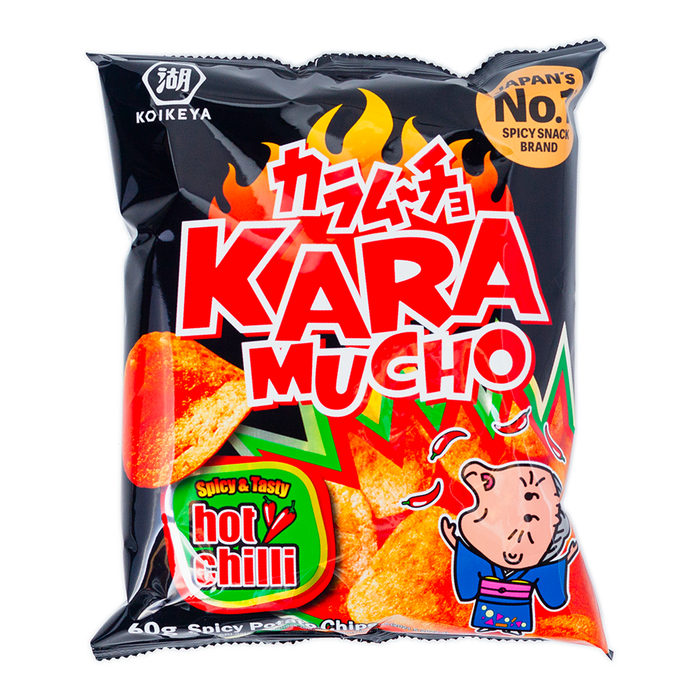
Koikeya Kara Mucho Potato Snack Flat
View product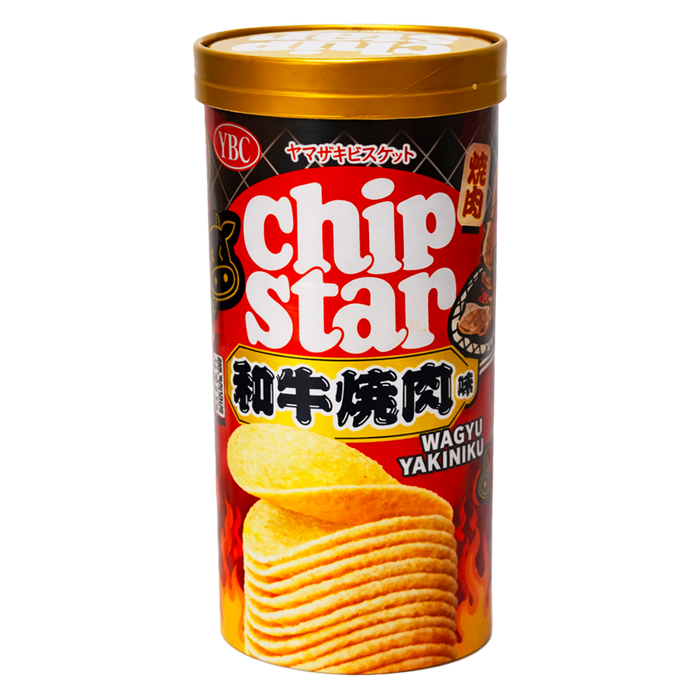
YBC Chip Star Wagyu Yakiniku
View product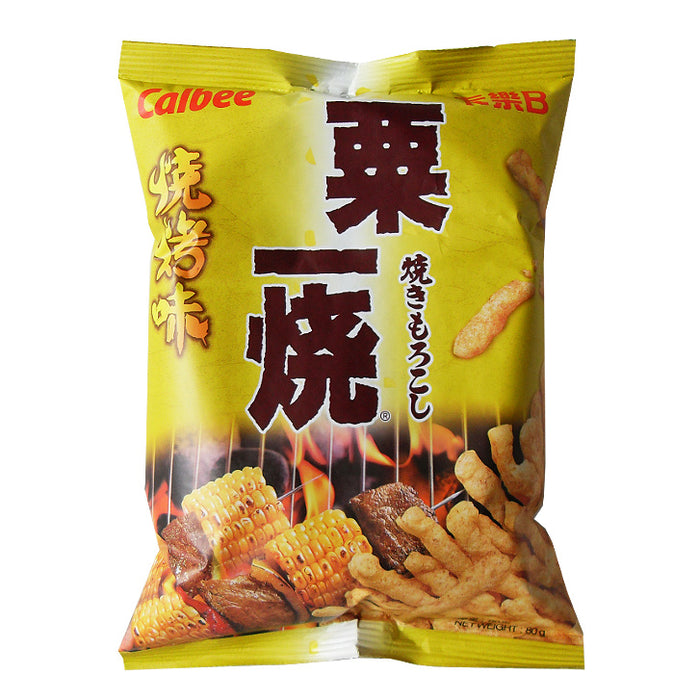
Calbee Grill-A-Corn BBQ Flavor
View product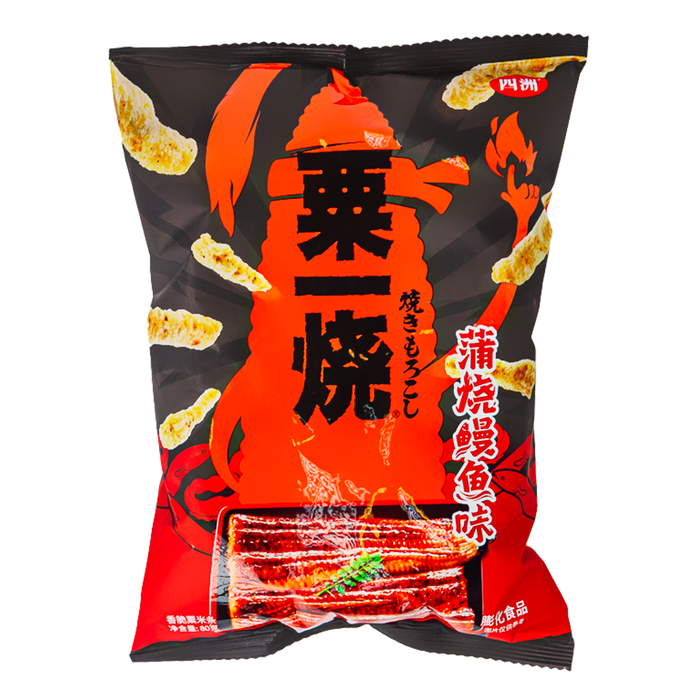
Calbee Grill-A-Corn Eel Kabayaki
View product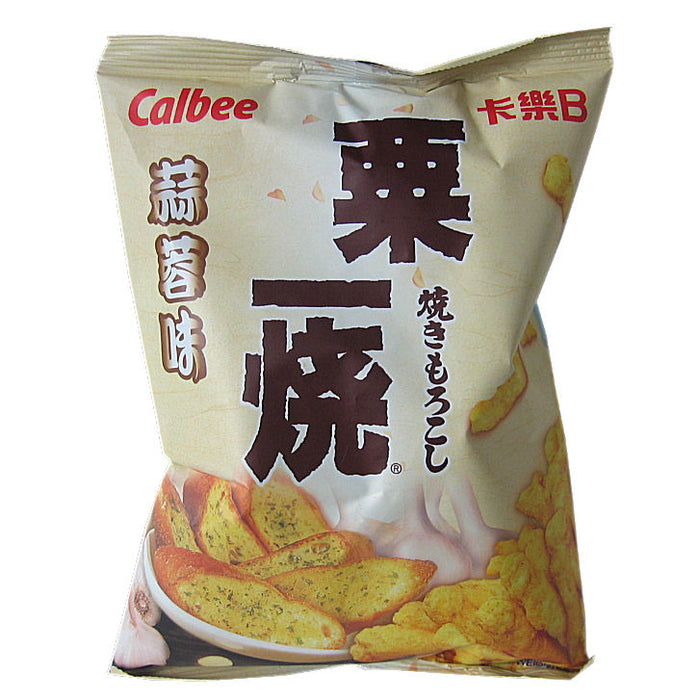
Calbee Corn Snack Garlic Flavor
View product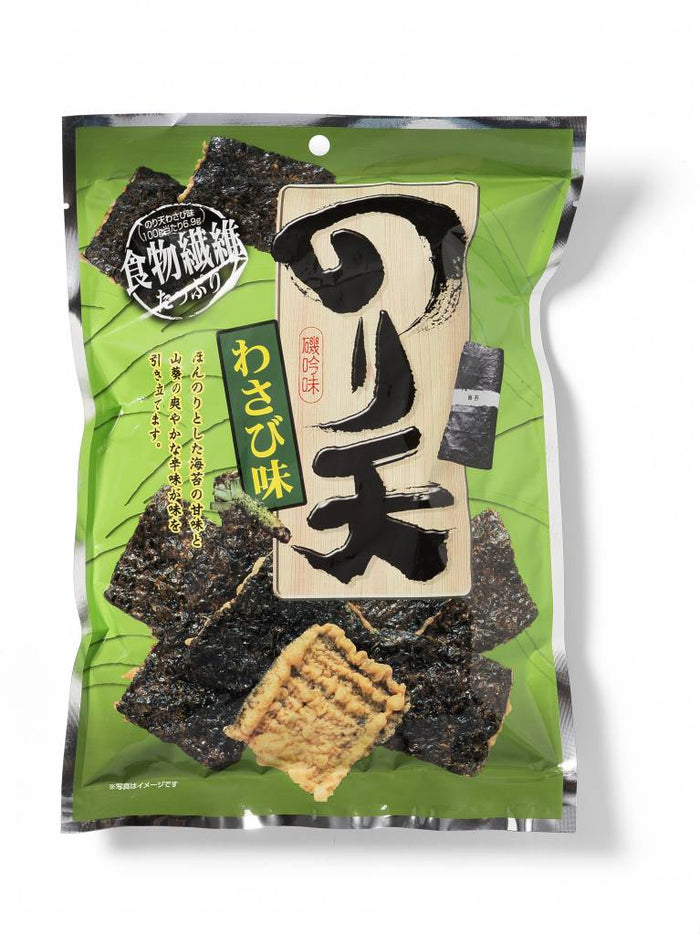
Noriten Wasabi
View productWhy are there so many Japanese Kit Kat flavors?
 Strawberry Kit Kat Mini · 113 gWhite chocolate with strawberry
 Rich Matcha Kit Kat Mini · 113 gFull, slightly bitter green tea
 Matcha Latte Kit Kat x Itoen · 104 gSoft matcha with milk
 Mont Blanc Kit Kat Mini · 104 gChestnut, like the pastry
 Chocolate Orange Kit Kat · 104 gChocolate with orange
 Double Berry & Nut Kit Kat · 101 gBerries and nuts
Kit Kat in Japanse smaken
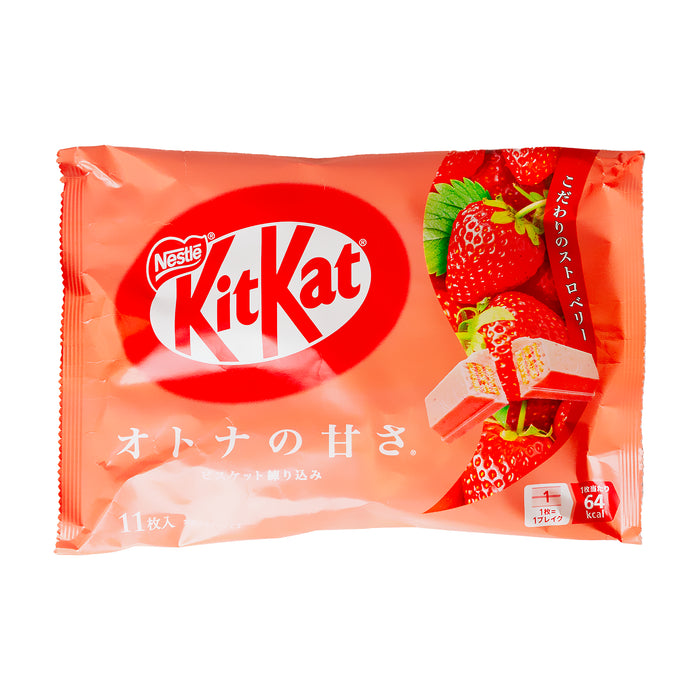
Kit Kat Mini Strawberry Japan
View product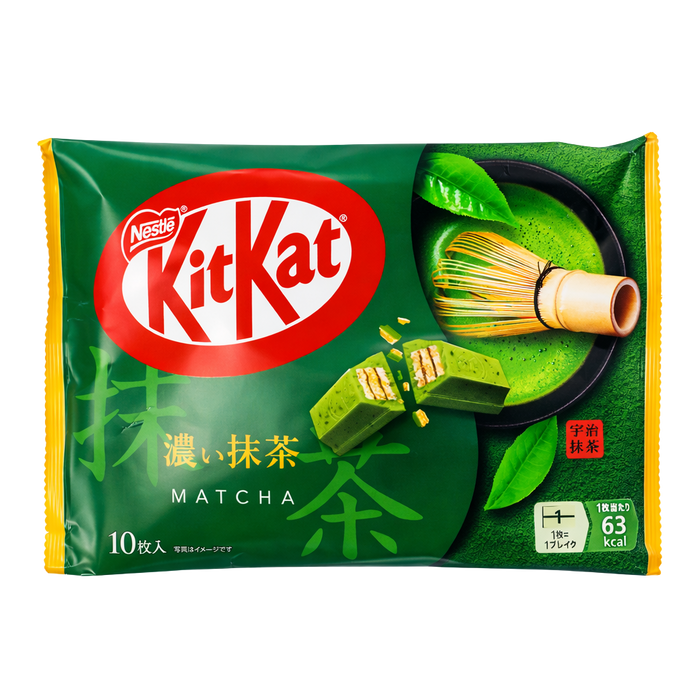
Kit Kat Mini Rich Matcha Japan
View product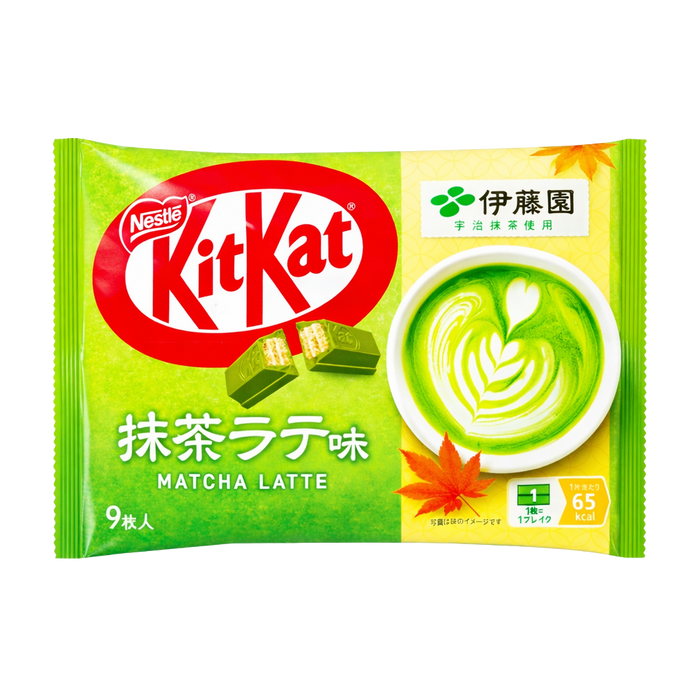
Kit Kat Itoen Matcha Latte
View product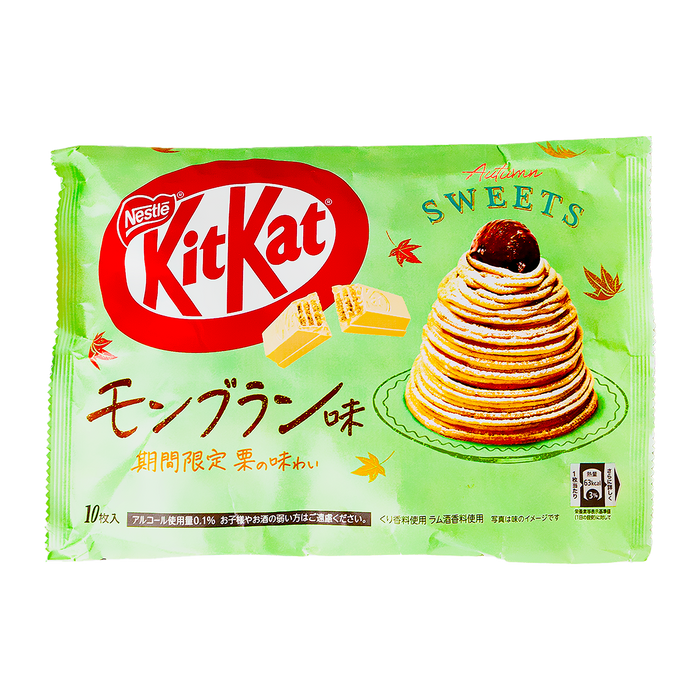
Nestle Kit Kat Mini Mont Blanc Japan
View product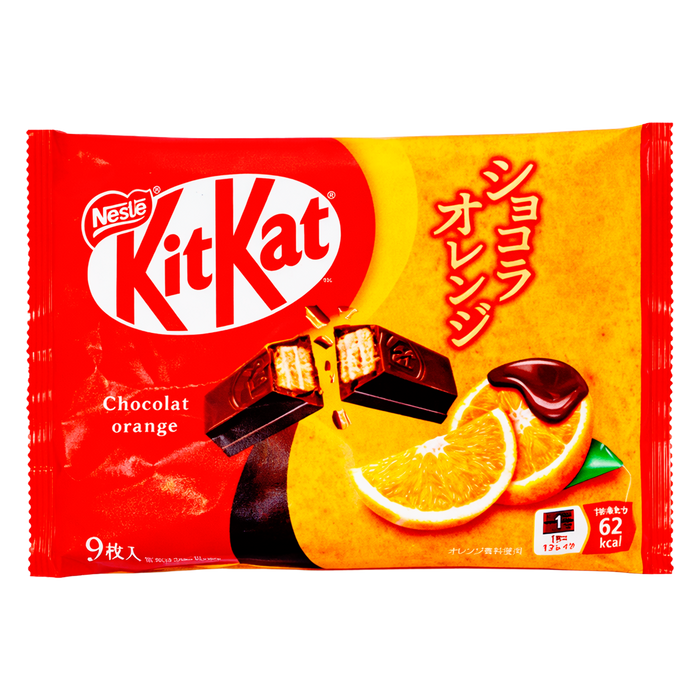
Kit Kat Japan Chocolate Orange
View product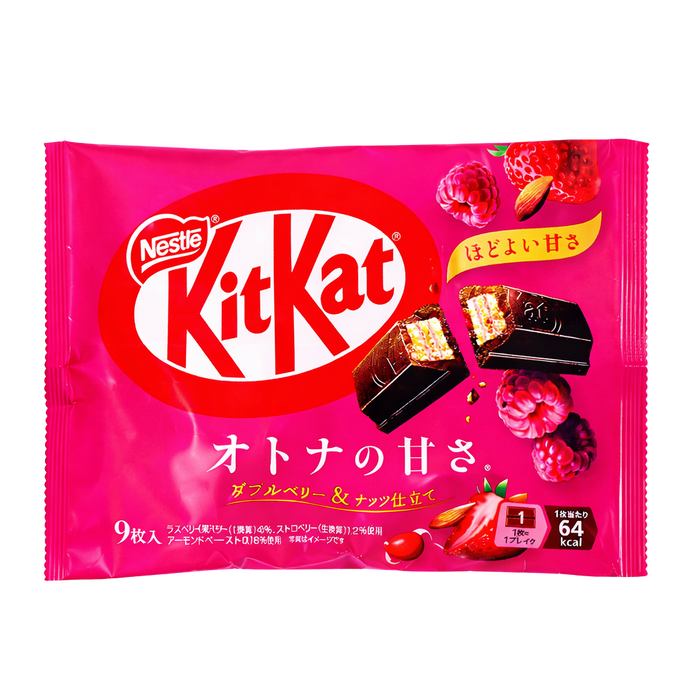
Kit Kat Double Berry & Nut
View productWhich Japanese cookies and chocolate should you try?
 Chocolate Hello Panda · 50 gThe original with chocolate
 Double Chocolate Hello Panda · 50 gDouble chocolate
 Milk Cream Hello Panda · 50 gCreamy milk filling
 Strawberry Hello Panda · 50 gWith strawberry filling
 Kinoko no Yama Meiji · Uji matchaMushroom snacks with matcha caps
 Uproll Meiji · 35 gChocolate wafer rolls
 Rich Matcha Meiji · 96 gMatcha chocolate biscuit
 Pocky Matcha Glico · 110 gMatcha biscuit sticks
 Puku Puku Tai Meito · 16 gChocolate fish-shaped wafer
View all Japanese sweets and chocolate →
What is typical Japanese candy?
 Fantasy Mix Hi-Chew · 68 gFruity fantasy flavors
 Tropical Fruit Hi-Chew · 68 gTropical fruit
 Dessert Mix Hi-Chew · 68 gDessert flavorsGold Milk Matcha Kanro · 61 gCreamy with slightly bitter matcha
 Matcha Milk Candy Sakuma · 58 gMilk candy with green tea
 Calpis Candy Asahi · 100 gFresh, slightly sour and creamy
What is dagashi, the Japanese candy from the corner?
 Chocobi Tohato · 18 gStrawberry corn snack
 Chocobi Shin-chan 22 gShin-chan's candy
 Caramel Corn Tohato · AmaouCaramel corn with strawberry
 Pokémon wafer Lotte · 23 gWafer with chocolate filling
 Fish-shaped wafer Meito · 16 gCrunchy with strawberry
 Hello Kitty Bourbon · 47 gCocoa biscuits
Do mochi also belong with Japanese snacks?

What to drink with Japanese snacks?


Not sure where to start? Grab a bag of Koikeya Wasabi Nori for something salty, a box of Kit Kat Mini Rich Matcha for something sweet, and a bag of Hi-Chew to share; then you'll experience in one go why Japanese snacks have such a unique character.
Where can you find Japanese snacks by category?
All Japanese snacks are grouped together, and those looking for something specific can head straight to chips, sweets and chocolate, or mochi.
Japanese snacks everything from JapanChips, Kit Kat, sweets and biscuitsShop nowChips and salty snacks Koikeya, CalbeeWasabi, teriyaki and corn snacksShop nowSweets and chocolate Meiji, Hi-ChewBiscuits, chewy sweets and milk candyShop nowMochi Japanese and TaiwaneseSoft rice cakes with fillingShop now
Read more about snacks and Japanese cuisine
Japanese snacks are just one shelf in the toko. Read on, and in Japanese Cuisine 101 you'll learn what makes it onto the table in Japan when it's not snack time.
Snacks 101 the entire snack shelfSnacks from Asia and the rest of the worldMochi Explained glutinous rice and fillingDaifuku, ice mochi and how to eat them Korean snacks chips, Choco Pie, PeperoSweet, spicy and crunchy from Korea
 American and British sweets candy and chocolateSweets from America and Great Britain
All Japanese snacks in one place
Chips, Kit Kat, Hello Panda, Hi-Chew and small sweets, from salty to sweet.
Frequently asked questions
What are the best-known Japanese snacks?
Think Kit Kat in Japanese flavours, Pocky, Hello Panda, Hi-Chew, Koikeya and Calbee chips and rice crackers such as senbei. There are also small sweets like Chocobi.
Why does Japan have so many Kit Kat flavours?
Kit Kat brings flavours from seasons and regions in Japan. The name sounds like kitto katsu, "you will surely win", making a Kit Kat also a good luck charm for exams.
What is the difference between senbei and arare?
Senbei are larger, flat rice crackers. Arare are small, crunchy pieces made from glutinous rice and often come in a mixed bag.
What is Hi-Chew?
Hi-Chew is a soft, chewy sweet from Morinaga in Japan, with a full fruit flavour. Each sweet is individually wrapped.
What is dagashi?
Dagashi are cheap, small sweets and snacks that children in Japan buy with their pocket money, often in colourful bags of a few grams.
Are Japanese snacks spicy?
Most are not. Snacks with wasabi or Kara Mucho will have a kick, but Kit Kat, Hello Panda, Hi-Chew and milk candy are simply sweet.
How do you store Japanese snacks?
Cool and dry, and follow the label. Chocolate such as Kit Kat and Pocky can become soft in warm weather.
Japanese snacks are largely about curiosity, that moment when you open a bag of pickled plum or grilled eel and discover to your own surprise that it actually tastes quite logical. Feel free to start with something familiar, such as a Kit Kat with strawberry or a bag of Hello Panda, and then gradually move on to wasabi, matcha and Calpis, because those small packages give you the space to taste without having to eat a whole bag at once. If you are standing in the toko in Amsterdam in front of the shelf of colourful bags and do not know where to start, feel free to ask us, and if you want to see what the rest of Asia and the world has to offer, you will find it all in Snacks 101.

