


Instant noodles: from packet to perfect bowl
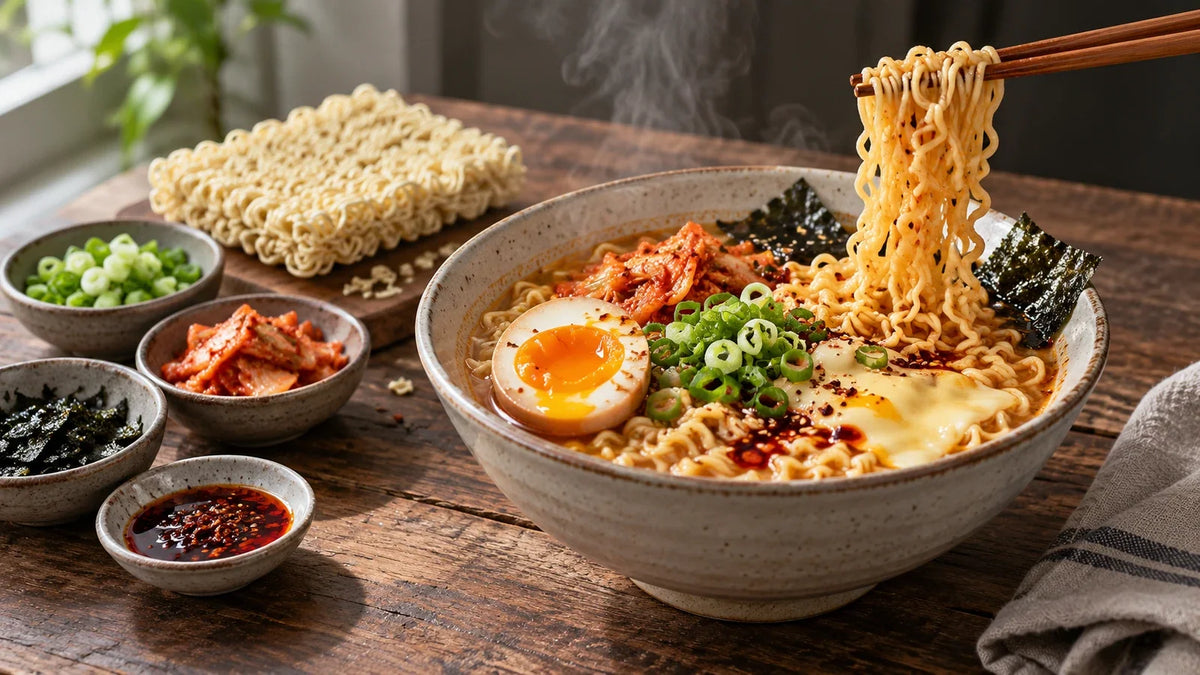
In Asia, instant noodles are not a last resort, but comfort food. In Korea, you eat a bowl of ramyeon late at night at the kitchen table or standing at a convenience store; in Indonesia, a plate of Indomie is a staple at the local warung; and in Japan, there is always a cup ready after a long day at work. It is the food of student rooms, night shifts and rainy evenings, and almost everyone has their own ritual: an egg in it, a spoonful of kimchi on the side, or an extra scoop of sambal. In our toko in Amsterdam, the shelves are packed with packages from all over Asia. Here you will find the difference between a cup and a package, which brands are available in each country, and how to turn a quick bowl into something you will really want to sit down for with just a few toppings.
What exactly are instant noodles?
Instant noodles are noodles that are pre-cooked and then dried at the factory, often by briefly frying them, so you can have them ready at home in a few minutes. There are two types: noodles in soup, such as Korean ramyeon and Thai tom yum, and dry noodles that you drain and mix with sauce, such as mi goreng and Buldak. You can find them all in the instant noodles collection; read more about fresh and dried noodles in Asian Noodles 101.
What is the difference between cup noodles and a package of instant noodles?
The main difference between cup noodles and a package of instant noodles is how they are prepared: you pour boiling water over a cup and let it sit, while you cook a package in a pan for a few minutes. The rest follows. Below you will find the same brand, first the package and then the cup.
 Shin Ramyun package · 120 gCook in a pan, with room for an egg and vegetables
 Shin Cup cup · 68 gThe same spicy soup, pour over and wait
 Jin Ramen Mild package · 120 gMild ramyeon for a full bowl
 Jin Ramen Mild Cup cup · 65 gThe small version for your desk
 Indomie Mi Goreng package · 80 gDry noodles with kecap, sambal and fried shallots
 Mi Goreng Cup cup · 70 gPour water over, drain, mix in the sauce
 Buldak Carbo package · 130 gCreamy and spicy, from the pan or wok
 Buldak Carbo Cup cup · 80 gThe same sauce in a handy cup
Preparation: pour over or cook
With a cup, you open the lid halfway, add the sachets, pour in boiling water up to the line, and wait a few minutes. You cook a package in a saucepan, usually for three to five minutes. For dry variants, you drain the water before adding the sauce, also with the cup. Follow the times on the packaging, as they differ by brand.
Noodles and texture
Because cup noodles are only cooked by hot water, they are usually thinner and airier: they soften quickly, but with less bite. Package noodles are often thicker and get that springy texture that ramyeon is known for in the boiling pan.
Quantity and packaging
When do you choose what?
A cup is for places without a stove, such as the office or the train. A package is for home, when you crack an egg in it and finish the bowl with kimchi or chili oil.
Instant noodles by country: which brands should you choose?
Instant noodles taste different by country because each country puts its own soup or sauce in the packet. These are the brands we really have on the shelf: the Korean, Japanese and Indonesian packages from Nongshim, Samyang, Nissin and Indomie that you also see lying in the supermarket.
Korea: ramyeon
 Shin Ramyun Black Nongshim · 신라면Spicy soup with an extra packet of broth
 Neoguri Mild Nongshim · 너구리Thick, chewy noodles in seafood broth
 Chapagetti Nongshim · jjajangDry noodles with black bean sauce
 Jin Ramen Spicy Ottogi · 진라면Round and spicy, a nice base for toppings
 Buldak Cheese Samyang · 불닭Stir-fried spicy noodles with cheese sauce
 Bibim Men Paldo · 비빔면Rinsed cold, with sweet and spicy sauce
Japan: ramen, udon and yakisoba
 Black Garlic Tonkotsu Nissin · とんこつRomige bouillon met zwarte-knoflookolie
 Hokkaido Miso Tonkotsu Nissin · 味噌Miso en varkensbouillon in één kom
 Miso Ramen Hikari · 味噌ラーメンRamen in restaurantstijl van een misomaker
 Shoyu Ramen Miyakoichi · 醤油Voorgekookte noedels met sojasausbouillon
 Instant Yakisoba Otafuku · 焼きそばGebakken noedels met zoetkruidige saus
Indonesië: Indomie en mi goreng
Mi Goreng IndomieDe klassieker: droog, zoet en hartig Mi Goreng Pedas IndomieDezelfde mie met meer pit
 Chicken Special Indomie · soepKippensoep met noedels
 Hot Semur Chicken ABC · pedasPittige mi goreng met semursmaak
 Soto Ayam Cup Nivo FoodsGele kippensoep in een beker
Thailand en Vietnam: tom yum en pho
 Shrimp Tom Yum MAMA · ต้มยำZuur, pittig en geurig
 Tom Yum Creamy MAMARomiger en zachter van smaak
 Pad Kee Mao MAMA · droogGewokte noedels met een kruidige saus
 Panda Shrimp Thai TempleEenvoudige garnalensoep met noedels
 Pho Bo Cung Dinh · phởRijstnoedels met runderbouillon
 Pho Bo MAMAInstant pho van het Thaise merk
China, Hongkong en Taiwan
 Sichuan Spicy Beef Sau Tao · 四川Spicy with tingling Sichuan pepper
 Chongqing Sweet Potato Guangyou · 酸辣粉Glass noodles in spicy, sour soup
 Luosifen Luobawang · 螺蛳粉Rice noodles with sour bamboo, for the connoisseur
 E-Fu Noodle Sau Tao · 伊面Fried egg noodles with crab and scallops
 Sesame Oil Nissin · 麻油Soft soup with sesame oil
 Taiwan Beef Wei Lih · 5 packagesBeef broth from Taiwan
Malaysia, Singapore and the Philippines
 Laksa La Mian Prima Taste · SingaporeCoconut, spices and firm noodles
 Curry La Mian Prima Taste · SingaporeCreamy curry soup
 Mi Goreng Original Ibumie · MalaysiaDry mi goreng the Malaysian way
 Pancit Canton Calamansi Lucky Me! · PhilippinesFried noodles with calamansi
How spicy are instant noodles? From mild to quite spicy
Instant noodles range from not spicy at all to downright hot, and words like spicy, hot or pedas on the package say a lot. We haven't measured it, so consider this a rough order from mild to quite spicy, based on what the makers put on the packaging.
-
 Indomie Mi Goreng: not spicy, sweet and savory.
-
 Nongshim Ansungtangmyun: a warm, round soup with a hint of spice.
-
 MAMA Shrimp Tom Yum: lightly spicy, especially sour and aromatic.
-
 Nongshim Shin Ramyun: really spicy but manageable.
-
 Samyang Carbo: Buldak sauce, softened with a creamy carbonara flavor.
-
 Samyang Hot Chicken Ramen 2x Spicy: the double spicy Buldak, only if you know what you're getting into.
-
 Nongshim Shin Red Super Spicy Cup: small, but one of the fiercest on our shelf, just like Bon Cabe Ramen Spicy.
Too hot? A slice of cheese, a spoonful of Kewpie or a poached egg through the soup makes it milder.
What toppings do you put on instant noodles?
The best toppings for instant noodles are an egg, something sour like kimchi, something crunchy like fried shallots, something spicy like chili crisp and something green. That's the difference between a quick bowl and a bowl that makes you happy. Two or three toppings that suit your noodles are enough.
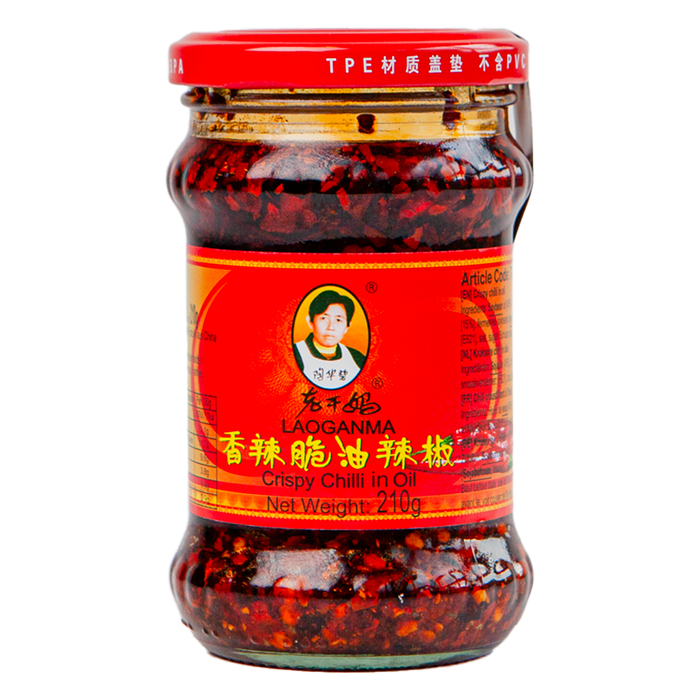
 Chili crisp Lao Gan Ma · 老干妈Crispy chili in oil, on almost anything
 Nori Jhfoods · 海苔A sheet on the edge of your bowl
 Fried shallots Kokki Djawa · fried shallotsCrispy and sweet, for mi goreng
 Kimchi HoSan · 김치Sour and fresh against a fatty soup
 Luncheon meat Ma Ling · 午餐肉Fried slices, like in Hong Kong
 Kewpie キユーピー · mayonnaiseCreamy, for spicy dry noodles
 Furikake Tanaka · ふりかけSprinkles of nori, egg and sesame
 Sesame seeds Kuki · 胡麻Roasted, for a nutty finish
Egg: soft, fried or through the soup
Seaweed and furikake
Nori Tamago TanakaNori with egg pieces, for every bowl Garlic Chilli Oil UrashimaGarlic and chili, nice on ramyeon
 Curry Furikake UrashimaCurry flavor, tasty on curry udon
Kimchi and pickled
Jongga Mat Kimchi next to a bowl of spicy ramyeon is very common in Korea: the sour freshness cuts through the fatty soup. Lay it next to it cold, or fry it briefly in some oil so it becomes softer and sweeter. Pickled vegetables work just as well with Chinese and Japanese noodles.
- Jongga Stir Fried Kimchi: already fried, immediately ready for the bowl.
-
 Fu Xing Bamboo Shoot Strips: fry briefly with soy sauce, mirin and sesame oil, and you have something that comes close to menma, the seasoned bamboo on ramen.
-
 Yuquan Zhacai: salty pickled mustard stem, delicious in a simple noodle soup.
-
 Thai Dancer Pickled Ginger: sweet and sour ginger for a fresh bite. Beni shoga, the red ginger of yakisoba, you find at Tencho Beni Shoga.
Meat and fish
-
 O'food Luncheon Meat: the same idea, fried in slices on ramyeon or Indomie.
-
 Epic Surimi Crab Sticks: poach in the last minute, nice in seafood ramyeon.
-
 Katsuobushi: thin bonito flakes that move on a warm bowl, especially on yakisoba and udon.
-
 Kung Fu Frozen Beef Slices: lay raw on the boiling soup, cooked in half a minute.
Dumplings and rice cakes
Crispy: shallots, garlic and sesame
Heat and oil: chili crisp, rayu, shichimi and sesame oil
 Peanuts Chilli Oil Lao Gan MaWith whole peanuts for extra crunch
 Crispy Chilli Oil Chilli ChansCrunchy chili oil from another brand
 La Yu S&B · ラー油Japanese chili oil, just a few drops
 Nanami Togarashi S&B · 七味Japanese seven-spice blend for ramen and udon
 Gochugaru Nongshim · 고춧가루Korean chili flakes, sweet and warming
 Gochujang Sempio · 고추장A spoonful gives the soup more depth and heat
Sesame oil is a finishing oil, not a cooking oil: add a few drops to the bowl just before eating to preserve its roasted aroma. Choose Kadoya Pure Sesame Oil for shoyu ramen, Ottogi Sesame Oil for ramyeon or Lee Kum Kee Pure Sesame Oil for Chinese noodle soup.
Creamy: Kewpie and a slice of cheese
Vegetables: scallions, bok choy, bean sprouts and corn
Toppings voor je instant noedels
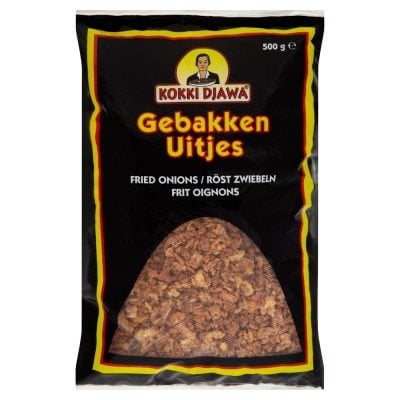
Kokki Djawa Fried Onions
View product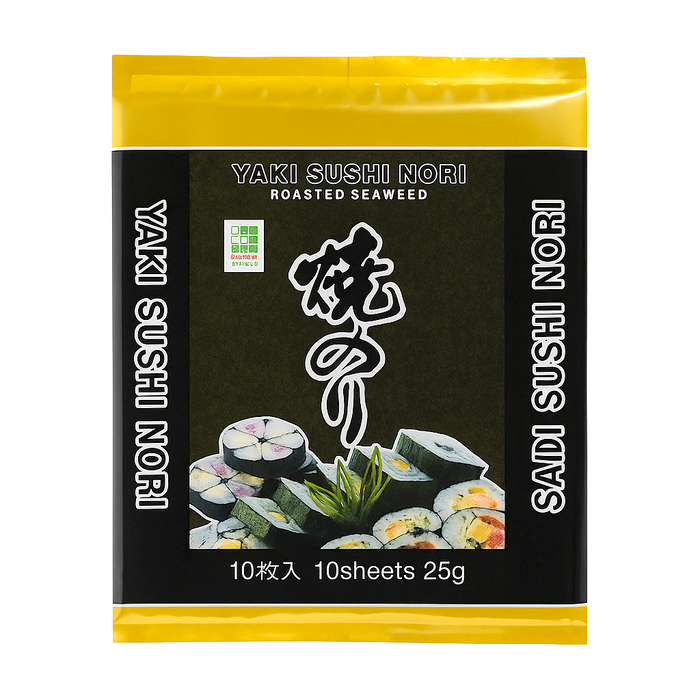
Jhfoods Yaki Nori Roasted Seaweed Gold
View product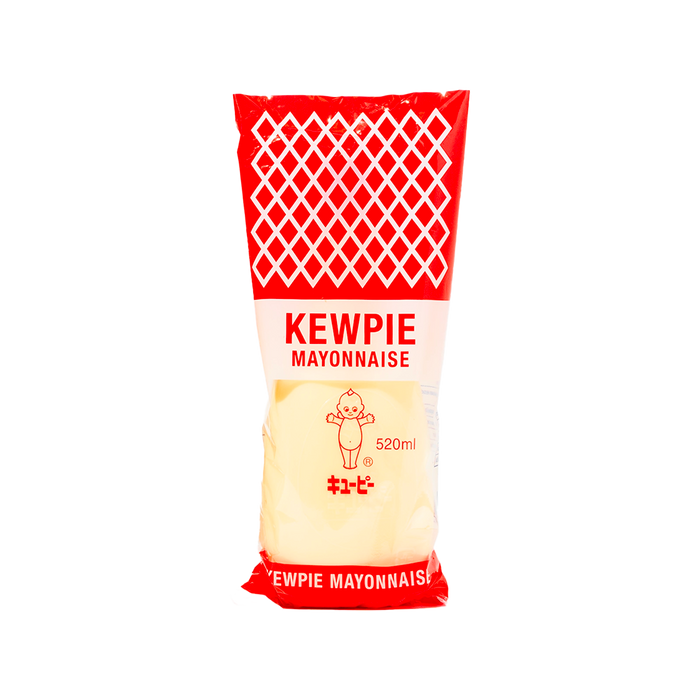
Kewpie Japanese Mayonnaise
View product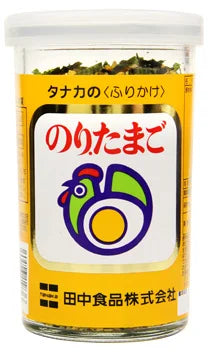
Tanaka Furikake Nori Tamago
View product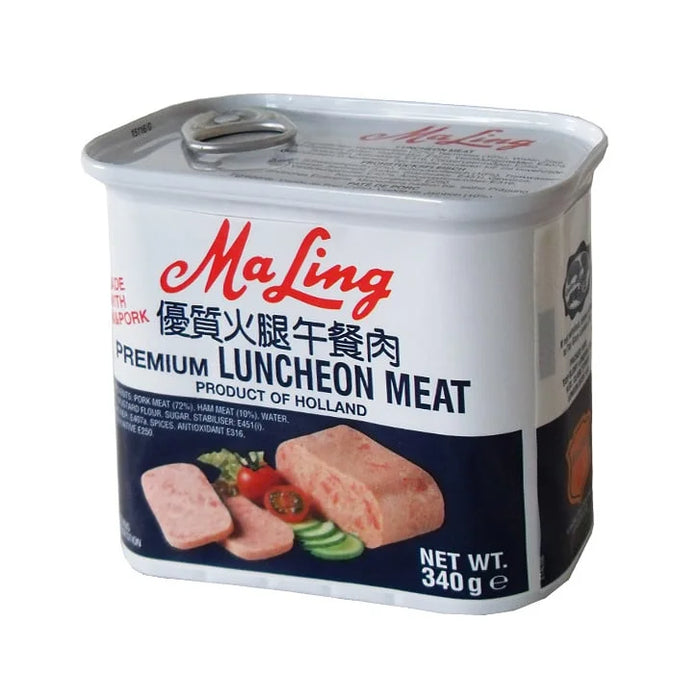
Ma Ling Premium Luncheon Meat
View product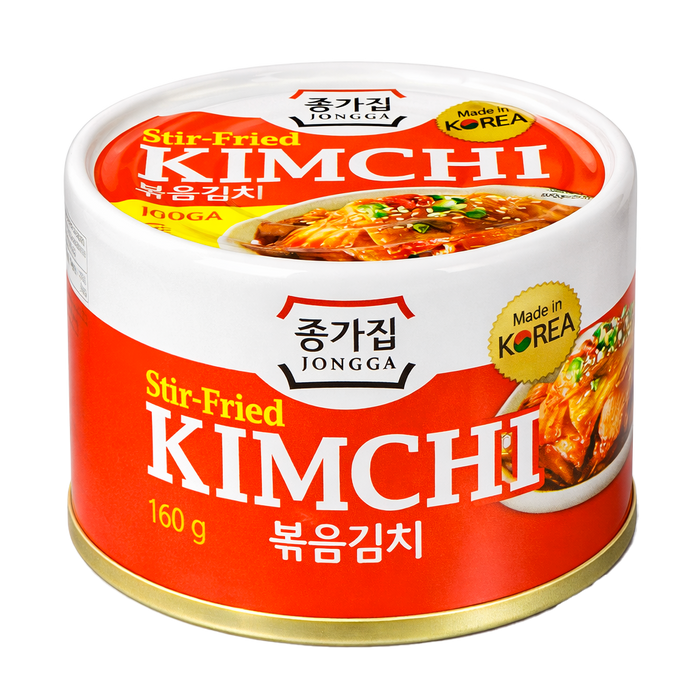
Jongga Stir Fried Kimchi
View product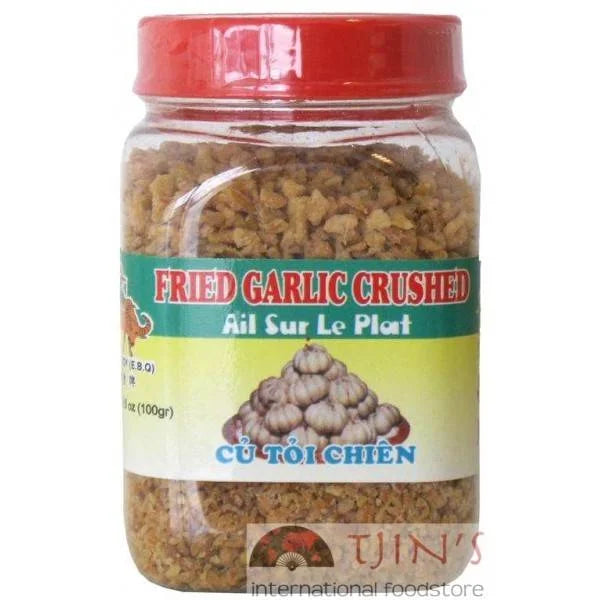
Asian Boy Fried Garlic
View product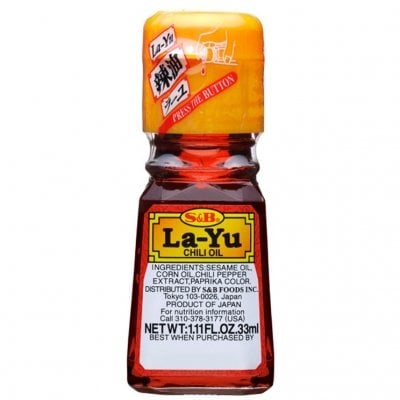
S&B La Yu Oil
View productHow to upgrade instant noodles in 5 minutes
Upgrade instant noodles by pairing one packet with two or three toppings that suit the flavor. Three combinations that always work:
Korean ramyeon with egg, kimchi and cheese

Indomie mi goreng with fried egg and bawang goreng
Prepare Indomie Mi Goreng according to the packet and top it with a fried egg with crispy edges. Add a generous handful of fried onions, a spoonful of Lao Gan Ma and a few slices of cucumber on the side.
Japanese shoyu ramen with nori, bamboo shoots and sesame

Recipes with instant noodles
Instant noodles take center stage in caan daan min; the other recipes are the authentic versions of flavors you know from a packet.


Which instant noodles should you try first?
Start with packets from different countries to taste how different they are: Korean ramyeon, Indonesian mi goreng, Thai tom yum and Japanese tonkotsu.
Not sure? Pick up Shin Ramyun Black, Indomie Mi Goreng, a jar of Lao Gan Ma Crispy Chilli Oil and a bag of fried onions. Then you’ll have a spicy soup, dry noodles and two toppings that go with almost anything; you can get the egg from the fridge.
Instant noedels om mee te beginnen
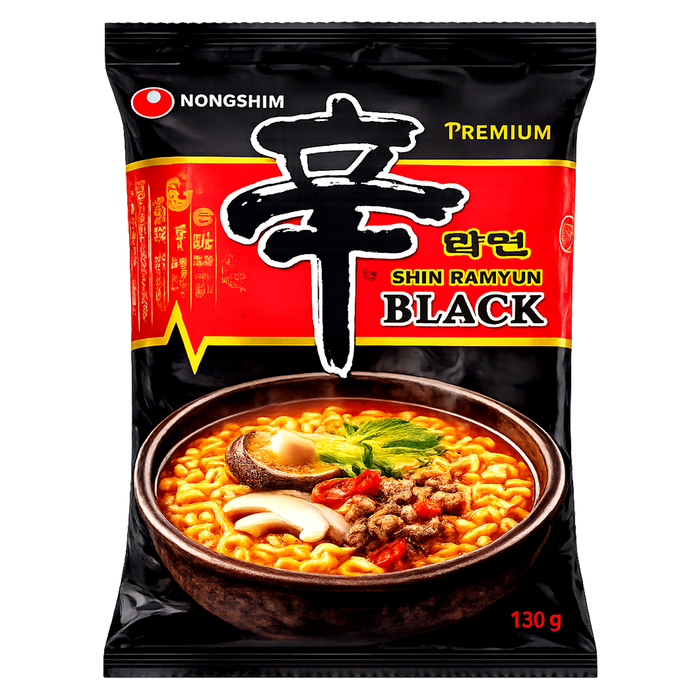
Nongshim Shin Ramyun Black
View product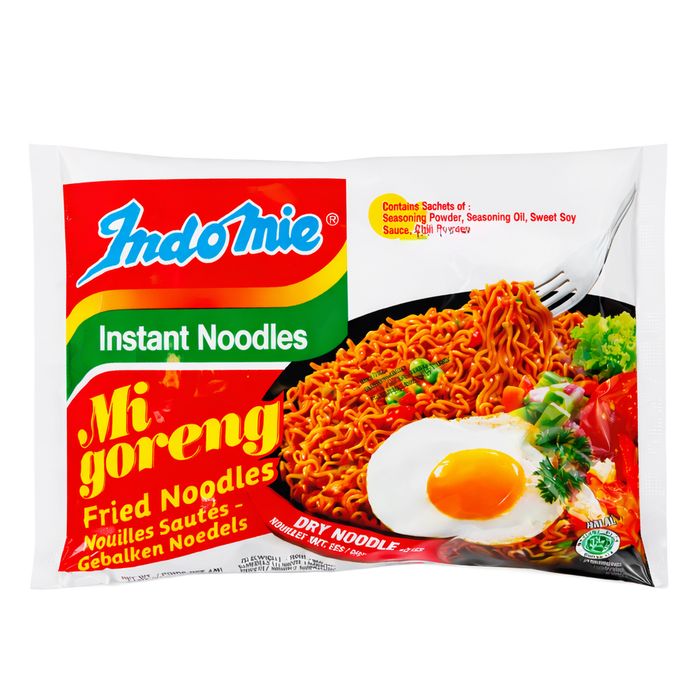
Indomie Instant Noodles Mi Goreng
View product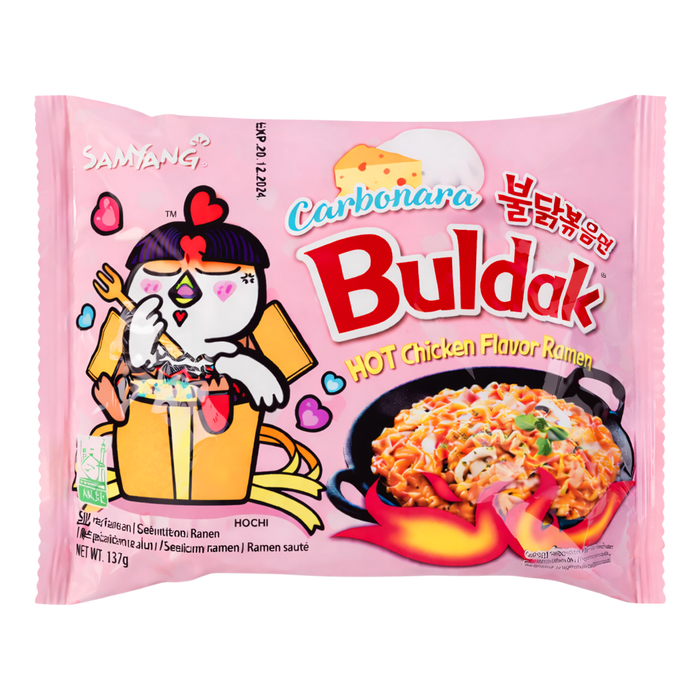
Samyang Carbo Hot Chicken Flavor Ramen
View product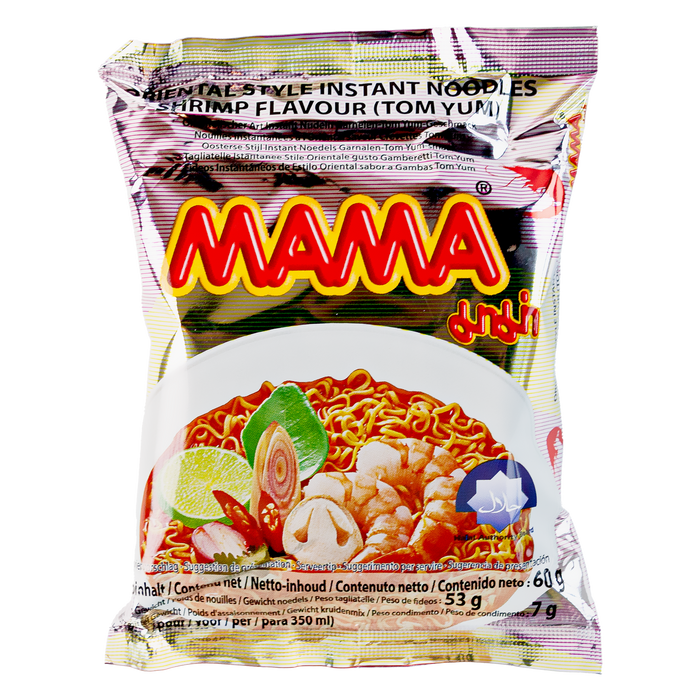
MAMA Shrimp (Tom Yum) Flavor
View product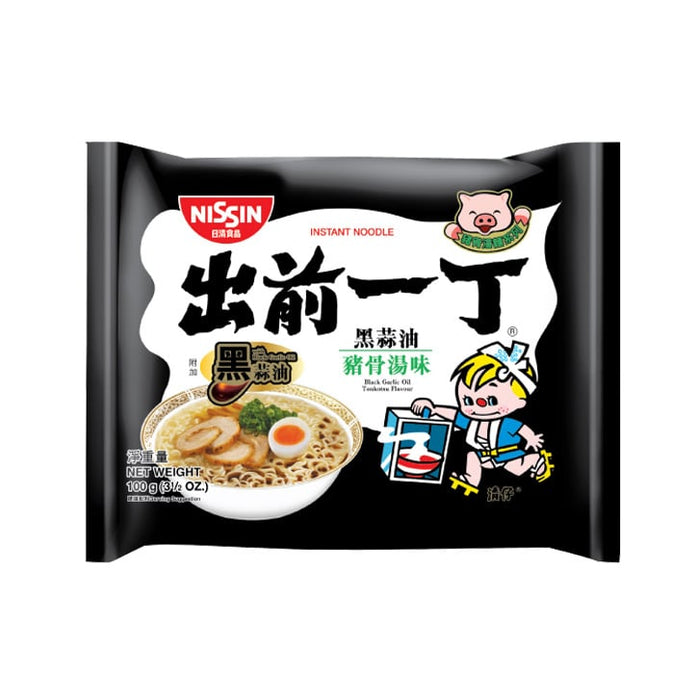
Nissin Black Garlic Tonkotsu Ramen
View product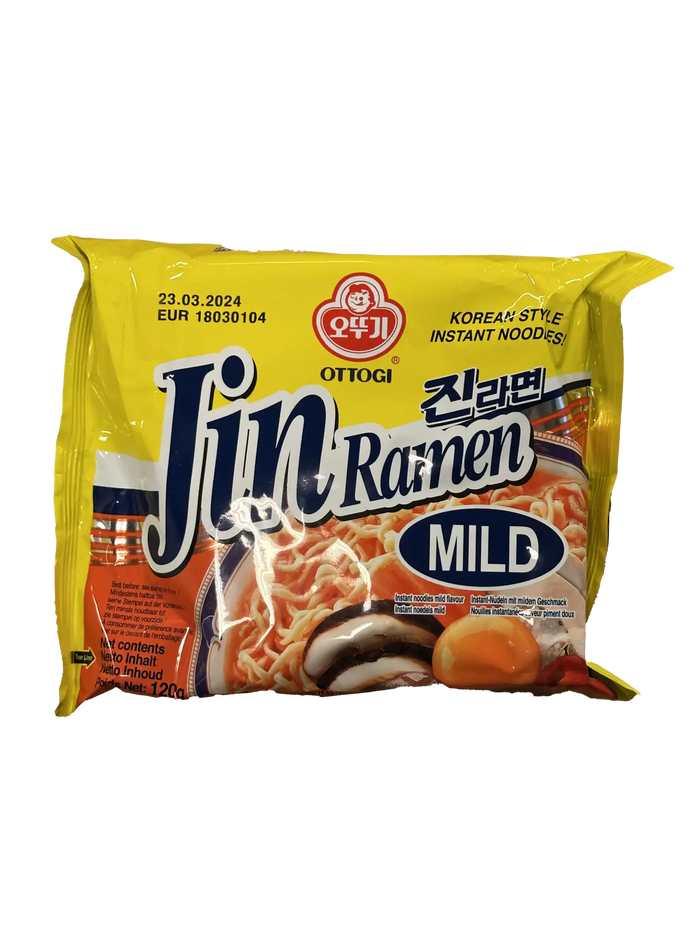
Ottogi Jin Ramen Mild
View productAll instant noodles in one place
Ramyeon, mi goreng, tom yum and more, in cups and packets from across Asia.
Frequently asked questions
Are cup noodles the same as instant noodles?
Yes, cup noodles are instant noodles in a cup. You pour boiling water over them instead of cooking them, and the noodles are usually thinner.
How long should instant noodles cook?
Usually three to five minutes; check the package. Cook them for a minute less if you’re adding toppings to cook along with them.
What is the difference between ramen and ramyeon?
Ramen is the Japanese noodle dish, fresh or instant. Ramyeon is the Korean word and there almost always means instant noodles.
What toppings go well with instant ramen?
A soft-boiled egg, nori, spring onion, sesame seeds and a few drops of sesame oil or rayu. Kimchi, a slice of cheese and gochugaru go well with Korean ramyeon.
How do you make a soft egg for ramen?
Boil the egg for six to seven minutes and place it in cold water immediately. A night in soy sauce with mirin turns it into a ramen egg.
Which instant noodles are not spicy?
Indomie Mi Goreng, Nongshim Neoguri Mild, Ottogi Jin Ramen Mild and most Japanese tonkotsu and miso varieties. Look out for words like spicy, hot or pedas.
A packet of instant noodles never has to be boring, because with an egg from the fridge, a spoonful of that chili crisp jar that's already open and a handful of fried onions you can make a bowl in a few minutes that you'll really want to sit down for. If you're hesitating over the noodle shelf at the toko in Amsterdam, feel free to ask us what we put in our bowl. If you want to learn more about fresh and dried noodles, read Asian Noodles 101, or go to Japanese Noodles for ramen, udon and soba.

