


Japanese noodles: ramen, udon, soba and somen explained
Udon is voorgekookt, gedroogd of diepvries
Classic udon dishes
- Kake udon: the simplest bowl, udon in hot dashi with soy sauce and mirin and some scallions.
- Kitsune udon: kake udon with a slice of sweet braised fried tofu on top. Kitsune means fox.
- Tempura udon: with a few pieces of shrimp or vegetable tempura on top. Read more about the batter in Tempura vs panko.
- Zaru udon: cold udon on a bamboo mat, with a small bowl of cold tsuyu for dipping.
- Yaki udon: udon fried in the wok with cabbage, onion and strips of pork belly or chicken.
-
 Curry udon: udon in a thick Japanese curry broth, with Ebara Petit Curry Udon ready in no time.
Broth for udon: dashi and tsuyu
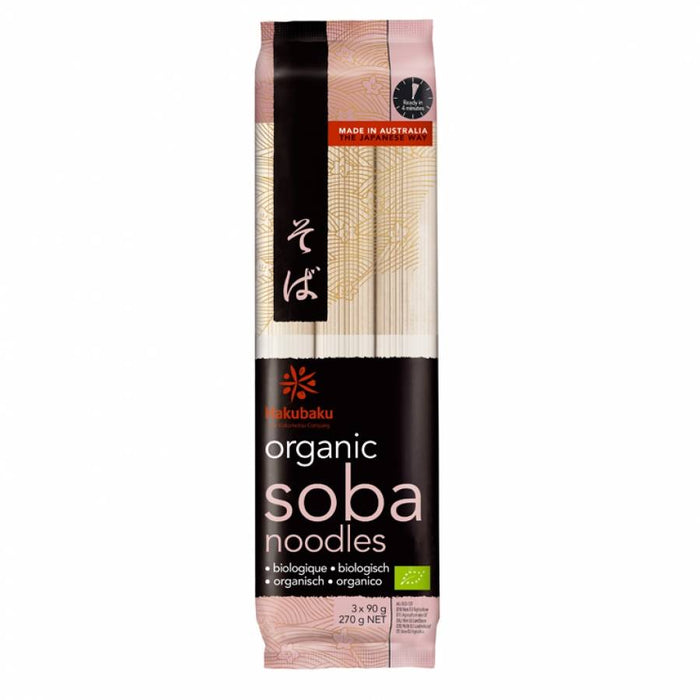
What is soba?
Pay attention if you eat gluten-free: most dried soba also contains wheat, and soba is only gluten-free if the label says so.
Zaru soba and kake soba
What is somen, and what is hiyamugi?
And hiyamugi?
Hiyamugi is a Japanese wheat noodle that is just a bit thicker than somen and thinner than udon, and you eat it just the same. We don't sell hiyamugi, but somen is a great substitute.
What is the difference between ramen, udon and soba?
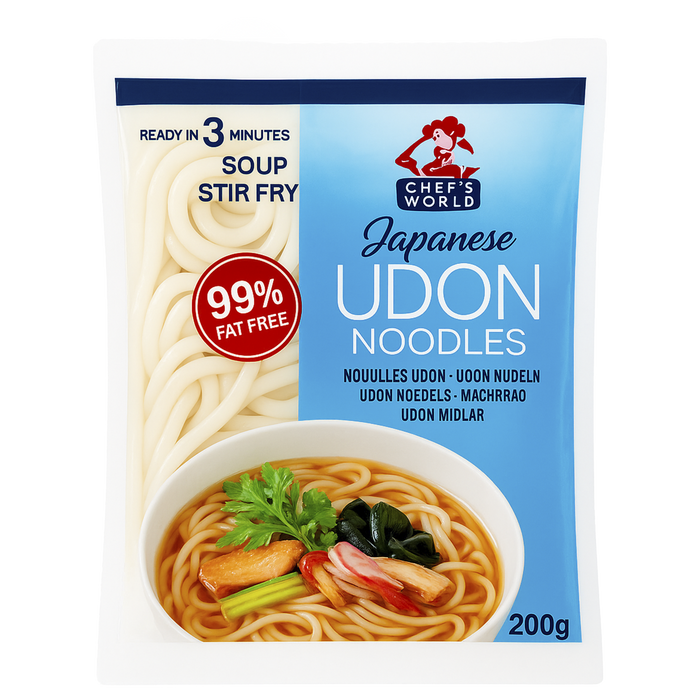
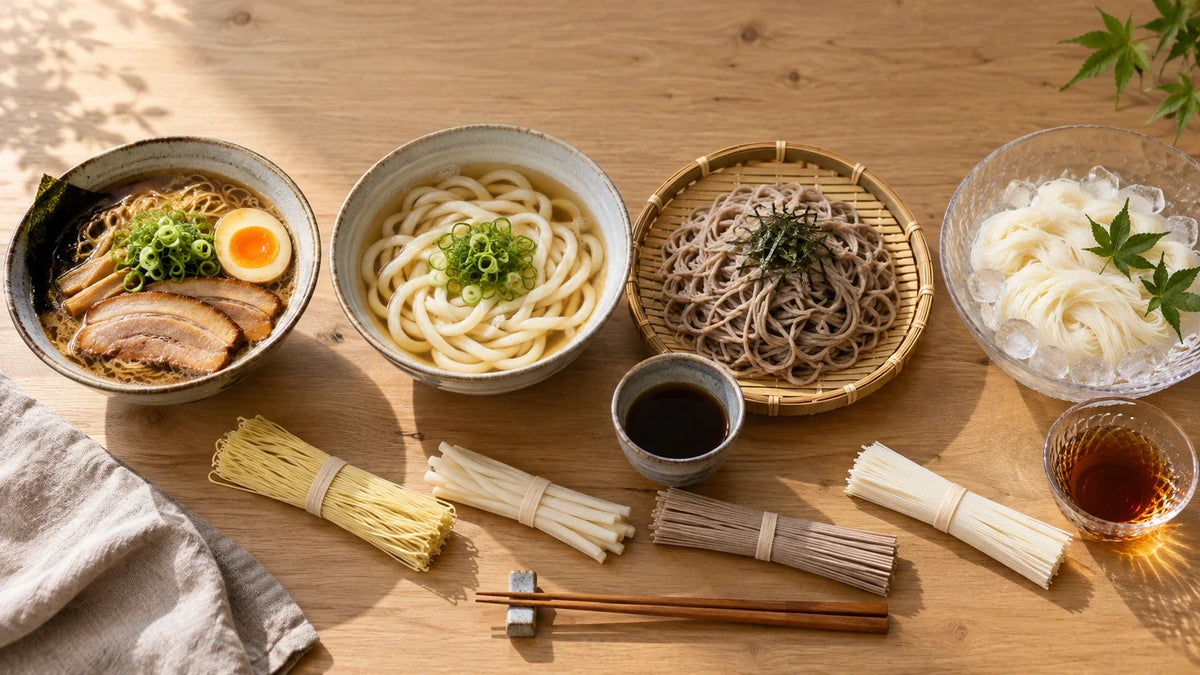
Ramen is a springy yellow wheat noodle made with kansui, udon a thick white wheat noodle made of only flour, salt and water, and soba a thin noodle of buckwheat. Ramen belongs in a powerful broth, udon and soba in light dashi or cold with tsuyu, and somen is a much thinner cousin of udon.
Is yakisoba made of soba?
How do you cook Japanese noodles?
You cook Japanese noodles in a large pan with plenty of boiling water, without salt, and always separately from the broth, so that the starch that comes off does not make your soup cloudy and thick. Follow the cooking time on the package, because it differs greatly by thickness and by brand, and preferably taste a minute early, because noodles in hot soup still cook through.
After cooking, you rinse soba, somen and dried udon well under cold running water, with your hands through it, so that the loose starch comes off, they do not stick together and get their firm bite; for a warm bowl you then dip them in hot water for a moment. Ramen you do not rinse: you drain it well and put it straight in the bowl, and precooked udon can go straight from the package into the wok for yaki udon, if you carefully loosen the strands.
Not sure which noodle to get first? Then start with a package of precooked udon and a bottle of Kikkoman Hon Tsuyu, because with that you make both a warm bowl of kake udon and cold noodles with dipping sauce. It is the same bottle that is in the refrigerator of many people's homes in Japan.
Japanse noedels voor je voorraadkast
Hakubaku Organic Soba Noodles
View product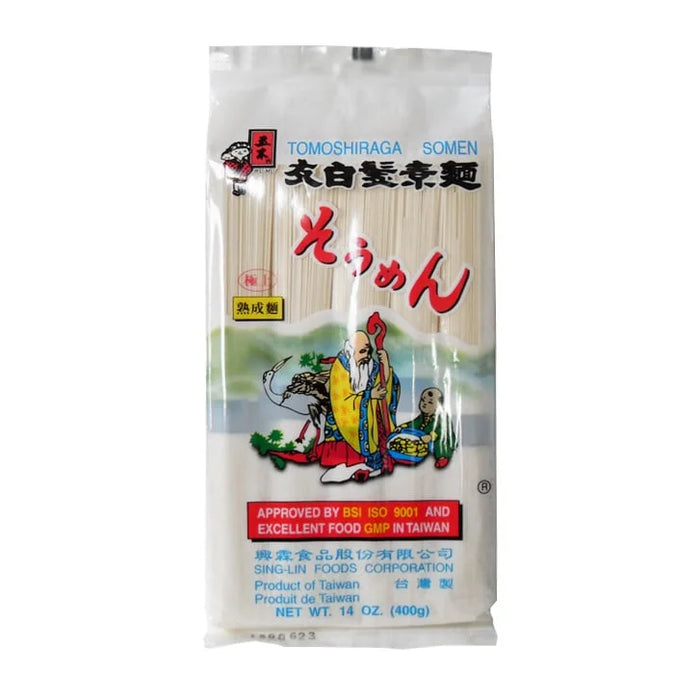
Wu-Mu Tomoshiraga Somen
View product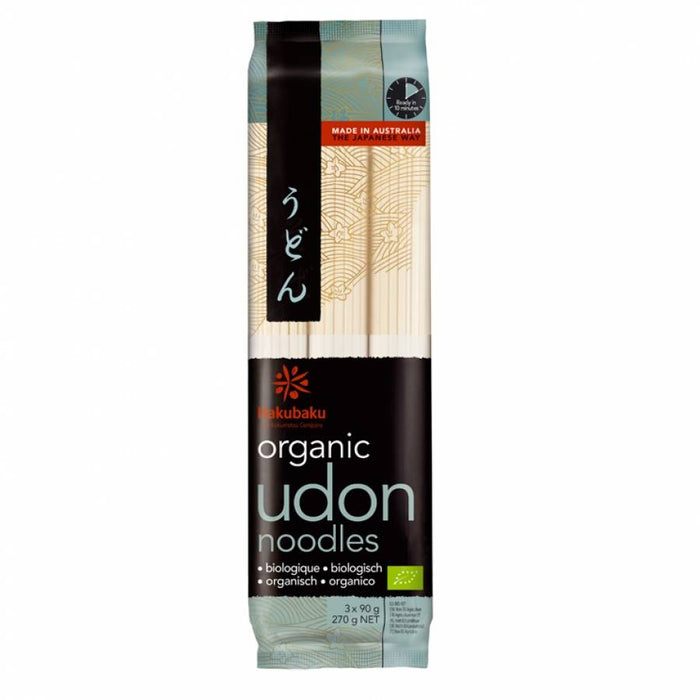
Hakubaku Organic Udon Noodles
View product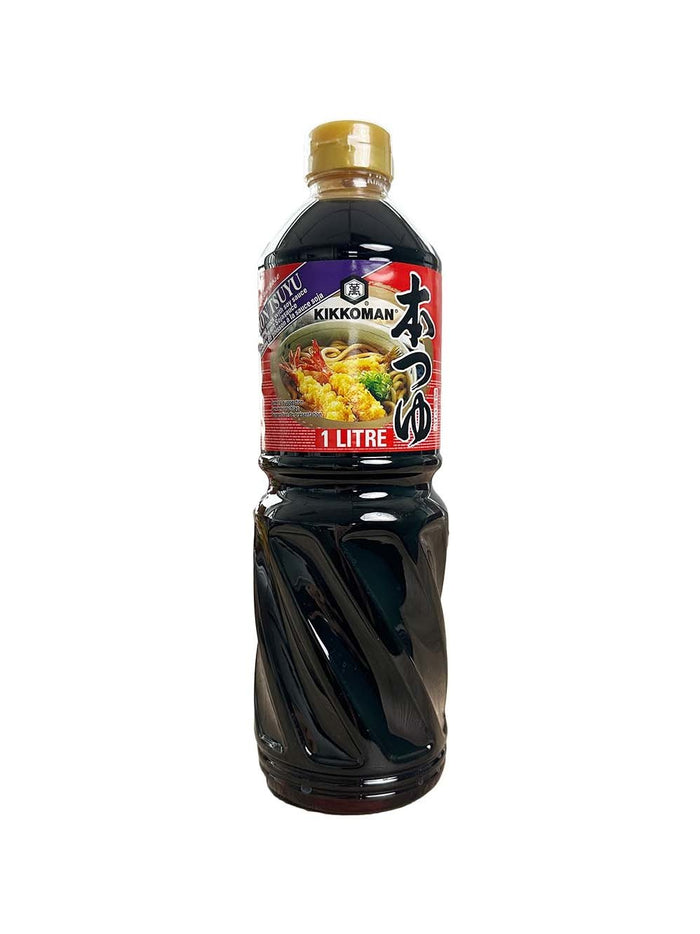
Kikkoman Hon Tsuyu
View product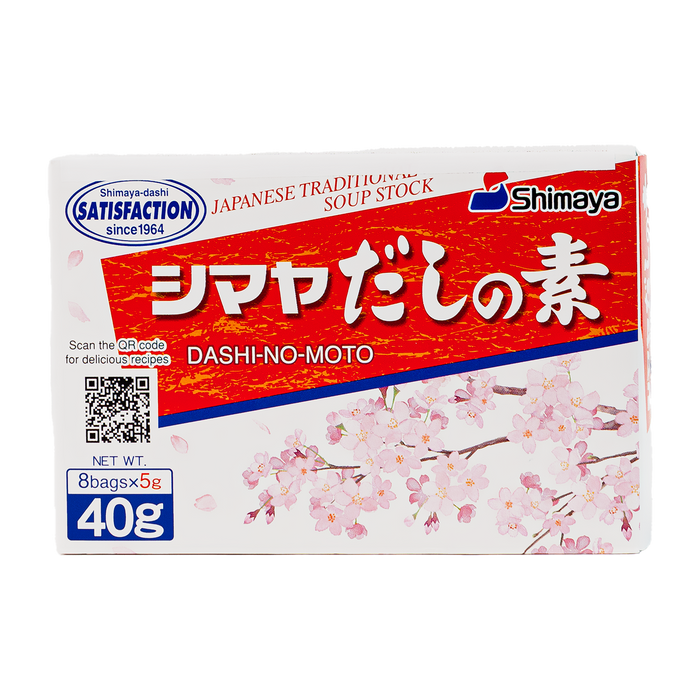
Shimaya Dashi No Moto
View productRecipes with Japanese noodles
With this you make the noodles, the broth and the toppings.


Ichiban dashi with a dash of soy sauce and mirin is the broth for kake udon, and with tempura on top you have tempura udon. Step by step they are in our recipes for kake udon, yaki udon, zaru soba, hiyashi somen, shoyu ramen and the ramen egg.
All Japanese noodles in one place
Ramen, udon, soba and somen, plus the tsuyu and broths that go with them.
Frequently asked questions
What is the difference between udon and ramen?
Both are made of wheat, but ramen is made with kansui, making the noodle yellow and springy. Udon is thick, white and soft.
Is soba gluten-free?
Not always. Most dried soba contains wheat flour besides buckwheat, so soba is only gluten-free if the label clearly states it.
Do you eat soba hot or cold?
Both. Cold as zaru soba with a dipping sauce of tsuyu, hot as kake soba in a bowl of hot broth.
What is tsuyu?
Tsuyu is a Japanese sauce of dashi, soy sauce and mirin. You dilute it with cold water as a dipping sauce for soba, udon and somen, or with hot water as a broth.
Do you rinse udon?
Dried udon you rinse after cooking with cold water, so that the starch comes off and the noodles do not stick together.
How do you store precooked udon?
That differs per brand, so follow what is on the label. An opened package of precooked udon you best use up immediately.
Japanese noodles never have to be complicated, because with a few packages in the cupboard, a bottle of tsuyu and some dashi you make a warm bowl of udon one evening and put ice-cold soba on the table the next day. If you are still hesitating in the toko in Amsterdam, feel free to ask us, because we like to think along with you. For the other noodles from Asia read further in Asian noodles 101, and for the rest of the Japanese pantry, from soy sauce to furikake, you can always find your way in Japanese kitchen 101 or on our page Everything Japan.

