


Japanese Cuisine 101: Basic Ingredients, Dishes, and Where to Start
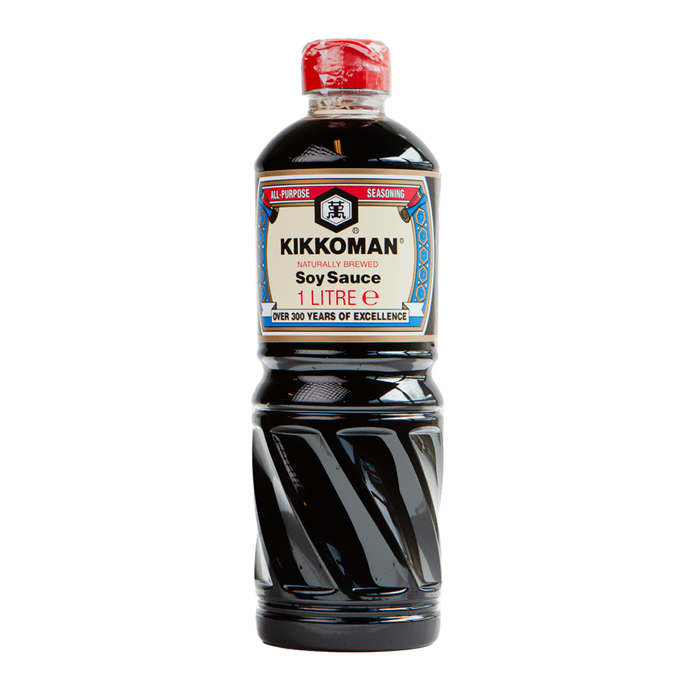
Japanese products have been on our shelves for longer than you might think. When our father took over our grandfather's toko in Amsterdam in the 1980s, he went looking for flavors from other cuisines, and so we became one of the first in the Netherlands to sell Japanese products, something that was unheard of at the time. Since then, we have helped customers find the miso for their soup, the nori for their first sushi, and the bottle of soy sauce that goes with everything. In this guide, you will learn what makes Japanese cuisine so distinctive, which basic ingredients you need, what dishes you can make with them, and where to start. The bottles and bags in our toko are the same ones you see in supermarkets in Japan, from brands such as Kikkoman, Mizkan, and Hikari.
What makes Japanese cuisine so distinctive?
Japanese cuisine revolves around four things: dashi, umami, seasonality, and simplicity. A dish often consists of just a few ingredients that are allowed to taste of what they are, with a broth and a handful of flavorings that deepen everything rather than overpowering it.
It starts with dashi, the clear broth made from kombu and katsuobushi that forms the base of miso soup, noodle soup, and stews. Dashi is the source of umami, the savory, rounded flavor that Japanese chemist Kikunae Ikeda discovered in 1908 when he investigated why kombu broth tastes so delicious. You can read how umami works and where else you can taste it in Umami: the fifth taste that makes everything better.
Japanese cooking also makes good use of the seasons. There is even a word for the time when an ingredient is at its best: shun. If you cook at home, you can simply follow suit by choosing what is in season at the market.
And then there is the way of seasoning. Japanese cooks follow the order sa-shi-su-se-so: first sugar (satō), then salt (shio), then vinegar (su), then soy sauce (shōyu, formerly written as seuyu), and finally miso. Soy sauce and miso, which lose their aroma quickly, are therefore added last.
The basic ingredients of Japanese cuisine
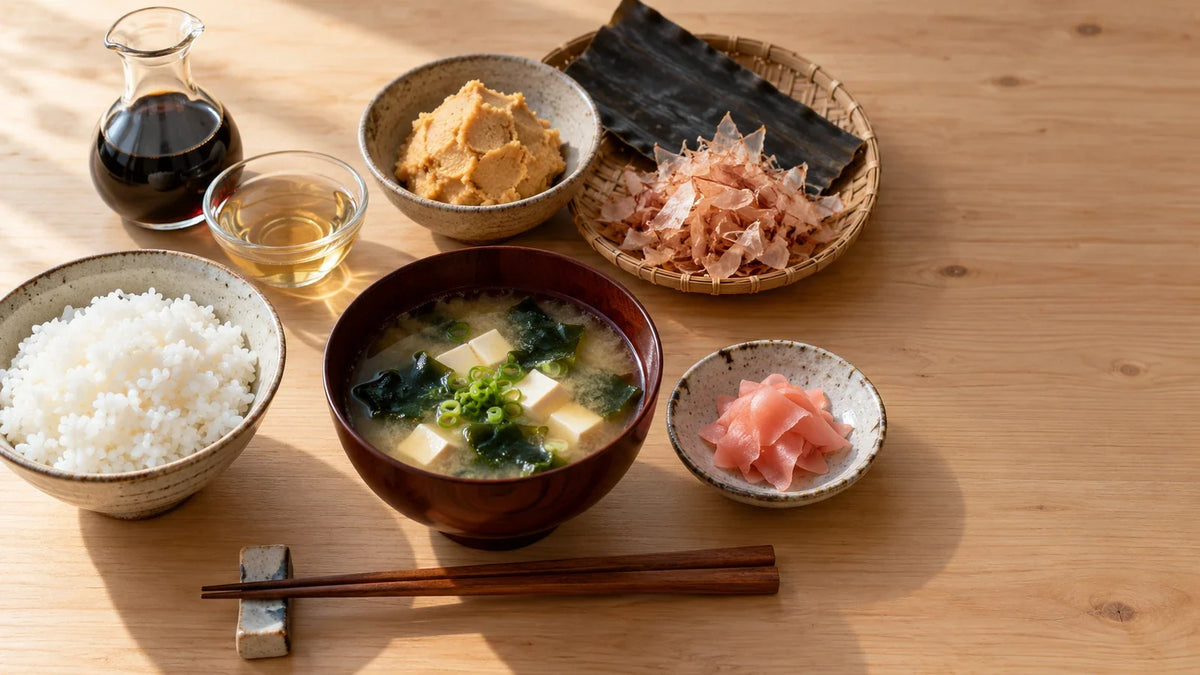
The basic ingredients of Japanese cuisine are soy sauce, mirin, sake, rice vinegar, dashi, miso, and short-grain rice, complemented by nori, sesame, panko, furikake, wasabi, and ponzu. Below you can see them at a glance, and underneath you can read what each ingredient does and which one to choose.
 Soy sauce 醤油Salty, rounded, and aromatic, the base of almost everything
 Mirin みりんSoft sweetness and shine in sauces and glazes
 Cooking sake 料理酒Depth in stews and marinades, removes fishy smells
 Rice vinegar 米酢Mildly sour for sushi rice, dressings, and pickles
 Dashi だしKombu and katsuobushi, the broth beneath everything
 Miso 味噌Fermented soybean paste, salty and full
 Japanese rice ご飯Short-grain, shiny, and slightly sticky
 Nori and seaweed 海苔For sushi, onigiri, and a bowl of miso soup
 Sesame ごまNutty, as oil, seeds, or creamy sauce
 Panko パン粉Large crumbs for a light, crispy crust
 Furikake ふりかけSeaweed and sesame seasoning for your rice
 Wasabi わさびSharp and fresh, with sushi and sashimi
 Ponzu and yuzu ポン酢Soy sauce with citrus, fresh as a dip and dressing
Soy sauce
Mirin
Sake and cooking sake
Rice vinegar
Dashi: kombu, katsuobushi, and dashi powder
Miso
Japanese rice and sushi rice
Nori and other seaweed
Sesame oil and sesame seeds
Panko
Furikake
Wasabi
Ponzu and yuzu
Typical Japanese dishes and cooking styles
Japanese cuisine consists of a few recognisable cooking styles, from the everyday combination of rice, soup and side dishes to noodles, rice bowls and dishes you eat together from one pot. With the basic ingredients above you can make them all at home.
Nabe: eating together from one pot
Easy Japanese recipes to get started with
Want to try the basics right away? These five dishes are easy to make, you only need a few ingredients for them, and together they show how much you can do with soy sauce, mirin, miso, dashi and sesame.
What do you need for a Japanese pantry?
If you're not sure where to start, start with these five: Kikkoman soy sauce, mirin, miso, dashi powder and a bag of Japanese rice. With that you can already make miso soup, gyu don, oyakodon and teriyaki, and rice vinegar, nori and sesame will follow naturally as soon as you feel like sushi or a fresh salad.
De basis voor je Japanse voorraadkast

Itamae Hon Mirin
View product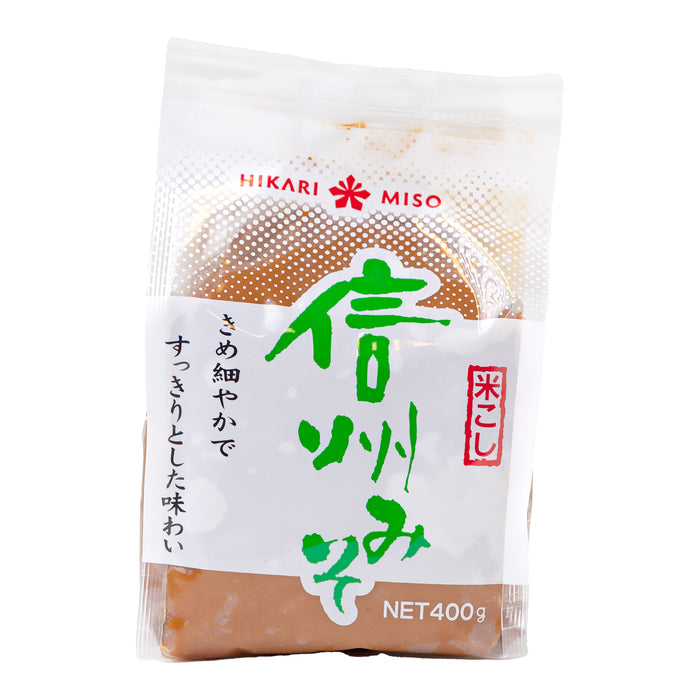
Hikari Shinshu Miso Paste
View product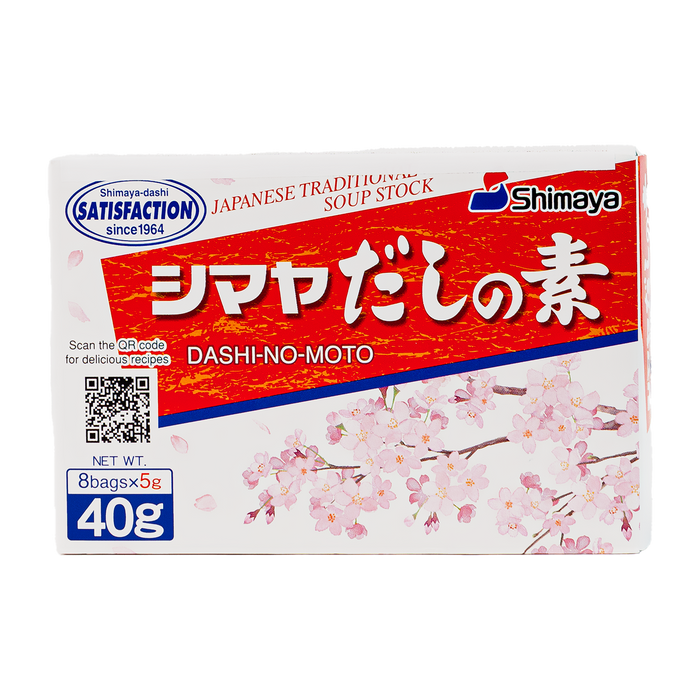
Shimaya Dashi No Moto
View product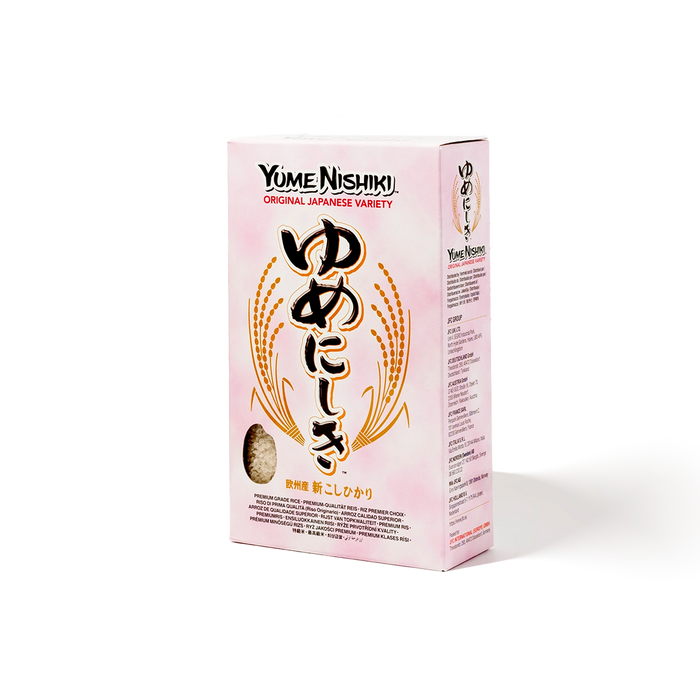
JFC Yume Nishiki Rice
View product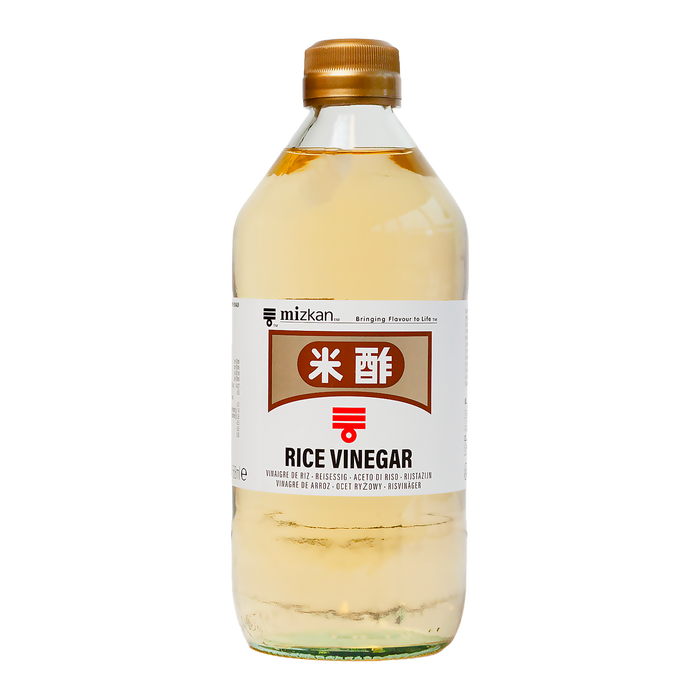
Mizkan Rice Vinegar
View productSoy sauce, rice vinegar and dashi powder can simply be kept in the cupboard after opening, but miso should be kept in the refrigerator after opening, and with mirin and ponzu it is best to follow the advice on the label. This way you have the same basic ingredients in your cupboard as a Japanese family. Want to see more? On our inspiration page Alles Japan you will find the entire range, from Japanese sauces and Japanese soy sauce to miso and broth and Japanese herbs and flavorings.
Frequently asked questions
What do you need at minimum to cook Japanese food?
With soy sauce, mirin, miso, dashi powder and short-grain Japanese rice you can already make many well-known dishes, such as miso soup, teriyaki and donburi. Rice vinegar, nori and sesame come along as soon as you want to make sushi or salads.
What is the difference between Japanese and Chinese soy sauce?
Japanese soy sauce is usually brewed with about as much wheat as soybeans and is therefore milder and more aromatic. Chinese light soy sauce is thinner and saltier, and in Chinese cuisine you also use dark soy sauce for color; read more about that in Chinese cuisine 101.
What can you replace mirin with?
A dash of sake with a little sugar comes closest. Mirin-like flavorings such as aji-mirin also work, although they are sweeter and less full-flavored.
What rice do you use for Japanese dishes?
You use short-grain Japanese rice, often sold as sushi rice. After cooking it becomes shiny and slightly sticky, and that is exactly what you need for sushi, onigiri and donburi.
Is dashi vegetarian?
Classic dashi is not, because it contains katsuobushi, dried and smoked fish. Dashi made from only kombu or dried shiitake is plant-based; always check the label of dashi powder.
Is wasabi from a tube real wasabi?
Usually not entirely. Real wasabi is difficult to get fresh outside Japan, so wasabi from a tube or can often also contains horseradish and mustard; you can see the composition on the label.
Is Japanese cooking difficult?
No, many Japanese dishes are actually simple and quick. The difference is mainly in a good broth and the right base, and with dashi, soy sauce and mirin in the house you can already get very far.
You don't learn Japanese cooking in one evening, but step by step, with a pan of dashi, a good bottle of soy sauce and a bowl of rice that turned out just right. Start with a simple miso soup or a donburi, try out what mirin and miso can do with a dish along the way, and you will naturally notice that that calm, deep flavor is less far away than you thought. And if you get stuck, feel free to walk in to see us in Amsterdam or ask your question, because we love helping you get started just as much as we did in the eighties, when the first Japanese products came onto our shelves.

