


Ponzu 101: What Is Ponzu and How Do You Use It?
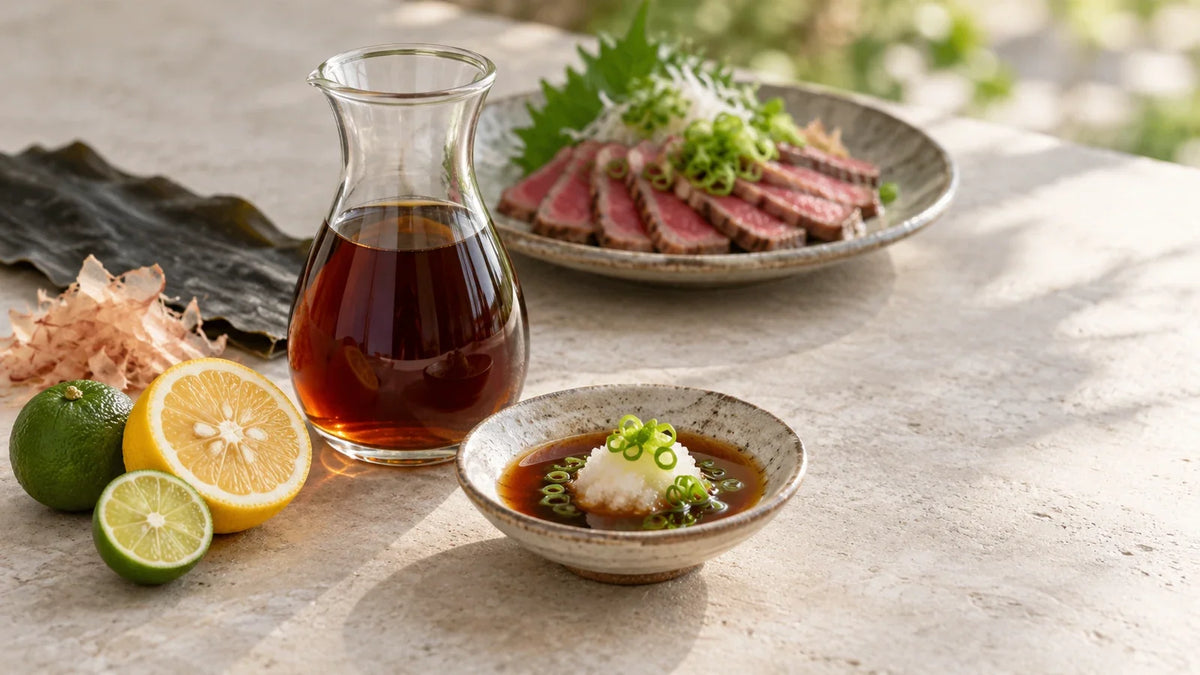
There is a row of bottles on our shelf that look like soy sauce at first glance, but as soon as you open one, you smell citrus. That is ponzu, the fresh, tangy sauce you dip your shabu-shabu, gyoza and grilled fish in in Japan. Because yuzu is often on the label, ponzu is sometimes confused with yuzu, and that is why we explain in this guide what ponzu exactly is, what types there are and how to use or make it yourself at home. You can find the bigger picture of the Japanese pantry in Japanese Kitchen 101.
What is ponzu?
Strictly speaking, ponzu is the sour base of citrus juice and vinegar, and the version with soy sauce is called ponzu shoyu in Japan. In practice, and also on most bottles, everyone means the variant with soy by ponzu. The name has a Dutch touch by the way: the word pon is traced back to the Dutch pons, a drink with citrus, and zu means vinegar.
What is the difference between yuzu and ponzu?
Types of ponzu at a glance
Ponzu differs mainly in the citrus that is in it: regular lemon ponzu is the most neutral, yuzu ponzu is more fragrant and sudachi gives a sharper, greener freshness. In addition, there are versions with dashi, with sesame and without soy sauce. The bottles in our toko are the same ones you see in the supermarket in Japan, from brands like Kikkoman, Mizkan, Daisho and Otafuku.
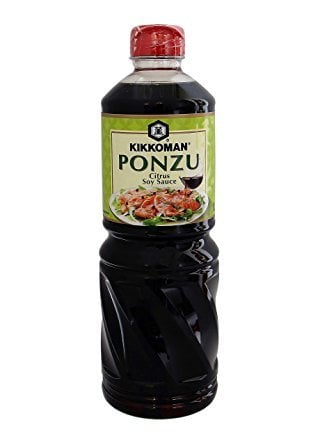
 Kikkoman Ponzu Lemon · 1 literClassic citrus soy sauce for every day
 Kikkoman Ponzu Lemon · 250 mlThe same ponzu in a small bottle
 Mizkan Ajipon LemonPonzu from a trusted Japanese brand
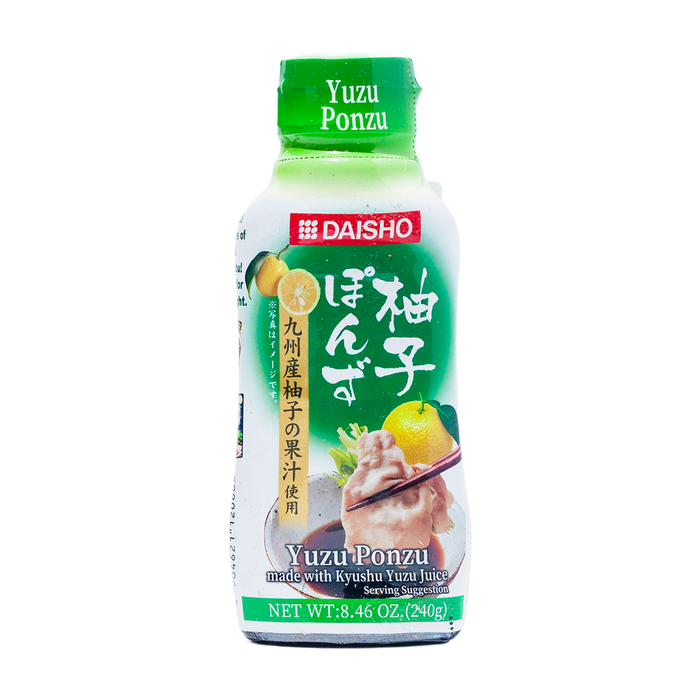
 Daisho Yuzu Ponzu YuzuFresh and fragrant through the yuzu
 Otafuku Yuzu Ponzu YuzuAlso tasty with meat and fried dishes
 Mizkan Yuzu Ponzu Yuzu · gluten-freeFor those who do not eat wheat
 Uchibori Ponzu Yuzu · with dashiWith bonito and seaweed, full of flavor
 Daisho Sesame Ponzu With sesameNutty and fresh at the same time
 Sudachi juice To mix yourselfFor your own sudachi ponzu
Shio ponzu Without soy sauceClear, with salt instead of soy
Regular citrus ponzu
Yuzu ponzu
Daisho Yuzu Ponzu and Otafuku Yuzu Ponzu smell clearly of yuzu and are nice with fish, salads and fried snacks. Uchibori Ponzu goes one step further, because besides yuzu it also contains a broth of bonito and seaweed, which makes it fuller and heartier. If you cook gluten-free, look at Mizkan Gluten Free Yuzu Ponzu.
Sudachi, sesame and ponzu without soy
Making ponzu yourself
What do you use ponzu for?
You use ponzu mainly as a dip sauce and dressing, everywhere where you want to combine the freshness of citrus with the savory taste of soy sauce. A few fixed places in the Japanese kitchen:
- Nabe and shabu-shabu. With Japanese hot pot you dip thinly sliced meat and vegetables after cooking in a bowl of ponzu, often with grated daikon and scallions in it, and with shabu-shabu there is usually also goma dare next to it.
- Gyoza. Instead of the usual mix of soy sauce and vinegar you can also just dip gyoza in ponzu, possibly with a few drops of chili oil.
- Tataki. Briefly seared tuna or beef, such as a piece of entrecote or ribeye, is cut into thin slices and served with ponzu, scallions and ginger.
- Salad and cold tofu. A dash of ponzu with some sesame oil is a quick dressing for cucumber, seaweed or a green salad, and over hiyayakko it is a fresh replacement of soy sauce.
- Grilled fish and meat. Over grilled mackerel, salmon or a piece of chicken from the grill ponzu gives the same effect as a squeeze of lemon, but with more depth.
With ponzu you can also marinate briefly, but the citrus remains the freshest if you add it only at the end or at the table, because long heating lets the aroma evaporate. Why that combination of soy, dashi and sour works so well, you read in our piece about umami.
Recipes with ponzu
These recipes show how ponzu is made and where it belongs, from the sauce itself to the broth that resonates in it.
Which ponzu should you choose?
Not sure? Start with Kikkoman Ponzu: it is mild and versatile enough for hot pot, gyoza and salads, and once you know the flavour, you can put a yuzu ponzu such as that from Daisho or Uchibori next to it to taste how much difference the citrus makes.
Onze ponzu-favorieten
Daisho Yuzu Ponzu Sauce
View product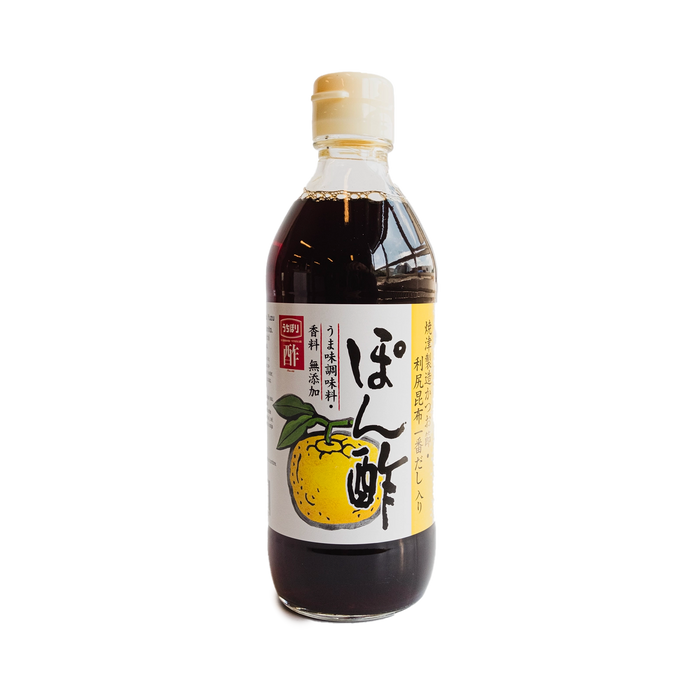
Uchibori Ponzu
View product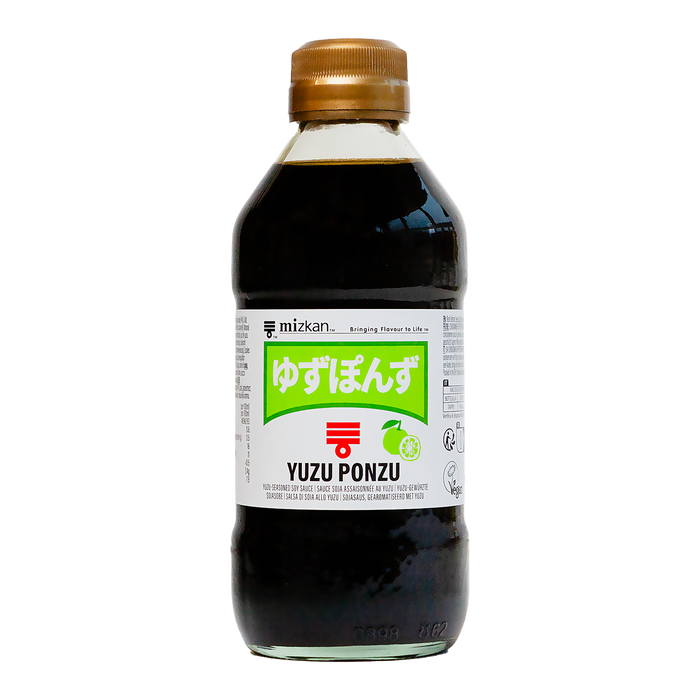
Mizkan Gluten Free Yuzu Ponzu
View product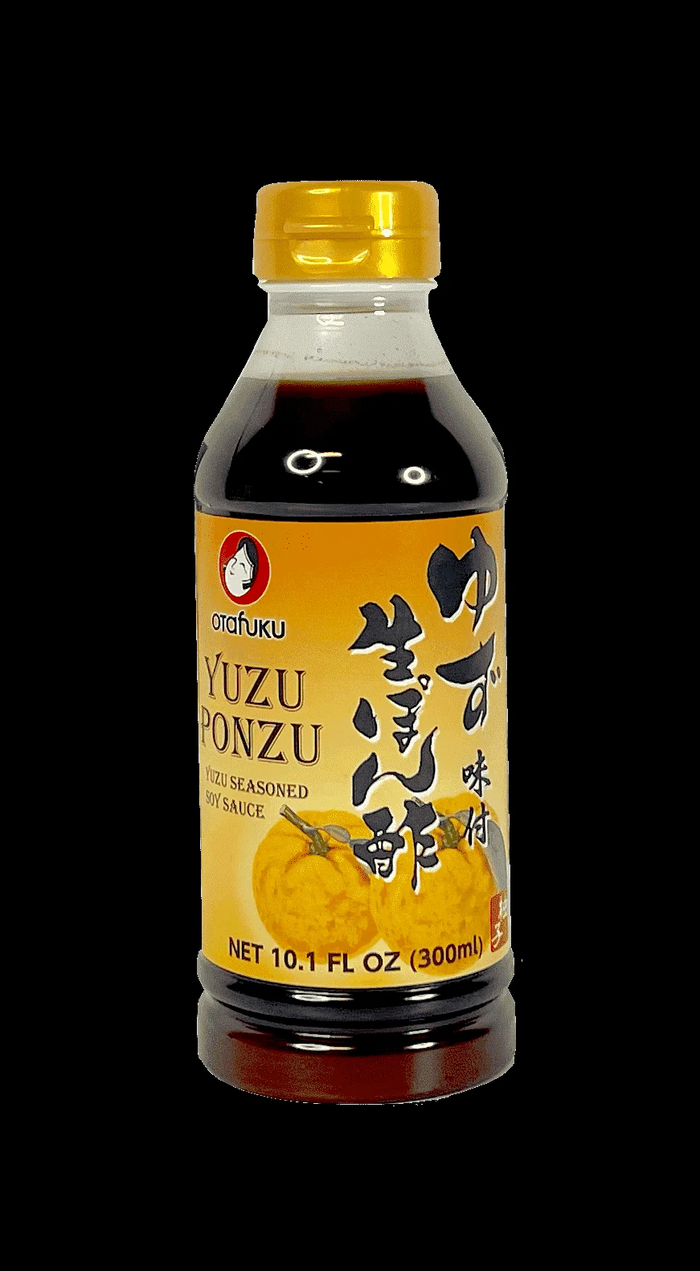
Otafuku Yuzu Ajitsuke Nama Ponzu Sauce
View product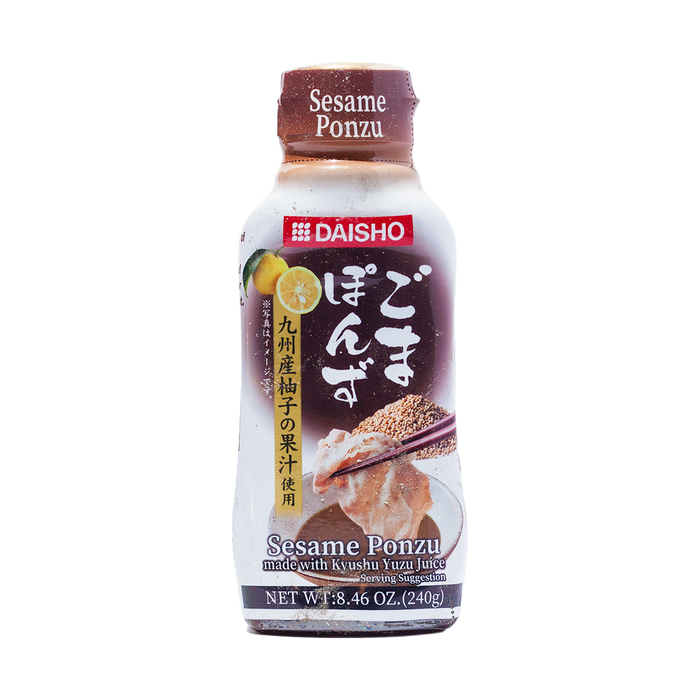
Daisho Sesame Ponzu
View productStore ponzu in a cool, dark place, and follow the advice on the label after opening; many manufacturers recommend putting the bottle in the refrigerator. Want to know how ponzu compares to regular soy sauce? Read Soy Sauce 101, and for the dashi ingredients you can go to Miso and broth.
Frequently asked questions
What is the difference between ponzu and soy sauce?
Ponzu is soy sauce with added citrus juice and often mirin, vinegar and dashi. This makes it thinner, more tart and less salty in flavour than pure soy sauce.
Is ponzu gluten-free?
Most ponzu is not, because the soy sauce in it is brewed with wheat. There are gluten-free versions, such as Mizkan Gluten Free Yuzu Ponzu, but always check the label.
Is ponzu vegetarian?
Not always: traditional ponzu and some bottles, such as Uchibori Ponzu, contain broth made from bonito, a fish. Check the ingredients list for bonito, katsuobushi or fish extract.
Can you use ponzu with sushi?
Yes, especially with white fish sashimi, oysters and grilled or seared fish, ponzu is a fresh dipping sauce. For regular sushi, Japanese soy sauce such as Kikkoman remains the standard choice.
What can I replace ponzu with?
Mix soy sauce with about the same amount of fresh lemon or lime juice and a splash of mirin. It lacks the depth of dashi, but it works quite well as a dipping sauce.
Can you cook with ponzu?
Yes, you can use it to briefly marinate or deglaze a stir-fry. It is best to add it at the end, because prolonged cooking makes the fresh citrus aroma disappear.
Does ponzu need to be refrigerated after opening?
Many manufacturers recommend refrigerating ponzu after opening to preserve its fresh flavour for longer. Follow the advice on the label of your bottle.
Ponzu is one of those bottles you buy once and never want to be without again, because it so easily freshens up an ordinary meal, from a pan of leftovers on a cold evening to a few slices of tuna on a warm day. Start with a familiar bottle, try it next to a yuzu ponzu, and if you feel like going further, make it yourself once with your own citrus. And if you are hesitating in a shop in Amsterdam, feel free to ask us, because we are happy to help you choose, and for the rest of the Japanese basics you can always go to Japanese Kitchen 101.

