


Yuzu 101: What Is Yuzu and How Do You Use It?
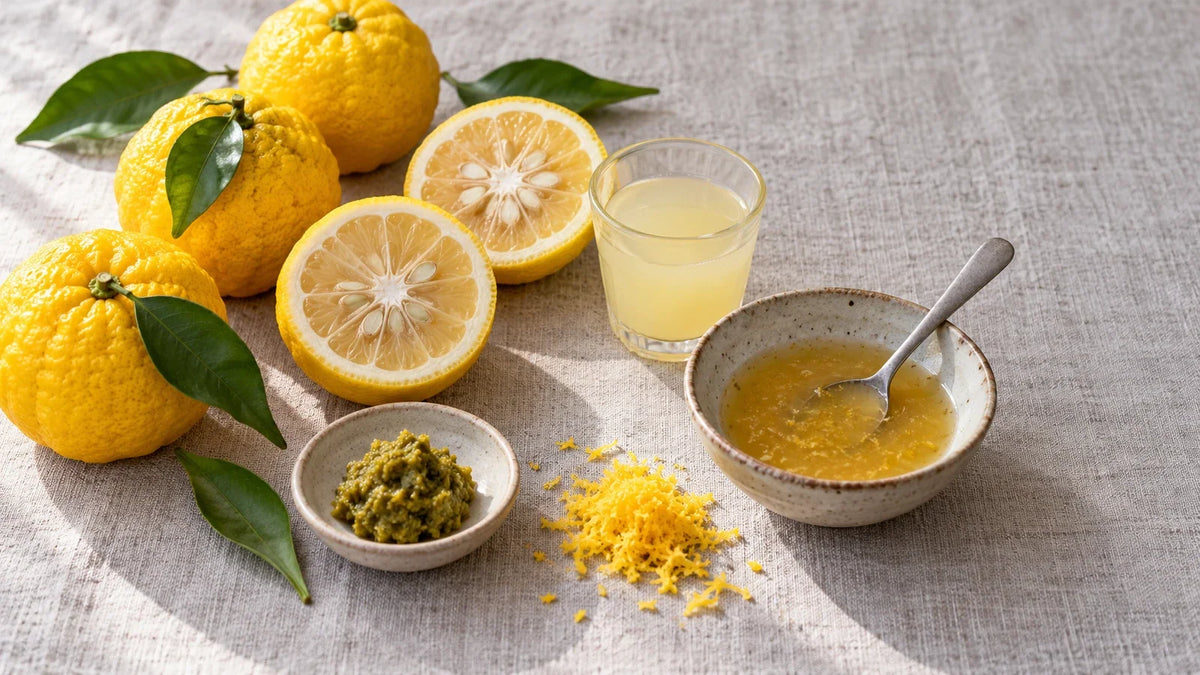
Yuzuschil is een van de belangrijkste onderdelen van de yuzu. Het is de schil van de vrucht, die in Japan wordt geplukt wanneer de vrucht nog groen is. De schil wordt gedroogd en gemalen tot poeder, dat je in de keuken kunt gebruiken. Je vindt yuzuschil en yuzupoeder bij S&B en in een strooibus. Je kunt het poeder gebruiken om je eten op smaak te brengen, of je kunt het mengen met water om een verfrissende drank te maken. Je kunt ook yuzuschil gebruiken om je eten te garneren.
Yuzu kosho
Yuzu kosho is een pittige pasta van yuzu, groene peper en zout. Het wordt vaak gebruikt in de Japanse keuken om gerechten een frisse, pittige smaak te geven. Je kunt yuzu kosho gebruiken om je eten op smaak te brengen, of je kunt het mengen met water om een pittige dressing te maken. Je vindt yuzu kosho bij Ao Yuzu en S&B.
Ponzu en dressings
Ponzu is een Japanse dressing op basis van sojasaus, yuzu en dashi. Het wordt vaak gebruikt om gerechten op smaak te brengen, of je kunt het mengen met water om een lichtere dressing te maken. Je vindt ponzu bij Daisho en Mizkan. Je kunt ook dressings op basis van yuzu vinden bij Daisho.
Thee, snoep en dranken
Yuzu wordt ook gebruikt om thee, snoep en dranken te maken. Je vindt yuzuthee bij Nokchawon en T'Best. Je kunt ook yuzusnoep bij Kasugai vinden. Je kunt ook yuzufetisdranken vinden bij Hata en Kimura. Je kunt ook yuzulimonade vinden bij Doyobi.
Welk yuzuproduct kies je?
De keuze voor een yuzuproduct hangt af van hoe je het wilt gebruiken. Als je een pure yuzusmaak wilt, kun je kiezen voor puur yuzusap. Als je een pittige smaak wilt, kun je kiezen voor yuzu kosho of yuzupasta. Als je een frisse, zoute smaak wilt, kun je kiezen voor ponzu. Als je een dressing wilt, kun je kiezen voor een dressing op basis van yuzu. Als je thee, snoep of dranken wilt, kun je kiezen voor yuzuthee, yuzusnoep of yuzufetisdranken. Kijk op het etiket om te zien wat de ingrediënten zijn en hoe je het product kunt gebruiken.
Veelgestelde vragen
Wat is yuzu?
Yuzu is een citrusvrucht uit Oost-Azië, zo groot als een mandarijn, met een dikke, hobbelige schil die van groen naar geel kleurt. De vrucht komt oorspronkelijk uit China en wordt al eeuwen geteeld in Japan en Korea, waar hij in de keuken een vaste plek heeft. In Japan schrijf je hem als 柚子, in Korea heet hij yuja.
Wat yuzu bijzonder maakt, is de geur. Het vruchtvlees is zuur, zit vol pitten en geeft weinig sap, dus je gebruikt vooral het sap en de schil, en juist in die schil zit het parfum. Groene yuzu (ao yuzu) wordt onrijp geplukt in de zomer en is scherper, gele yuzu is rijp en komt in de late herfst en winter. Op de kortste dag van het jaar nemen Japanners traditioneel een bad met hele yuzu's in het water, het yuzuyu.
Waarom vind je verse yuzu zelden in Nederland?
Verse yuzu is in Nederland zeldzaam omdat het seizoen kort is, de vrucht kwetsbaar en duur om te vervoeren, en in Japan zelf veel van de oogst tot sap wordt verwerkt. In Zuid-Europa wordt yuzu inmiddels op kleine schaal geteeld, maar ook die vruchten zie je weinig.
Gelukkig houden sap, gedroogde of gehakte schil, yuzu kosho en sauzen met yuzu het aroma goed vast, dus voor bijna elk recept heb je geen verse vrucht nodig.
Welke yuzuproducten zijn er?
De belangrijkste yuzuproducten zijn puur yuzusap, yuzuschil, yuzu kosho, ponzu en dressings, en daarnaast thee, snoep en dranken. Hieronder zie je alles wat we met yuzu in het assortiment hebben: dezelfde flessen, tubes en potten die je in Japan en Korea in de supermarkt ziet staan, van S&B, Daisho en Mizkan tot de yuja-thee van Nokchawon.
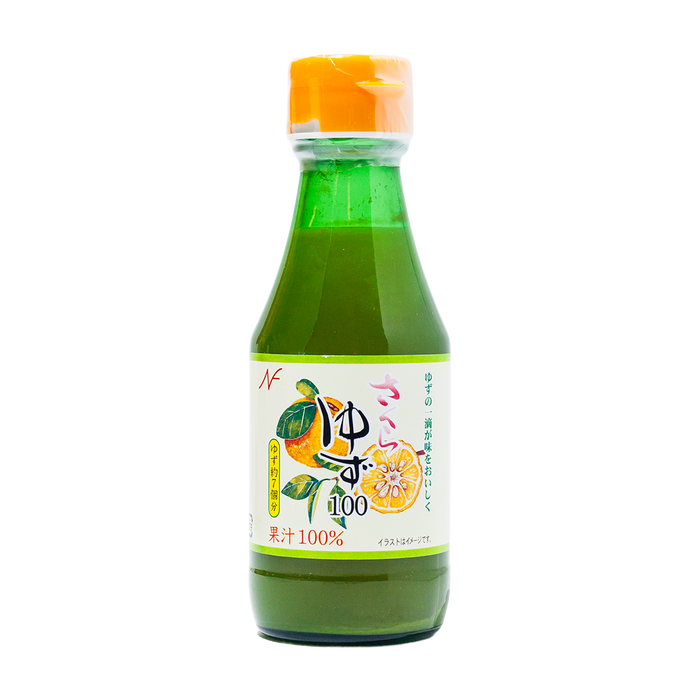
 Sakura Yuzu YuzusapPuur sap
 Yuzuya Honten YuzusapPuur sap, grotere fles
 Yuzu Sap YuzusapKlein flesje
 S&B Kizami Yuzu YuzuschilGehakte schil in een tube
 S&B Yuzu Powder Gedroogde yuzuOm te strooien
 Ao Yuzu Kosho Yuzu koshoYuzu, groene peper, zout
 S&B Yuzu Paste Pittige yuzupastaPittig, in een tube
 Lee Kum Kee Yuzu Chili ChilisausChili met yuzu
 Daisho Yuzu Ponzu PonzuCitrus-sojasaus met yuzu
 Mizkan Yuzu Ponzu PonzuGlutenvrij
 Otafuku Yuzu Ponzu PonzuMet yuzu op smaak
 Uchibori Ponzu PonzuMet dashi en yuzu
 Daisho Yuzu Dressing DressingVoor salades
 Honey Citron Tea Yuja-chaYuja in honingT'Best Yuzu Tea YuzutheeVoor warm of koud water
 Kasugai Yuzu Gummy SnoepZachte gummy's
 Hata Ramune Yuzu FrisdrankRamune
 Kimura Ramune Yuzu FrisdrankRamune
 Yuzuka Lemonade LimonadeBruisend
 iKi Beer Yuzu BierMet sencha en yuzu
Yuzusap
Yuzuschil en yuzupoeder
Ponzu and dressings with yuzu
Yuzu tea, candy and drinks
Yuzu kosho: spicy paste of yuzu and chili pepper
How do you use yuzu?
You use yuzu mainly raw and at the last moment, because the aroma disappears as soon as you heat the juice or peel for a long time.
Dressings and sauces
Fish, meat and tofu
A few drops of yuzu juice or some chopped peel over sashimi or grilled mackerel makes the fish fresher without the sourness overpowering. In a short marinade for chicken or tofu you combine yuzu with soy sauce and mirin, but do not leave fish in it too long, because the acid cooks the meat.
Ramen and soup
In ramen, you find yuzu mainly in light, clear broths based on salt. Stir some juice or peel through the bowl just before serving, and do the same with miso or dashi soup. Noodles can be found in Japanese noodles.
Desserts and drinks
In desserts you use yuzu where you would otherwise use lemon: in curd, cheesecake, sorbet or glaze. For drinks, a dash of juice goes through sparkling water with some sugar syrup, or through a gin-and-tonic or highball.
Yuzu, lemon or lime: what is the difference?
Yuzu is less sharp than lemon and lime, and smells more floral and round, with a distinct mandarin note. Lemon is mainly sour, lime sour with something bitter and green. Without yuzu, you come closest with lemon and lime juice, a little mandarin juice and some grated peel, although you will never completely get the unique perfume of yuzu with that. Conversely, yuzu juice tastes more concentrated than fresh lemon juice, so you usually use a little less of it.
Recipes with yuzu and ponzu
With these two recipes you make a base yourself that you can use all week.
Which yuzu product do you choose?
Not sure? Start with a bottle of pure yuzu juice, such as Sakura Yuzu, because with that you make dressings, ponzu, drinks and desserts, and add a jar of Ao Yuzu Kosho as soon as you want more, because with that you add a lot of flavor with just a little bit.
Onze yuzufavorieten
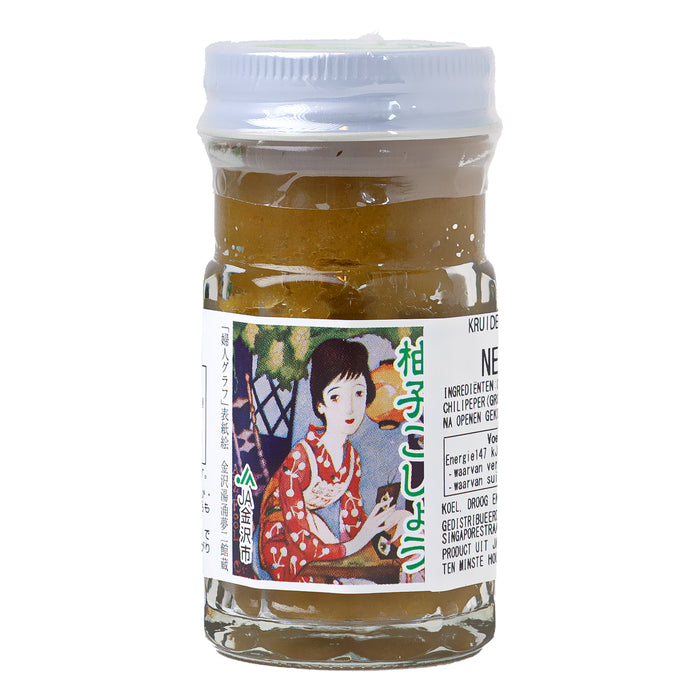
Ao Yuzu Kosho
View product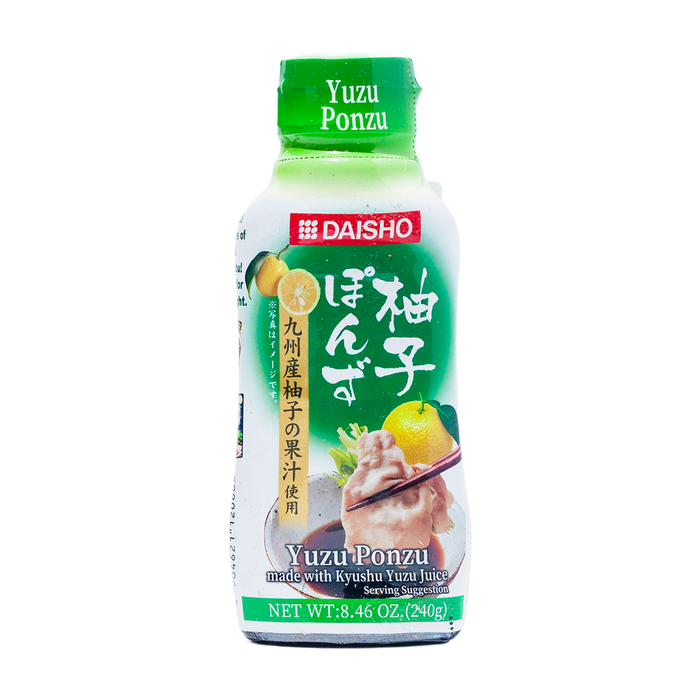
Daisho Yuzu Ponzu Sauce
View product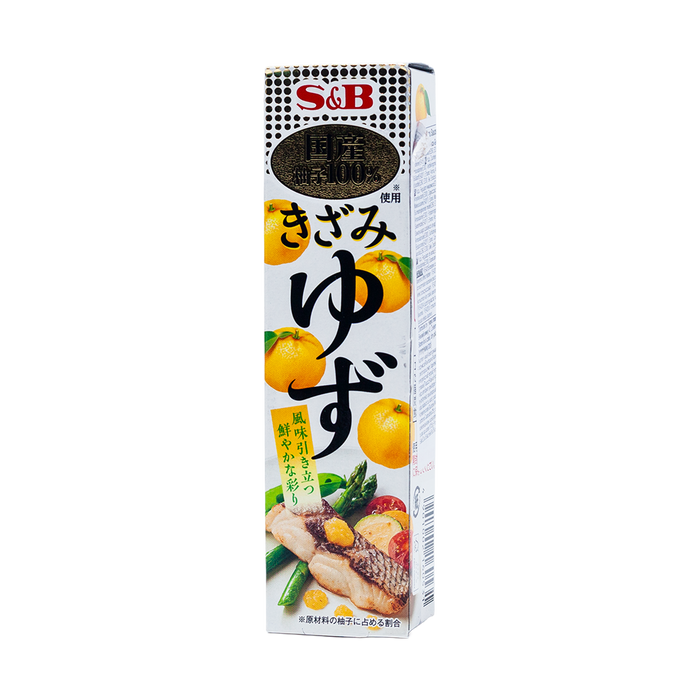
S&B Chopped Yuzu Sauce
View product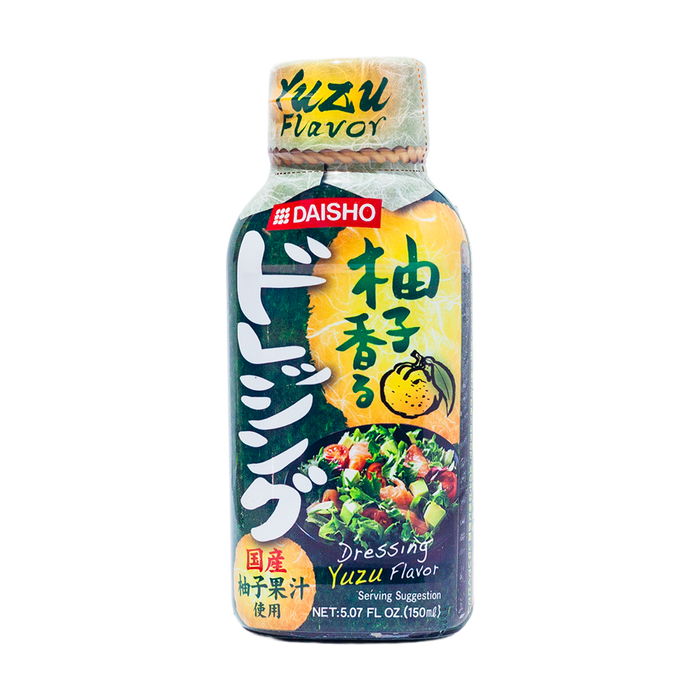
Daisho Yuzu Dressing
View product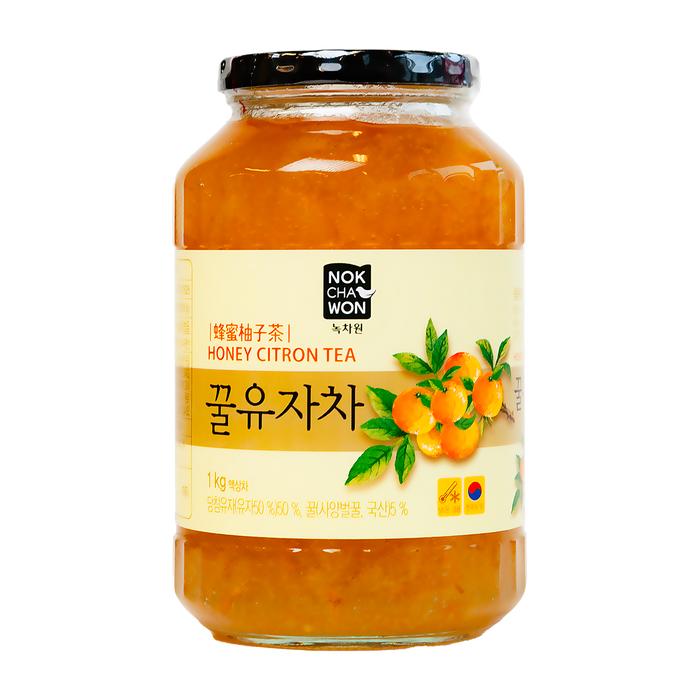
Nokchawon Honey Citron Tea
View productStore yuzu products cool and dark and follow the label after opening, because many juices and sauces must be kept in the refrigerator afterwards. You can find more in Japanese sauces, Japanese spices and on Alles Japan.
Frequently asked questions
Where can you buy fresh yuzu in the Netherlands?
Fresh yuzu is difficult to find in the Netherlands and at most in the winter at specialized vegetable farmers. For almost all recipes you can just as well use pure yuzu juice or chopped peel.
What can you replace yuzu with?
Mix lemon and lime juice with a little mandarin juice and some grated peel. That comes close, although it misses the typical perfume of yuzu.
Is yuzu the same as citron or yuja?
Yuja is the Korean name for yuzu, and on Korean jars of yuja tea it often says citron in English. It is not the same as the large citrus fruit that is called citron or kaffir lime in Europe.
How long does yuzu juice last after opening?
That varies per bottle, so follow the label. Many manufacturers recommend storing the juice in the refrigerator after opening, because the aroma slowly fades.
Is yuzu kosho very spicy?
Yuzu kosho is spicy and especially also salty, so you only use a dot of it.
What is the difference between yuzu and ponzu?
Yuzu is the citrus fruit, ponzu is a sauce of soy sauce and citrus juice, often but not always with yuzu. Read all about ponzu in Ponzu 101.
Can you drink yuzu juice pure?
Pure yuzu juice is just as sour as lemon juice and not intended to be drunk like that, but with water and some sugar or honey you make a fresh lemonade of it.
Yuzu is such a flavor that you taste it once and then want to find it everywhere, in your dressing, over your fish and in your glass, and fortunately you do not need a fresh fruit from Japan for that. Start with a bottle of juice or a jar of yuzu kosho, try it out for a few weeks with dishes you already make often, and you will naturally notice where that fresh, floral aroma makes the difference. If you are still in doubt in the store in Amsterdam, feel free to ask us, and for the rest of the Japanese kitchen you can always read further in Japanese kitchen 101.

