


Soy Sauce 101: All Types of Soy Sauce Explained
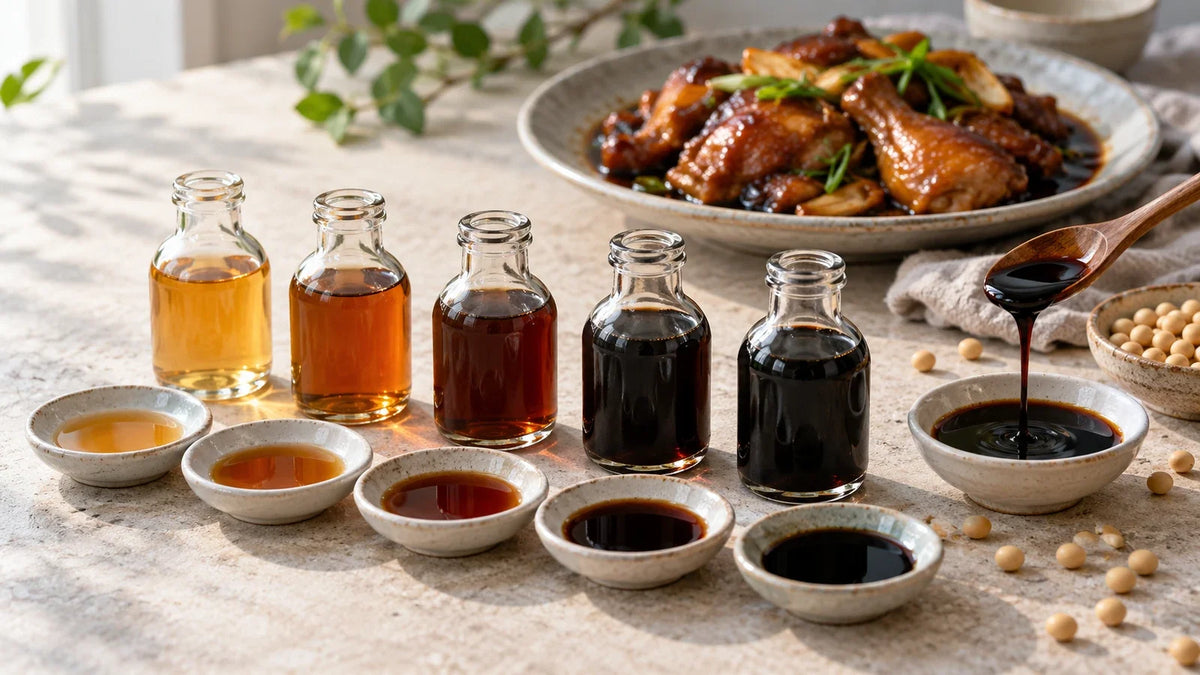
At our shop, hardly a day goes by without someone standing in front of the soy sauce shelf and asking which bottle they actually need. We understand why: behind that one word are dozens of sauces, from thin, light Chinese soy sauce to Japanese shoyu, Korean soup soy sauce and syrupy kecap manis, and they’re rarely interchangeable. In this guide, we list all the types, with a bottle from our shop for each one, so you’ll know which soy sauce to use for your dish from now on. These are the bottles people in China, Korea and Indonesia pick up at their own supermarkets, from Pearl River Bridge and Lee Kum Kee to Sempio and ABC. To find out which other bottles belong in a Chinese pantry, read Chinese Kitchen 101.
What is soy sauce and how is it made?
Soy sauce is a salty, dark sauce made from fermented soybeans, usually with wheat, salt and water. The soybeans are cooked and mixed with roasted wheat, then koji is added: a fungus (Aspergillus oryzae) that breaks down proteins and starches. The mixture matures in brine for months and is then pressed. This maturation produces the deep, savory flavor that makes soy sauce one of the best-known sources of umami.
The sauce originated in China and traveled from there to Japan, Korea and the rest of Asia, where each country developed its own version.
Naturally brewed or quick-made
Alongside brewed soy sauce, there is soy sauce made quickly by breaking down soy protein with acid instead of fermenting it. This is faster, but the flavor is flatter. If the label says naturally brewed, the sauce is fermented; if you see hydrolyzed soy protein in the ingredients, it has been made (at least in part) using the quick method.
All types of soy sauce at a glance
The main types of soy sauce are Chinese light and dark soy sauce, Japanese koikuchi, usukuchi, tamari and shiro, and Korean guk-ganjang and jin-ganjang, with Indonesian ketjap as the sweet outlier. Below, you can see them side by side, with a bottle from our shop wherever possible.
 Chinese light soy sauce China · 生抽Thin and salty, for seasoning
 Chinese dark soy sauce China · 老抽Thick and mildly sweet, mainly for color
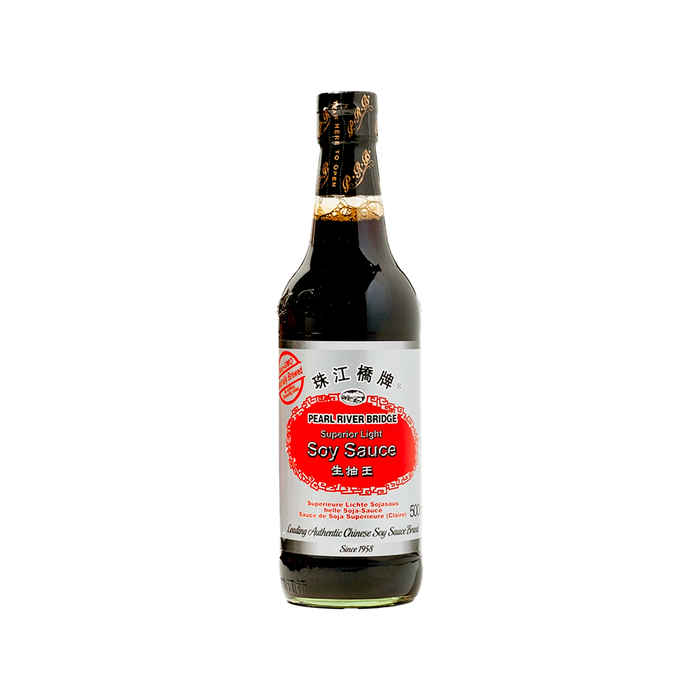
 Superior light ChinaRounder in flavor, for dipping
 Mushroom soy ChinaDark soy sauce with mushroom extract
 Koikuchi Japan · 濃口The everyday Japanese soy sauce
Usukuchi Japan · 淡口Lighter in color, but saltier
 Tamari Japan · たまりFull-bodied and deep, with little or no wheat
Shiro Japan · 白醤油Almost transparent, mild and slightly sweet
 Guk-ganjang Korea · 국간장Salty soup soy sauce, for soup and namul
 Jin-ganjang Korea · 진간장For marinades, braises and bulgogi
 Ketjap manis IndonesiaSyrupy and sweet from palm sugar
 Ketjap asin IndonesiaThin and salty
Chinese soy sauce: light, dark, superior and mushroom
In Chinese cooking, you use two types of soy sauce side by side: light soy sauce for flavor and dark soy sauce for color.
Light soy sauce (生抽)
Dark soy sauce (老抽)
Superior and premium
Mushroom soy
Japanese soy sauce: koikuchi, usukuchi, tamari and shiro
Japanese soy sauce, shoyu, is usually brewed with roughly equal amounts of wheat and soybeans, making it milder, slightly sweeter and more fragrant than Chinese light soy sauce. The types differ mainly in the ratio of soy to wheat and how long they are aged.
Koikuchi (濃口)
Usukuchi (淡口)
Usukuchi is lighter in color than koikuchi, but saltier. It comes from the Kansai region around Osaka and Kyoto, and is used in clear broths, braised vegetables and egg dishes where you want to preserve the ingredients’ color. We don’t currently stock usukuchi.
Tamari (たまり)
Shiro (白)
Shiro shoyu is the opposite of tamari: it is made primarily with wheat and little soy, and is therefore almost golden yellow, mild and slightly sweet. You use it when the color of a dish really matters, such as in clear soups and tamagoyaki. We also do not have shiro in stock at the moment.
In addition to pure soy sauces, Japan also has sauces based on shoyu, such as ponzu with citrus and tsuyu with dashi. The entire range is in Japanese soy sauce.
Korean soy sauce: guk-ganjang and jin-ganjang
In Korea, soy sauce is called ganjang, and the two types you encounter most often are guk-ganjang for soup and jin-ganjang for almost everything else.
Guk-ganjang (국간장)
Jin-ganjang (진간장)
Ketjap: the Indonesian soy sauce
Recipes with soy sauce
You can best taste the difference by cooking with it. These five recipes each show a different soy sauce.
Which soy sauce do you choose?
Choose the soy sauce that suits the cuisine you are cooking. Not sure? Start with a Chinese light soy sauce and a Japanese koikuchi: with those you can cook most Chinese and Japanese dishes, and a bottle of dark soy sauce for color will naturally follow as soon as you start stewing.
Onze sojasaus-favorieten
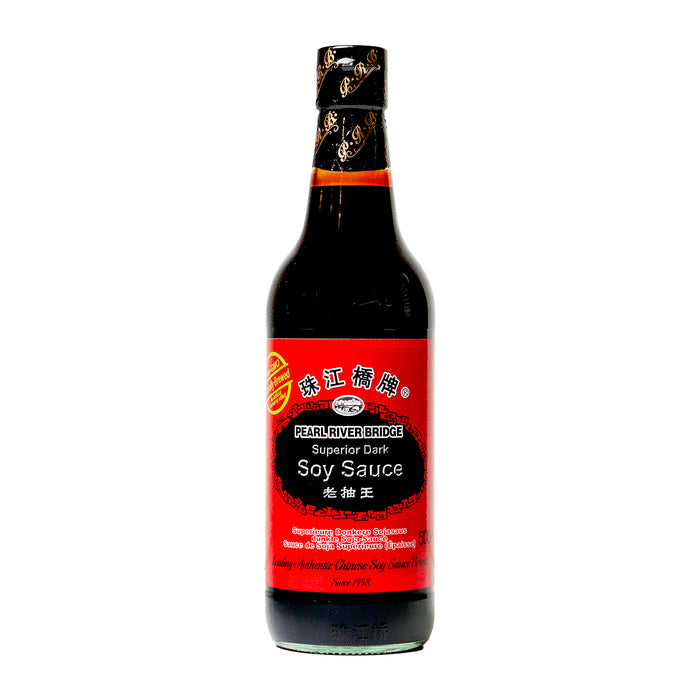
Pearl River Bridge Dark Soy Sauce
View product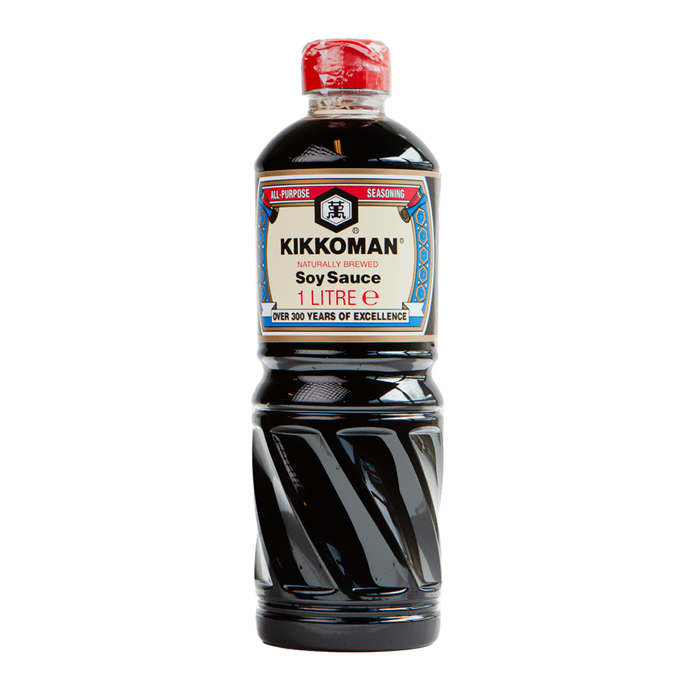
Kikkoman Soy Sauce
View product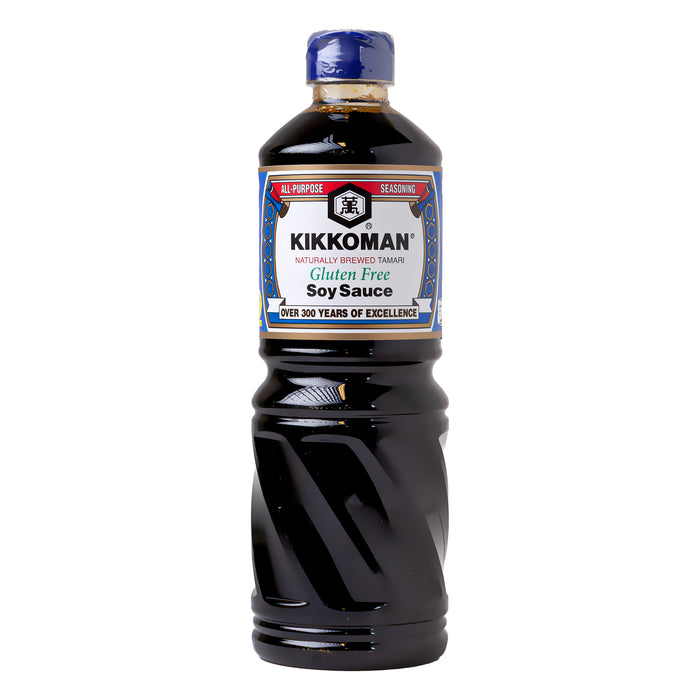
Kikkoman Tamari
View product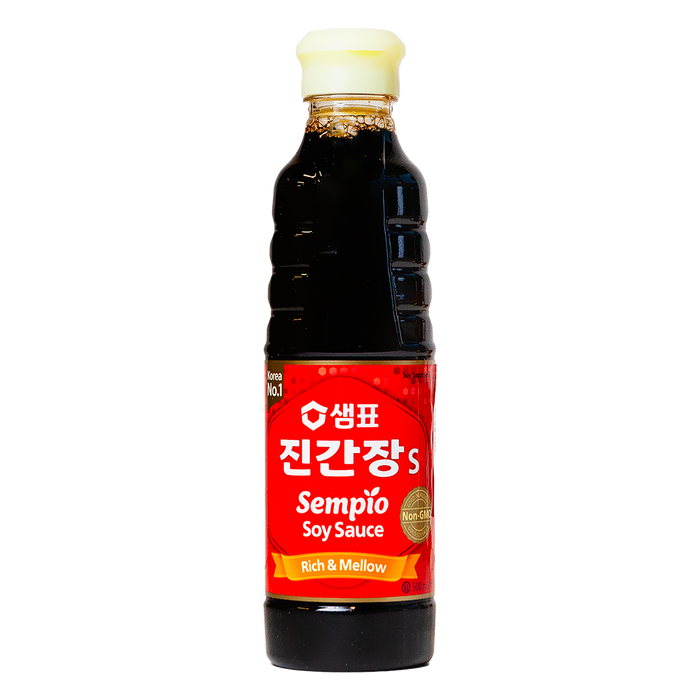
Sempio Soy Sauce Rich & Mellow Jin S
View product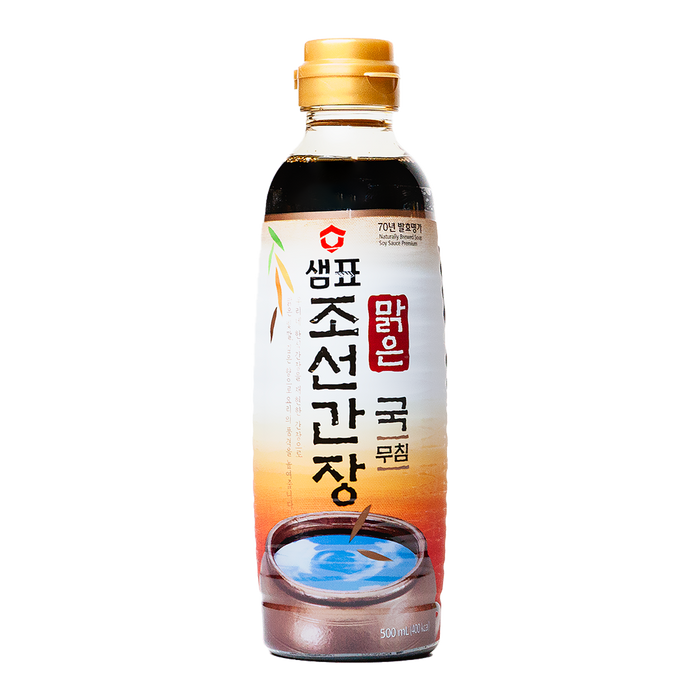
Sempio Chosun Soy Sauce For Soup
View productStore soy sauce cool and dark and follow the advice on the label after opening, because many manufacturers recommend putting the bottle in the refrigerator then. You can find all the bottles together on our Soy Sauce page, and the rest of the Chinese cuisine on China. Also read Oyster Sauce 101.
Frequently asked questions
What is the difference between light and dark soy sauce?
Light soy sauce is thin and salty and you use it to season a dish. Dark soy sauce is thicker, milder and slightly sweet, and you mainly use it for color.
Is soy sauce gluten-free?
Most soy sauces are not, because they contain wheat. There are gluten-free variants, such as many tamari and the Gluten Free Soy Sauce from Lee Kum Kee, but always check the label.
Is ketjap the same as soy sauce?
Ketjap is the Indonesian name for soy sauce, but ketjap manis is much sweeter and thicker than Chinese or Japanese soy sauce due to the palm sugar. Only ketjap asin comes close to light soy sauce.
What is the difference between Chinese and Japanese soy sauce?
Japanese soy sauce is usually brewed with about as much wheat as soybeans and is therefore milder and more aromatic. Chinese light soy sauce is thinner and saltier, and in Chinese cuisine you also use dark soy sauce for color.
Which soy sauce do you use with sushi?
With sushi you use a Japanese koikuchi soy sauce, such as Kikkoman Soy Sauce. It is milder than Chinese light soy sauce and does not overpower the fish and rice.
What is tamari?
Tamari is a Japanese soy sauce made primarily from soybeans, with little or no wheat. It is fuller and thicker than regular shoyu. Not every tamari is wheat-free, so check the label if you cook gluten-free.
Should soy sauce be refrigerated after opening?
Many manufacturers recommend putting the bottle in the refrigerator after opening, because flavor and color will stay good longer. Follow the advice on the label of your bottle.
You use soy sauce so often that you hardly think about it anymore, while behind every bottle hides its own cuisine. Feel free to start with one or two bottles, cook a few familiar dishes with them and then taste how differently the same dish tastes with a koikuchi, a superior light or a jin-ganjang. And if you are still hesitating in front of the shelf in Amsterdam, just ask us, because we are happy to help you find the bottle that suits your cuisine, and for the rest of the Chinese basics you can always go to Chinese cuisine 101.

