


Chinese cuisine 101: the basics of cooking Chinese food at home
For us, Chinese cuisine doesn't begin in a cookbook, but in our grandpa's shop in Suriname. His parents were Hakka Chinese, and in his shop stood the bottles of soy sauce and jars of oyster sauce that we still cook with today. When he opened his toko in Amsterdam in the seventies, those flavours came with him, and since then we have been helping customers every day find the right bottle for their wok dish, their dumplings or their first pan of braised pork belly. In this guide we set out what you really need to cook Chinese at home: the ten basic ingredients, what they do, which one to choose and what dishes you can make with them. The bottles in our toko are the same ones you see in supermarkets in China, Hong Kong and Taiwan, from brands such as Pearl River Bridge, Lee Kum Kee and Heng Shun.
What makes Chinese cuisine so recognisable?
Chinese cuisine is all about balance: salt, sweet, sour, spicy and umami are combined so that no single flavour dominates. A few sauces and flavourings do most of the work, and with a handful of bottles in the cupboard you can already make a large part of the classics.
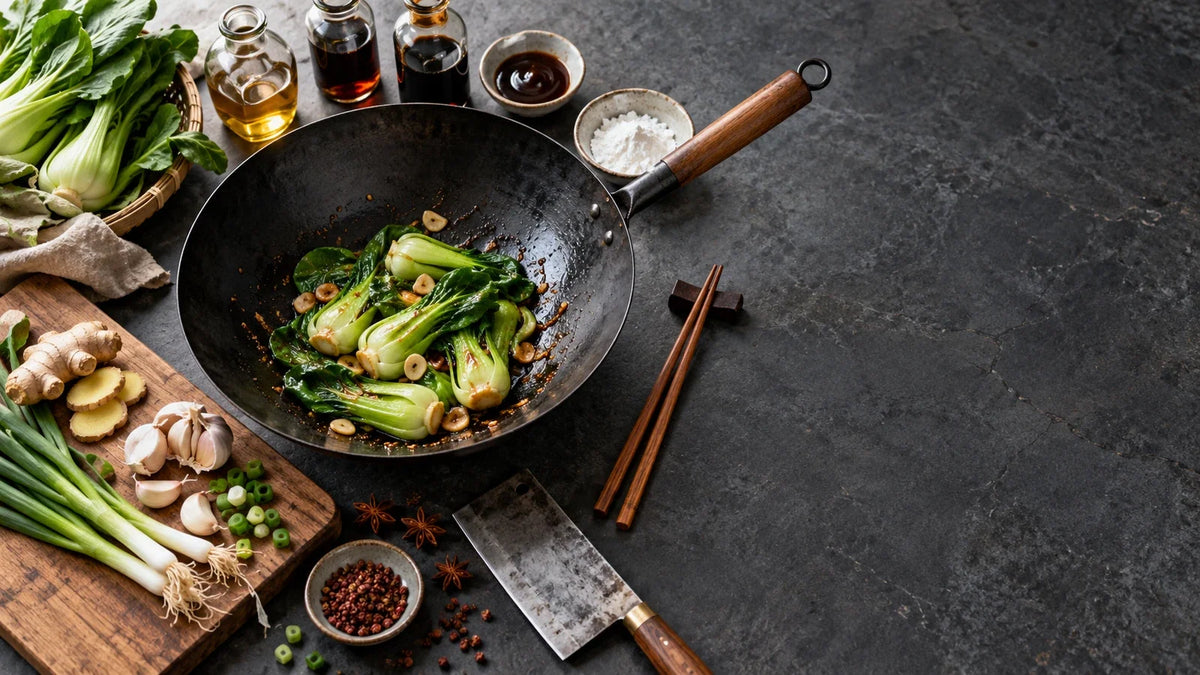
Besides that, it is above all a cuisine of preparation. You cut everything into equal pieces, prepare the sauces next to the stove and then cook on high heat in a few minutes, so that vegetables stay crisp and meat tender. That typical, slightly smoky flavour of a good wok dish is called wok hei, the breath of the wok, and you get that with a red-hot wok and by not putting too much in the pan at once.
And because China is so large, there is actually no single Chinese cuisine. Those who cook in Canton use different flavours than those at the stove in Sichuan or Shanghai. Further on you will read how those regional cuisines differ from each other, but first the basics they share.
The 10 basic ingredients of Chinese cuisine
The ten ingredients that appear in almost every Chinese cuisine are light soy sauce, dark soy sauce, oyster sauce, Shaoxing wine, Chinkiang vinegar, sesame oil, cornflour, white pepper, ginger and garlic. Below you can see them at a glance, and underneath you can read what each ingredient does and which one to choose.
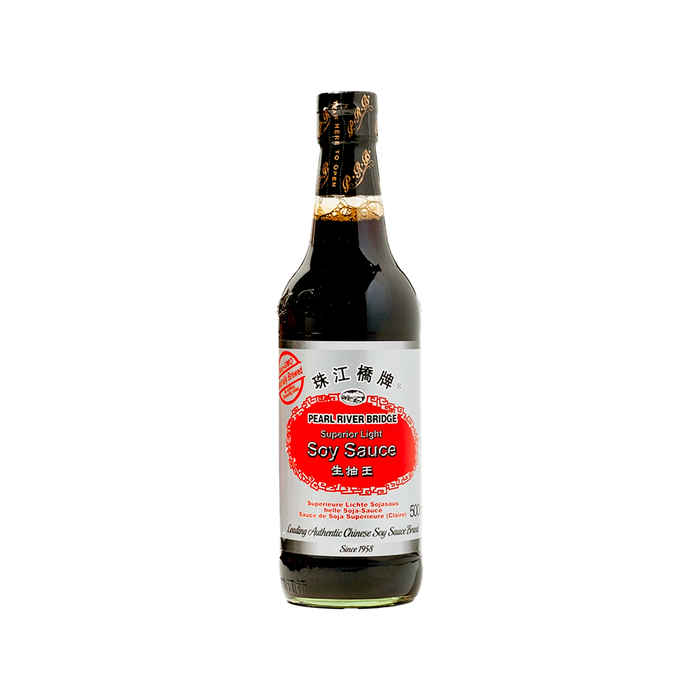
 Light soy sauce 生抽Salty and savoury, the base flavour of almost every dish
 Dark soy sauce 老抽Deep colour and a mild, caramel-like sweetness
 Oyster sauce 蚝油Round umami and a glossy layer over wok dishes and vegetables
 Shaoxing wine 绍兴酒Aroma and depth, and removes sharp fish and meat odours
 Chinkiang vinegar 镇江香醋Mildly sour with a malty, slightly sweet depth, and it is indispensable as a dipping sauce: a small bowl of vinegar with a few strands of fresh ginger is all you need with a plate of jiaozi.
 Sesame oil 芝麻油Nutty aroma, as a finishing touch over noodles, soup or a dressing, and not for frying, because at high heat it loses its aroma.

Cornflour is the silent secret behind many Chinese dishes, and there is a good chance you already have it in the cupboard. With us you can find Duryea Maizena and Kingsford's Cornstarch from Knorr. You use it to thicken a sauce at the end to a glossy layer, you make crispy crusts with it, and you use it to make meat tender: strips of meat that you marinate for fifteen minutes with a little cornflour, soy sauce and Shaoxing wine stay juicy and tender in the hot wok. How exactly that works, you can read in The magic of cornflour in Chinese cuisine. If you want an extra crispy crust, try tapioca starch.
White pepper
Where Dutch cooking reaches for black pepper, Chinese cooking often uses white pepper. It is milder, but has its own earthy heat that you can taste in congee, wonton soup and hot and sour soup. A pinch in a marinade or a bowl of soup is all you need.
Ginger and garlic
Together with spring onions, ginger and garlic form the aromatic trio that almost every stir-fry starts with: briefly fry them in hot oil until the kitchen is filled with their aroma, and only then add the meat, vegetables and sauces to the wok. Ginger adds freshness and takes away the strong smell of fish and meat, while garlic provides the savoury base. It is best to use them fresh, when they are at their most fragrant.
The next step: hoisin, bean paste and Sichuan pepper
Once you have the basics, a few extra flavourings open the door to regional cuisines. These are the five you will come across most often:
-
 Hoisin sauce is sweet and savoury, made from fermented soybeans, and known as a sauce for Peking duck and as a glaze for char siu. A classic is Lee Kum Kee Hoisin Sauce.
-
 Doubanjiang is a spicy paste made from fermented broad beans and chilli, the heart of Sichuan cuisine and of mapo doufu. We stock it as Chili Paste with Broad Beans.
-
 Sichuan pepper is not ordinary pepper, but the dried berry of a citrus-like shrub, which gives your tongue a tingling, slightly numbing sensation. Together with chilli, it creates the famous ma la; try, for example, TYM green Sichuan peppercorns.
-
 Five-spice powder combines star anise, cinnamon, cloves, fennel seeds and Sichuan pepper, giving braised and roasted meat a warm, aromatic depth. Try TYM Chinese Five Spice Powder.
-
 Chilli oil is as commonplace in many Chinese kitchens as salt. The best-known brand is Lao Gan Ma, and you can read about which jar is right for you in Every Lao Gan Ma explained.
China’s regional cuisines
Traditionally, people in China speak of eight major regional cuisines, but for home cooks, four styles are a great place to start. Each draws on the same basics, but focuses on different flavours.
Cantonese and Hong Kong
Cantonese cuisine from the south is all about fresh ingredients and subtle flavours, with light soy sauce, oyster sauce and ginger as staples. This is the cuisine of dim sum, roasted meats and the cha chaan teng, the Hong Kong-style diner where you can drop in any time of day for noodles and milk tea. Start with char siu, siu mai or beef chow fun.
Sichuan
Sichuan, in southwestern China, is known for ma la: the combination of numbing Sichuan pepper and chilli. Doubanjiang and chilli oil are essential here, and the dishes are spicy, aromatic and addictive. Try mapo doufu, gong bao ji ding or dan dan mian.
Northern China
In the north, people eat more wheat than rice, so you will find dumplings, hand-pulled noodles and steamed buns here. The flavours are robust and savoury, with plenty of garlic, spring onions and fermented bean paste. Jiaozi, zhajiangmian and cong you bing are great classics to start with.
Shanghai and the Yangtze River region
Around Shanghai, dishes are sweeter and richer, with plenty of dark soy sauce, sugar and vinegar. Two of the staple ingredients also come from this region: Shaoxing wine from Zhejiang and Chinkiang vinegar from Jiangsu. Think hong shao rou, tang cu xiao pai and sheng jian bao.
Hakka and Surinamese Chinese
And then there is the cuisine closest to our hearts. Over the centuries, the Hakka Chinese migrated from northern to southern China and later all over the world, including to Suriname, where their cuisine blended with the local ingredients. This gave rise to Surinamese Chinese cuisine, so beloved in the Netherlands, from bapao to moksi meti. And it was those very bapaos that our grandma used to sell at the Albert Cuyp market.
Easy Chinese recipes to get you started
Want to try the basics straight away? These five dishes are easy to make and together show you what you can do with the ten staple ingredients.
What do you need in a Chinese pantry?
You do not have to buy everything at once. If you are not sure where to start, choose these five first: light soy sauce, dark soy sauce, oyster sauce, Shaoxing wine and sesame oil. With those, you can already make most of the classics, and Chinkiang vinegar and the flavourings for regional cuisines will follow naturally once you get a taste for them. These are the brands Chinese families also keep in their cupboards at home.
De basis voor je Chinese voorraadkast
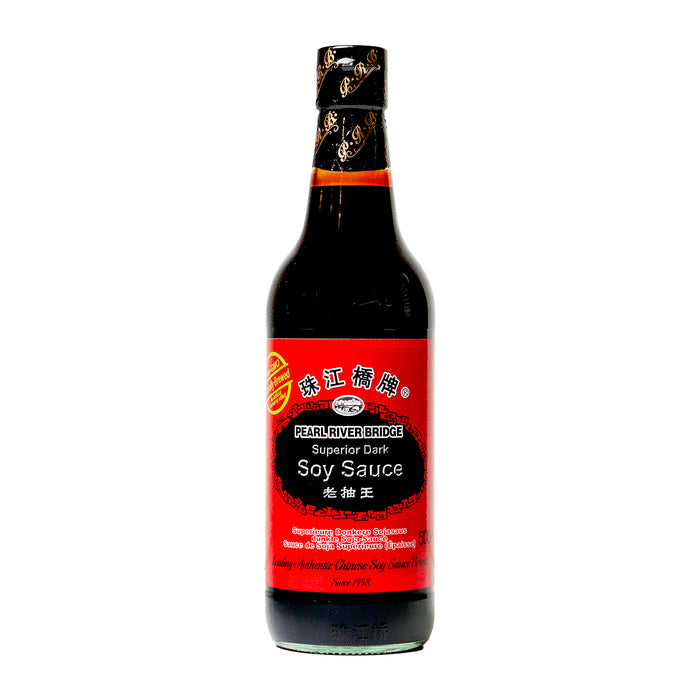
Pearl River Bridge Dark Soy Sauce
View product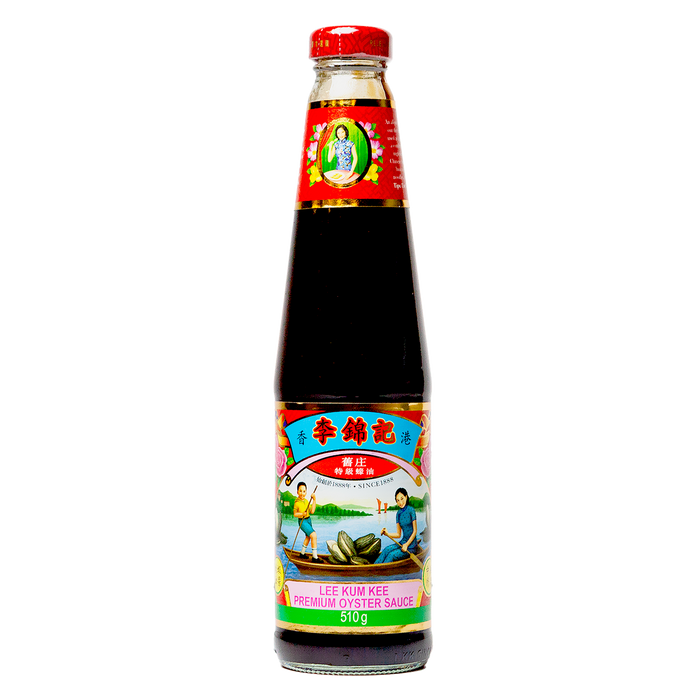
Lee Kum Kee Premium Oyster Sauce
View product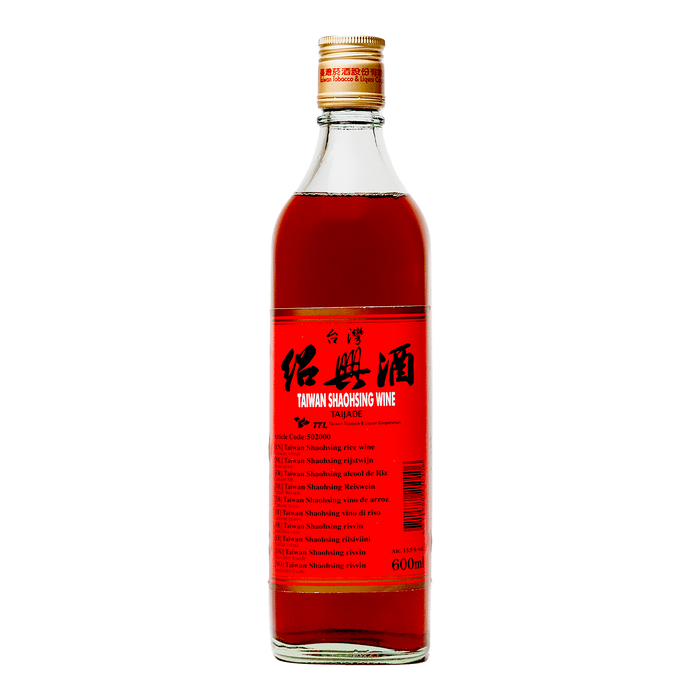
Taiwan Shaohsing Wine
View product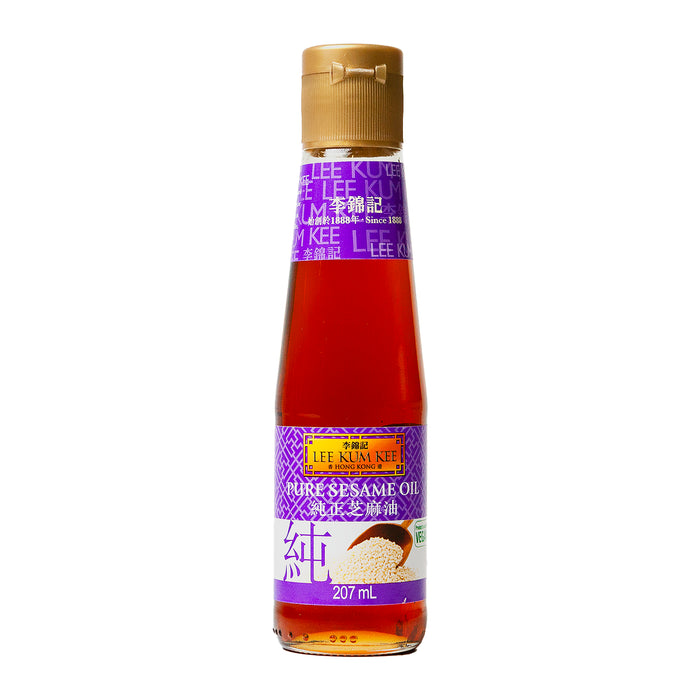
Lee Kum Kee Pure Sesame Oil
View product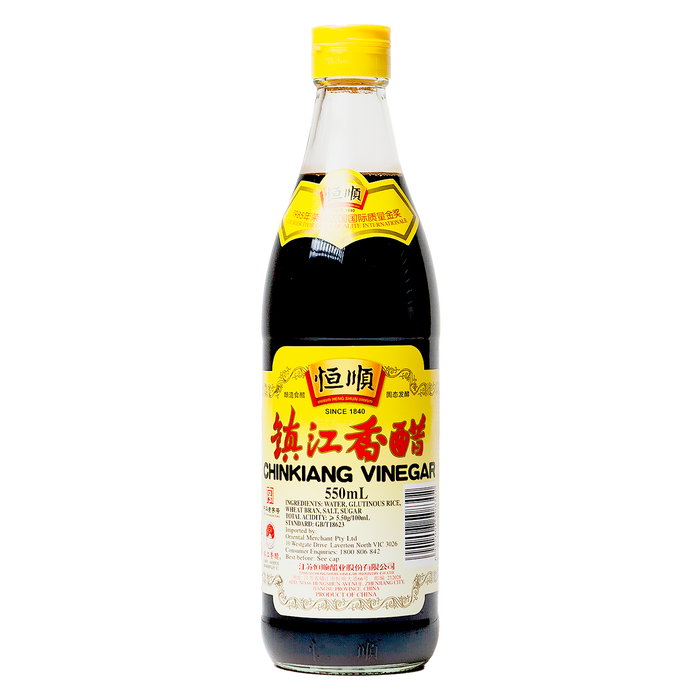
Heng Shun Chinkiang Black Rice Vinegar
View productLight and dark soy sauce, vinegar and Shaoxing wine can stay in the cupboard after opening, but oyster sauce and hoisin sauce should be refrigerated once opened. Want to explore further? Visit our China page for the full range, from Chinese noodles and sauces and flavourings to everything you need for hotpot. And for tips on hosting your own hotpot night, read Everything you need to know about making hotpot at home.
Frequently asked questions
What do you need at a minimum to cook Chinese food?
With light soy sauce, oyster sauce, Shaoxing wine, sesame oil and cornflour, plus fresh ginger and garlic, you can make most of the best-known stir-fries.
What is the difference between light and dark soy sauce?
Light soy sauce is thin and salty, and is used to season a dish. Dark soy sauce is thicker, sweeter and less salty, and is mainly used to add colour.
What can you use instead of Shaoxing wine?
Dry sherry is the closest substitute. Mirin is too sweet to have the same effect.
Is oyster sauce vegetarian?
No, regular oyster sauce is made with oyster extract. There are plant-based versions, such as Lee Kum Kee Vegan Oyster Flavoured Sauce.
Do you need a wok to cook Chinese food?
A wok helps because you can cook quickly over high heat in small batches, but a large, heavy-based frying pan works too. Cook in batches so the meat sears nicely instead of stewing.
Which Chinese sauces should you keep at home?
With light soy sauce, dark soy sauce, oyster sauce, Shaoxing wine and Chinkiang vinegar, you can cook most well-known Chinese dishes. Hoisin sauce, doubanjiang and chili oil come into play as soon as you want to try the regional cuisines.
What is the difference between Cantonese and Sichuan cuisine?
Cantonese cuisine from the south is mild and focuses on fresh ingredients with light soy sauce, oyster sauce and ginger. Sichuan cuisine is spicy and tingling, with doubanjiang, chili oil and Sichuan pepper.
Which Chinese dish is easy for beginners?
Xi hong shi chao ji dan, a stir-fry of tomato and egg, and Yangzhou chao fan, fried rice, are good first dishes. They are quick to prepare and you use a few of the basic ingredients in them.
You don't learn Chinese cooking in one evening, but step by step, dish by dish. Start with a few bottles and a simple wok, taste as you go and discover for yourself which region appeals to you the most. And if you get stuck, feel free to drop by our shop in Amsterdam or ask your question, because we love helping you get started just as our grandpa used to do in his shop in Suriname.

