


Hotpot at home: everything you need
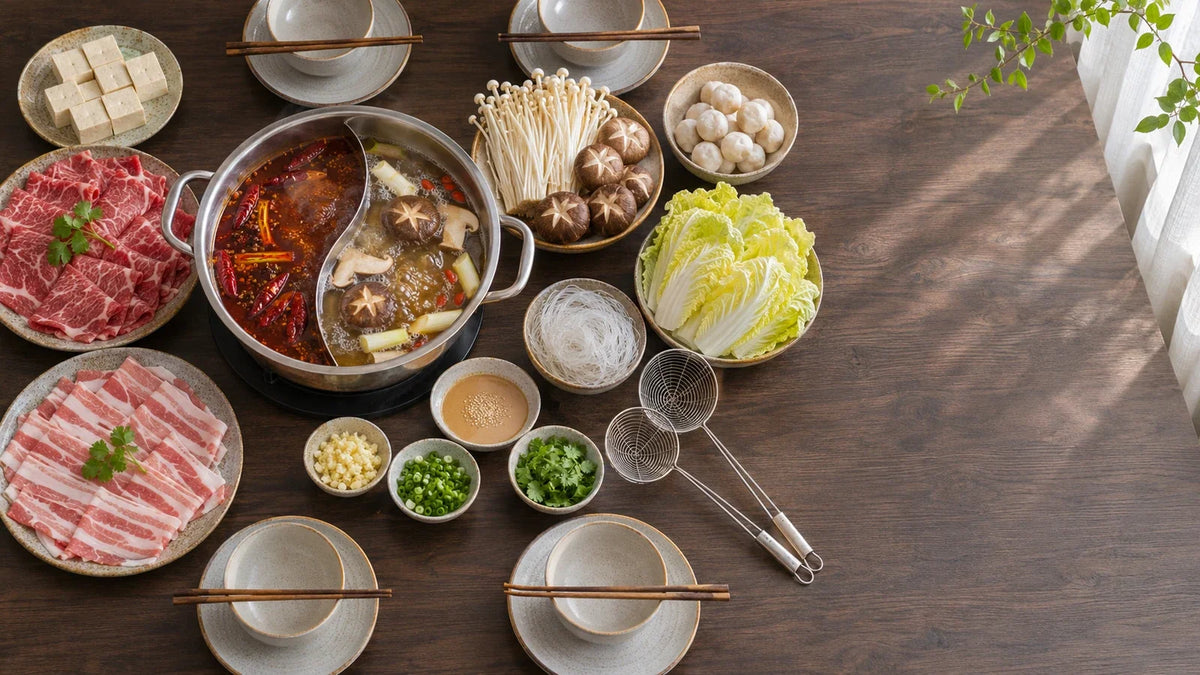
Hotpot is perhaps the coziest way to eat: a pot of bubbling broth in the middle of the table, with dishes of meat, tofu and vegetables around it, and everyone cooking their own bites. You cook and eat at the same time, you serve each other, and the evening naturally lasts longer than planned. At our home, hotpot is part of the holidays, and in the toko, questions during those weeks are mainly about broth bases and dipping sauces. Here you will find everything you need, as a follow-up to our guide on the Chinese kitchen.
What is hotpot?
Hotpot, in Chinese huoguo (火锅), is a meal where you cook raw ingredients in a pot of gently simmering broth at the table, and then dip them in your own dipping sauce. You can find it all over East and Southeast Asia, from the fiery mala hotpot of Sichuan and Chongqing to the mild lamb hotpot of Northern China. In the Netherlands, it is also called Chinese fondue, although here you cook in broth instead of oil or cheese.
What do you need for hotpot at home?
For hotpot at home, you need a wide pot on a heat source that can sit on the table, a few small strainers, and for everyone, a bowl, chopsticks and a small dish for the dipping sauce.
-
 A hotpot pan. A wide, shallow pan works best, so everyone can reach it. Many hotpot pans have a divider for two broths at the same time, such as the Charms Stainless Steel Hot Pot. A shallow soup pot or casserole dish also works.
-
 A cooktop on the table. Place the pot on a portable induction or gas cooktop, or choose an electric pot such as the Kailo Electric Hot Pot/Multi Cooker. In case of emergency, a rice cooker with the lid open can also work.
-
 Hotpot strainers. With a hotpot strainer, you can lower a portion of meat or vegetables and fish it out all at once, so nothing disappears into the pot.
- Separate chopsticks for raw meat. Use a separate pair of chopsticks or tongs for raw meat.
Which broth should you choose for hotpot?
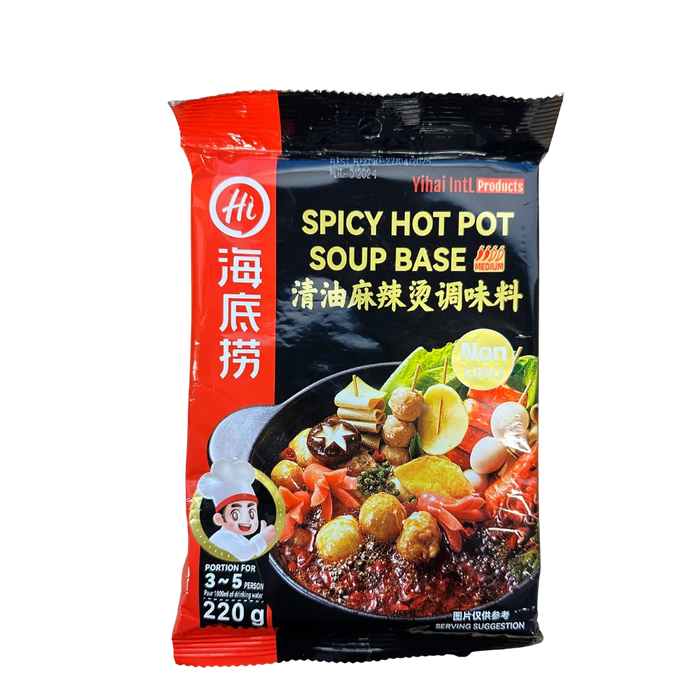
The classic choice is a spicy mala broth alongside a mild broth, so you can alternate between heat and a break. You can make your own, but a ready-made base dissolves in water or broth in just a few minutes. These are the types you will encounter most often. The bases in our toko are the same packets that are commonly found in supermarkets in China, from Haidilao and Little Sheep to Lao Gan Ma.
 Sichuan mala 麻辣Fiery and tingling
 Mild spiced broth 清汤Clear and savory
 Mushroom 菌汤Earthy and rounded
 Tom yumSour and fresh, great with fish
 Satay 沙爹Creamy and nutty
 Spicy plant-basedWithout animal ingredients
Sichuan mala
Mild broth
Tomato
Tomato broth is gently sour and a little sweet, and is often the first choice for children. You make it yourself by letting ripe tomatoes soften with ginger and scallions in some oil, pouring in broth and seasoning with a pinch of sugar and salt.
Mushroom, tom yum and satay
What do you put in the hotpot?
In the hotpot you put everything that cooks quickly: thinly sliced meat, fish, tofu, vegetables, mushrooms and at the end noodles. Make sure to vary: something savory, something fatty, something fresh and crunchy and something starchy.
-
 Meat: thinly sliced beef such as ribeye or marbled chuck, pork belly or flank, and lamb shoulder. Put it in the freezer for an hour, then you can cut it thinly, or take the frozen Kung Fu Beef Slices.
- Fish and seafood: shrimp, firm white fish, squid and fish or shrimp balls.
-
 Tofu: firm tofu such as Morinaga Extra Firm or Silken Firm, which absorbs the broth.
-
 Vegetables and mushrooms: bok choy, Chinese cabbage, spinach, lotus root, corn, shiitake and enoki.
-
 Noodles for the end: Huang Long Hot Pot Noodles, Longkou glass noodles, Sau Tao Ramen or shirataki knots, or look at the Chinese noodles.
How to make your own hotpot dipping sauce
You make a hotpot dipping sauce from a base, a few sauces, something spicy and a generous scoop of fresh aromatics, and everyone mixes their own bowl at the table. With about ten jars you make a sauce bar at home like in a hotpot restaurant. With the jars from Wangzhihe and Lao Gan Ma you have the same brands that Chinese families put on the table at home.
 Sesame paste 芝麻酱Thick and nutty
 Sha cha 沙茶酱Savory and salty
 Leek flower paste 韭花酱Classic with lamb
 Fermented tofu 腐乳Creamy and cheesy
 Chilli oil 辣椒油Heat and crunch
 Ready-made dipFor those who don't want to mix
The base: sesame paste or sha cha
Sauces and vinegar
Spicy
Fresh, crispy and special
Two house recipes
Taste as you mix, but as a starting point, these two bowls are most often on the table at our home.
- Kerensa's dipping sauce: 5 tablespoons soy sauce, 1 tablespoon sesame oil, chopped garlic, chopped chilli pepper, coriander, and spring onion.
- Fairley's dipping sauce: 1 tablespoon sesame paste, 1 tablespoon crispy chilli oil, 1 teaspoon sesame oil, 4 tablespoons soy sauce, and chopped coriander, spring onion, and garlic.
How a hotpot evening goes
A hotpot evening starts with preparation and then proceeds at everyone's own pace.
- Prepare everything. Place meat, fish, and vegetables on plates around the pan, put the sauce bar on the table, and let everyone mix their dipping sauce in advance.
- Bring the broth to a boil and let it simmer gently. Keep hot water or extra broth at hand to top up.
- Start with what takes a long time or adds flavor. Corn, lotus root, and mushrooms go into the pan first, and a few slices of meat make the broth fuller. Be careful with tofu and Chinese cabbage in the spicy half, because they soak up so much heat that they are almost inedible.
- Then it is free play. Thin meat is cooked in a few seconds and leafy greens in a minute; make sure the meat is completely cooked before you fish it out. We let go of strict orders, because the variety makes it fun.
- Take care of each other. If the meat is just right or the tofu is almost falling apart, scoop it into your tablemate's bowl. That bragging is part of hotpot.
- Finish with noodles, which now absorb all the flavor from the broth.
Dishes with the flavors of hotpot
Fancy the flavors of hotpot on an ordinary weekday evening? These dishes rely on the same mala, sesame, and dipping sauces.
Your first hotpot: where do you start?
If you are unsure, start with one spicy and one mild base, a jar of sesame paste, a jar of chilli oil, and a few hotpot strainers. With thin meat, tofu, pak choi, and noodles, you have everything for your first hotpot evening.
Alles voor je hotpotavond
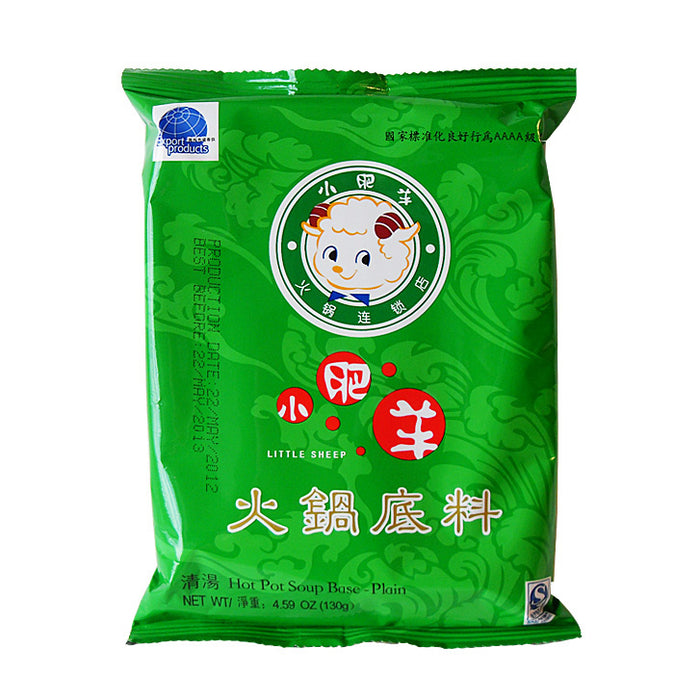
Little Sheep Hot Pot Soup Base PLAIN
View product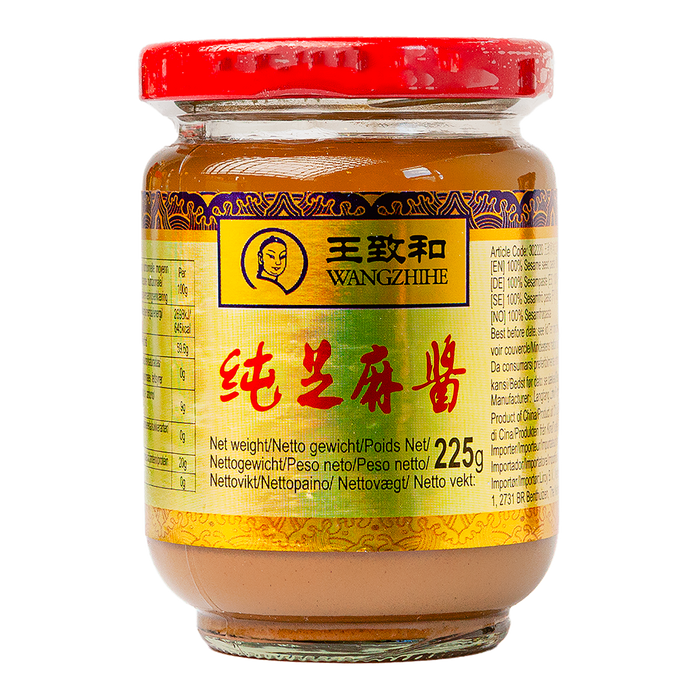
Wangzhihe Pure Sesame Paste
View product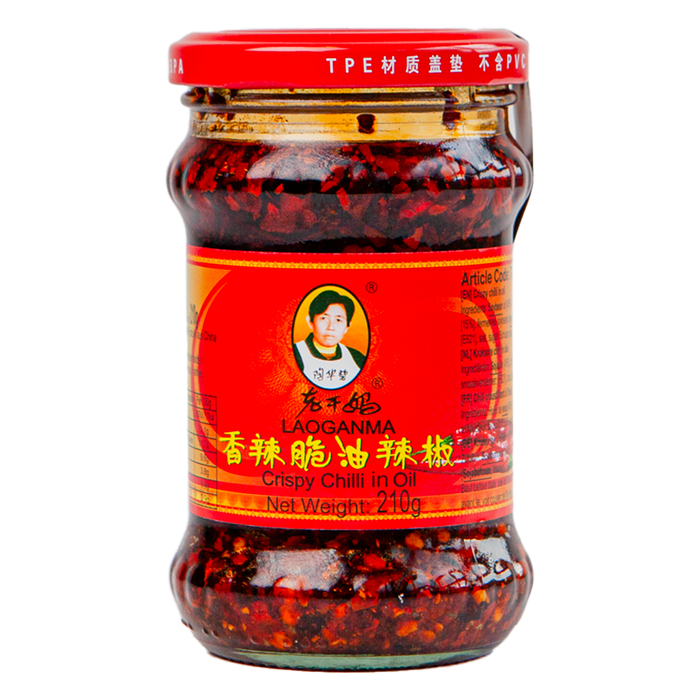
Lao Gan Ma Crispy Chilli Oil
View product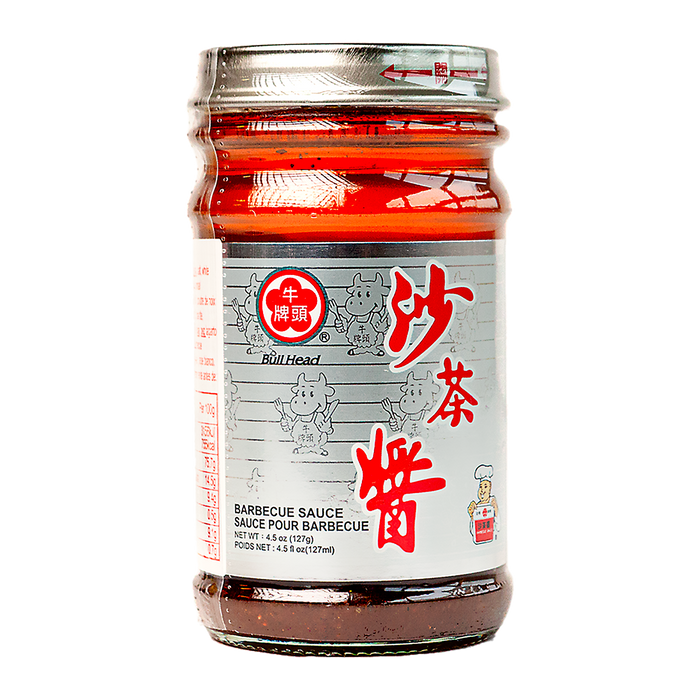
Bullhead Barbecue Sauce
View product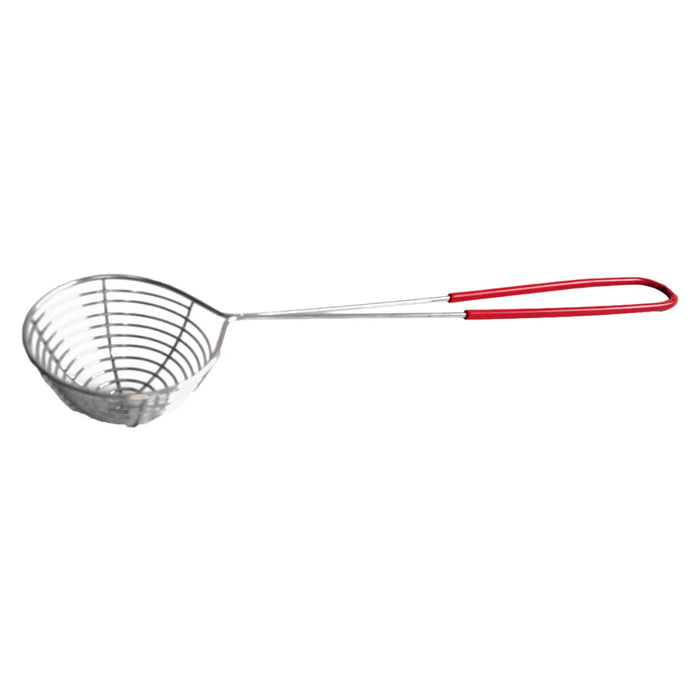
Hot Pot Sieve
View productStore opened bases and sauces as stated on the label. You can find the entire range in the hotpot collection and at Chinese sauces and flavourings.
Frequently asked questions
How much meat do you allow per person for hotpot?
Allow about 150 to 200 grams of meat or fish per person, supplemented with tofu, vegetables, and noodles.
Can hotpot be made vegetarian?
Yes, with vegetables, mushrooms, tofu, and noodles, and a broth without meat, such as a mushroom base or the plant-based Dan Dan base from Daisho. Check the label of spicy bases, because they often contain beef fat.
Can I use tahini instead of Chinese sesame paste?
You can, but tahini is usually made from unroasted seeds and is therefore lighter and milder, so your dipping sauce will be less nutty.
Which pan do you use for hotpot?
A wide, low pan on a stove at the table works best. With a pan with a divider, you can place a spicy and a mild broth next to each other, and an electric hotpot already has the heat source built in.
How long should thinly sliced meat stay in the hotpot?
Flinter-thinly sliced meat is cooked in about half a minute. Meatballs, dumplings, and firm vegetables need a few minutes, so you put them in earlier.
Which hotpot broth is not spicy?
A mushroom or mild broth, such as the Little Sheep Plain, is not spicy. With a pan with a divider, you have both a spicy and a mild side, so everyone at the table can eat along.
What is the difference between hotpot and fondue?
With hotpot, you cook the ingredients in broth instead of oil or cheese, and then dip them in a homemade sauce. In the Netherlands, hotpot is therefore also called Chinese fondue.
You don't have to make hotpot perfectly, because the evening will be good on its own as soon as the broth is bubbling and everyone is mixing their own dipping sauce. Start with a base, a few sauces, and the people you like to have around you, and discover along the way which combinations you like best. If you are unsure which base or sauce to choose, feel free to visit our shop in Amsterdam, or read on in Chinese cuisine 101 about the flavors that hotpot builds on.

