


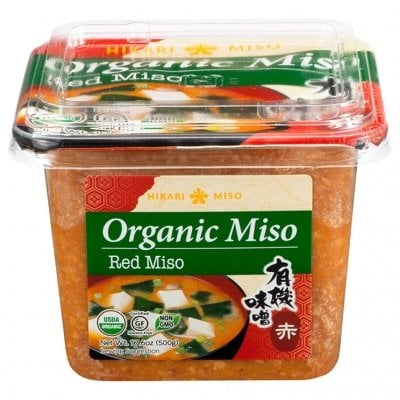
Miso 101: everything about miso varieties and cooking with miso
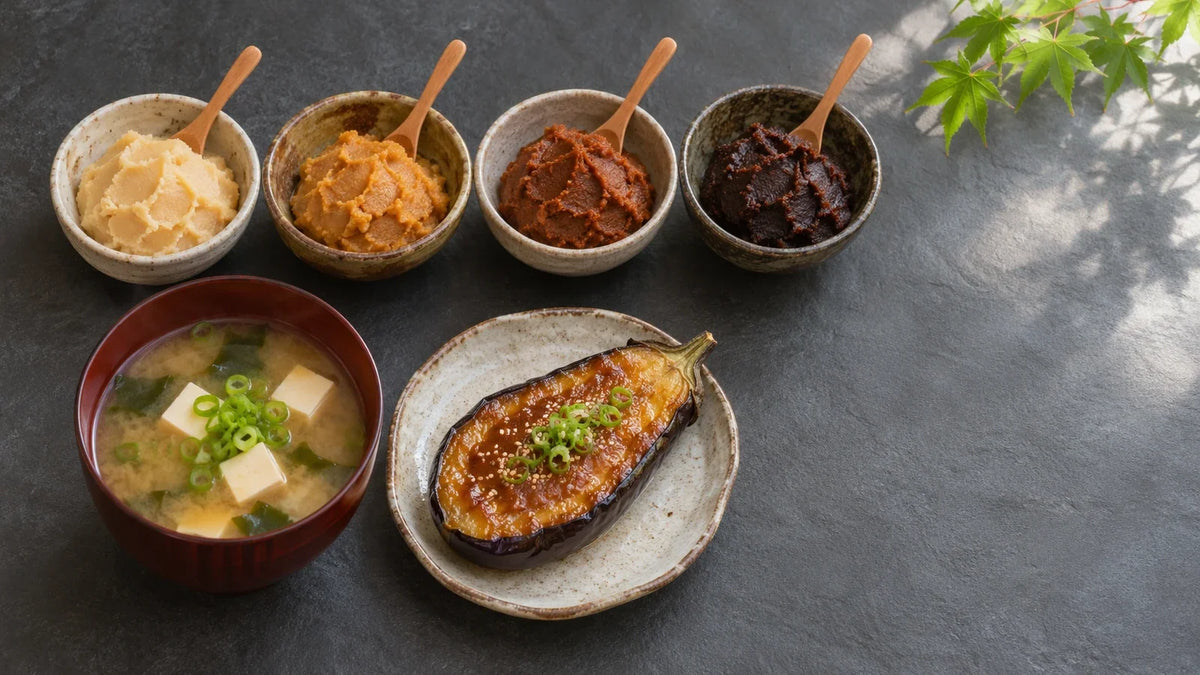
Miso is as essential in Japan as peanut butter is to us: there’s always a jar in the fridge, and almost everyone has their own favourite. By now, this fermented paste has also found a permanent place in kitchens outside Japan, and for good reason, because a spoonful of miso instantly gives a soup, sauce or marinade a deep, savoury flavour that’s hard to achieve any other way. In this guide, we’ll show you what miso is, what types there are and how to cook with it, so you’ll know exactly which jar to reach for. The jars in our toko are the same ones you’ll see in Japanese supermarkets, from brands like Hikari and Honzukuri. Read Japanese Kitchen 101 to find out how miso fits into the rest of the Japanese pantry.
What is miso?
Miso is a fermented paste made from soybeans, salt and koji, the beneficial mould that is also at the heart of soy sauce and sake. Rice or barley is often added too, and miso can be aged for anywhere from a few weeks to several years. It’s this combination of ingredients, ageing time and the region where it’s made that ensures no two misos taste the same: some are light, mild and almost sweet, while others are dark, intense and full of character.
Types of miso: from mild and sweet to deep and intense
In Japanese cuisine, you’ll generally work with three types of miso: white, red and mixed. White miso, or shiro miso, is fermented for the shortest time and is therefore light in colour, mild and slightly sweet, making it delicious in a light soup or creamy dressing. Red miso, aka miso, can be aged for much longer, giving it a deep red to brown colour and a full, robust umami flavour that works well in stews, marinades and anything that could use a little more character. Mixed miso, awase miso, sits nicely in between, combining the mildness of white with the depth of red, so you can use it in all sorts of ways.
You can also classify miso by the koji used: most miso is kome miso, made with rice, while mugi miso is made with barley and mame miso is made almost entirely from soybeans, such as dark hatcho miso.
Special types of miso from our shop
- Shinshu Miso: This golden-yellow miso from the Shinshu region is the most popular type in Japan, and you can taste why, with its fresh aroma and beautiful umami balance, making it perfect for almost any miso soup.
- Kodawattemasu Miso: An organic miso made from rice and soybeans. Long fermentation gives it a bright red colour and a distinctive, rich flavour with a robust miso aroma.
- Inaka Miso: Inaka means countryside, and this miso is based on the kind that farmers used to make at home and age for a long time. This gives it its deep colour and a robust, rich umami flavour that works well in hearty soups and stews.
- Mutenka Koji Miso: Mutenka means without additives, so this contains nothing but the usual miso ingredients. A pure, versatile miso for your everyday miso soup, but also delicious in a dressing or homemade mayonnaise.
- Craft Miso Nama Koji: Handcrafted with nama koji and unpasteurised, allowing fermentation to continue in the jar. This gives it a deeper, more complex umami flavour with the gentle sweetness of rice koji, perfect with aubergine, tofu or fish.
- Organic Saikyo Sweet Miso: This broken-white miso in the Kyoto style is made from organic rice and soybeans and is notably sweet. This makes it popular in refined kaiseki cuisine and as a marinade for fish, meat, poultry and vegetables, such as the well-known miso-marinated cod.
- Honzukuri Shiro Miso and Honzukuri Shinshu Aka Miso: Two naturally fermented misos, one light and mild, the other dark and full-bodied. The darker the miso, the longer it has been aged and the more intense its flavour.
- Honzukuri Shinshu Genen Miso and Organic Mild Sodium Miso: Two milder misos in which the saltiness takes a back seat, allowing the soft, rounded miso flavour to shine through. Ideal if you prefer a more subtle taste.
- Aged Red Miso: This red miso is aged longer than most regular misos, giving it a powerful, rich umami flavour that is best enjoyed in full-bodied soups, stews and hearty vegetable dishes.
Curious about our full range? In the Miso & Bouillon collection, you’ll find all our miso pastes together, along with dashi and other bouillons to get you started.
Onze populairste miso pasta’s
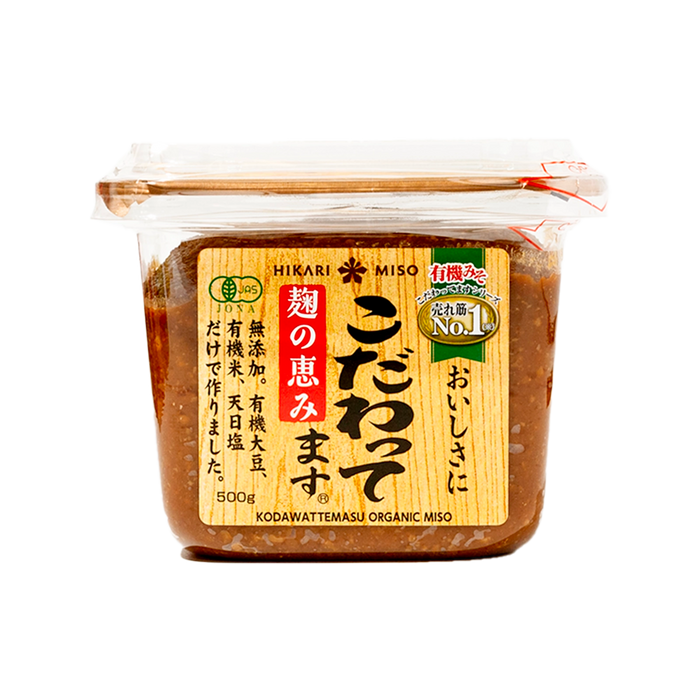
Hikari Kodawattemasu Miso
View product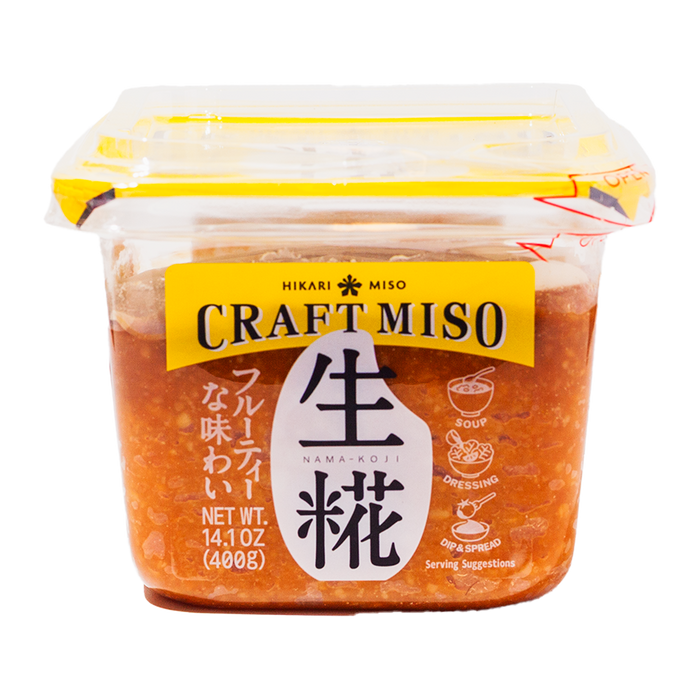
Hikari Craft Miso Nama Koji
View product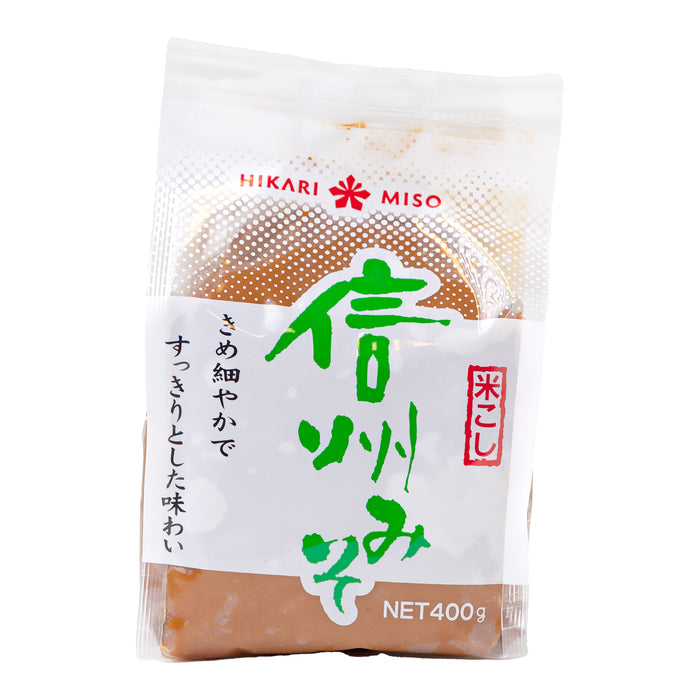
Hikari Shinshu Miso Paste
View product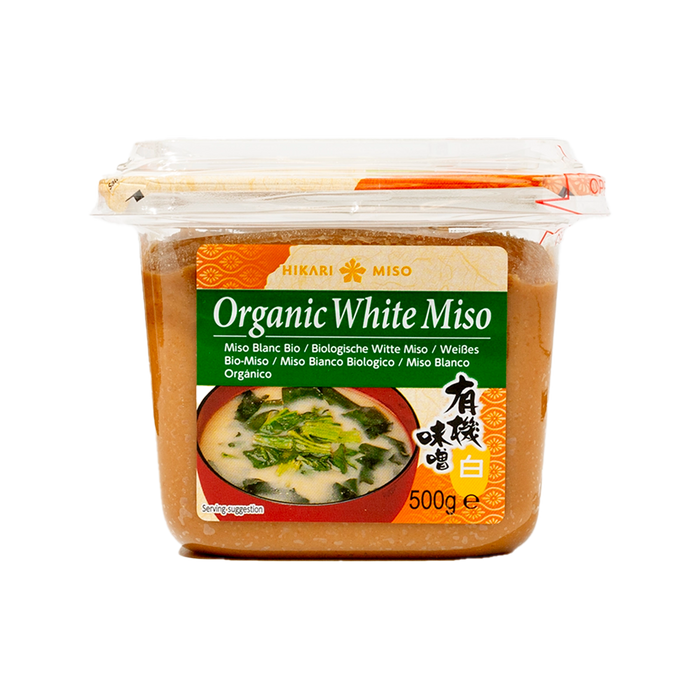
Hikari Organic White Miso Paste
View product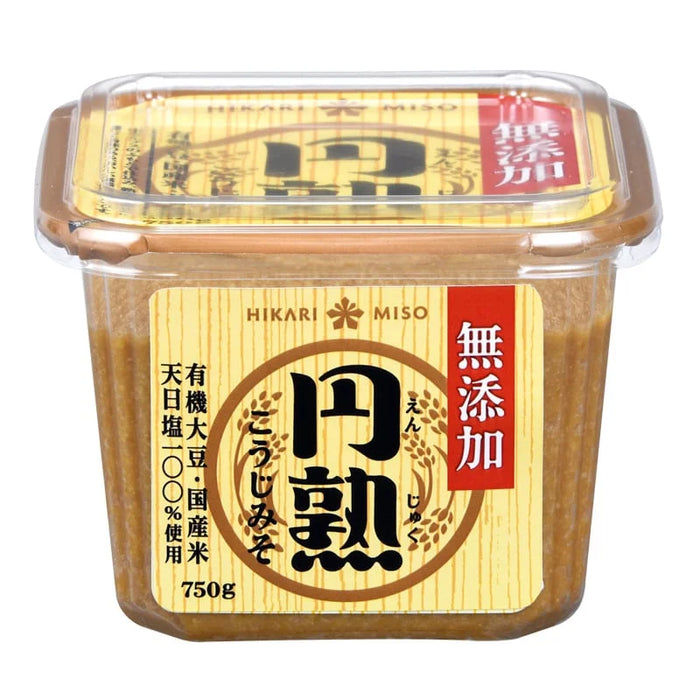
Hikari Enjuku Koji Miso
View product
Which miso should you choose?
Which miso to choose depends on what you’re cooking: white miso for light soup and dressing, red for hearty soup and stew, and mixed for anything in between. Below are the jars from the shop, from mild to intense.
 White miso Shiro · mildSoft and slightly sweet, for clear soup and dressings
 Shinshu miso Golden-yellow · all-purposeFresh and well-balanced, for your everyday miso soup
 Mutenka koji miso No additivesPure and versatile, from soup to dressing
 Saikyo miso Sweet · Kyoto styleFor marinades and saikyo yaki
 Genen miso Lower in saltSoft, rounded miso flavour
 Inaka miso Aka · robustFull and deep, for hearty soup and stew
 Kodawattemasu miso Red · distinctiveRich and robust, with a strong miso aroma
 Craft miso nama koji UnpasteurisedComplex and gently sweet, with aubergine or tofu
 Doenjang Korean · 된장Coarser and more intense, for jjigae
For a marinade, try awase or aka miso, or Saikyo miso if you want a sweet, glossy crust. You can also mix two types together until you find the balance that suits you, just as many Japanese chefs do.
Not sure where to start? Try an all-purpose Shinshu miso or a mild white miso: you can make a familiar miso soup and creamy dressing with either, and once you fancy heartier stews, simply add a jar of red miso to the mix.
What’s the difference between miso and doenjang?

Cooking with miso
The beauty of miso is that you can use it for so much more than just soup. A spoonful in a sauce, marinade or even a pan of roasted vegetables instantly adds a savoury depth, and with so many varieties, you can tailor the flavour to suit what you’re cooking. Here are a few ways to use miso in your own kitchen.
Miso soup
Miso soup, or misoshiru, is perhaps the best-known miso dish and a staple of almost every meal in Japan, from breakfast to dinner. With a good dashi, a spoonful of miso, some tofu and wakame, you can serve up a warm, comforting bowl in just a few minutes. An important tip: don’t let the miso boil, but stir it into the hot broth at the very end, so its flavour and aroma are at their best. Our misoshiru recipe shows you step by step how to make it.
Marinades and glazes
Miso makes a great base for marinades and glazes for fish, meat and vegetables. Leave your ingredients to marinate in the miso for a while, and its savoury, rounded flavour will slowly soak in. When it goes into the pan, on the grill or in the oven, the miso caramelises into a beautiful glossy, gently sweet layer. To try it the Japanese way, make our Saikyo yaki: marinate salmon fillet in sweet Saikyo miso overnight, then grill until it is beautifully golden brown, tender and juicy inside.
Salad dressings
With a spoonful of white miso, a splash of rice vinegar and some oil, you can whip up a creamy dressing in no time that tastes just different from what you’re used to. A drop of sesame oil, some honey or a little grated ginger makes it even richer, and it’s delicious not only over a fresh salad, but also over cold noodles, steamed vegetables or a bowl with rice.
Cooking vegetarian and vegan dishes with miso

Recipes with miso
These recipes will let you taste the difference for yourself, including the broths that go with them.


How do you store miso?
Store an unopened jar of miso in a cool, dark place, such as a pantry, and it will keep perfectly until the best-before date on the packaging. Once opened, keep it in the refrigerator and make sure the jar is tightly sealed, or transfer the miso to an airtight container. You can also place a piece of baking paper on top of the miso to prevent it from drying out. It will ripen much more slowly in the refrigerator, so your miso will retain its colour and flavour. If it does get a little darker over time, there's no need to throw it away: it simply means the miso is continuing to ripen, and its flavour will often only become deeper as a result. For the rest, follow the advice on the label of your jar.
Frequently asked questions
What is the difference between white and red miso?
White miso is fermented for a short time and is light, mild and slightly sweet; red miso is fermented for longer and tastes saltier and fuller.
Which miso do you use for miso soup?
For a mild, light miso soup, use white or Shinshu miso; if you want a fuller soup, choose red miso or mix white and red.
Is miso vegan?
The paste itself is plant-based, but classic miso soup is made with dashi from dried fish; use kombu dashi for a vegan soup.
Is miso gluten-free?
Not always, as mugi miso is made with barley and other varieties may also contain grain. If you are gluten-free, always check the label on the jar.
Can I use doenjang instead of miso?
It can work in a hearty stew, but use less; for a light miso soup or sweet marinade, it's better to stick with miso.
How long does miso last after opening?
When properly sealed in the refrigerator, opened miso will keep for a long time; follow the advice on the packaging for the exact timeframe.
Miso is one of those ingredients that can sit in the refrigerator waiting for you to need it, and once you're used to a spoonful in your soup or dressing, you'll probably never want to be without it again. Feel free to start with one jar, and if you're still unsure when you're in front of the shelf in our shop in Amsterdam, just ask us. For the rest of the Japanese basics, check out Japanese cooking 101, Everything Japanese and Mirin 101.

