


Asian Noodles 101: Which Noodles to Choose for Which Dish?
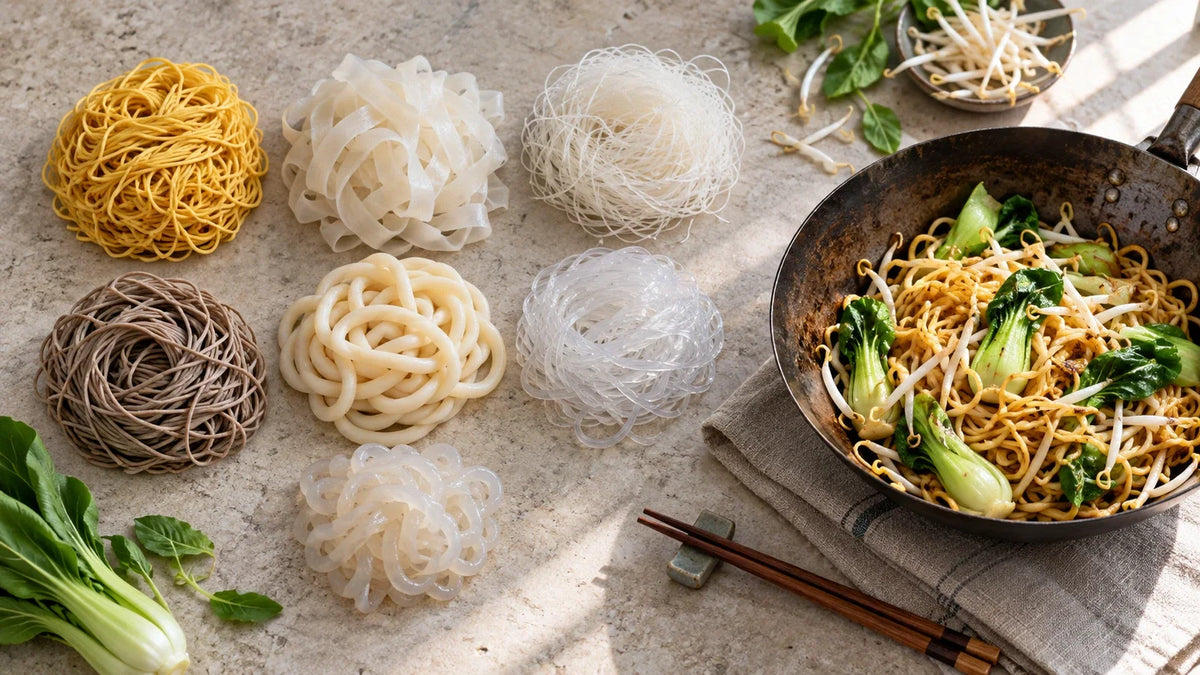
In the shelf of our toko in Amsterdam, noodles of all thicknesses and colours sit side by side, from thick white udon to glass noodles as thin as thread, and that’s exactly what makes choosing so difficult. Which ones belong in your pho, which in the wok and which in a cold salad? This guide explains them by ingredient and country, with cooking tips that make the difference between a sticky lump and perfectly cooked noodles. These are the same packs you’ll see in supermarkets across Asia, from Japanese soba by Hakubaku to Chinese glass noodles by Golden Lily and Vietnamese rice noodles by Tufoco.
Which Asian noodles should you buy for which dish?
Which Asian noodles you buy depends mainly on the dish: egg noodles and mie for the wok, flat rice noodles for pho and pad thai, thin rice vermicelli for fresh bowls, sweet potato glass noodles for japchae and udon or soba for Japanese soup and cold dishes. Wheat gives firmness and spring, rice makes a noodle soft and light, and starch provides a glassy, chewy bite.
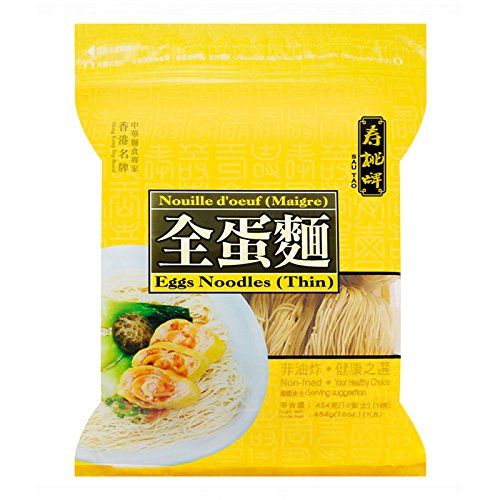
 Egg noodles wheat with eggFor chow mein and fried noodles from the wok
 Mie for bamiFor bami goreng and Surinamese bami
 Udon thick wheat noodleIn hot broth or fried as yaki udon
 Banh pho flat rice noodleThe noodle that belongs in a bowl of pho
 Rice noodles 3 mm sen lekThin and flat, for pad thai
 Rice vermicelli bun · bihunFor bun thit nuong, salads and spring rolls
 Dangmyeon sweet potato starchChewy, glassy noodle for japchae
 Soba buckwheatCold with a dipping sauce or warm in broth
Which Asian noodles are made from wheat?
 Ramen ラーメンSpringy and yellow, for a bowl of ramen
 Udon うどん · driedThick and soft, stays on the shelf for a long time
 Thick egg noodles 蛋面Firm enough for the wok and a thick sauce
 Wonton noodles 云吞面Thin and springy, for wonton soup
 Chinese wheat noodles without eggNeutral and firm, for soup and sauce
 Somen そうめんVery thin, especially eaten cold in summer
Which Asian noodles are made from wheat?
Ramen ラーメンSpringy and yellow, for a bowl of ramenUdon うどん · driedThick and soft, stays on the shelf for a long timeThick egg noodles 蛋面Firm enough for the wok and a thick sauceWonton noodles 云吞面Thin and springy, for wonton soupChinese wheat noodles without eggNeutral and firm, for soup and sauceSomen そうめんVery thin, especially eaten cold in summer
What types of rice noodles are there?
 Wide rice noodles 10 mmFor beef chow fun and pad see ew
 Flat rice noodles 5 mmAn allrounder for soup and stir-fries
 Thick vermicelli bun bo HueRound, firm noodles for spicy soup
 Rice vermicelli Kong MoonThin, for fried vermicelli and soup
 Bihon FilipinoFor pancit bihon with vegetables and meat
For a bowl of pho bo, choose Tufoco Rice Sticks Banh Pho 5mm or the narrow Banh Pho 1mm. Rice noodles contain no wheat themselves, but if you cook them gluten-free, always check the label.
What is soba and what is it made of?
What are glass noodles and what is se-oen?
 Se-oen mung bean glass noodlesThin and transparent, for soup and stir-fries
 Longkou vermicelli 龙口粉丝 · fensiChinese mung bean glass noodles
 Sotanghon FilipinoGlass noodles for soup and pancitDangmyeon 당면Thicker and chewier, the noodle for japchae
 Sweet potato noodles thinFor hotpot, soup and Korean dishes
Mung bean noodles are thin and only need to be soaked in hot water, while dangmyeon is made from sweet potato, is thicker and greyish, and needs to be boiled for a few minutes.
What are shirataki noodles?
There are also thin angel hair and small knots from Fishwell, all in the shirataki noodles.
Which noodles do you eat in which Asian country?
Every country has its own noodles, and often its own way of eating them. Choose a country to see everything in that shelf.
 Japan 日本Ramen, udon, soba and somenShop now
 China 中国Egg noodles, mie and wheat noodlesShop now
 Korea 한국Ramyeon, glass noodles and buckwheat noodlesShop nowThailand ไทยRice noodles in every widthShop nowVietnam Việt NamBanh pho and bunShop now
 Indonesia IndonesiaMie and bihun for bamiShop now
 Philippines PilipinasPancit canton and bihonShop now
 Taiwan 台灣Wide wheat noodles for soupShop now
All your noodles in one place
From udon and mie to glass noodles and rice vermicelli, all on one shelf.
How to cook Asian noodles
Cook Asian noodles according to the package instructions, but follow these four habits to make them better every time.
- Boil or soak: boil wheat noodles in plenty of water; thin rice vermicelli and glass noodles often only need to soak in hot water for a few minutes.
- Rinse: for stir-fries and cold dishes, rinse them under cold water to remove the sticky starch; if adding them to hot broth, simply drain them.
- Prevent sticking: use plenty of water, stir during the first minute, and toss with a few drops of sesame oil after rinsing.
- Stir-fry: cook the noodles for a little less time, drain them well and fry over high heat, because wet noodles steam instead of fry. That's how to make Cantonese fried egg noodles or bami goreng.
Japanese noodles and instant noodles: read more
Recipes with Asian noodles
These recipes will take you on a culinary journey through Asia, from Canton to Suriname.
Or make beef chow fun, pad see ew, bun thit nuong, bun bo Hue, pancit palabok or the Hong Kong noodle soup caan daan min.
Not sure which noodles to stock up on first? Start with a pack of thin egg noodles for stir-fries, a pack of flat rice noodles for soup and pad thai, and a packet of glass noodles: with these, you can make most of the recipes above.
Noedels om mee te beginnen
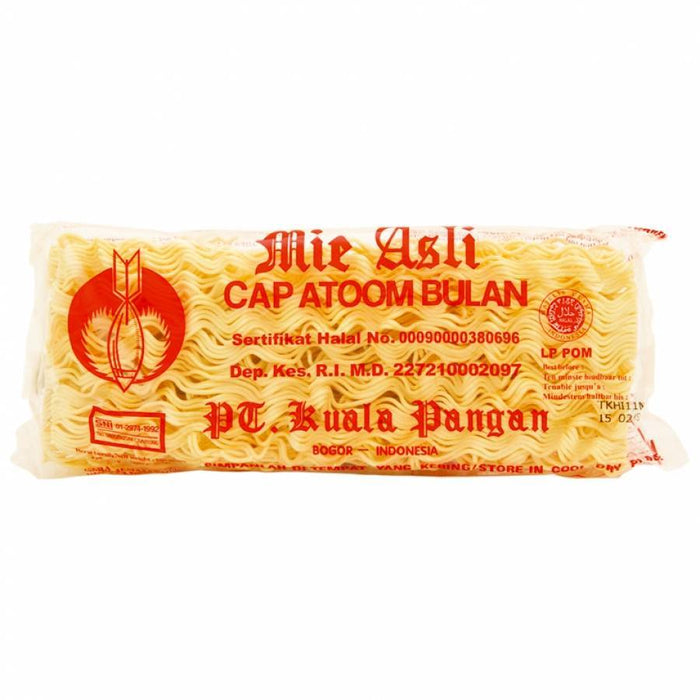
Cap Atoom Bulan
View product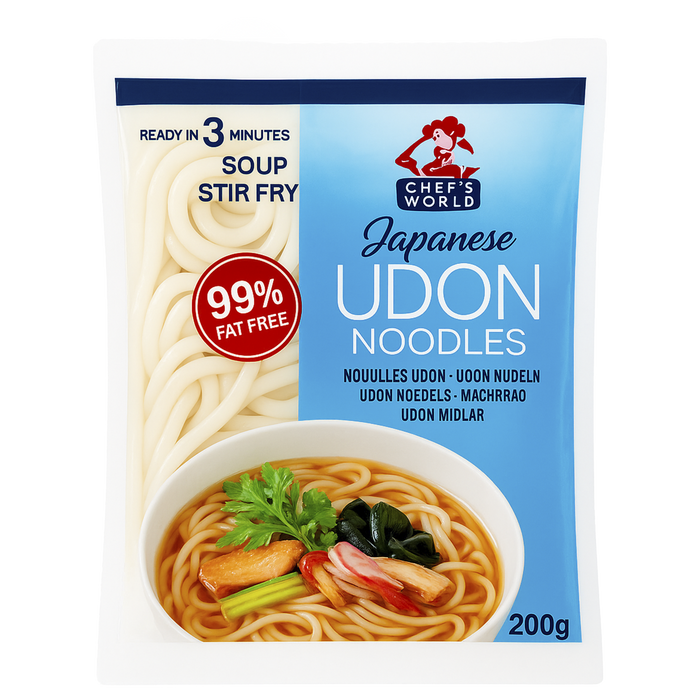
Chef's World Udon
View product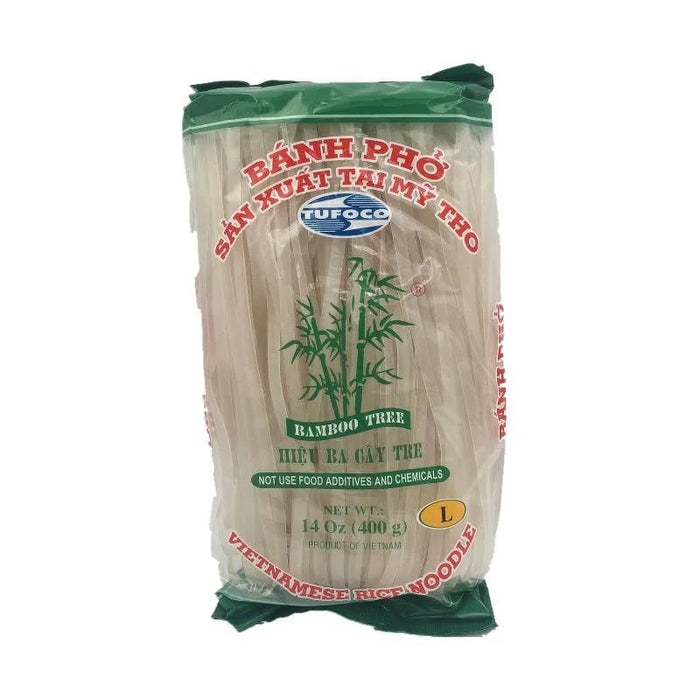
Tufoco Tufuco Rice Sticks Banh Pho 5mm (L)
View product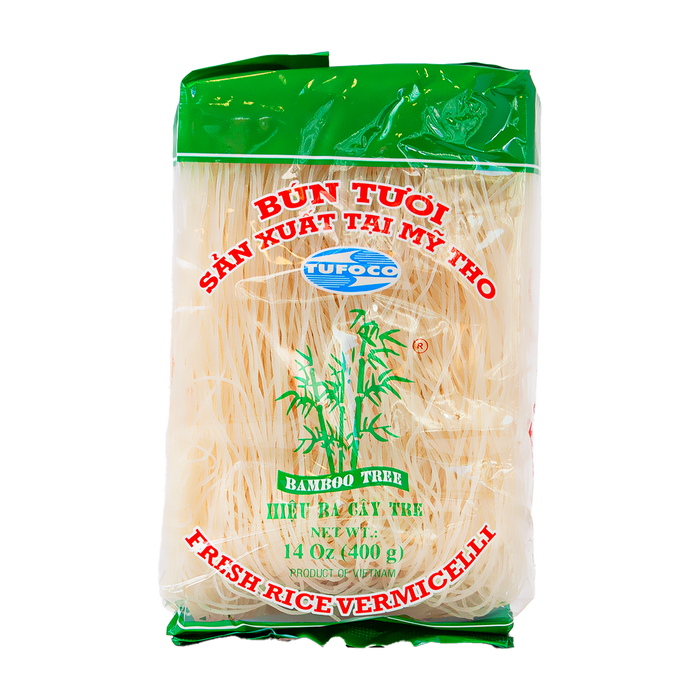
Tufoco Bamboo Tree Rice Vermicelli
View product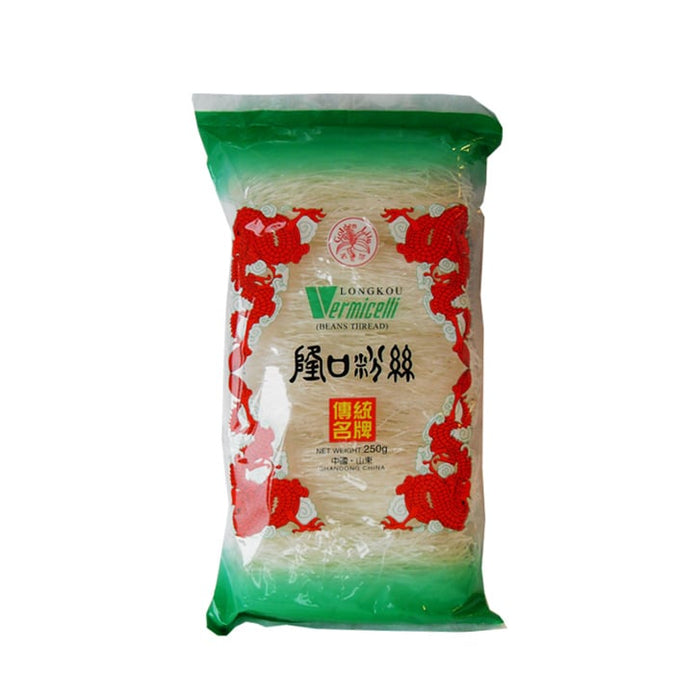
Golden Lily Premium Longkou Vermicelli
View productFrequently asked questions
What is the difference between mie and bami?
Mie is the noodle itself, a wheat noodle usually made with egg. In the Netherlands and Suriname, bami is the name of the dish made with it.
What is the difference between glass noodles and rice vermicelli?
Glass noodles are made from starch, usually mung bean or sweet potato, and become transparent when cooked. Rice vermicelli is made from rice flour and stays white.
What is se-oen?
Se-oen is the Javanese-Surinamese name for glass noodles. You use thin mung bean vermicelli for it, which you only need to soak in hot water for a while.
Which noodles do you use for pho?
For pho you use banh pho: flat rice noodles a few millimeters wide, which you place in the bowl before pouring the hot broth over them.
Which noodles are best for stir-frying?
Egg noodles and mie are the easiest, because they stay firm. Wide rice noodles also work well, but soak them instead of boiling them.
Should you rinse noodles after boiling them?
Yes, for stir-frying, salads and cold dishes, so that the starch is washed off. If they go straight into hot broth, just drain them.
Are rice noodles and soba gluten-free?
Rice noodles do not contain wheat by themselves, and soba often contains wheat flour in addition to buckwheat. Therefore, always check the label if you are cooking gluten-free.
Cooking noodles is mainly a matter of trial and error, because after a few times you know exactly how long your mie needs to boil and how thin you prefer your rice noodles, and then that pan of noodles on a weekday evening becomes something very ordinary. If you are standing in the toko in Amsterdam in front of the noodle shelf and are not sure, feel free to ask us, and if you want to continue with the Japanese side of the story, you will find the basics in Japanese cuisine 101 and the full selection in Noodles & Rice.

