


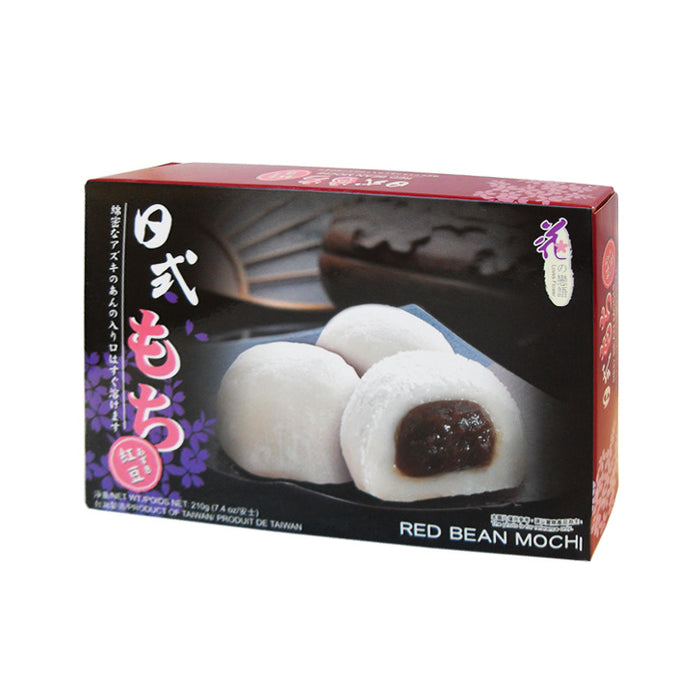
Mochi explained: daifuku, mochi ice cream and Taiwanese mochi
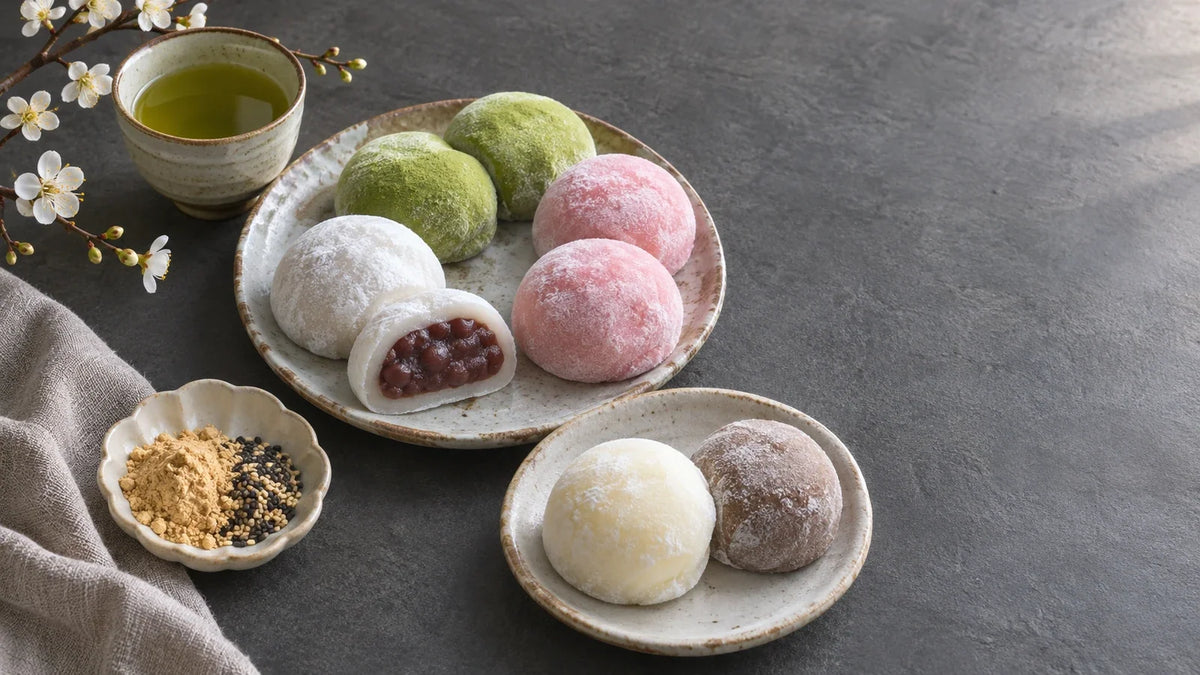
You’ll recognize mochi immediately when you bite into it: first a soft, almost powdery layer, then that chewy, springy dough that bounces back a little, and in the middle a sweet filling of red beans, sesame or peanuts. For some, it’s a nostalgic treat to enjoy with tea; for others, a curious discovery from a colourful pouch. In our shop in Amsterdam, we have entire shelves full of them, from classic red bean to bubble milk tea and durian, and in this guide we explain what you’re actually holding. Most come from Taiwanese brands like Royal Family and Love & Love, exactly the kind of pouches you see in supermarkets in Taiwan. If you’d rather browse the whole snack aisle, start with Snacks 101.
What is mochi?
The dough itself tastes mild; the flavour comes from the filling. Read more about the role of rice in Japan in Japanese cuisine 101.
What is the difference between daifuku, ice mochi and other mochi?
 Mini daifuku Love & Love · 80 gSmall balls with matcha
 Red bean mochi · 120 gThe classic sweet bean filling
 Peanut Loves Flower · 210 gPeanut filling, outside with ground peanuts
 Mochi roll Love & Love · 150 gRolls with red beans and cream
Ice mochi
Other forms of glutinous rice
Besides daifuku and ice mochi, there are many more forms. In Japan, you eat dango, small balls on a stick, and mochi squares that you roast or put in soup. In Taiwan, you often see mochi with a layer of grated coconut or finely ground peanuts. And in the rest of Asia, almost every cuisine has its own glutinous rice sweet, from Chinese nian gao around Lunar New Year to Philippine bilo-bilo. Korean tteok are also rice cakes, but for the savoury tteokbokki you use regular rice, not glutinous rice.
Japanese or Taiwanese mochi: what is the difference?
You taste the difference mainly in the fillings. Japanese mochi often stays close to red beans, matcha and other classic flavours. Taiwanese mochi plays more: bubble milk tea, brown sugar, taro, pandan with coconut and even tiramisu. The filling is often a soft, creamy paste based on beans with the flavour added, and the outside is usually dusted with a little starch so that the balls do not stick together.
 Matcha mochi Seiki · Japan · 130 gSoft dough with a creamy matcha filling
 Sesame Love & Love · Taiwan · 210 gTaiwanese mochi with sesame flavour
 Brown sugar Loves Flower · Taiwan · 210 gBrown sugar filling
 Matcha latte Royal Family · Taiwan · 120 gCreamy matcha with milk
What mochi flavours are there?
Classic: red bean, sesame, peanut and matcha
 Red bean Loves Flower · 210 gCreamy red bean filling
 Green tea Loves Flower · 210 gGreen tea filling
 Matcha mochi · 120 gSweet with a slightly bitter note
 Matcha and red bean Love & Love · 180 gTwo classics in onePeanut Loves Flower · 210 gCreamy peanut with ground peanuts
Tea time and dessert
 Bubble milk tea Love & Love · 180 gMilk tea in a mochi
 Bubble milk tea mochi · 120 gThe smaller bag
 Tiramisu Royal Family · 120 gCoffee and cream
 Strawberry cheesecake Royal Family · 120 gStrawberry with creamy cheesecake
 Maple pancake Royal Family · 120 gPancake with maple syrup
Fruity
 Strawberry Love & Love · 300 gSweet and fruity
 Lychee Loves Flower · 300 gFragrant and fresh
 Mixed fruit mochi · 120 gStrawberry, melon and orange
For the daring: durian, taro and pandan
 Durian Kaoriya · 210 gCreamy and distinctive
 Purple rice and taro mochi · 120 gSoft and slightly nutty
 Pandan and coconut Love & Love · 180 gGreen, fragrant and sweet
 Coconut, pandan, red bean Love & Love · 180 gWith a coating of shredded coconut
 Coconut, pandan, taro Love & Love · 180 gCoconut on the outside, taro on the inside
Mochi om mee te beginnen
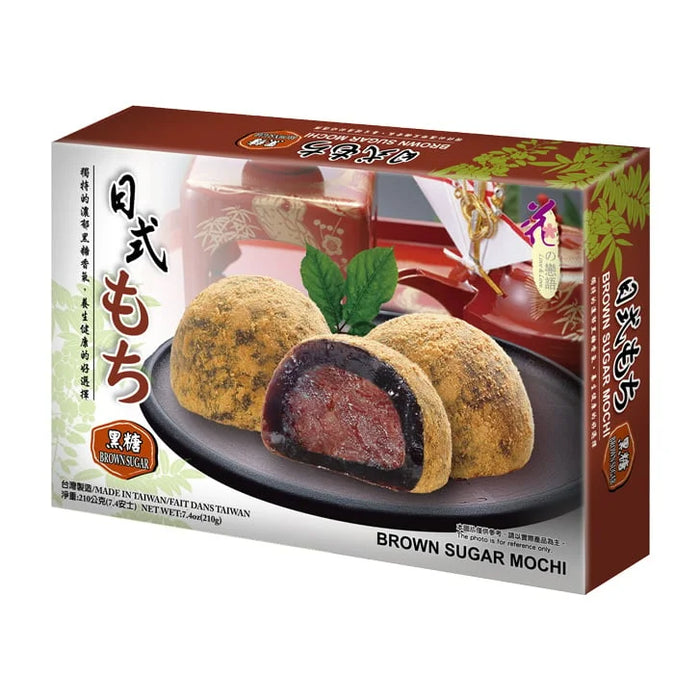
Loves Flower Brown Sugar Mochi
View product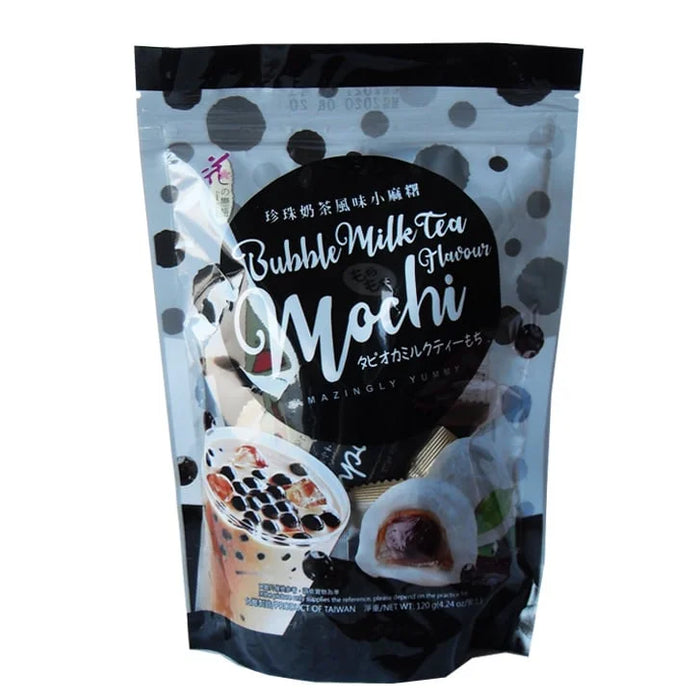
Mochi Bubble Milk Tea Flavor
View product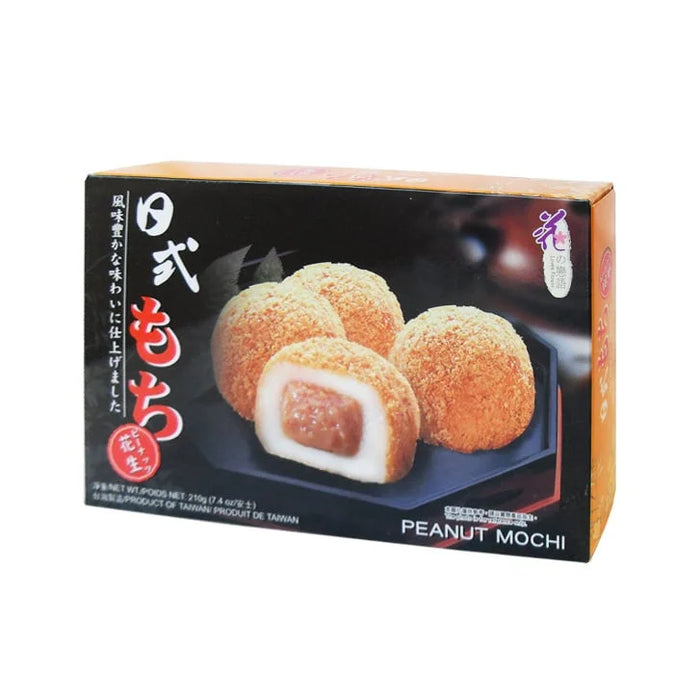
Loves Flower Pinda Mochi
View product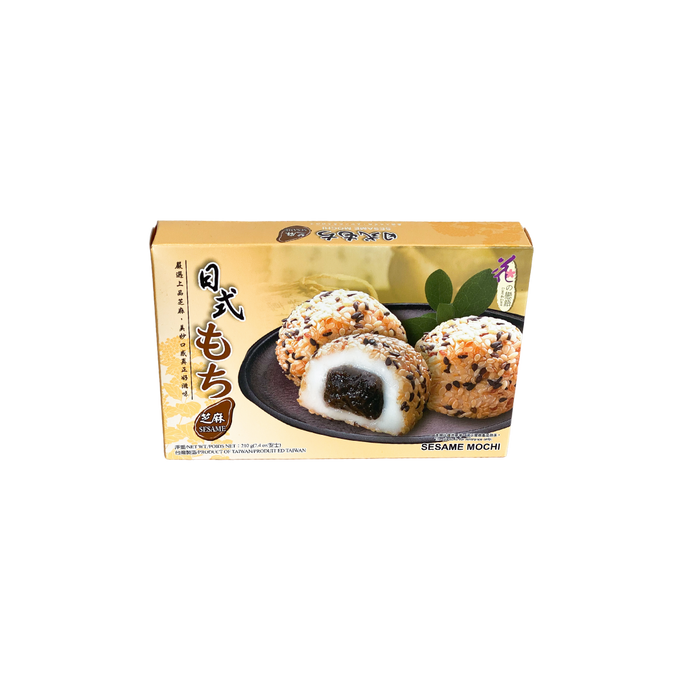
Love & Love LL Taiwanese Sesame Mochi
View product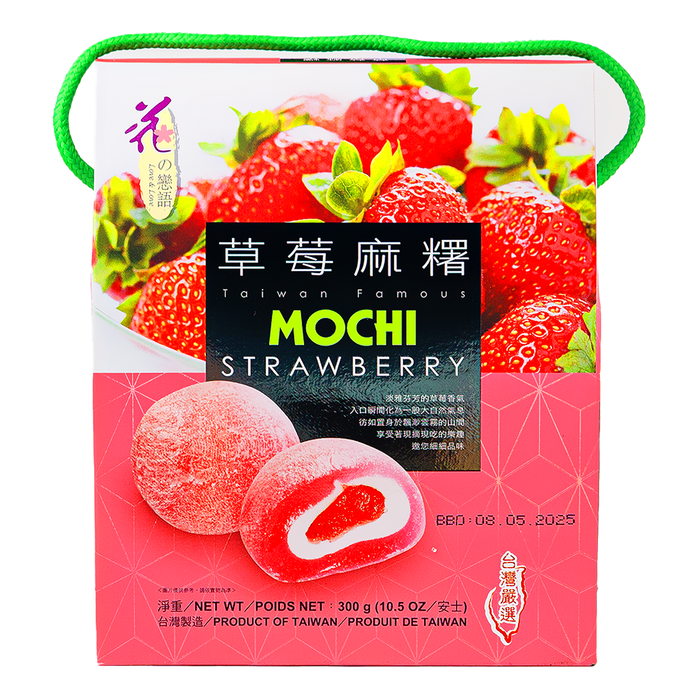
Love & Love Taiwanese Strawberry Mochi
View product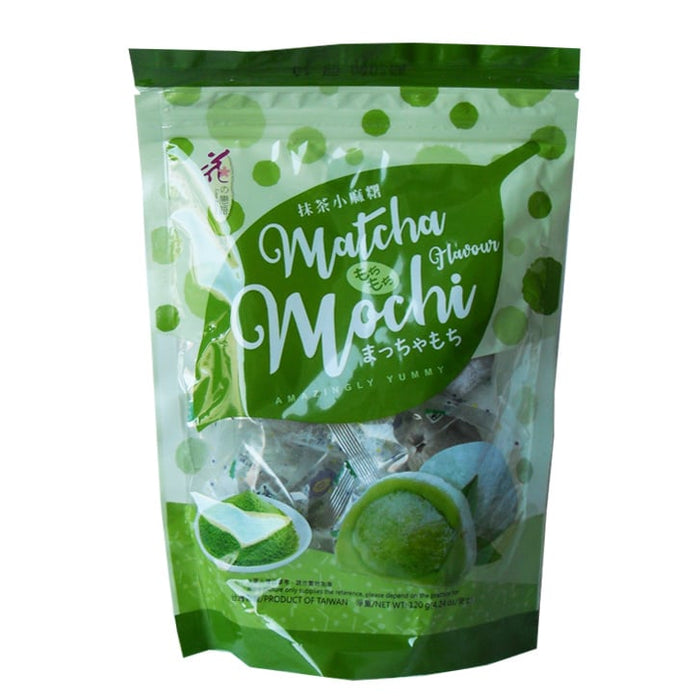
Mochi Matcha Flavour
View product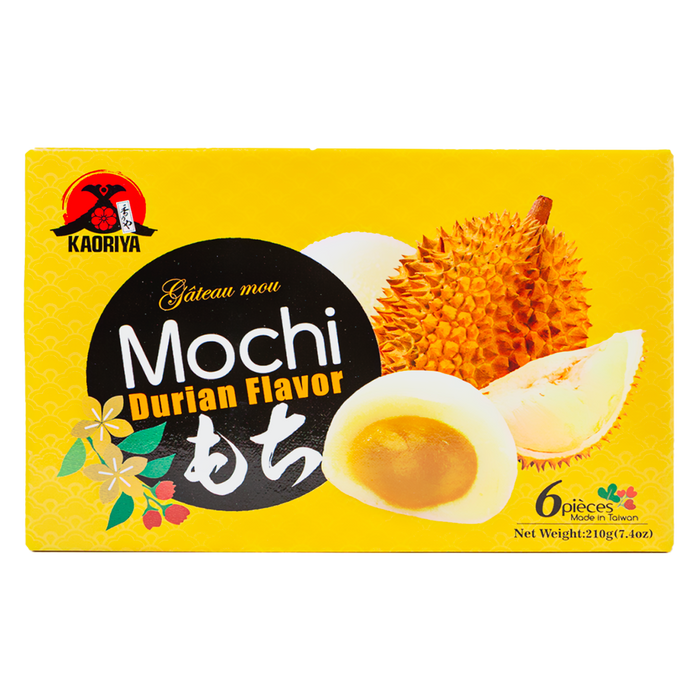
Kaoriya Mochi Durian Flavor
View product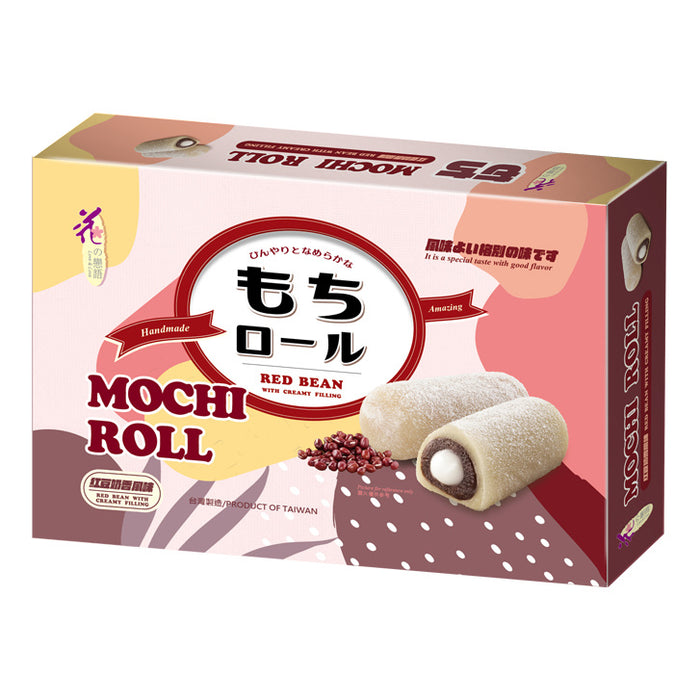
Love & Love Mochi Roll Red Bean & Creamy Filling
View productIs mochi shelf-stable or should it be kept in the freezer?

How do you eat and store mochi?

Take it easy with small bites
Mochi is chewy and sticky, and that's exactly what makes it so delicious. Take small bites and chew thoroughly, especially if you're giving mochi to young children or older family members. Feel free to cut a large mochi into pieces, so you can keep enjoying it.
Not sure where to start? Grab a bag of red bean for the classic flavour, a bag of bubble milk tea to see how Taiwanese mochi plays with flavours, and if you dare, a bag of durian; with these three you'll quickly find out which way you want to go.
Can you make something like mochi yourself with glutinous rice?
Most people don't make mochi at home, but if you want to play around with glutinous rice flour, you can easily start with a related dish. In the Philippines, they make ginataang bilo-bilo: glutinous rice balls cooked in sweet coconut milk with saba banana, sweet potato and langka. It's not mochi, but you'll immediately feel the same soft, chewy bite.

Where can you find mochi in the webshop?
We have our own mochi collection, and you'll also find them among the Taiwanese and Japanese snacks.
Mochi daifuku, mochi rollAll shelf-stable mochi, from red bean to durianShop nowTaiwanese snacks mochi, candyMochi and other candy from TaiwanShop nowJapanese candy and chocolate okashiJapanese mochi, chocolate and candyShop nowJapanese snacks sweet and saltyEverything Japanese in the snack aisleShop now
Read more about snacks
Mochi is just one shelf in the snack aisle; in these guides you'll read about the rest.
 Snacks 101 the whole guideSnacks from Asia and the rest of the world
 Japanese snacks chips, chocolate, candyFrom Calbee to Kit Kat from Japan
 Korean snacks chips, cookies, candyChoco Pie, Pepero and honey butter chips
 American and British candy candy, chocolateSour, sweet and full of peanut butter
All mochi in one place
Red bean, matcha, bubble milk tea, durian and more, individually packaged and shelf-stable.
Frequently asked questions
What is mochi made of?
Glutinous rice. Traditionally, steamed glutinous rice is pounded into an elastic dough; packaged mochi is usually made from glutinous rice flour with sugar or maltose. The ingredients are on the label.
What is the difference between mochi and daifuku?
Mochi is the dough made from glutinous rice. Daifuku is mochi with a filling, classically sweet red bean paste. Most packaged mochi in the store are therefore actually daifuku.
Does mochi need to be in the refrigerator?
Shelf-stable packaged mochi can stay in the cupboard; follow the label for storage after opening. Ice mochi must stay in the freezer.
Is ice mochi the same as mochi?
Ice mochi is a ball of ice cream in a thin layer of mochi dough. It is a frozen product and therefore something different from the shelf-stable mochi with a filling of beans or cream.
How do you eat mochi?
Just out of the bag, at room temperature or briefly chilled, with a cup of tea. Take small bites and chew thoroughly, because the dough is chewy and sticky.
Is mochi Japanese or Taiwanese?
Mochi comes from Japan, but Taiwan has its own tradition. In our webshop, the majority of the packaged mochi comes from Taiwan, with flavours like bubble milk tea, taro and brown sugar.
Is mochi gluten-free?
Glutinous rice itself contains no gluten, despite the English word glutinous. Packaged mochi may contain other ingredients, so always check the label for allergens.
Mochi is one of those snacks you taste with your whole mouth, first that soft, powdery layer, then the chewy dough and finally the sweet filling, and that's why it's nice to take your time with it instead of quickly grabbing one from the bag. Start with the familiar red bean or matcha, then taste your way from bubble milk tea and brown sugar to taro and durian, and you'll naturally notice which flavour suits you. If you're standing in the toko in Amsterdam in front of the shelf with colourful bags and don't know where to start, feel free to ask us, and if you want to know what else is in the snack aisle, read on in Snacks 101.

