


Vietnamese coffee: beans, phin and condensed milk
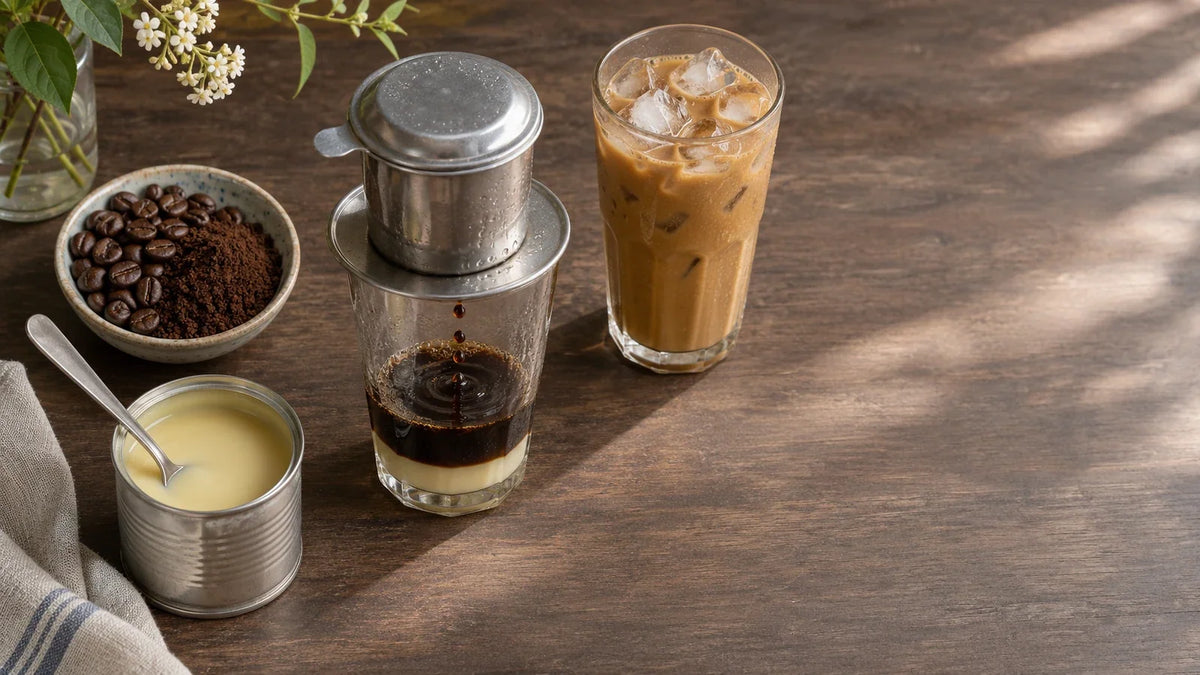
In Vietnam, the day often begins on a low plastic stool on the sidewalk, with a glass on which a small metal filter is dripping. No one is in a hurry. The coffee drips drop by drop onto a layer of condensed milk, and only when the filter is empty do you stir it, pour it over ice, and watch the motorbikes whiz past you. Vietnamese coffee is dark, strong, and sweet, and just as much a moment of the day as a drink. In our shop in Amsterdam, we stock the packs of Trung Nguyen, the Vietnamese coffee brand you simply come across in the supermarket in Vietnam, and here you can read which one to choose, how to make it, and which milk to serve with it.
What is Vietnamese coffee?
The fact that coffee in Vietnam is so often drunk with milk from a can also has to do with that French era: fresh milk was difficult to obtain and store in the warm climate, but condensed milk held up. You can taste that same French influence in the crispy baguette of the banh mi. The dark roast gives the coffee its deep, slightly bitter flavor; some roasters in Vietnam even add a little butter or sugar. You can read what is in your pack on the label.
Robusta or arabica: which beans are in Vietnamese coffee?
Which Trung Nguyen Sang Tao coffee should you choose?
 Sang Tao 2 100% arabica · 340 gMild and soft, with a fruity undertone
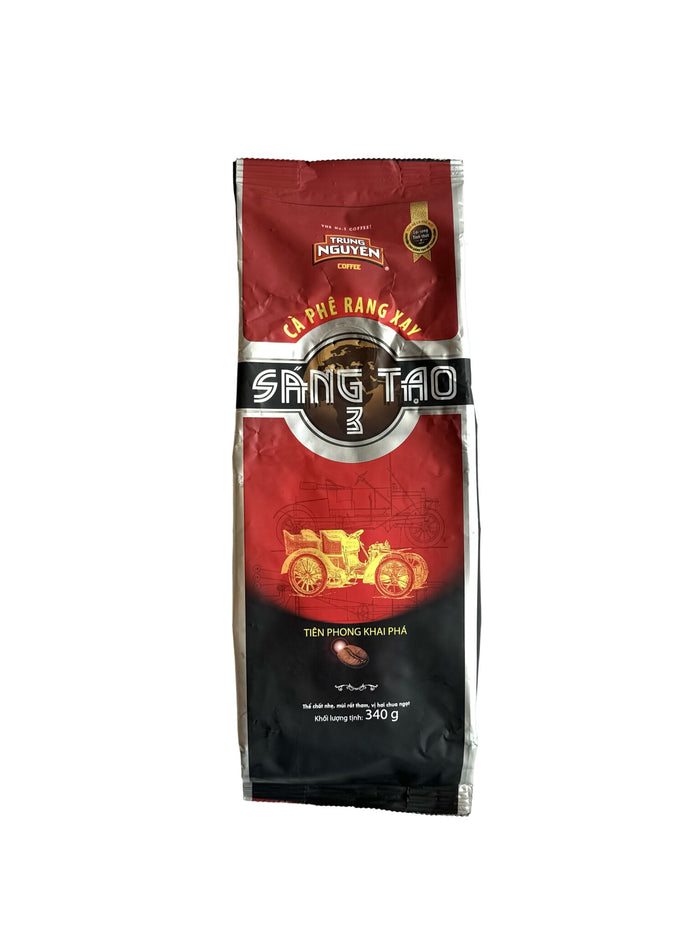
 Sang Tao 3 arabica, robusta, excelsa · 340 gRound and balanced, bitter and sweet in balance
 Sang Tao 4 340 gRich and full, with a long finish
 Sang Tao 5 arabica and robusta · 340 gFull and intense, for those who want their coffee strong
View all Vietnamese coffee and drinks →
How to make Vietnamese coffee with a phin?
With a phin, you make Vietnamese coffee slowly and strong: you place the small metal filter on your glass, pour hot water in, and let the coffee drip through in a few minutes. A phin consists of a plate with holes, a chamber for the coffee, a separate press plate that lies on the coffee grounds, and a lid. No electricity or pressure is used, only gravity, and therefore the coffee becomes dark and almost syrupy.
Scoop about 12 grams of coffee into the phin, shake it flat, and place the press plate loosely on top without pushing, because if you press it, the water can hardly get through. First pour a small splash of water around 95 degrees on the coffee and wait half a minute until the coffee grounds swell, then fill the phin to the brim and let it drip through with the lid on for four to five minutes. If it drips much faster, then the plate may be a little firmer next time, and if it stops, it was too tight. You can find the whole step-by-step guide, with the ratio between coffee, milk, and ice, in our recipe for ca phe sua da.
Vietnamese coffee without a phin: French press or moka pot?
If you don't have a phin, the easiest way to make Vietnamese coffee is in a French press or a moka pot, and both come close. In a French press, you take a little more coffee and less water than you are used to, let it steep for about four minutes, and then gently press the filter down; let the coffee grounds settle for a moment before pouring. A moka pot gives a small, powerful cup that comes closest in strength to the phin. However you make it, make it stronger than you would drink it yourself, because the milk and the melting ice take quite a bit of the strength away.
Which condensed milk to use for Vietnamese coffee?
 Nestle sweetened · 397 gSweetened condensed whole milk
 Friesche Vlag with sugar · 397 gWhole milk with sugar, for ca phe sua da
 Nature's Charm coconut · 320 gDairy-free, with a soft coconut note
What types of Vietnamese coffee are there?
Ca phe sua da, iced coffee with condensed milk, is the best-known Vietnamese coffee, but there is much more on a Vietnamese coffee menu.
- Ca phe sua da (cà phê sữa đá): strong coffee with condensed milk, stirred and poured over a glass full of ice.
- Ca phe sua nong: the same coffee with milk, but hot and without ice.
- Ca phe den da (cà phê đen đá): black coffee on ice, often with some sugar.
- Ca phe den nong: black and hot, straight from the phin.
- Bac xiu: from Saigon, with a lot of milk and very little coffee.
- Ca phe trung: egg coffee from Hanoi, with a thick layer of whipped egg yolk and sugar on the coffee.
- Coconut coffee: coffee with a cold, creamy layer of coconut.
Not sure where to start? Take a pack of Sang Tao 3 and a can of sweetened condensed milk, because with that you can make your first ca phe sua da this week; if you like the taste, try Sang Tao 5 for a fuller or Sang Tao 2 for a milder cup.
Alles voor Vietnamese koffie thuis
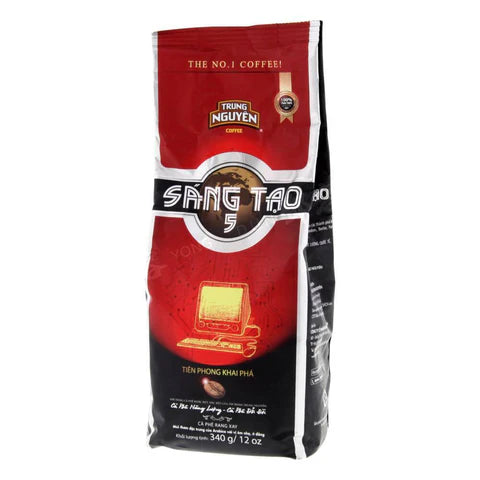
Trung Nguyen Coffee Sang Tao 5
View product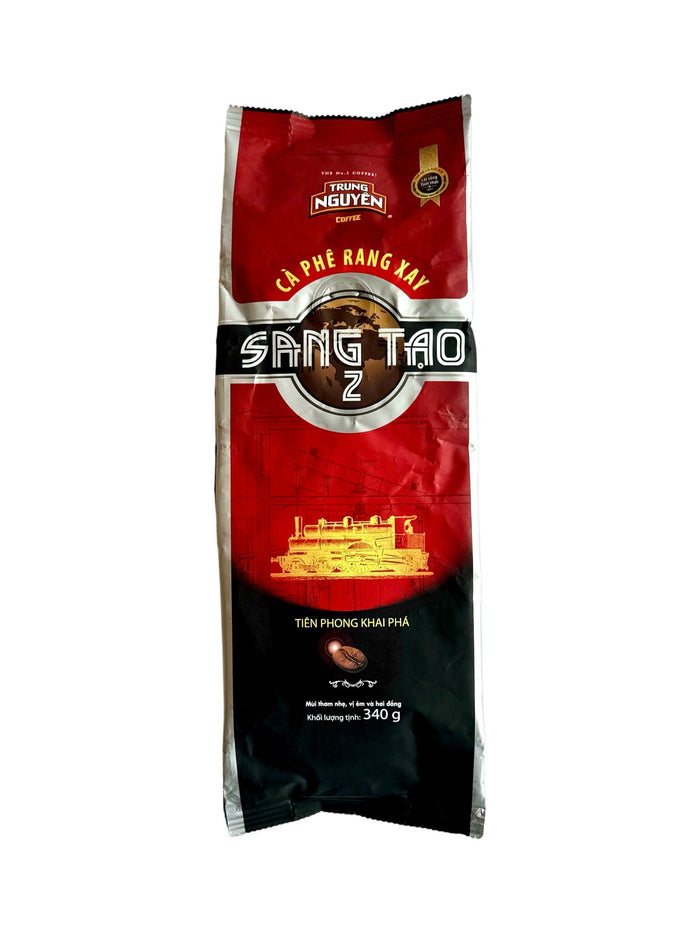
Trung Nguyen Coffee Sang Tao 2
View product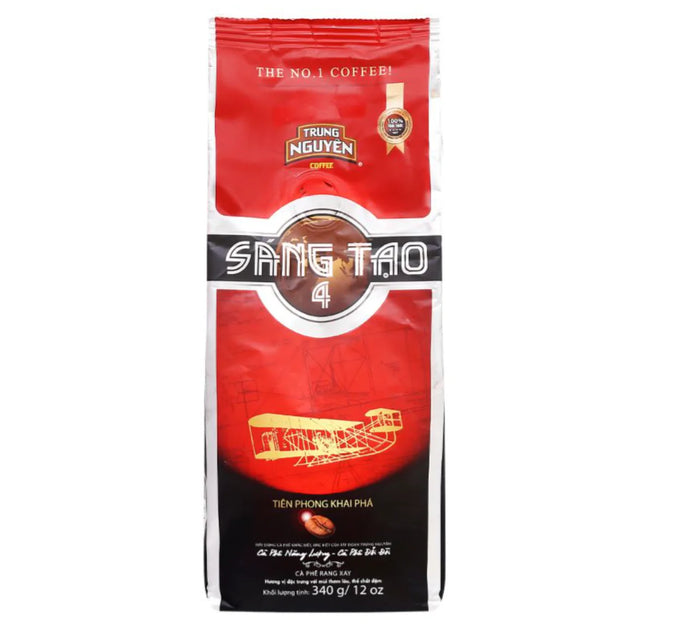
Trung Nguyen Coffee Sang Tao 4
View product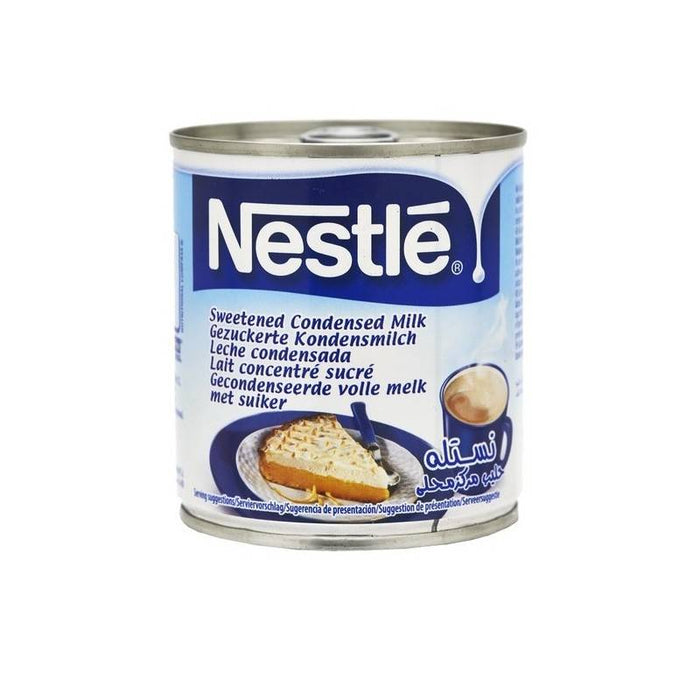
Nestle Sweetened Condensed Milk
View product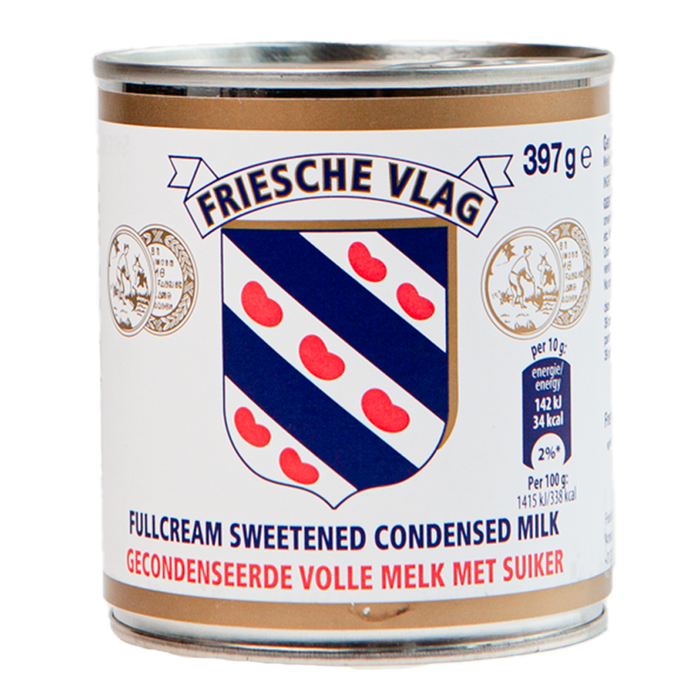
Friesche Vlag Condensed Full Cream Milk With Sugar
View product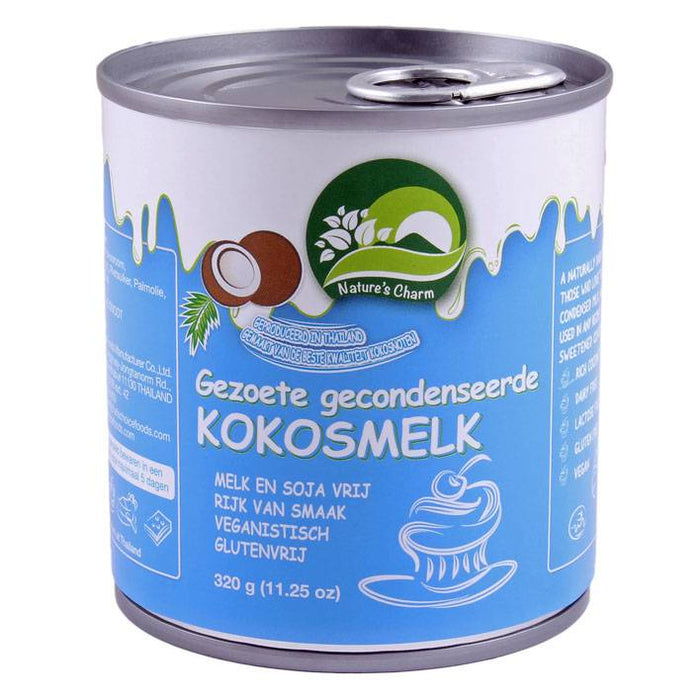
Nature's Charm Gecondenseerde Kokosmelk
View productRecipes with Vietnamese coffee
Besides the iced coffee recipe itself, a banh mi and a bowl of pho, the quintessential Vietnamese breakfast, go perfectly with it.


For the pho and the banh mi, you'll find the rice noodles, fish sauce and sriracha in our Vietnamese collections; read all about the broth and the noodles in Pho and bun.
Drinks coffee · tea · coconutTrung Nguyen, tea and coconut waterShop now Noodles banh pho · bunRice noodles for pho and bunShop now
 Vietnamese kitchen everything in one placeFrom fish sauce to rice paper and srirachaShop now
Read more about Vietnamese coffee and the Vietnamese kitchen


Vietnamese coffee and drinks
Trung Nguyen Sang Tao, Vietnamese tea and coconut water, all together in one collection.
Frequently asked questions
What is the difference between Vietnamese coffee and regular coffee?
Vietnamese coffee usually contains a lot of robusta, is dark roasted and brewed strong, traditionally in a phin. Because of this, it tastes fuller and more bitter than most coffee you drink here.
Can you make Vietnamese coffee without a phin?
Yes, a french press or moka pot works perfectly. Just brew it stronger than normal, because milk and ice take a lot of strength away.
Which Trung Nguyen coffee is the strongest?
Of the Sang Tao packs we have, Sang Tao 5 is described as the fullest and most intense. Sang Tao 2 is the mildest.
Is Trung Nguyen Sang Tao ground or in beans?
Sang Tao is ground coffee in 340 gram packs. So you can brew with it right away in a phin, french press or moka pot.
How much condensed milk do you put in Vietnamese coffee?
Start with two tablespoons per glass and then adjust to taste. Use sweetened condensed milk, because that gives the thick, sweet taste.
Can I also use regular milk or coffee milk?
You can, but then you miss the sweet, syrupy taste of ca phe sua da. If you use unsweetened milk from a can, such as Peak, then add sugar yourself.
Is there vegan Vietnamese iced coffee?
Yes, with condensed coconut milk instead of milk you make it dairy-free. Follow the label for the amount and storage.
What is ca phe den?
Ca phe den is black Vietnamese coffee without milk, often with some sugar. Den da drink you on ice, den nong hot.
Vietnamese coffee mainly requires a little patience, because the most beautiful moment is actually waiting while the phin or the press does its work and you see how the dark coffee slowly sinks on that white layer of milk. Just take a pack of Sang Tao 3 and a can of condensed milk the first time, brew it stronger than you think is necessary and then slowly adjust the ratio until the glass tastes exactly how you want it, warm on a grey morning or over a mountain of ice when the sun shines. Come by the shop in Amsterdam, then the packs of Trung Nguyen, the same as in the Vietnamese supermarket, are simply with the rest of our Vietnamese products, and if you want to know what else belongs on a Vietnamese table, read on in Vietnamese kitchen 101.

