


Broomstick 101: make it yourself or buy it ready-made?
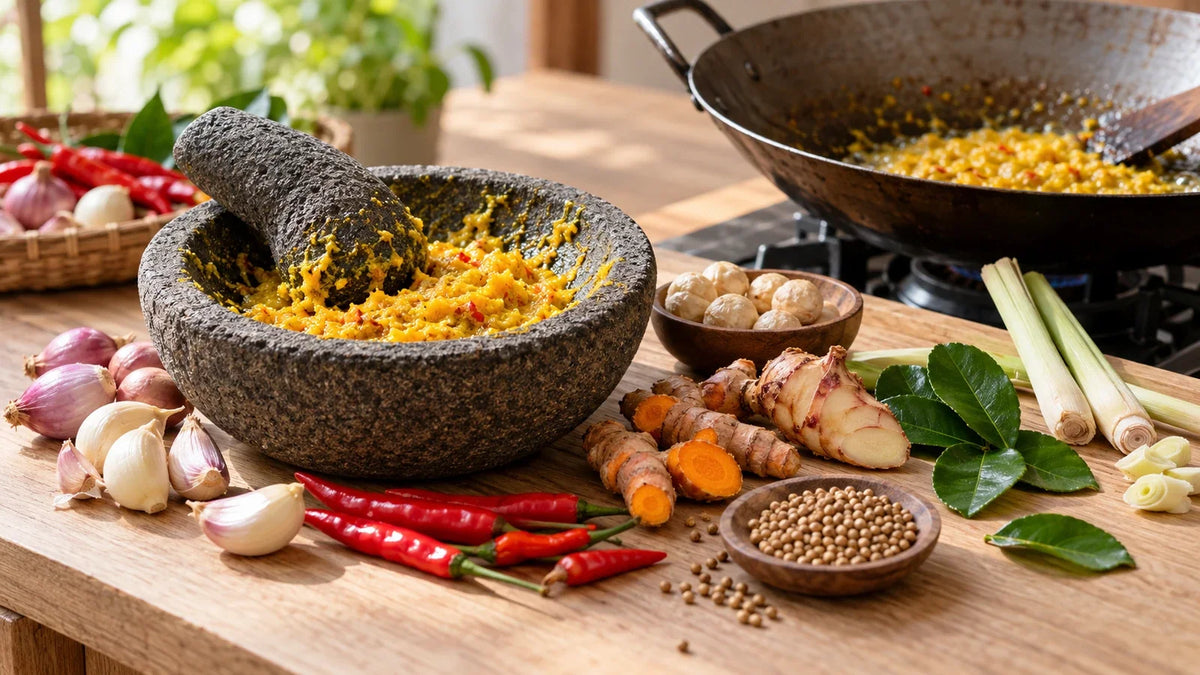
Anyone who has ever stood in an Indonesian kitchen while cooking knows that smell: shallots, garlic and kemiri sizzling in hot oil, with galangal, lemongrass and a hint of shrimp paste in the background. That mixture is called boemboe (bumbu), and it is the start of almost every Indonesian stew, from rendang to opor ayam. With a good boemboe, a pan of rice and meat suddenly becomes a meal that the whole house gathers around. In our toko in Amsterdam, there is a long row of bags and jars of boemboe, and here you can read how to choose the right one, how to make one yourself and how to use it. You can find the bigger story about this cuisine in Indonesian Cuisine 101.
What is a boemboe?
What is bumbu dasar, the red, white and yellow basic boemboe?
Bumbu dasar means basic boemboe: a few basic mixtures on which Indonesian cooks build a whole range of dishes. Usually you hear three mentioned, and they are named after their colour.
- Bumbu dasar merah (red): shallots, garlic and red chili pepper. The base for spicy stir-fries, sambal goreng and balado.
- Bumbu dasar putih (white): shallots, garlic and kemiri, without chili. For mild dishes with coconut milk, such as opor, and for vegetables.
- Bumbu dasar kuning (yellow): the white base with turmeric added, which gives it its colour. For soto, nasi kuning and yellow stews.
Every family and every region does it just a little differently, so see these three as a guideline and not a fixed rule. Our own basic boemboe is a yellow variant with kemiri, shrimp paste, galangal, turmeric, coriander and djinten, and with that you can already make a lot of dishes.
Make boemboe yourself or buy it ready-made?
Making it yourself gives you the freshest flavour and complete control over heat and salt; ready-made saves you half an hour of cutting and pounding, and tastes the same every time. Many people do both: a bag for weekdays and pounding it yourself at the weekend, when there is time to let the kitchen smell.
How to make a boemboe yourself
You make basic boemboe in a mortar or food processor. You first roast the kemiri in a dry pan, pound them finely and then add shallots, garlic and shrimp paste until you have a coarse paste, after which galangal, turmeric, coriander, djinten, lemongrass, chili powder and salt are added. Then you fry the paste for about ten minutes in oil, until it gets darker and the oil separates from the edges. We do not sell fresh galangal, lemongrass and turmeric online, but you can find them dried and ground further down in the spices.
Paste or dry mix?
 Bamboe spice pasteSmall bag of paste for one pan, with its own flavour for almost every dish
 Indonesia 100 g jarBoemboe in a jar, with its own flavour for each dish
 Koningsvogel dry mix · 100 gWide choice of flavours, from rendang to babi ketjap
 Asian Home Gourmet spice pasteAlso for nasi goreng, mee goreng, satay and nasi lemak
 Dua Kuali 50 g bagBoemboes from Indonesia, including for rendang, opor and soto
How do you use a boemboe?
Take your time with it, because raw shallots and garlic taste sharp and a little bitter, and only after a few minutes in the oil do they become sweet and mellow. You can see that the boemboe is ready when it turns a shade darker, your kitchen smells of fried shallots and spices and there is a rim of oil around the paste. Then you add the meat, for example chunks of beef short ribs for rendang or pieces of chicken thigh fillet for opor, until everything is covered, and only then do you add the coconut milk, water or ketjap. Bay leaves, lemongrass and djeroek poeroet are usually added to the pan at the same time as the liquid, so they can gently infuse the whole time.
For dishes with coconut milk, such as opor and sayur lodeh, you bring everything to a boil while stirring and then let it simmer gently, so the coconut milk does not curdle. Which coconut milk to choose for that, you can read in Coconut Milk 101.
Which boemboe do you use for which dish?
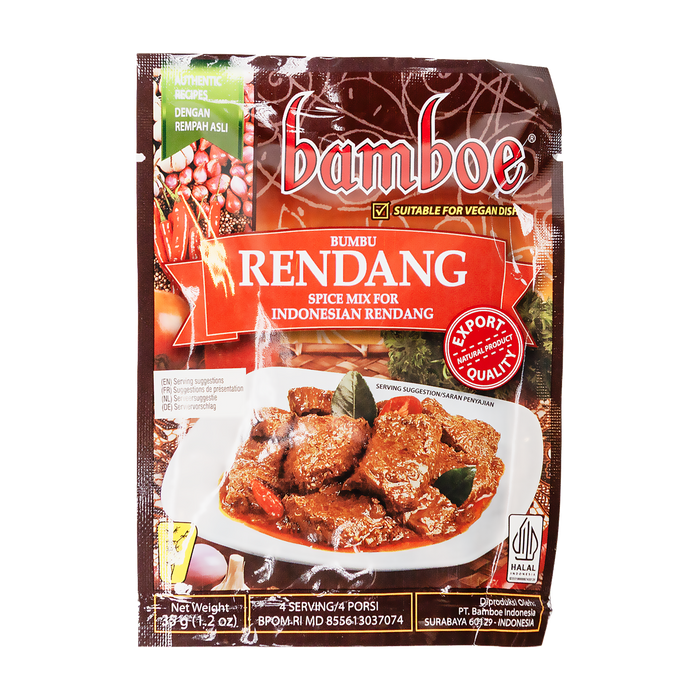
Rendang SumatraBeef ribs simmered for hours in santen, until the sauce has completely reduced Semur JavaBeef ribs stewed in ketjap manis with nutmeg and cloves
 Rawon East JavaBlack soup made from beef shank, with kluwak for colour
 Opor white boemboeChicken thigh fillet in a mild, white santen sauce
 Soto ayam yellow boemboeYellow chicken soup with glass noodles, bean sprouts and egg
 Sayur lodeh vegetables in santenCabbage, green beans and eggplant in a creamy broth
 Bali spicy and sweetFor ayam bali: chicken thigh fillet in tomato, ketjap and sambal
 Nasi goreng fried riceMade with leftover rice, ketjap and egg
 Satay marinadeFor marinating meat for satay skewers
 Gado gado Indonesian variantPeanut sauce block for Indonesian gado gado
For gado gado, the Indonesian variant with blanched vegetables, tofu and egg, the boemboe is actually the peanut sauce itself, which you buy as a block or ready-made. We also have our own boemboes for curry and goelee, sambal goreng, ritja (rica-rica from Manado), besengeh and nasi kuning.
Which spices go into a boemboe?
 Kemiri kemirinotenRoast them briefly before finely grinding them; you don't eat them raw
 Laos galangal · driedSlices that you let simmer in soup and stews
 Sereh lemongrass · groundA teaspoon in the boemboe or in the pan
 Koenjit (turmeric) kunyit · groundMakes a boemboe yellow, for soto and nasi kuning
 Ketoembar coriander · groundWarm and slightly citrusy, in almost every boemboe
 Djinten cuminToast briefly and grind finely, for rendang and satay
 Trassi terasi · roastedA small piece of shrimp paste for depth and salt
 Ebi dried shrimpSoak briefly and finely chop, for sambal and boemboe
 Petis petis udang · shrimp pasteDark, syrupy paste for roedjak, petjel and tahu petis
 Salam daun salamDried leaves that simmer in opor, rendang and soto
 Djeroek poeroet kaffirlimoenbladFresh and citrusy, add whole to the pan
 Kluwak peeledThe black nut that gives rawon its colour and earthy flavour
Kentjoer (kencur), a ginger-like root with its own camphor-like flavour, is used in small quantities, including in peanut sauce; we have it as Kentjoer Gemalen. If you have fresh laos, sereh or koenjit from the greengrocer, feel free to use that, and for ground spices, allow about a teaspoon per dish.
Boemboe bumbuReady-made boemboe for any dishShop nowSpices and cooking ingredients rempahKemiri, galangal, salam leaves, shrimp paste and moreShop now Ketjap kecapFor semur, babi ketjap and nasi gorengShop now
 Sambal sambal oelekAs a side dish, or a spoonful in the panShop now
 Peanut sauce bumbu kacangFor satay and gado gadoShop now
Not sure where to start? Grab a packet of boemboe for the dish you’d love to cook yourself, such as rendang or opor, along with a packet of salam leaves and a block of santen, and you’ll be cooking that same evening; pounding your own boemboe will come naturally once you know the flavour.
Boemboes en basis om mee te beginnen
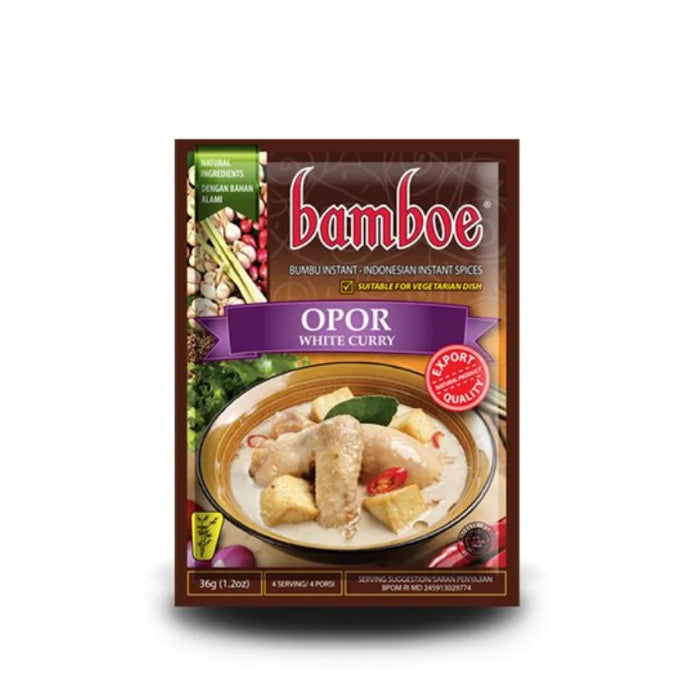
Bamboe Bumbu Opor
View product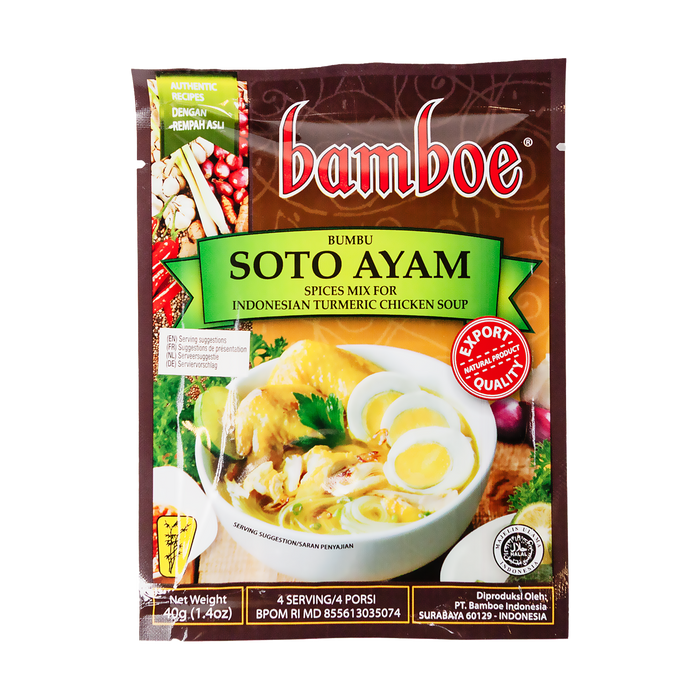
Bamboo Soto Ayam
View product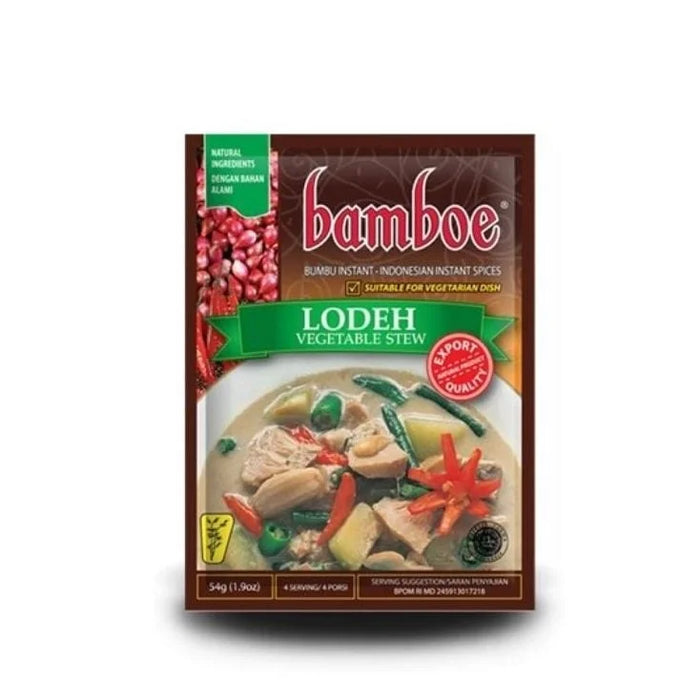
Bamboe Bumbu Lodeh
View product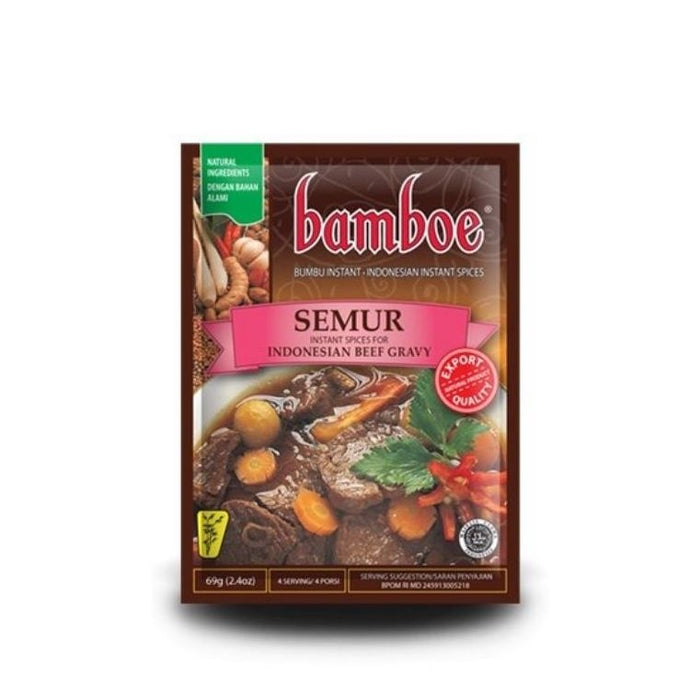
Bamboe Bumbu Semur
View product
Koningsvogel Boemboe Rendang
View product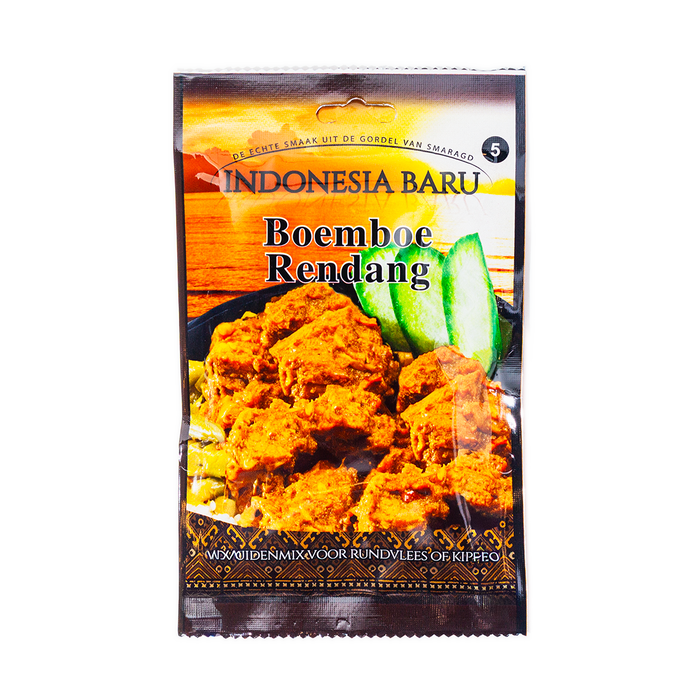
Indonesia Boemboe Rendang
View product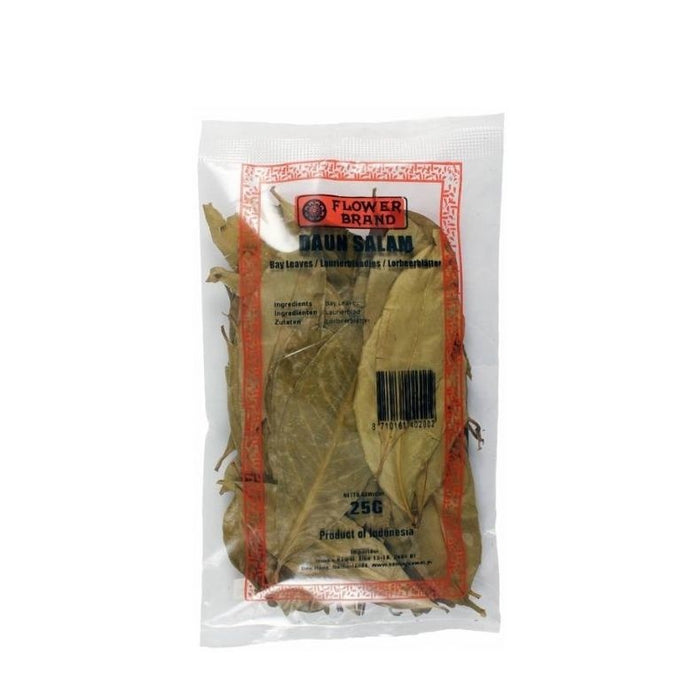
Flower Brand Daun Salam
View product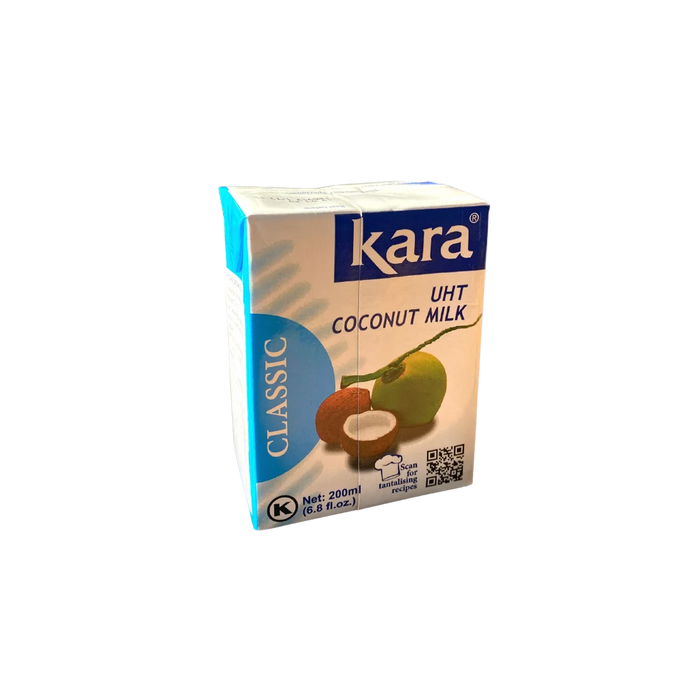
Kara Classic Coconut Milk
View productHow do you store boemboe?
Store ready-made boemboe as the label says, which will also tell you whether an opened packet or jar needs to be kept in the refrigerator and how long it will last. After cooking, store homemade boemboe in a clean jar in the refrigerator. If you make a large batch, you can also freeze it in small portions, for example in an ice cube tray, so you only need to take out a few cubes for a weekday pan of opor or sayur lodeh.
Recipes with boemboe
In most of these recipes, you choose whether to grind the boemboe fresh or use a packet.


Also sambal goreng telur starts with a red boemboe, and for sate ayam you marinate the chicken thigh fillet in ketjap with ketoembar and djinten. You can easily make the Indonesian gado gado and nasi goreng with a packet or block from the row above, and for a festive table you combine them in a rijsttafel at home.
Read more about Indonesian cuisine


All boemboes in one place
From rendang and opor to soto, rawon and sayur lodeh, as a paste or as a dry mix.
Frequently asked questions
What is the difference between boemboe and bumbu?
There is no difference. Boemboe is the Indonesian spelling commonly used in the Netherlands, bumbu the spelling used in Indonesia.
What is bumbu dasar?
Bumbu dasar is a basic boemboe that you build many dishes on. You know a red one with chili, a white one with kemiri and a yellow one with koenjit.
How much boemboe do you use per person?
That varies by brand, so follow the packaging. One packet is usually intended for one pan, with the amount of meat and santen stated on it.
Do you have to fry boemboe first?
Yes, with a paste. Fry it in oil until it smells and releases the oil, then the raw taste of shallots and garlic disappears.
Can I replace kemiri?
In an emergency you can use unsalted macadamia nuts, because they give a similar creamy binding. You do not eat raw kemiri, so always roast them first.
What is the difference between galangal and ginger?
Galangal looks like ginger, but is harder, fresher and a little peppery. You cannot substitute them one for the other.
How long can you store homemade boemboe?
Store it in a clean, well-sealed jar in the refrigerator and use it quickly, or freeze it in small portions.
The best way to learn boemboe is simply to start, with a packet for your favorite dish and a block of santen, and after a few tries you will naturally recognize the aroma of frying shallots and kemiri and know when the oil separates and it is time to add the meat. After that, it is only a small step to your own mortar and pestle and your own proportions, because even in Indonesia everyone makes it just a little differently. If you are standing in the toko in Amsterdam in front of the long row of packets and do not know which one to get, feel free to ask us, and if you want to know how boemboe, santen, ketjap and sambal together form Indonesian cuisine, read on in Indonesian cuisine 101.

