


Sambal 101: which sambal do you use for what?
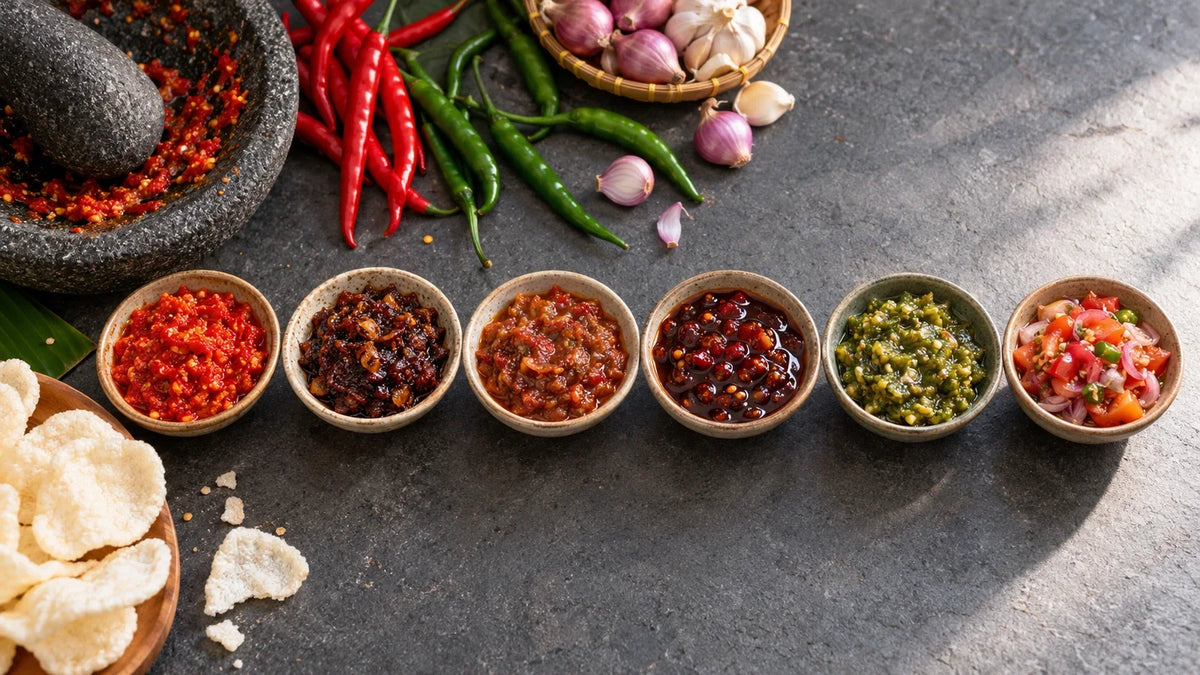
Sambal trassi is een sambal met trassi, een gefermenteerde garnalenpasta die een hartige, visachtige diepte aan de sambal geeft. Trassi wordt gemaakt van garnalen die worden gefermenteerd en gedroogd, en de smaak is intens en hartig. Sambal trassi is een van de meest populaire soorten sambal in Indonesië, en wordt vaak gegeten met rijst, groenten en vis. In onze toko in Amsterdam staat een hele muur vol potjes, en de vraag die we het vaakst horen is: welke moet ik hebben? Op die muur staan de potjes van Koningsvogel en Flower Brand die Indische families al generaties gebruiken, naast Indonesische merken als ABC, Finna en Bon Cabe zoals je ze in Indonesië gewoon in de supermarkt vindt. Wil je eerst het grotere plaatje zien, begin dan bij Indonesische keuken 101.
Welke sambal gebruik je waarvoor?
Sambal oelek gebruik je om mee te koken en voor pure pit, gebakken sambals zoals badjak en manis zet je op tafel als bijgerecht, en sambal trassi kies je als je de hartige, vissige diepte van garnalenpasta zoekt. Voor fris en zuur pak je sambal djeroek of een groene sambal ijo, en roedjak manis is er voor fruit.
 Oelek ulek · rauwPuur gemalen rode peper met zout, om mee te koken
 Badjak bajak · gebakkenMild, zoetig en hartig, als bijgerecht op tafel
 Trassi terasi · met garnalenpastaHartig en vol, bij rijst, groente en vis
 Manis zoet · gebakkenZoet en zacht pittig, fijn voor wie het rustig aan doet
 Ijo groenGroene peper, fris en kruidig
 Djeroek jeruk · met limoenPit met een frisse, zure toon
 Roedjak manis rujak · zoetzuurOm stukjes fruit en komkommer in te dippen
 Droge sambal sambal tabur · Bon CabeStrooisambal voor rijst, noedels en soep
Wat is sambal?
Sambal is een pasta of saus op basis van Spaanse peper, in Indonesië bijna altijd met zout en vaak met sjalot, knoflook, trassi of limoen erdoor. Elke streek en eigenlijk elke keuken maakt hem anders. Traditioneel wordt sambal gemalen in een cobek, een platte stenen schaal, met een stenen stamper die ulekan heet, en daar komt de naam oelek vandaan. Je eet sambal als bijgerecht bij de maaltijd, maar je kookt er ook mee: een lepel in de wok of in een stoofpot geeft meteen warmte.
Wat is sambal oelek?
Koningsvogel 270 gDe vertrouwde pot voor dagelijks gebruik Koningsvogel 720 gVoor wie elke week sambal door de wok doet
 Flower Brand 720 gOelek van Flower Brand in een grote pot
Bekijk alle Indonesische sambals →
Wat is het verschil tussen rauwe en gebakken sambal?
Rauwe sambal, sambal mentah, bestaat uit gemalen peper met zout en soms limoen of trassi, en smaakt fel, fris en scherp. Gebakken sambal is fijngemalen peper die met sjalot, knoflook en vaak suiker in olie zacht is gebakken tot hij donkerder en ronder van smaak is. Gebakken soorten zijn milder en zoeter, en die zet je graag als bijgerecht op tafel.
Sambal badjak en sambal brandal
Badjak Koningsvogel · 280 gMild en hartig, de klassieke tafelsambal Badjak extra heet Koningsvogel · 750 gDezelfde smaak, maar met meer vuur
 Brandal Koningsvogel · 280 gGebakken en donker, voor bij de rijst
 Brandal Koningsvogel · 750 gDe grote pot voor vaste brandal-eters
Sambal manis en sambal bawang
Bekijk alle sambals, van mild tot extra heet →
Wat is sambal trassi?
Koningsvogel 270 gSpicy with trassi, for every day Finna Uleg terasi · 190 gIndonesian brand, made with fresh pepper
 Wanita Djawa 290 mlArtisanal sambal trassi in a glass jar
 Trassi bakkar Flower Brand · 25 gRoasted trassi for cooking with
What other types of sambal are there?
 Rawit groen Flower BrandSmall green peppers, very hotDjeroek KoningsvogelSpicy with lime, fresh with fried fish
 Roedjak manis Flower BrandSweet and sour, for roedjak made from fruit and cucumber
 Teri FinnaMade with ikan teri, small dried anchovies
 Udang Flower BrandWith shrimp, savoury with rice
 Peteh KoningsvogelWith peteh, the firm Indonesian bean
 Pepesan Flower BrandFor pepesan, fish steamed in banana leaves
 Pemuda Nesia · mildMildly spicy, also available extra hot
ABC Sambal Asli: the classic from the bottle
 Sambal Asli ABC · 350 mlThe classic: smooth, spicy and slightly sweet
 Extra Hot ABC · 335 mlThe same bottle, with plenty more heat
Dry sambal
Peanut sambal and sambal ketjap
Meer sambalsoorten om te proberen
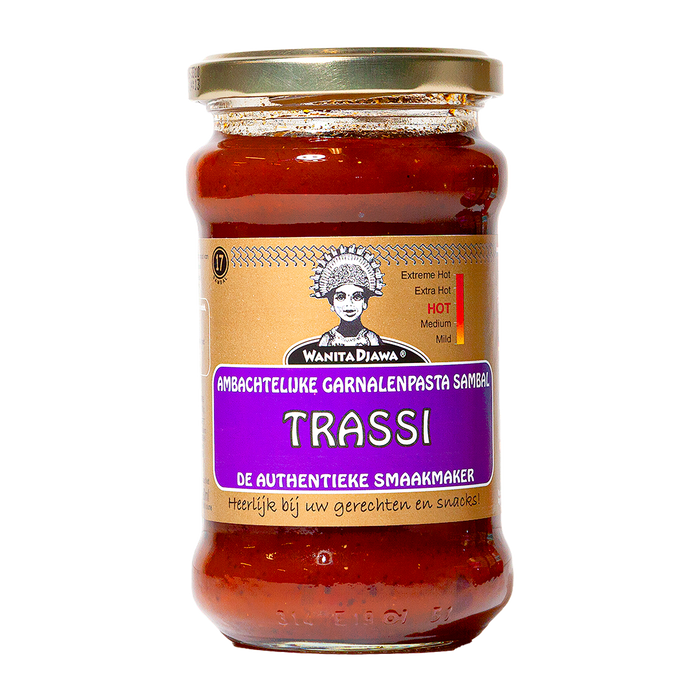
Wanita Djawa Sambal Trassi
View product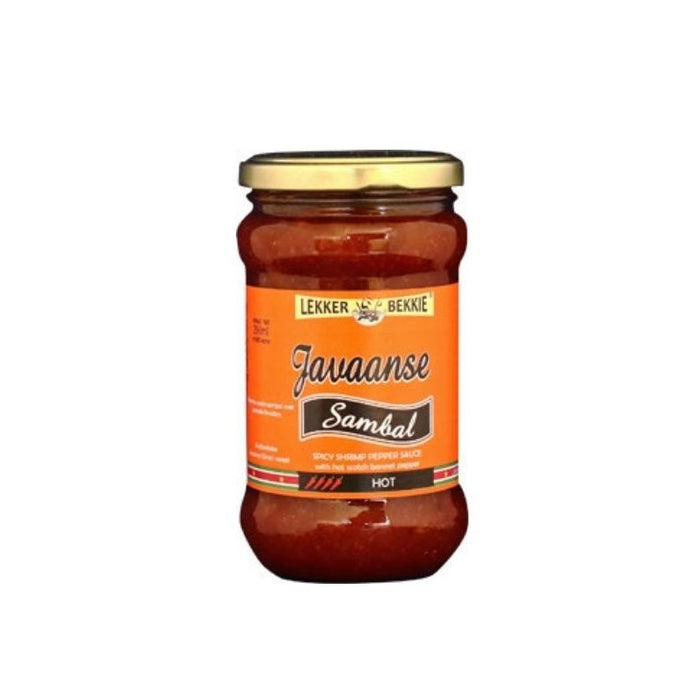
Lekker Bekkie Javanese Sambal
View product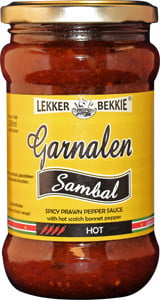
Lekker Bekkie Shrimp Sambal
View product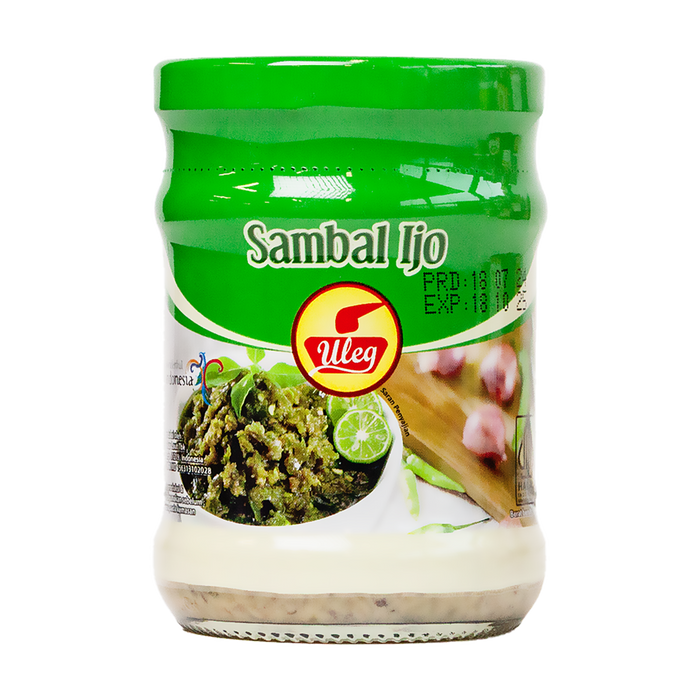
Uleg Sambal Ijo
View product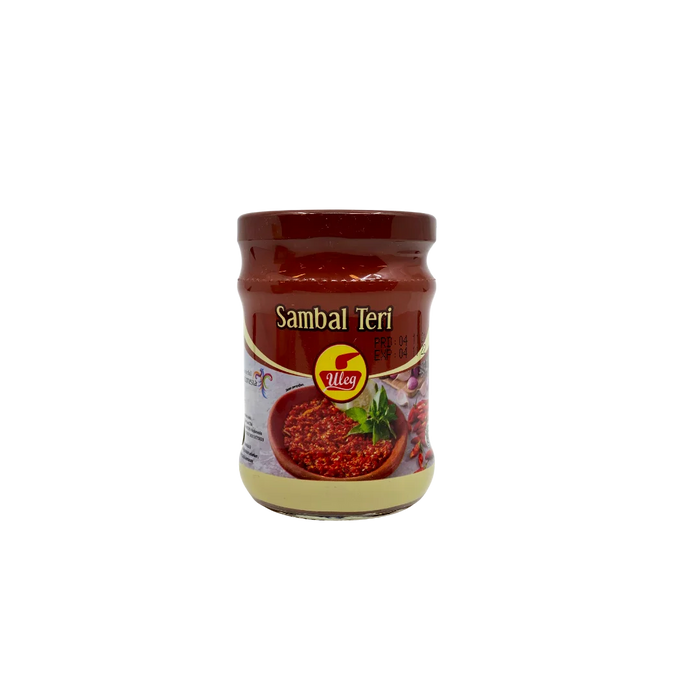
Sambal Teri
View product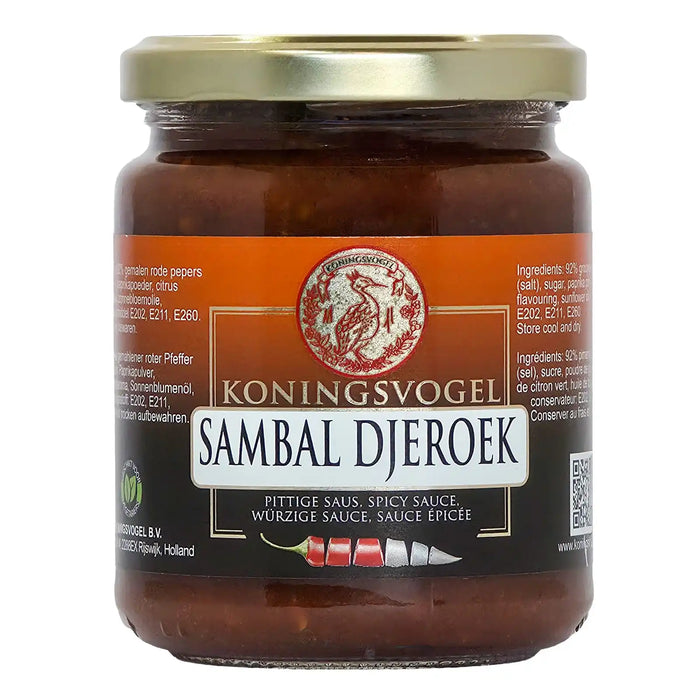
Koningsvogel Sambal Djeroek
View product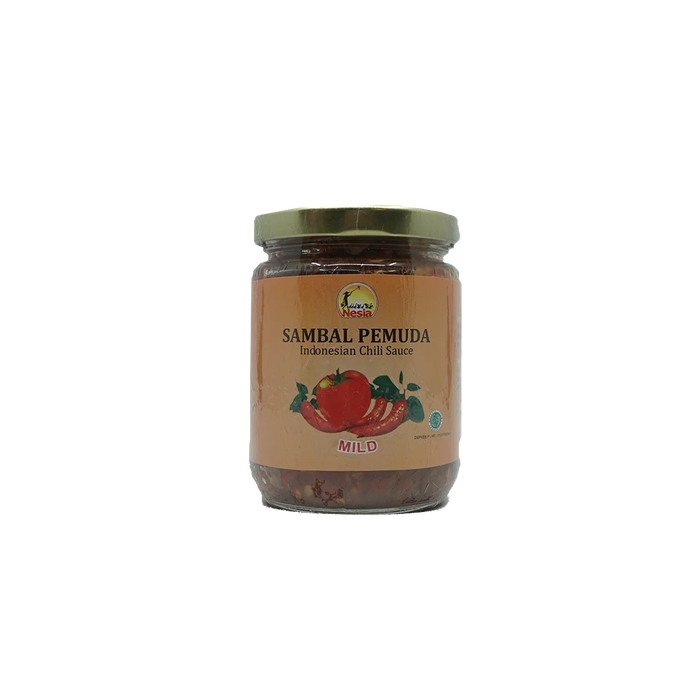
Nesia Sambal Pemuda Mild
View productHow spicy is sambal?

Not sure which jar to buy first? Take a sambal oelek to cook with and a fried sambal badjak for the table; with that you are well on your way with almost every Indonesian dish, and you will discover the rest on your own afterwards.
How do you make sambal oelek yourself?
Make sambal oelek yourself by finely grinding fresh red pepper with a generous pinch of salt in a mortar or food processor until it forms a coarse paste. Use red lombok for a warm kick and mix in some rawit if you want it hotter. A few drops of lime juice or vinegar add a fresh note. If you want to make sambal trassi from it, roast a small piece of trassi briefly in a dry pan and grind that in too. Store your own sambal in a clean jar in the refrigerator and preferably make a small amount more often than a lot all at once.
How do you store sambal?
Store sambal as indicated on the label, and most jars say to put them in the refrigerator after opening. Always scoop out with a clean, dry spoon. How long an opened jar stays good varies by brand and type, so follow the label for that too.
De basissambals voor in je keukenkast
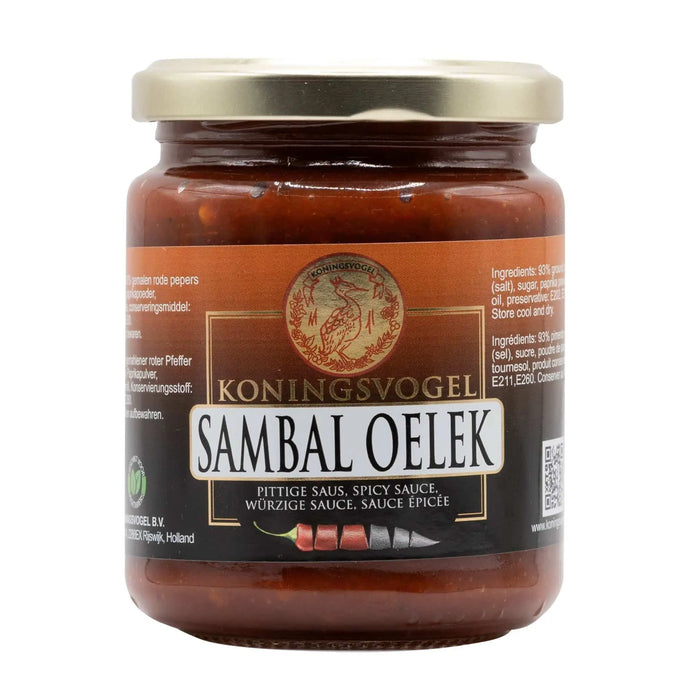
Koningsvogel Sambal Oelek
View product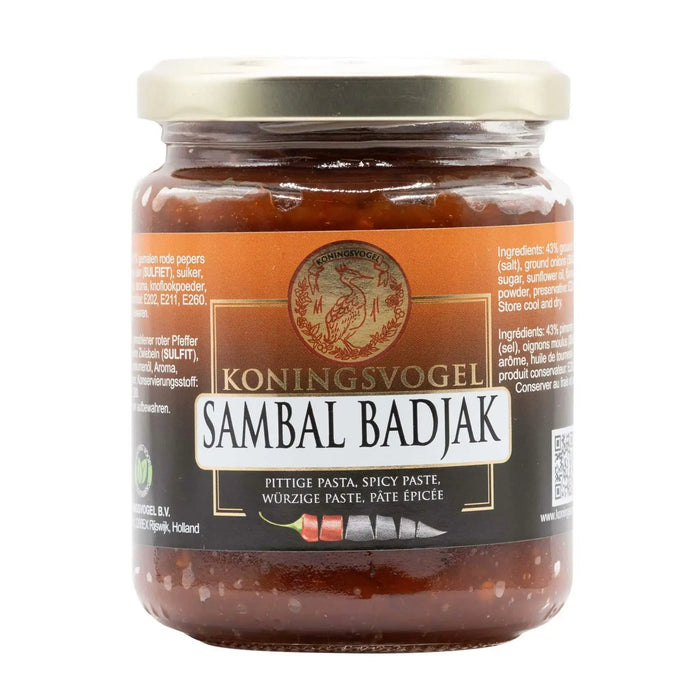
Koningsvogel Sambal Badjak
View product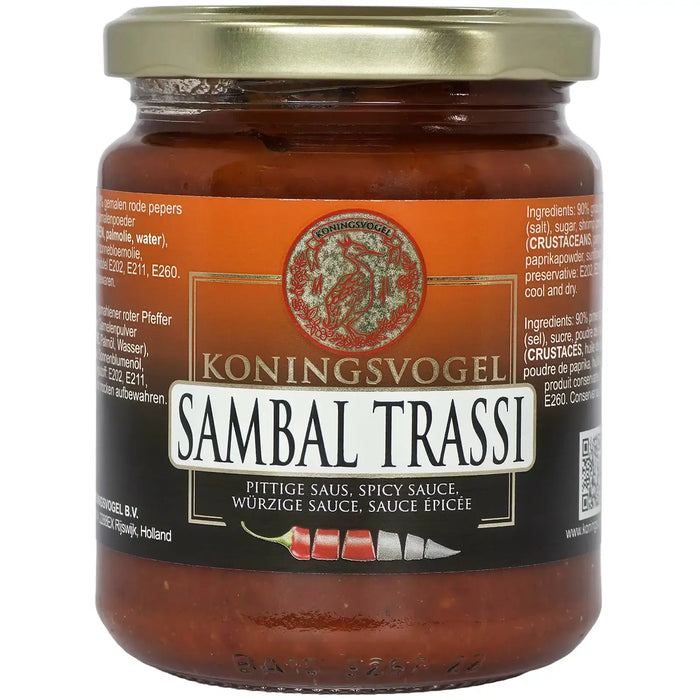
Koningsvogel Sambal Trassi
View product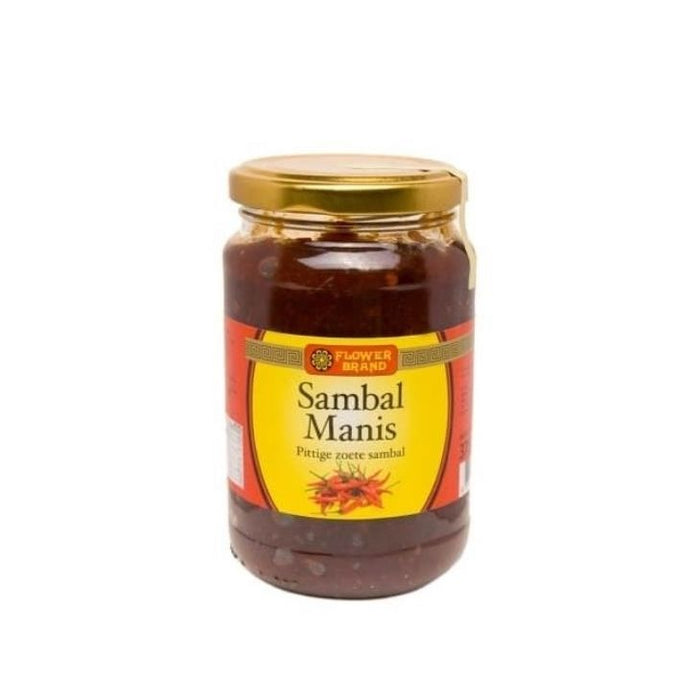
Flower Brand Sambal Manis
View product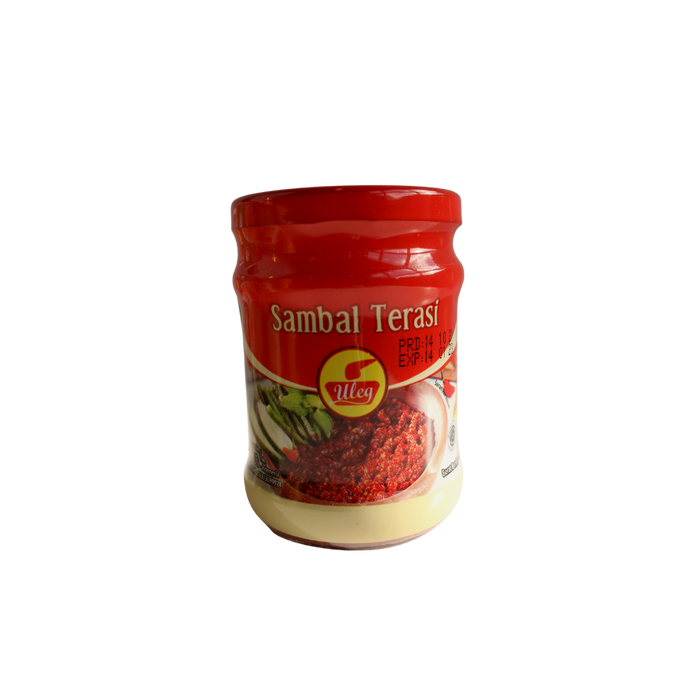
Finna Uleg Sambal Terasi
View product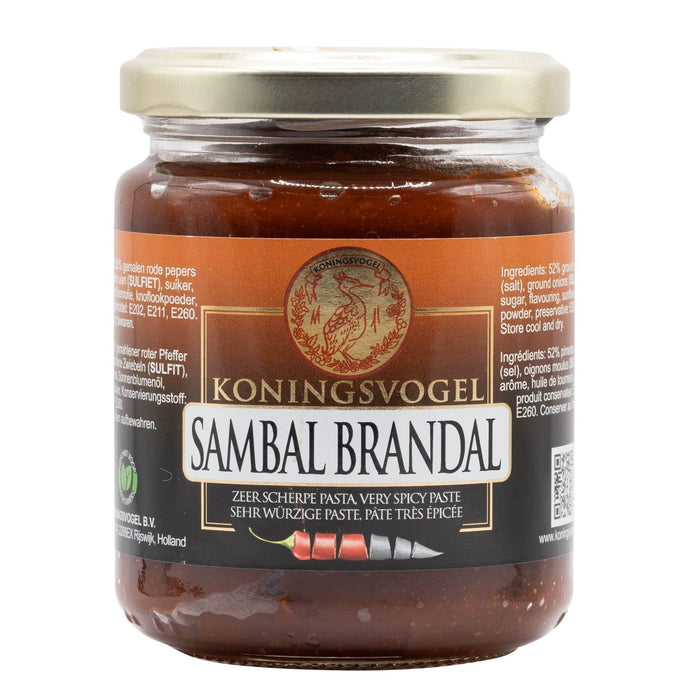
Koningsvogel Sambal Brandal
View product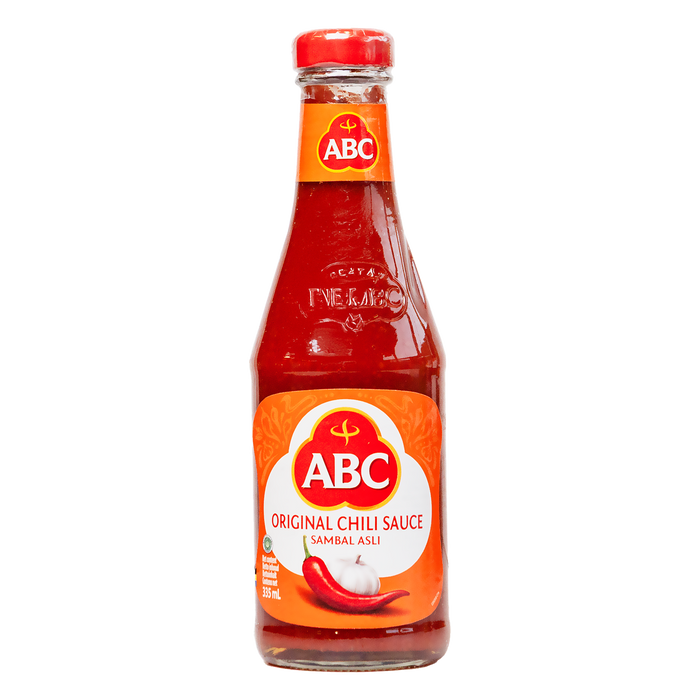
ABC Sambal Asli
View product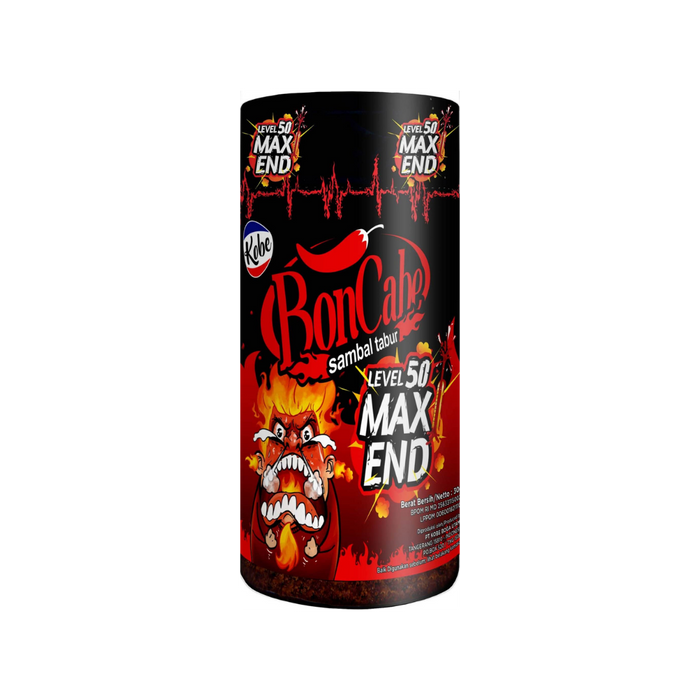
Kobe BonCabe Level 50
View productAnd Surinamese sambal with Madame Jeanette?

What goes well with sambal in Indonesian cuisine?
 Sambal oelek, badjak, trassiFrom raw oelek to fried table sambalShop now
 Peanut sauce saus kacangFor satay and Indonesian gado gado and petjelShop now
 Boemboe bumbuSpice pastes and mixes per dishShop nowSpices and trassi terasi, santen, serehEverything to make your own sambal and boemboeShop now
Recipes with sambal
In these recipes, the sambal goes through the pan or sits on the table as a side dish.


Also with rawon, opor ayam and nasi kuning a bowl of sambal belongs on the table.
All Indonesian sambals in one place
Oelek, badjak, trassi, manis, ijo and much more, from mild to extra hot.
Frequently asked questions
What is the difference between sambal oelek and sambal badjak?
Sambal oelek is raw, ground red pepper with salt and especially hot. Sambal badjak is fried with onion and garlic, and therefore milder, sweeter and heartier.
Which sambal is the least spicy?
Fried sambals such as sambal manis and badjak are usually the mildest. Also look for mild on the label, such as with Nesia Sambal Pemuda Mild.
Which sambal do you use for nasi goreng?
In the pan you usually use sambal oelek, together with ketjap manis. On the table you can put a fried sambal or sambal trassi next to it.
What does oelek mean?
Oelek (ulek) refers to the ulekan, the stone pestle with which you grind pepper in a cobek. Sambal oelek is therefore literally pounded sambal.
Is sambal oelek the same as sriracha?
No. Sriracha is a smooth, sweet and sour chili sauce from Thailand, while sambal oelek is a coarse paste of pepper and salt without that sweet tone.
Does sambal need to be in the refrigerator?
Follow the label; for most jars it says to keep them refrigerated after opening. Always scoop out with a clean spoon.
Is sambal Indonesian or Surinamese?
Sambal belongs to the cuisines of Indonesia and Malaysia, and via the Javanese community it also found its home in Suriname. Surinamese sambal with Madame Jeanette tastes fruitier and fierier than Indonesian oelek or badjak.
With a jar of sambal oelek next to the stove and a fried sambal on the table you actually already have a large part of Indonesian cuisine in your home, because with that you give an ordinary nasi goreng just as much character as a pan of opor ayam that you share with the whole family. Start with a small amount, taste along the way and discover which types suit you, because even in Indonesia every household has its own favorite and its own idea of what is spicy. If you are standing in the toko in Amsterdam in front of that long row of jars and you don't know what to do, feel free to ask us, and if you want to read further about boemboe, ketjap and the rest of the cuisine, you will find everything in Indonesian cuisine 101.

