


Ketchup explained: sweet, medium or salty?
A bottle of ketjap manis is as essential on the kitchen counter in an Indonesian kitchen as salt and pepper. It gives nasi goreng its dark sheen, makes a pan of semur smell sweet and deeply comforting on a Sunday afternoon, and is the base of the small dish of sliced rawit peppers that simply sits next to the rice in many families. In our toko in Amsterdam, the bottles are lined up in all sizes, and then the question is not so simple: manis, sedang or asin, and which brand? Here you will read what ketjap exactly is, how the varieties differ, and which bottle to choose for what. If you want the bigger picture first, start with Indonesian cuisine 101.
What is ketjap (kecap)?
Ketjap manis, sedang or asin: what is the difference?
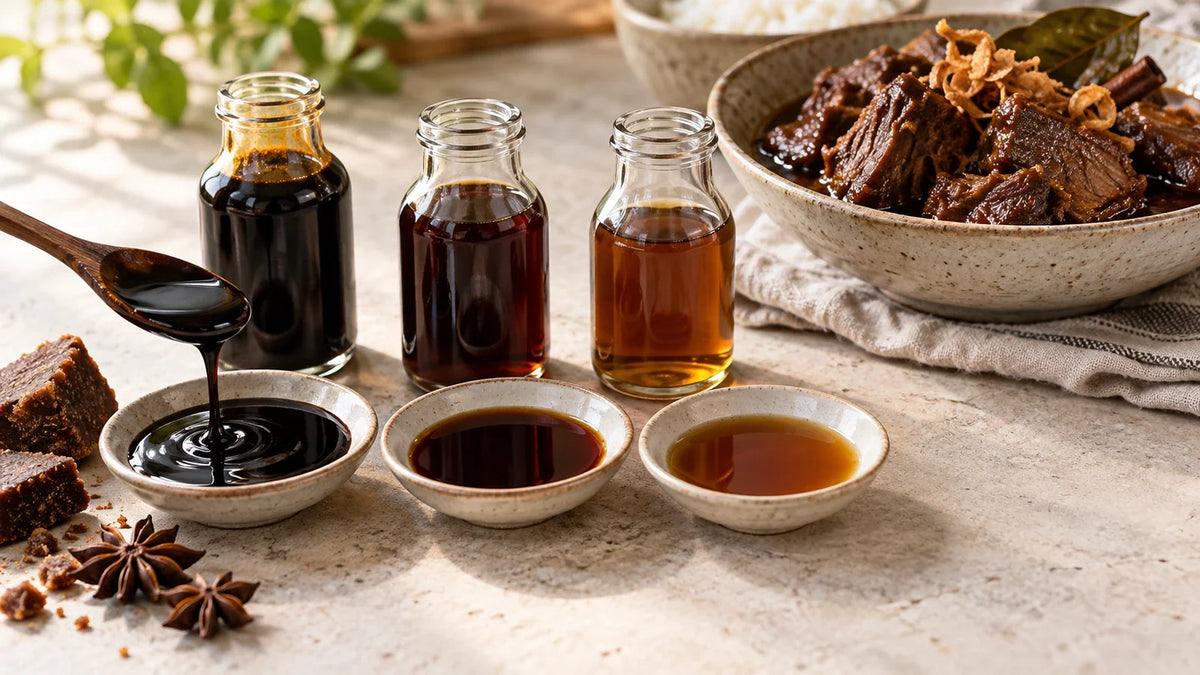
The difference lies in the sweetness: ketjap manis is sweet and syrupy, ketjap sedang is halfway between, and ketjap asin is salty and thin. Manis means sweet, asin means salty, and sedang means medium. You also have ketjap pedas, a spicy ketjap manis, and table ketjap that you simply pour over your plate.
 Ketjap manis kecap manis · sweetThick and syrupy, for nasi goreng, semur and marinades
 Ketjap sedang kecap sedang · half sweetHalf sweet, with more salt and soy flavor
 Ketjap asin kecap asin · saltyThin and salty, for seasoning without sweetness
 Ketjap pedas kecap pedas · spicySweet ketjap with chili, as a dipping sauce or over fried rice
In most recipes on our site, by ketjap we simply mean ketjap manis. You use ketjap asin when you want salt and depth without sweetness, for example in a soup or in a stir-fry with vegetables, and sedang is handy if you find ketjap manis just a little too sweet for your nasi.
What is the difference between ketjap and soy sauce?
Kikkoman Soy Sauce is a Japanese soy sauce, and it is thinner, saltier and not sweet at all, while ketjap manis is thick and sweet. Ketjap asin is closest to regular soy sauce, but you cannot simply swap ketjap manis and Japanese or Chinese soy sauce. If you use soy sauce where ketjap manis is called for in the recipe, your dish will miss the sweet, caramel-like layer and the sheen; if you do it the other way around, a Japanese or Chinese sauce suddenly becomes sweet and sticky. You can read all about the Japanese and Chinese side of the family in Soy Sauce 101.
Which ketjap should you buy?
 Bango Indonesian brand · 620 mlThick, round and syrupy; also in 275 ml
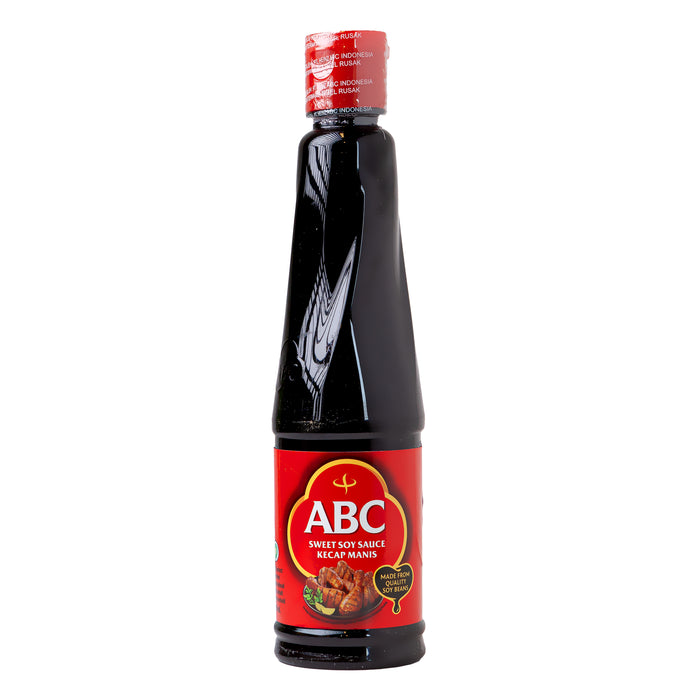
 ABC Indonesian brand · 275 mlAlso in 132 ml, 600 ml and a large 6 kg package
 Ketjap Manis A 500 mlSweet ketjap in a handy bottle for daily use
 Flower Brand Benteng 1 literBrewed soy sauce, sweetened with sugar
 Go-Tan organic 145 mlOrganic ketjap manis in a small bottle
 Megachef 200 mlKecap manis from a Thai brand
 Medja Kaki Tiga table ketjap · 500 mlMedja means table: ketjap to pour at the table
If you want to keep it simple, choose one ketjap manis for cooking and optionally put a ketjap asin next to it for the moments when it can be salty without sweetness.
Not sure which bottle to buy first? Start with a ketjap manis from Bango or ABC in the medium size, because with that you make nasi goreng, bami goreng, semur and a marinade for sate; a bottle of sedang or asin comes along as soon as you notice that you want to cook with less sweetness more often.
Ketjap in huis halen
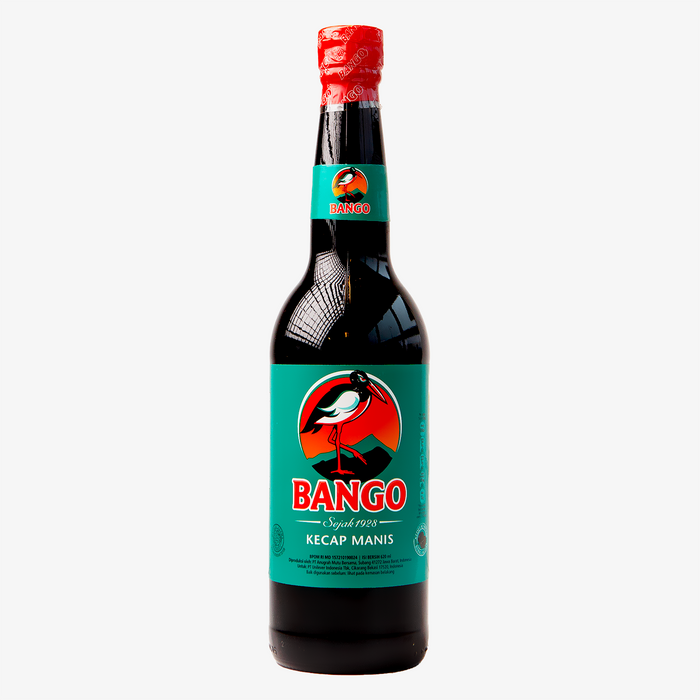
Bango Kecap Manis
View product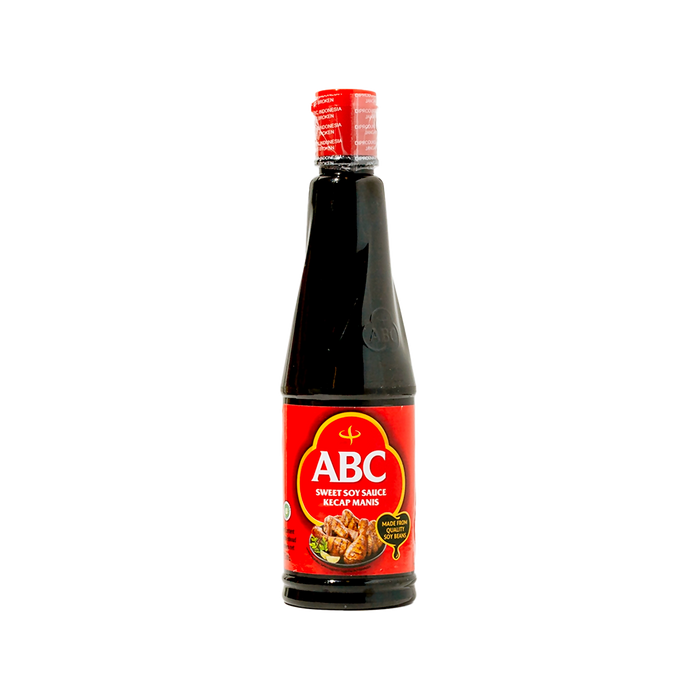
ABC Ketjap Manis
View product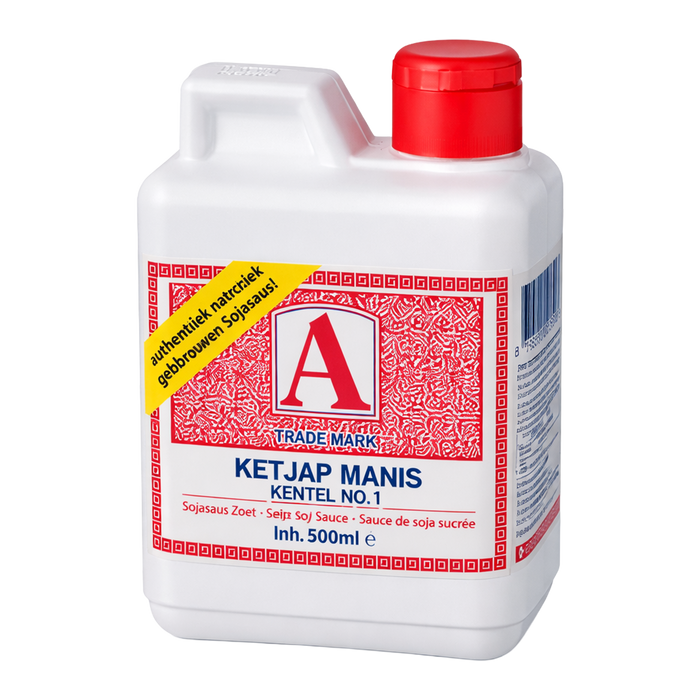
Ketjap Manis A
View product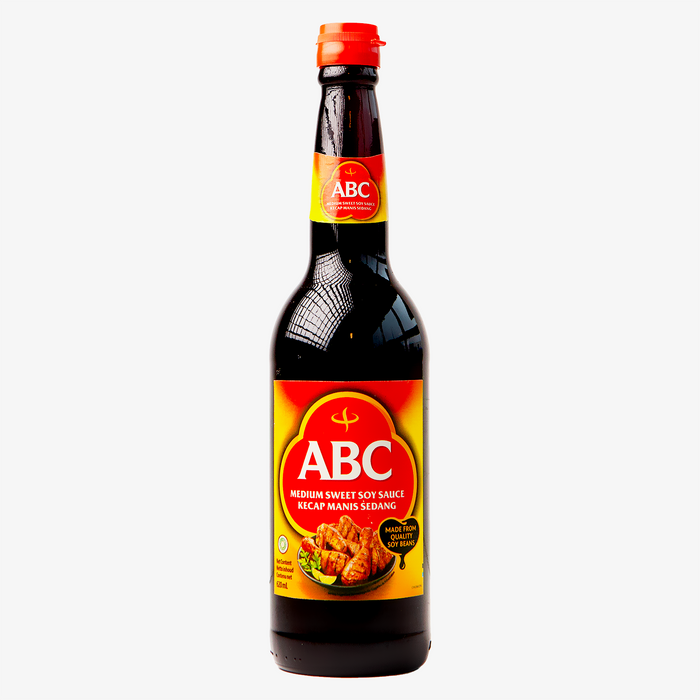
ABC Ketjap Manis Sedang
View product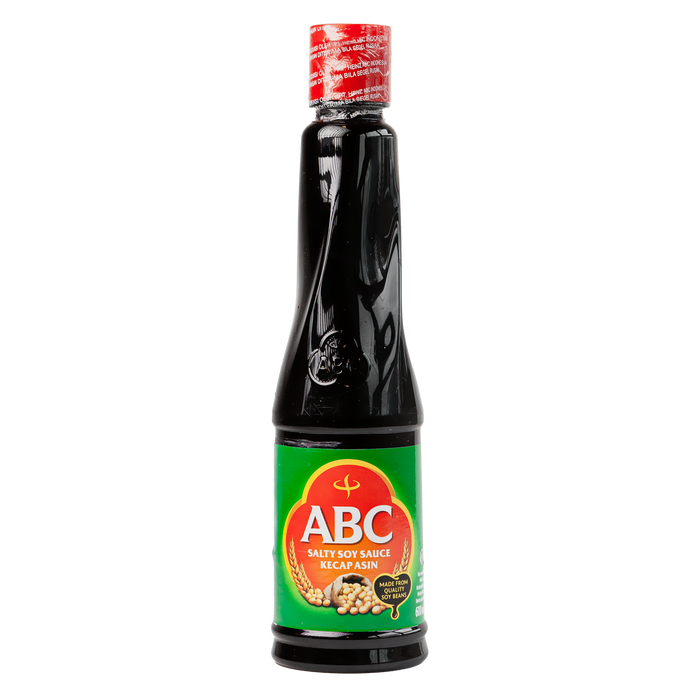
ABC Ketjap Asin
View product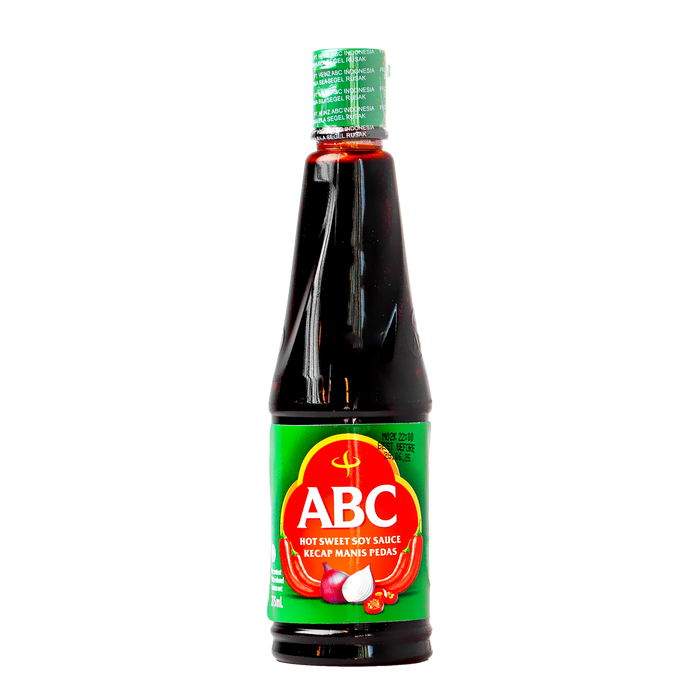
ABC Ketjap Manis Pedas
View product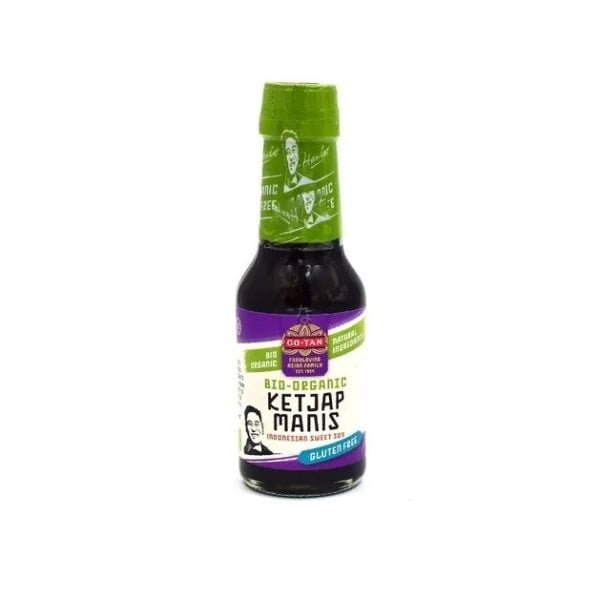
Go-Tan Organic Kecap Manis
View product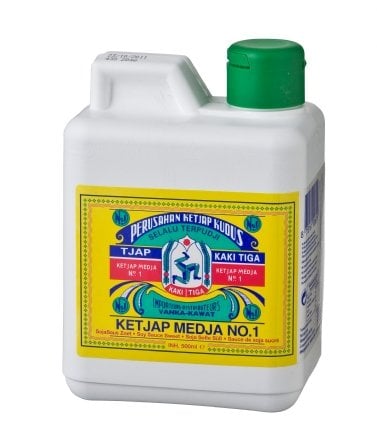
Ketjap Medja Kaki Tiga
View productWhat do you use ketjap manis for?

Babi ketjap, a stew from the Chinese-Indonesian cuisine where babi simply means pork, you make with pork shoulder or pork belly, which stew long and tender until the sauce clings sticky to the meat. If you want it quickly, use Koningsvogel Boemboe Babi Ketjap as a base and add the ketjap yourself. Also for a semur you do not need to grind everything yourself, because with a packet of Bamboe Bumbu Semur you already have the spices together; how to best fry a boemboe, you read in Boemboe 101.
Sambal ketjap as a dipping sauce

Can you make ketjap manis yourself?

How do you store kecap?

What do you need besides kecap?
 Kecap kecapManis, sedang, asin and table kecapShop now
 Sambal oelek · ulekFrom sambal oelek to badjak and trassiShop now
 Boemboe bumbuSpice pastes for semur, nasi and moreShop now
 Cooking ingredients gula jawa · trassiPalm sugar, santen, spices and seasoningsShop now
Recipes with sweet kecap manis
This is how you use kecap manis in practice, from a slow-cooked stew to a quick stir-fry.


If you put several of these dishes on the table at once, you're actually halfway to a rijsttafel; how to assemble one is explained in Rijsttafel at home.
All kecap in one place
Kecap manis, sedang, asin and pedas, from small bottles to large packs.
Frequently asked questions
What is the difference between kecap and kecap?
There is no difference: kecap is the old spelling that has remained common in the Netherlands, kecap the current Indonesian spelling. It is the same sauce.
What does manis, sedang and asin mean?
Manis means sweet, sedang medium and asin salty. It indicates how sweet the kecap is.
Can I replace kecap manis with soy sauce?
Not one-to-one, because regular soy sauce is saltier and not sweet. In an emergency, dissolve some gula jawa in soy sauce and let it simmer briefly.
Is kecap asin the same as soy sauce?
Kecap asin is closest to regular soy sauce: thin, salty and not sweet. The flavour does vary by brand.
Does kecap need to be kept in the refrigerator?
That varies by brand, so follow the label. On some bottles, such as ABC Ketjap Asin, it says to store it in the refrigerator after opening.
Does kecap contain gluten?
Often it does, because many kecaps are brewed with wheat. Always read the label if in doubt.
Which kecap do you use for nasi goreng?
For nasi goreng, you use kecap manis, which you stir through the rice at the end. If you find it too sweet, go for sedang.
With a bottle of kecap manis in the cupboard, you are never far from a plate of nasi goreng that smells like one from an Indonesian warung, and with a bottle of sedang or asin next to it, you can choose how sweet you want it for each dish. Taste as you go, add the kecap in a few splashes rather than all at once and trust your own palate, because everyone does it just a little differently in Indonesian and Indo kitchens too. If you are still unsure in the toko in Amsterdam in front of the shelf with all those dark bottles, feel free to ask us, and if you want to read on about boemboe, sambal and the rest of the kitchen, you will find everything in Indonesian cuisine 101.

