


Indonesian cuisine 101: how to get started at home
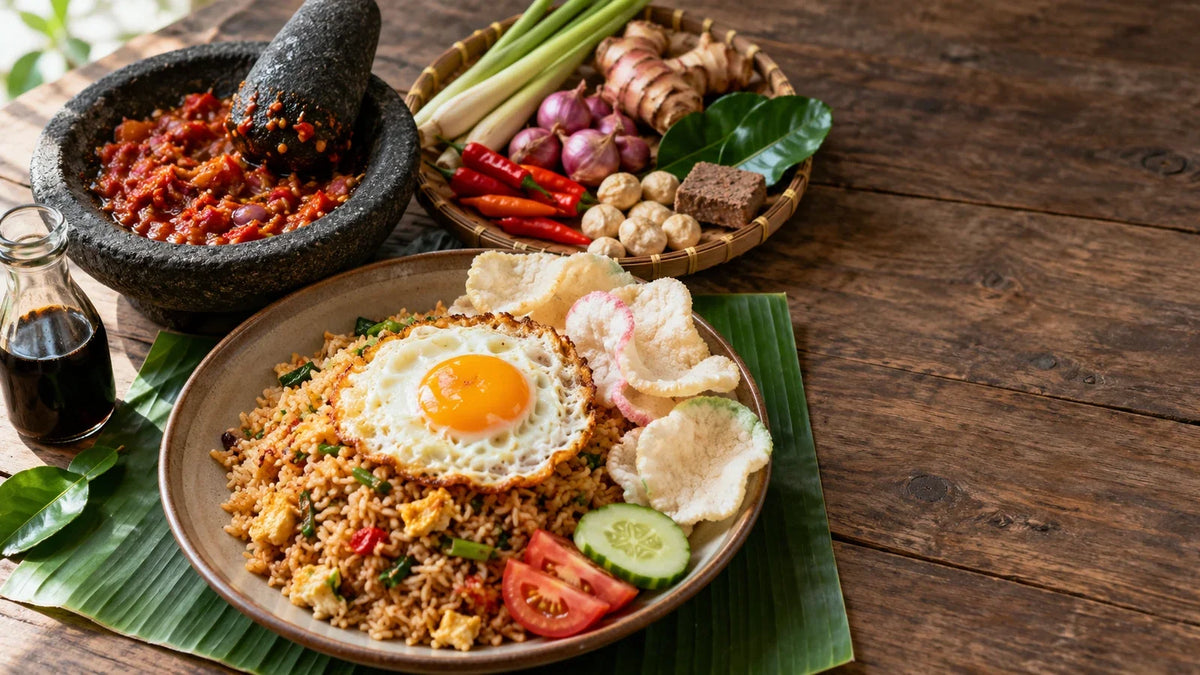
Anyone who has ever stood in a kitchen where shallots, garlic and trassi were sizzling in the wok will not soon forget the smell. Indonesian cuisine revolves around a boemboe slowly frying in oil, around santen that makes everything soft and rounded, and around a small bowl of sambal that is always within easy reach. It is food to share: rice in the middle and around it whatever the pans produce that day. For many people in the Netherlands, it tastes like home, and not for nothing is toko simply the Indonesian word for shop. In this guide you will read what to stock in your pantry to get started in your own kitchen.
What makes Indonesian cuisine so recognizable?
You recognize Indonesian cuisine by four things that appear almost everywhere: a boemboe as a base, santen, ketjap and sambal, and all of that around a plate of white rice.
- Boemboe (bumbu): a spice paste made of shallots, garlic, red chili, kemiri, galangal and turmeric, which you grind finely and fry in oil until it smells fragrant. Almost every stew, soup and rice dish starts with it.
- Santen: coconut milk, for creamy sauces such as opor and sayur lodeh, and for rendang, in which it simmers for hours until only spices and fat remain.
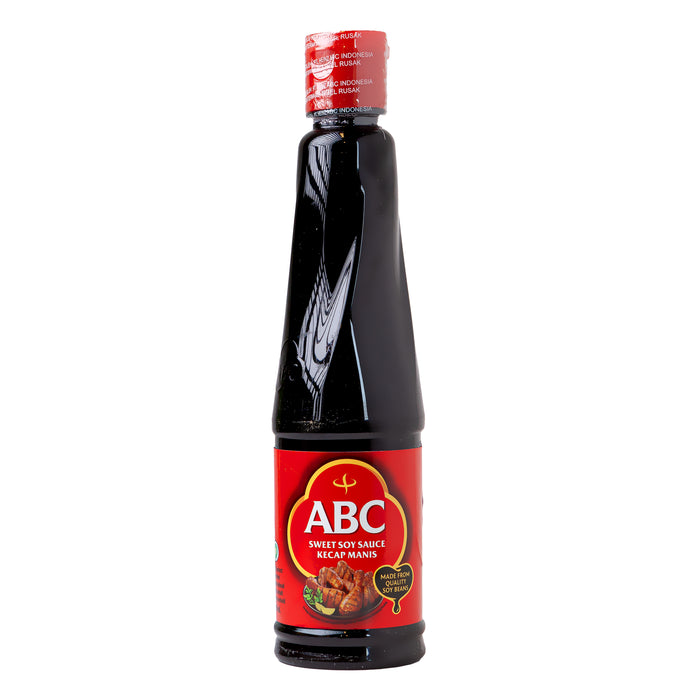
- Ketjap (kecap): ketjap manis is thick, dark and sweet from palm sugar and gives nasi goreng, semur and sate their shine. Ketjap asin is thinner and salty.
- Sambal: spicy, often with trassi in it, and always on the table so everyone can decide how hot it will be.
- Rice: nasi is the centerpiece of the meal. What you eat with it, the meat, the vegetables and the egg, is called lauk.
Around it, everything revolves around balance. Sourness comes from asem, such as WR Purified Tamarind (Assem), or from a squeeze of lime, sweetness from gula jawa and depth from trassi, the fermented shrimp paste that smells quite strong when raw but becomes rounded and savory in the pan. You also get that same savory seafood flavor from ebi, small dried shrimp that you grind finely for sambal or boemboe, from dried anchovies (ikan teri) that you fry until crispy, and from petis, a black, syrupy shrimp paste from Java.
How does Indonesian cuisine differ from island to island?
Indonesia consists of thousands of islands, and every region cooks in its own way: on Java you eat sweeter, on Sumatra spicier and richer, and on Bali and in Manado quite differently again.
- Java: sweet and soft, with lots of ketjap manis and gula jawa. Semur, opor ayam, soto ayam and nasi kuning come from here, and from East Java also rawon and petjel. In West Java, among the Sundanese, you like to eat raw vegetables with sambal and lotek with sweet peanut sauce.
- Sumatra: in West Sumatra, the land of the Minangkabau, you cook spicy and rich, with lots of red chili and santen. Rendang and gulai come from this Padang cuisine, which became known throughout Indonesia via food stalls with showcases full of small dishes.
- Bali: the island is predominantly Hindu, so pork plays a larger role than in the rest of the country, such as in babi guling. The Balinese boemboe is full of galangal, turmeric and kentjoer.
- Manado: in North Sulawesi you eat notoriously spicy, with rica-rica full of fresh red chili and sambal made from smoked fish.
In the Netherlands you mainly know the Javanese side, supplemented with rendang from Sumatra. Ayam bali, chicken thigh in a spicy tomato-ketjap sauce, is a dish that you encounter on almost every Indisch menu here.
What is the difference between Indonesian and Indisch food?
Indisch food is the cuisine of the Indo-Dutch: Indonesian dishes as they were cooked in the Dutch East Indies and later in the Netherlands, adapted to what was available. After the independence of Indonesia, many Indo-Dutch and Moluccans came to the Netherlands, and with them the toko's, the boemboes and the rijsttafel. That rijsttafel, with all its small dishes around the rice, originated in the colonial era and is now mainly an Indo-Dutch tradition; how to compose one yourself, you read in Rijsttafel at Home.
The influences also go the other way. Perkedel is derived from the Dutch frikadel and became a flat potato cake with minced meat on Java, and you can taste the Chinese influence in bami goreng, whose name comes from Hokkien.
What products do you need for Indonesian cuisine?
 Ketjap manis kecap manis · sweet soy sauceFor nasi goreng, semur and sate
 Sambal oelek sambal ulek · ground red chiliThe basic sambal, pure heat to cook with
 Trassi terasi · shrimp pasteA pinch in the boemboe for savory depth
 Santen santan · coconut milkFor opor, sayur lodeh and rendang
 Gula jawa palmsuikerCaramel-sweet, grate or melt it through
 Sereh serai · lemongrassFresh and citrusy, for soto and opor
 Djeroek poeroet jeruk purut · kaffir lime leafA few leaves in soup or coconut sauce
 Salam daun salam · Indonesian bay leafSpicy leaf that steams, not regular bay leaf
 Laos lengkuas · galangal, driedPeppery and fresh, for rendang and opor
 Kemiri kemirinootFinely ground it makes the boemboe creamy and bound
 Boemboe bumbu · spice pasteReady-made per dish, here for rendang
 Gebakken uitjes bawang gorengCrispy over rice, soto and gado gado
 Kroepoek krupuk udang · shrimp kroepoekFry yourself in hot oil, for with every plate
Fresh sereh, galangal and djeroek poeroet give the freshest taste if you can get them, but dried or ground they work just fine in a stew or soup, as long as you take a little less of ground spices. For ketjap manis you can also grab Bango Kecap Manis besides ABC. They are the same bottles that stand in the supermarket in Indonesia and that people there simply have at home in the kitchen cabinet. What ketjap you use for what, you read in Ketjap Explained, which sambal suits which dish in Sambal 101, and how to use or make a boemboe yourself in Boemboe 101. Everything about santen is in Coconut Milk 101.
View all Indonesian spices and cooking ingredients →
Which Indonesian dishes should you know?
Nasi goreng, rendang, sate ayam, gado gado, soto ayam and opor ayam are the Indonesian dishes that you encounter first, and they are all six well at home. After that follow sayur lodeh, semur and the rest of the Javanese cuisine.
For rendang you grind the boemboe yourself or use a pack of Bamboe Bumbu Rendang, for sate ayam and gado gado there is ready-made saté sauce and gado-gado sauce, and for rawon made with beef shank you need kluwak, the black nut that gives the soup its colour. If you want to go further, make bami goreng with Indonesian egg noodles, nasi kuning, sambal goreng telur, seroendeng or the Indonesian petjel from East Java, which tastes different from the Surinamese one.
Almost every dish here starts the same way: you fry the boemboe in a layer of oil over medium heat and keep stirring until the raw smell of shallot and garlic has disappeared, the paste becomes a shade darker and the oil separates at the edge of the pan, and only then do you add the meat and santan. If you rush this step, you will taste it later, because a boemboe that has not been fried long enough remains sharp and a little raw, no matter how long it simmers afterwards.
View all boemboes and spice pastes →
Where can you find Indonesian products by category?
You can find Indonesian products from us by category, from ketjap and sambal to boemboes, kerupuk, noodles and kue. Choose below what you want to continue with.
Ketjap kecapSweet, medium and salty from different brandsShop nowSambal sambalFrom oelek and badjak to terasi and ijoShop now Boemboes bumbuSpice pastes and mixes per dishShop now
 Peanut sauce saus kacangFor sate, gado gado and petjelShop nowSpices and cooking ingredients bumbu dapurTerasi, santan, gula jawa, salam and laosShop now
 Rijsttafel side dishesAtjar, seroendeng, emping and kerupukShop now
 Snacks camilanRempeyek, cassava chips and moreShop now
 Noodles miEgg noodles for bami and IndomieShop now
 Desserts and baking kuePandan, agar-agar and baking mixesShop now
Read more about Indonesian cuisine
Not sure where to start? Then stock up on a bottle of ketjap manis, a jar of sambal oelek, a pack of santen and a pack of boemboe rendang, because with those you can make nasi goreng, semur and rendang from this guide.
De Indonesische basis voor je voorraadkast
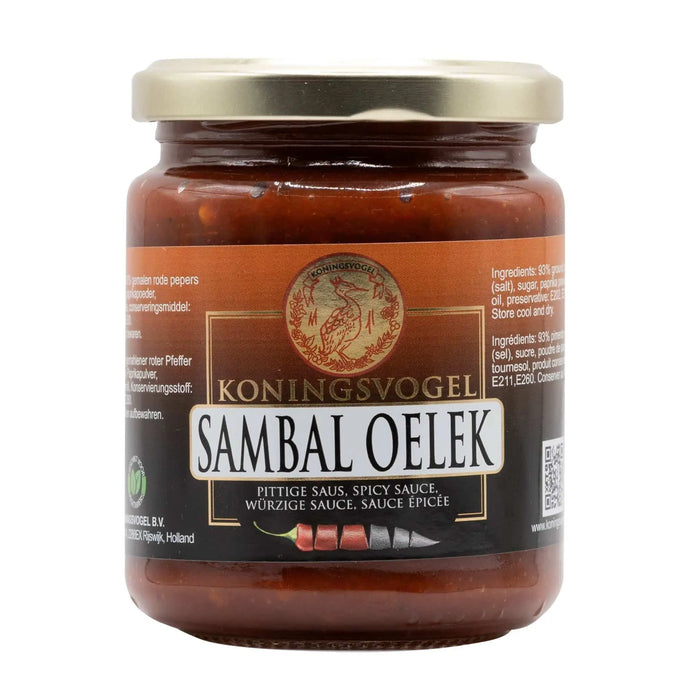
Koningsvogel Sambal Oelek
View product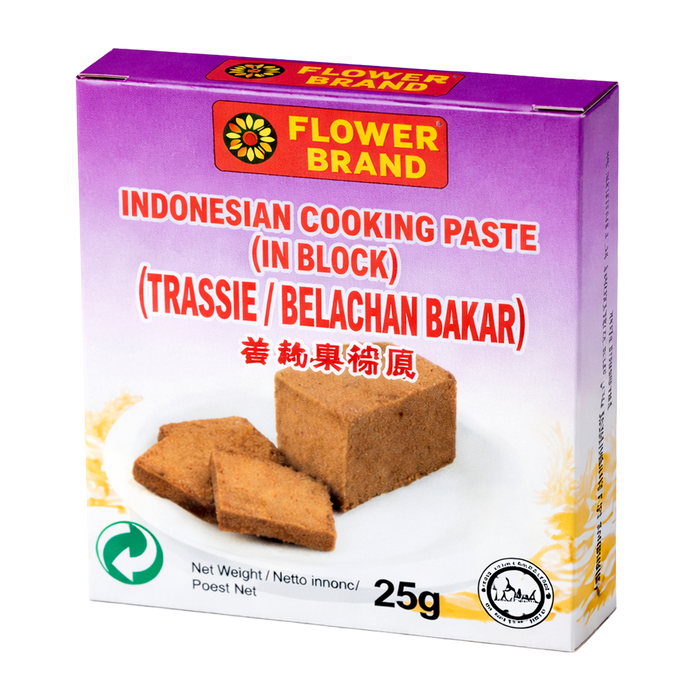
Flower Brand Trassi Bakkar
View product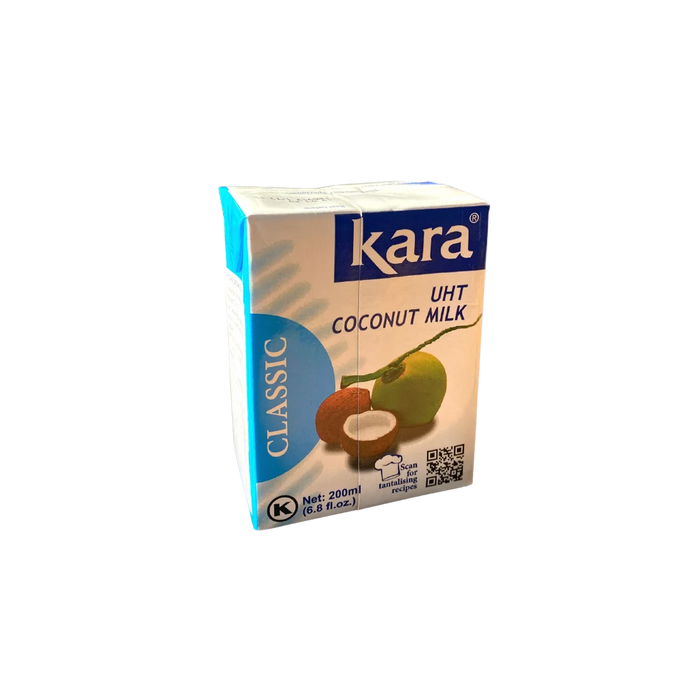
Kara Classic Coconut Milk
View product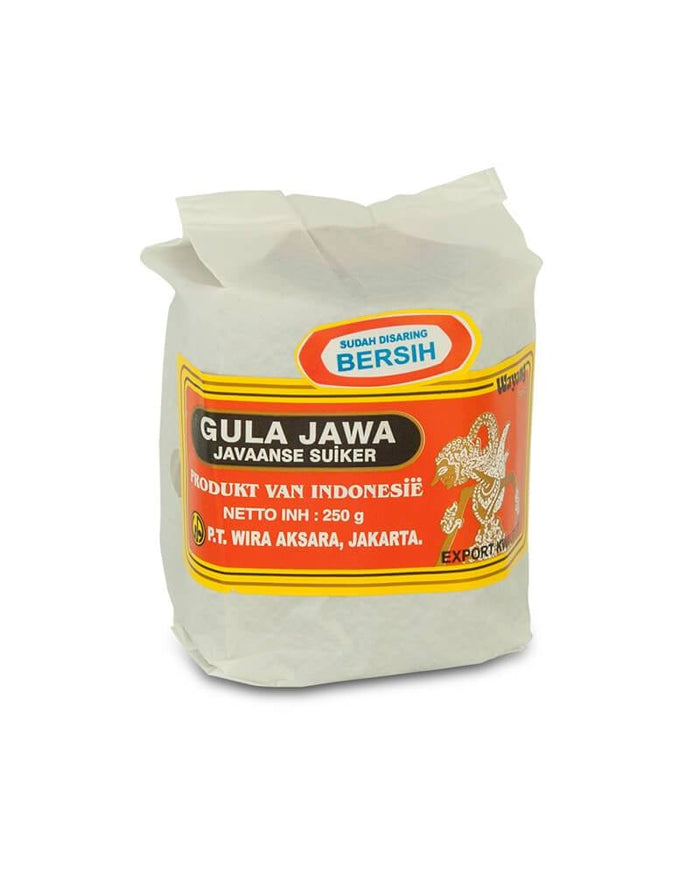
Wayang Gula Jawa
View product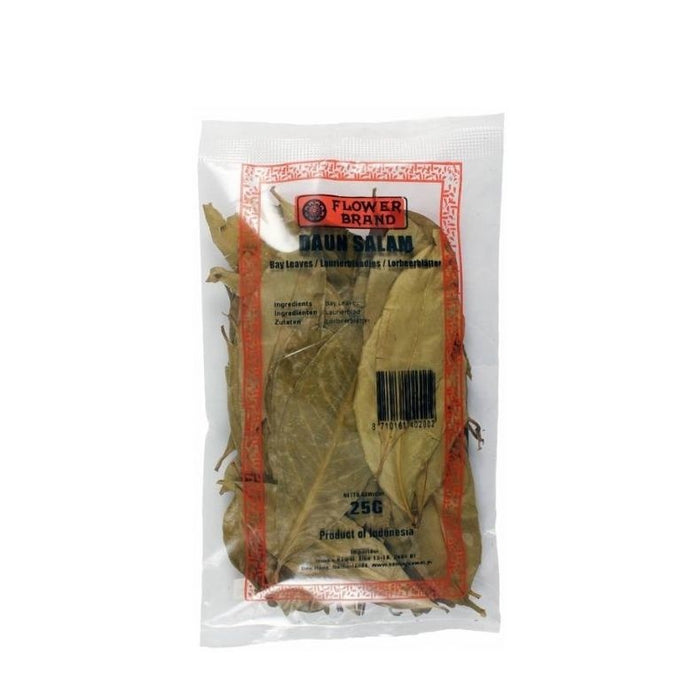
Flower Brand Daun Salam
View product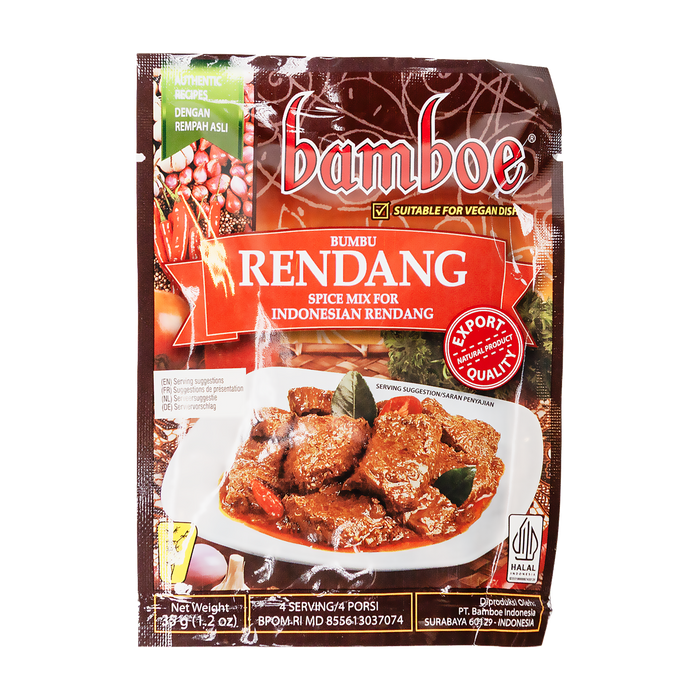
Bamboo Bumbu Rendang
View product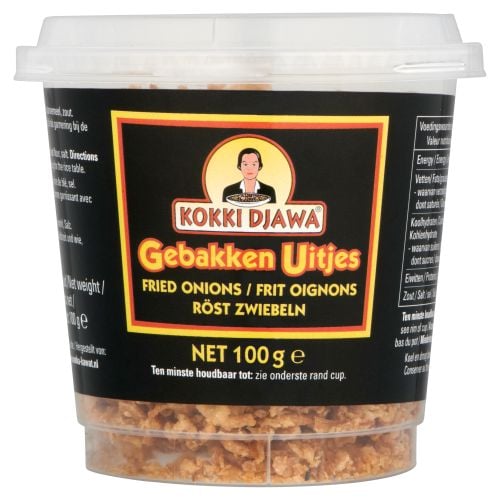
Kokki Djawa Gebakken Uitjes
View product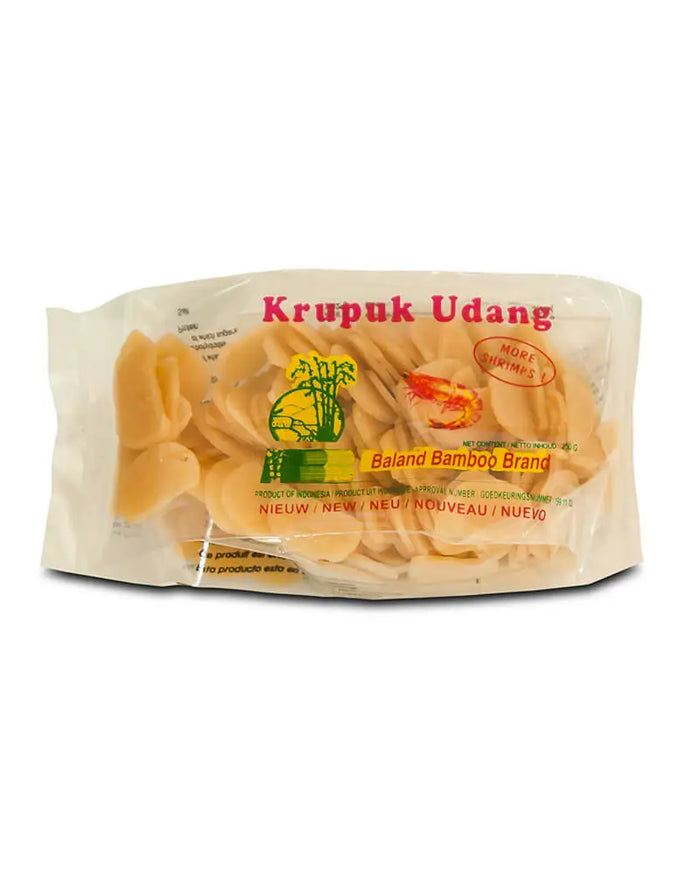
Baland Kroepoek Udang 2x3cm
View productEverything for Indonesian cuisine
From ketjap and sambal to boemboes, santen and kroepoek, all together on one page.
Frequently asked questions
What is the difference between ketjap and soy sauce?
Ketjap manis is Indonesian soy sauce that has been boiled down with palm sugar, making it thick, sweet and syrupy. Chinese and Japanese soy sauce, such as Kikkoman Soy Sauce, is thinner and salty and more like ketjap asin; read more in Soy Sauce 101.
Is Indonesian food always spicy?
No. Opor ayam, semur, soto ayam and nasi kuning are mild, and most of the spice is in the sambal you scoop in yourself.
What is a boemboe?
A boemboe (bumbu) is the spice paste that an Indonesian dish starts with, usually made of shallots, garlic, red chili and spices. You grind it yourself or buy it ready-made per dish.
What rice do you eat with Indonesian food?
White long-grain rice, such as jasmine rice or pandan rice. For nasi goreng you use rice that has been in the refrigerator overnight. Read more about rice varieties in this rice guide.
Is gado gado Indonesian or Surinamese?
Gado gado comes from Indonesia, and in Suriname they have their own variant. The recipe in this guide is the Indonesian one, with vegetables, potato, tofu and egg under peanut sauce.
What is the difference between Indonesian and Indische food?
Indische food is the cuisine of the Indo-Dutch: Indonesian dishes as they were cooked in the Dutch East Indies and later in the Netherlands. The rijsttafel is the best-known example of that.
Can I leave out trassi?
You can, but then you miss the savory depth that many dishes need. Flower Brand Trassi Powder is easy to dose if you want to try it carefully at first.
How do you store sambal and ketjap after opening?
Follow what is on the label. For sambal always use a clean, dry spoon and close the jar tightly afterwards.
The best way to get to know Indonesian cuisine is to simply start, with a bottle of ketjap, a jar of sambal and a pack of boemboe, and after cooking a few times you will naturally notice that you fry a boemboe by smell instead of by the clock and that there is always a bag of kroepoek in the cupboard. If you are in the toko in Amsterdam in front of the Indonesian shelf and do not know which ketjap or which boemboe you should have, feel free to ask us, because we are happy to think along with you. On that shelf are the Indonesian brands as you find them there in the store, next to the brands that Indische families have used for generations. All the recipes are together in our Indonesian recipes, and the whole selection can be found in the Indonesian cuisine.

