


Roti, masala and dahl: Hindustani-Surinamese cuisine
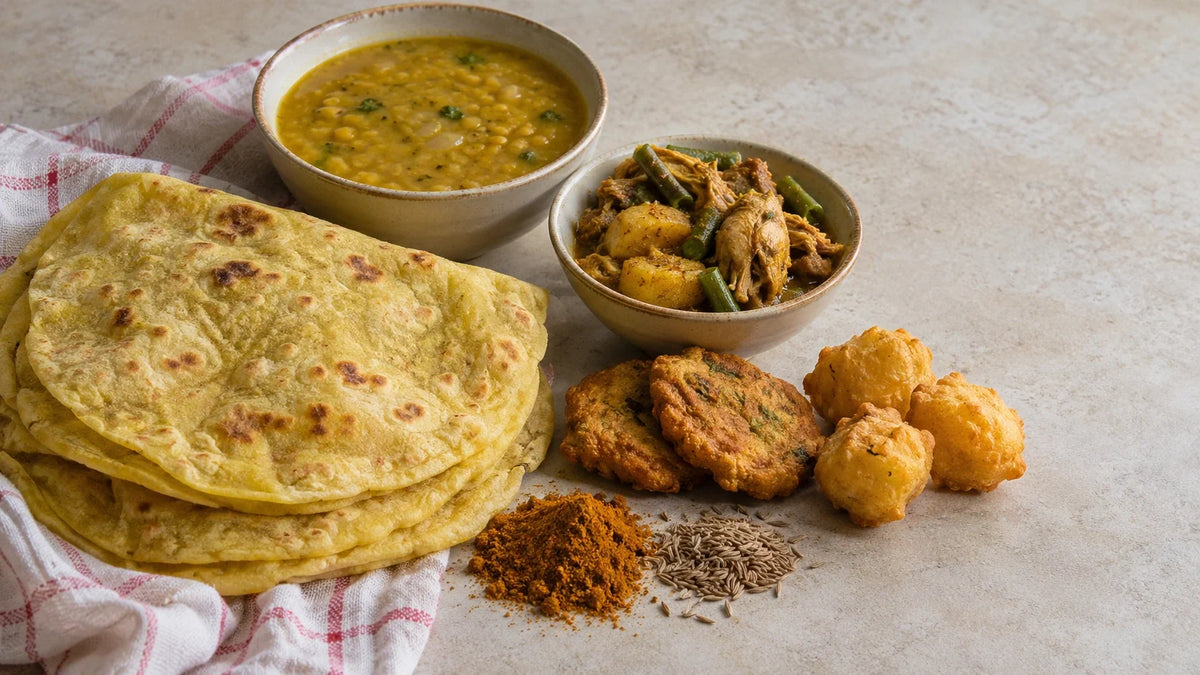
The moment you walk into a roti shop in Amsterdam or The Hague, you smell it: masala sizzling in hot oil, a stack of warm roti under a cloth and a pot of dahl simmering on the back burner. Suriname is a country where Hindustani, Creole, Javanese, Chinese, Maroon, Indigenous and Dutch cuisines have long shared the same table, and the Hindustani kitchen has contributed a few dishes that almost everyone knows. Roti with chicken, dahl with rice, bara with a dab of sambal: it’s food for Sundays, birthdays and a quick bite on the corner. Here you’ll learn exactly what roti, masala and dahl are, which split peas and masala to pick up at our shop and how to serve them at home. New to Surinamese cuisine? Start with Surinamese Cuisine 101.
What is Surinamese roti?
Roti came to Suriname with the Hindustani families who arrived from India as indentured laborers after the abolition of slavery. What they brought with them developed into a cuisine of its own, related to Indian cuisine but clearly distinct from it. To compare it with its Indian counterpart, read Indian Cuisine 101.
What is Surinamese masala, and how does it differ from garam masala?
Indian garam masala is a different thing. It’s a warming blend with spices such as cinnamon, cardamom and cloves, and in many Indian dishes you add just a pinch near the end. So you can’t simply swap one for the other; if you want to make Surinamese roti with chicken, use Surinamese masala. For how garam masala is used in Indian cuisine, see Indian Spices 101.
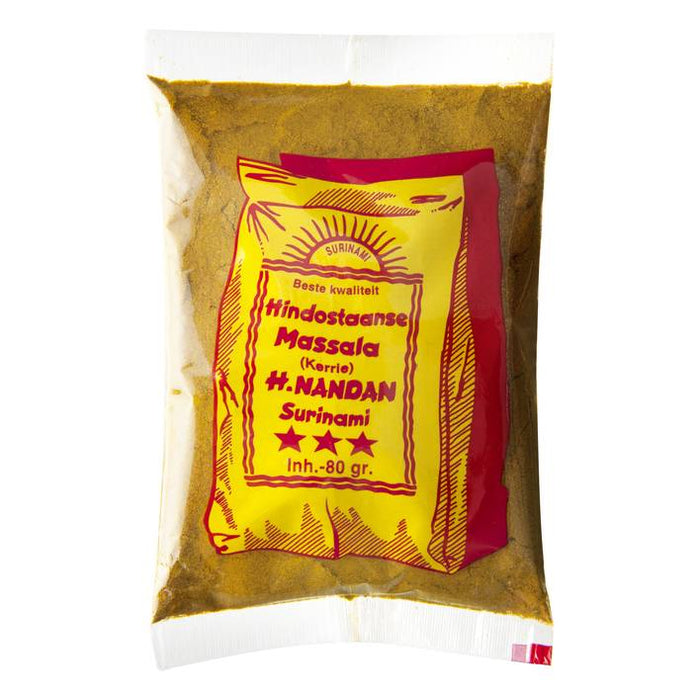
 Surinami masala Nandan · 80 gThe all-rounder for chicken, potatoes and vegetables
 Surinami masala Nandan · 300 gFor anyone who makes roti every week
 Roti kip masala Nandan · with mustard seedsMade especially for the chicken served with roti
 Hindustani masala Nandan · 5 kgFor a big pot at a celebration
 Cumin seeds jeera · wholeFor the hot oil poured over your dahl
 Turmeric ground turmericGives dahl and potatoes a deep yellow color
Our shelves stock the brands Surinamese families in the Netherlands have cooked with for generations, such as Nandan, Lekker Bekkie and Ratu. With Nandan, you can pick up a small packet for a weeknight pot or a large pack for when the whole family comes over.
Masala en kruiden voor roti en dahl
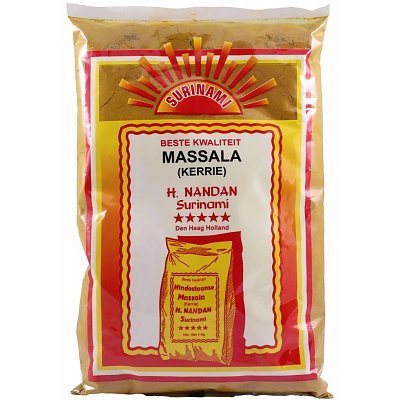
Nandan Surinami Masala
View product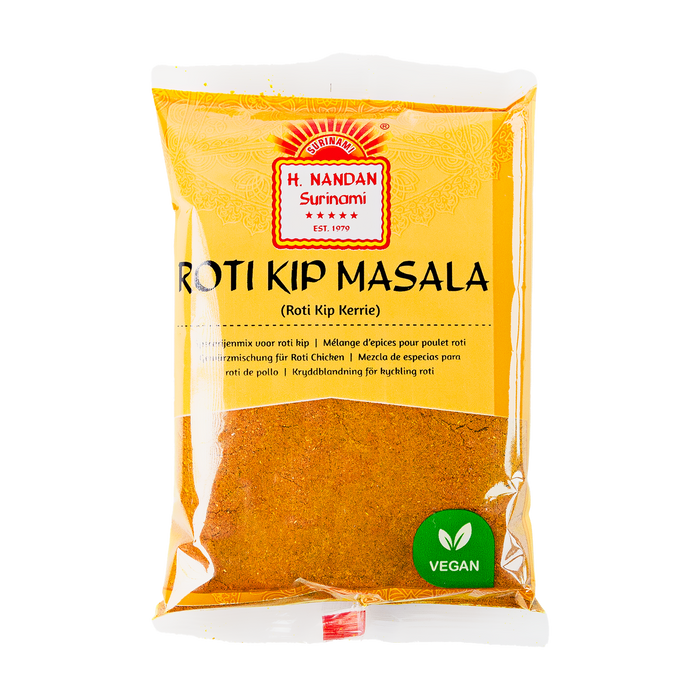
Nandan Roti Chicken Masala
View product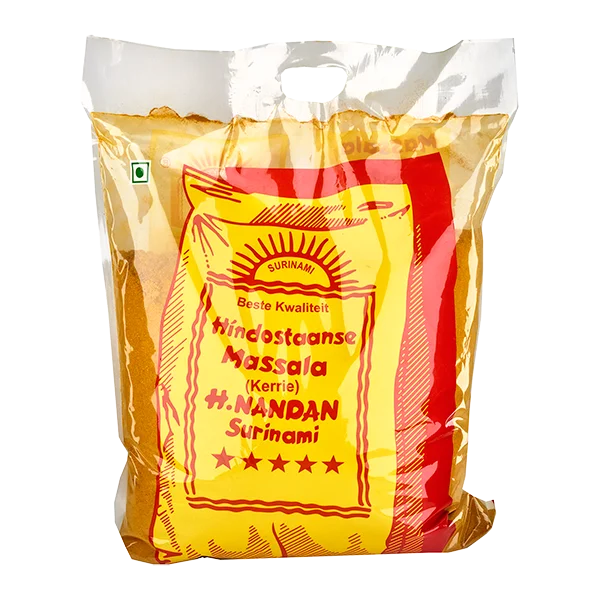
Nandan Hindustani Masala
View product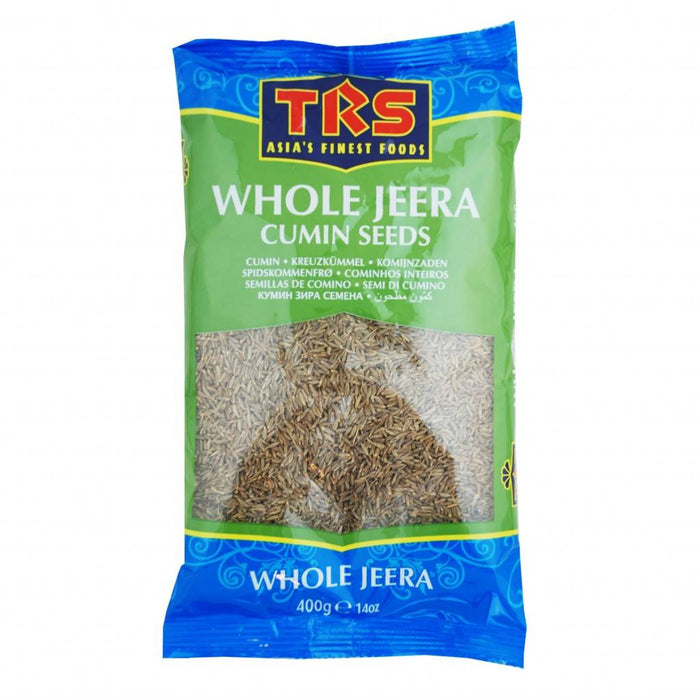
TRS Cumin Seeds
View product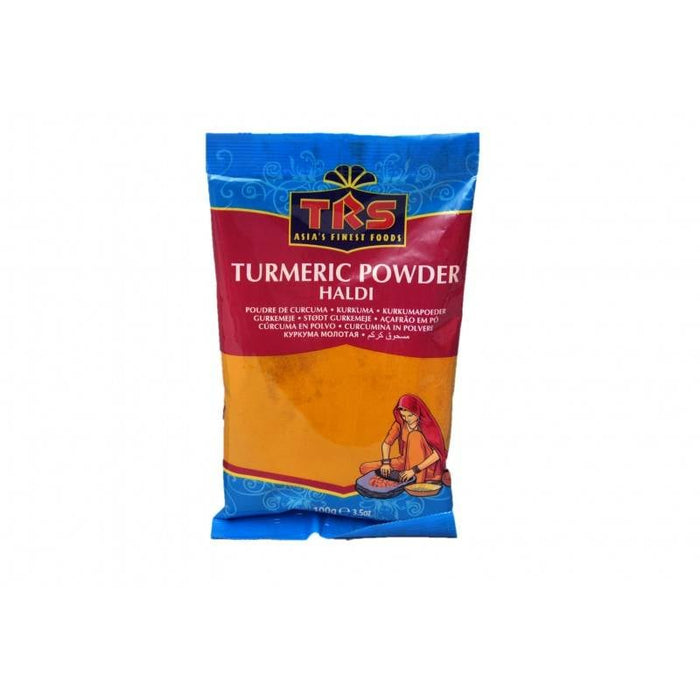
TRS Turmeric Powder
View product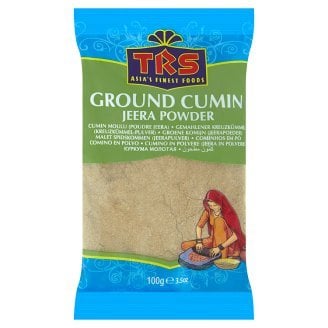
TRS (Jeera) Ground Cumin
View product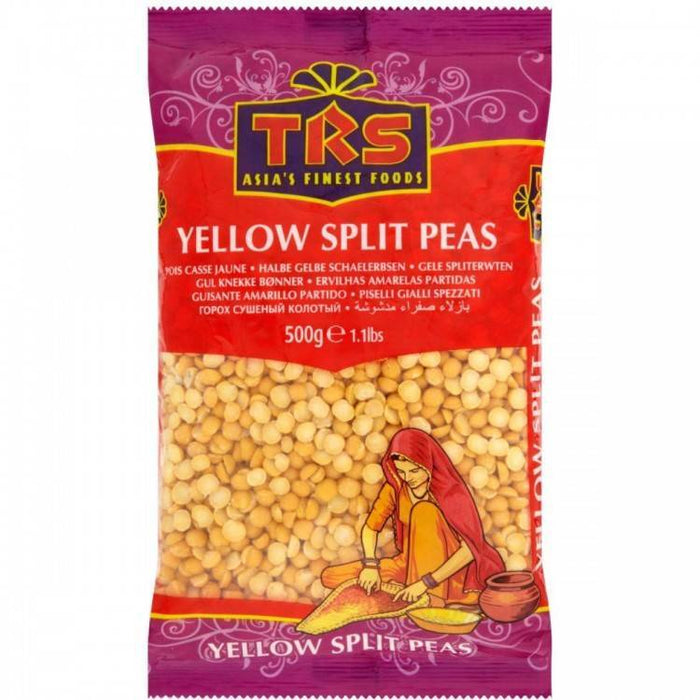
TRS Yellow Split Peas
View product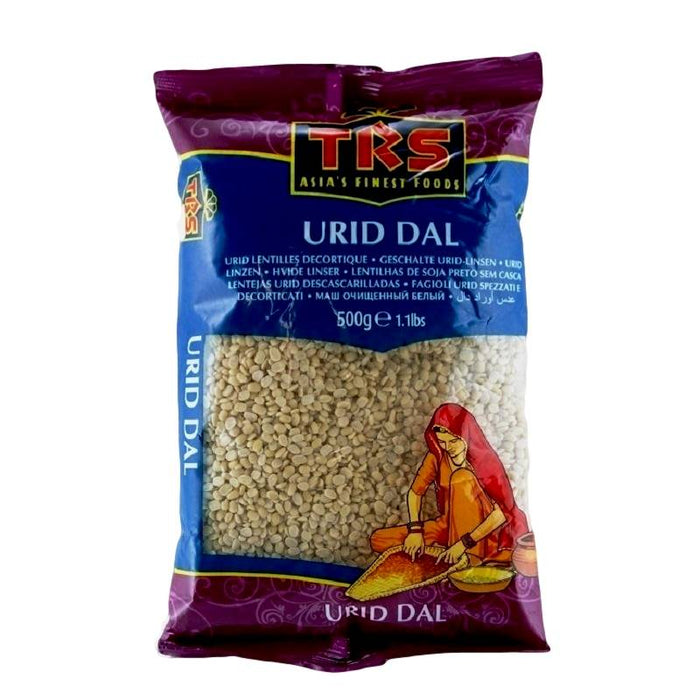
TRS Urid Dal
View productHow do you make Surinamese dahl with split peas?

A guide to split peas: which should you use?
The pulses and flour behind Hindustani-Surinamese classics. Soaking times are from our recipes; otherwise, follow the package instructions.

Yellow split peas soak for 2 to 6 hours
The basis of almost everything: boiled for dahl and dalpuri filling, ground raw for phulauri and combined with urdi for bara.

Urdi (urid dal) soak for at least 6 hours
Ground into a smooth, thick batter that rises with yeast and puffs up beautifully in the oil.

Chickpea flour besan · no soaking
A few spoonfuls in the phulauri batter help hold the balls together.

Browse all Surinamese rice, beans and pulses →
What are bara and phulauri?

Phulauri are small, airy balls made from raw ground yellow split peas with onion, garlic and coriander. Drop them into the oil using two teaspoons and eat them hot with mango chutney. For an easier option, try Nandan Surinami Phulauri Mix, which you just mix with water. Bara and phulauri are distant cousins of Indian pakora; if you love fried snacks, find more in Snacks 101.
How do you make potato masala with yardlong beans?

What do you eat with roti?

 Roti sambal tomato Lekker BekkieRound and spicy, for roti and bara
 Mango chutney Lekker BekkieSweet and sour, for phulauri and roti
 Hot potato chutney Lekker Bekkie · with Madame JeanetteHot, for bara and roti
 Pepper vinegar Lekker Bekkie · extra hotPeppers in vinegar for the enthusiast
 Ground Surinamese pepper Lekker BekkieA little kick in your dahl
Sambal, chutney en zuur bij je roti
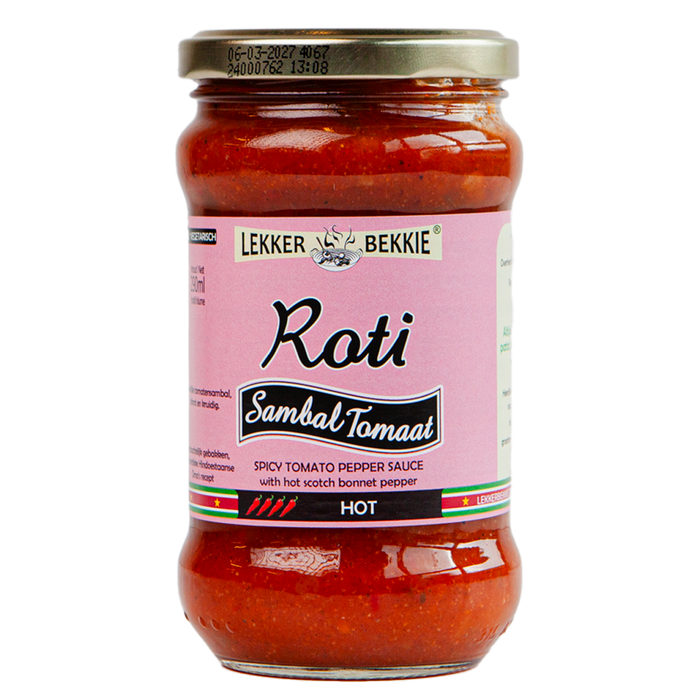
Tasty Bekkie Roti Sambal Tomato
View product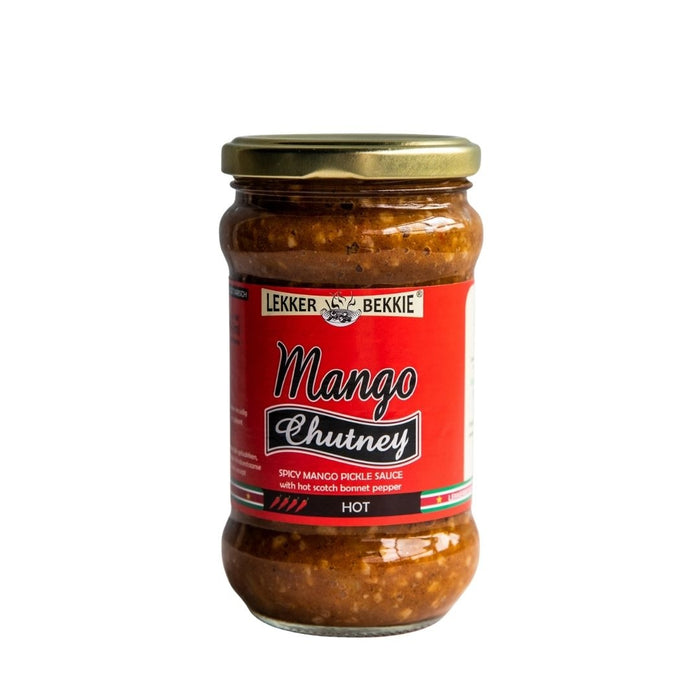
Lekker Bekkie Mango Chutney
View product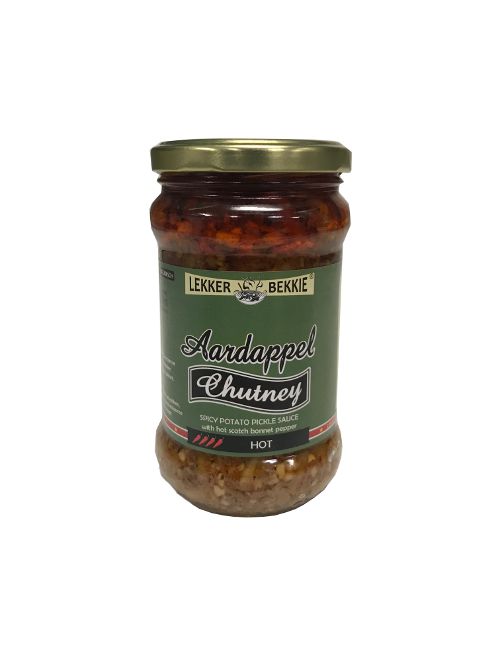
Lekker Bekkie Potato Chutney Hot
View product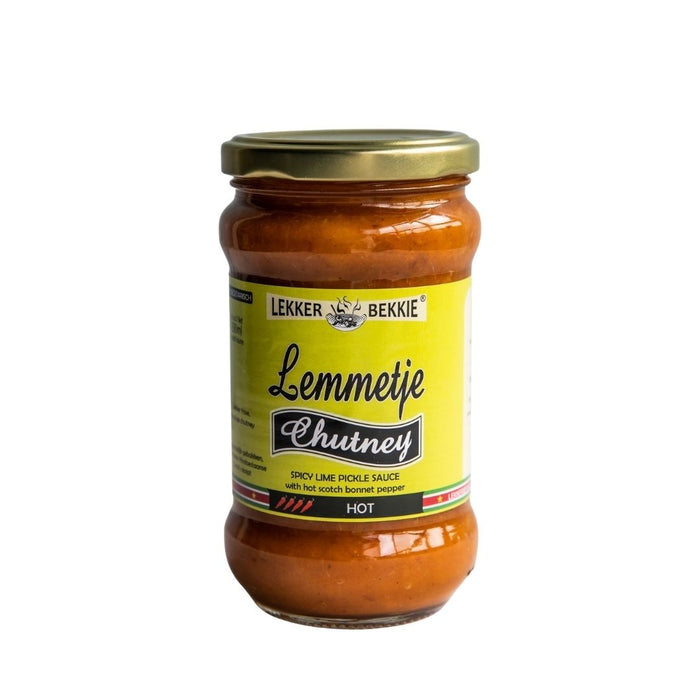
Lekker Bekkie Lemmetje Chutney
View product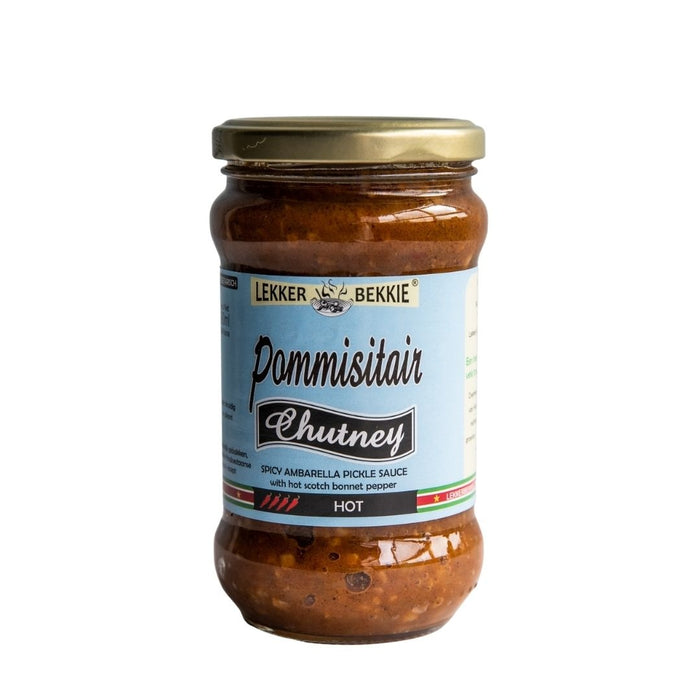
Lekker Bekkie Pommisitair Chutney
View product
Lekker Bekkie Surinamese Pickled Peppers
View product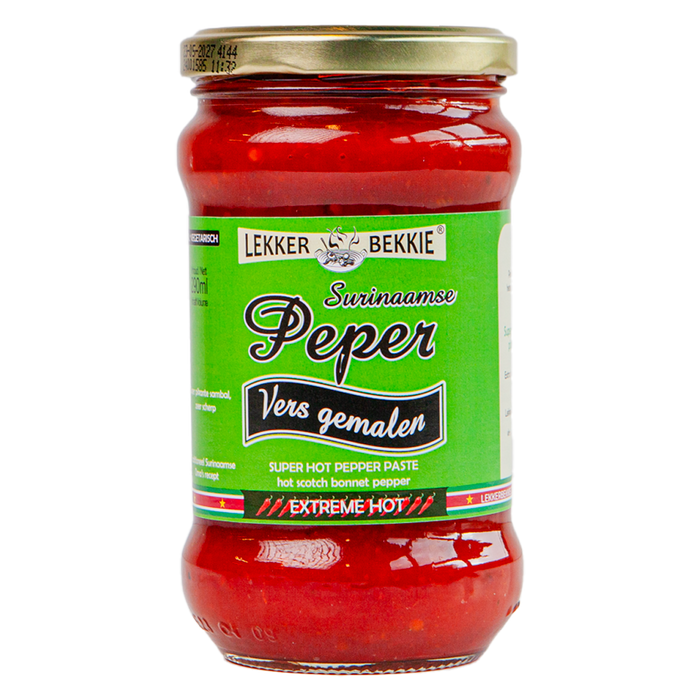
Tasty Bekkie Freshly Ground Surinamese Pepper
View product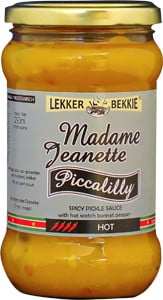
Lekker Bekkie Madame Jeanette Piccalilly
View productWhich chutney and which zuur go with which dish, and how to make cucumber zuur yourself, you can read about in Zuur, chutney and pepper sauce. We tell you everything about Madame Jeanette and the yellow pepper sauce in Caribbean hot sauce.
Can you make roti yourself?
Split peas, flour and a little patience are all you need to make roti yourself, although it takes some practice. In broad terms, it goes like this: you knead a supple dough from flour, water and a little baking powder and let it rest. Meanwhile, you cook the split peas until they are just tender but not mushy, let them steam off well and grind them finely with cumin and garlic. You fill a ball of dough with a spoonful of that powder, squeeze it shut and roll it out carefully into a thin sheet. You bake that on a hot tawa or in a dry frying pan, and you brush it with some oil or ghee until there are brown spots on it.
Not sure if you dare? Then get ready-made roti, fresh or frozen from the toko, and spend your time on a good pan of chicken or potato masala. You heat up roti briefly in a dry frying pan, and no one at the table will complain.
Masala and spices Nandan, cumin and turmericEverything for the sauce of your rotiShop now Split peas and rice for dahl, bara and phulauriSplit peas, urad and Surinamese riceShop nowSurinamese kitchen everything in one placeSambal, chutney, zuur and moreShop now
Recipes for roti, masala and dahl
With these five recipes you set a complete Hindostani-Surinamese table, from the roti with chicken to the bara for on the side.


If you want to continue after the Hindostani kitchen, the Javanese side of Suriname cooks with ketjap and se-oen in Javanese-Surinamese, and you find moksi meti and tjauw min in Chinese-Surinamese.
Masala, chutney and sambal for your roti
Nandan masala, Lekker Bekkie chutney and sambal and all the spices for the Hindostani-Surinamese kitchen.
Frequently asked questions
What is the difference between roti and dalpuri?
Dalpuri is roti with a thin layer of ground yellow split peas in it. When people in the Netherlands say Surinamese roti, they usually mean dalpuri, but there is also roti without filling.
Can I use garam masala instead of Surinamese masala?
Preferably not. Surinamese masala is the base of the sauce and you cook with it, garam masala is a warm Indian mix that you add mainly at the end. The dish will taste really different then.
Do you have to soak split peas for dahl?
It does not have to, but soaking for a few hours makes the cooking time shorter. In our recipe they soak for two hours and then cook for about three quarters of an hour.
What is urad?
Urad is the Surinamese name for urad or urid dal, a small legume that is peeled white. Ground and risen it becomes the batter of bara.
What do you eat with roti with chicken?
Roti sambal, mango chutney, zuur and some pepper sauce. Everyone scoops up themselves and adjusts the taste.
How do you heat up roti?
Briefly in a dry frying pan, on each side for a while, until it is soft and supple again. For frozen roti follow the label further.
How long can you store masala?
Follow the label. Store an opened packet dry and well closed, for example in a jar with a lid.
Roti, masala and dahl are perhaps the dishes that introduce many people in the Netherlands to Surinamese cuisine for the first time, whether at a roti shop on the corner or at the home of a neighbour who always cooks too much, and that is precisely why they feel like home to so many. Start gently with a pot of dahl and a packet of masala, let the oil sizzle for a moment and the kitchen fill with the aroma of cumin, and then sit down with a piece of roti, a spoonful of chutney and someone to share it with. If you are in our toko in Amsterdam and are unsure which masala or split peas to get, feel free to ask us, and if you would like to see how all this fits alongside the Creole, Javanese and Chinese sides of Suriname, read on in Surinamese cuisine 101.

