


Chinese-Surinamese cooking: moksi meti, tjauw min, Ve-Tsin and dried goods
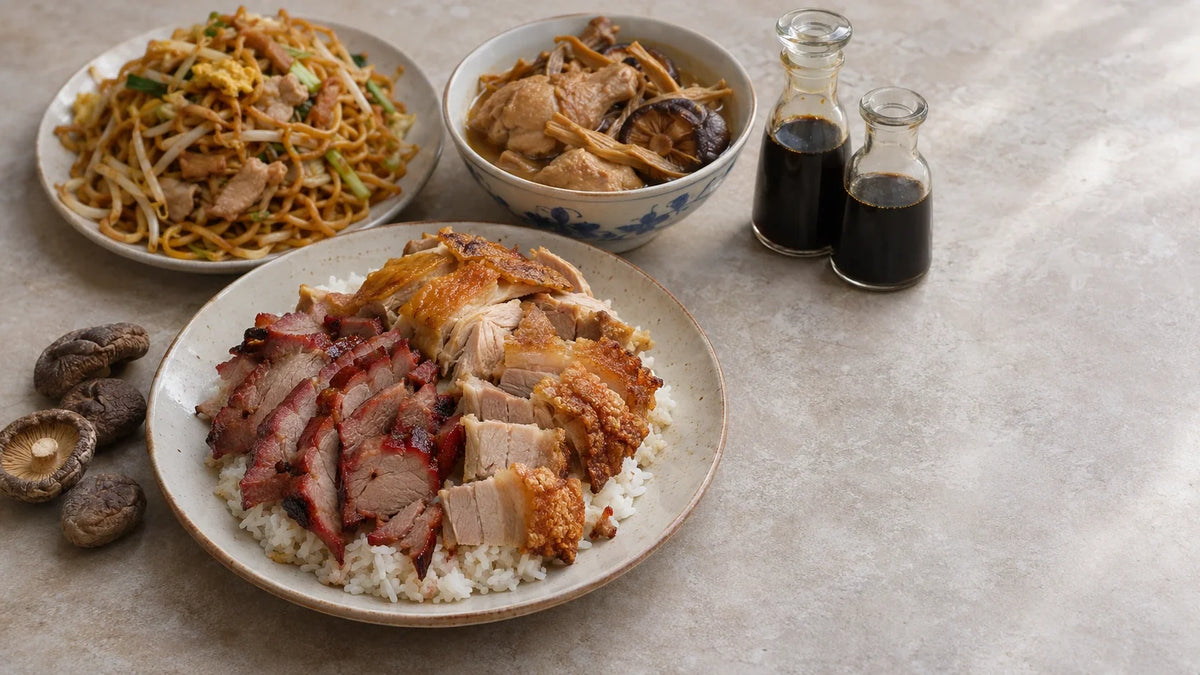
Ask for moksi meti in Paramaribo or Amsterdam and you won't get an explanation but a plate: white rice with glossy slices of tjauw sieuw, crispy pork belly and chicken, a splash of sauce poured over it and a spoonful of sour pickle on the side. Suriname is a country where Hindustani, Creole, Javanese, Chinese, Maroon, Indigenous and Dutch cuisines have long sat at the same table, and the Chinese side has contributed dishes that almost everyone knows, whatever your background. For us, this is close to home, because Tjin's Toko is a family business with Hakka-Chinese roots that run through Suriname to Amsterdam. Here you can read what Chinese-Surinamese cuisine is, which bottles and packets you need to stock up on for it and how to cook moksi meti, tjauw min and kiem tjiem chicken yourself. If you are new to Surinamese cuisine, start with Surinamese cuisine 101.
What is Chinese-Surinamese cuisine?
In Suriname, the Chinese shop on the corner is a household name, and in the Netherlands many people know this cuisine from the Chinese-Surinamese toko or restaurant where you take moksi meti in a box with rice. You can taste two layers in it: the counter with roasted meat and fried noodles, and the home kitchen with stews, steamed dishes and dried mushrooms.
On our shelf are the Chinese brands that Chinese-Surinamese families in the Netherlands have been cooking with for generations, such as Lee Kum Kee, Mee Chun and Ve-Tsin, and for the pepper next to it the pots of Lekker Bekkie. Our own family recipe for a chicken stew is in Tjin's family recipe: chicken stew.
What is moksi meti?
At home you make all three in one ordinary oven. Do plan one night ahead: the pork neck needs to marinate and the pork belly lies with salt on the sword in the refrigerator, so that the skin goes dry into the oven and puffs up crispy. If you have less time, then rub the pork neck with Lee Kum Kee Char Siu Sauce, a ready-made marinade for that same sweet layer. All the steps are in our recipe for moksi meti.
What is the difference between tjauw min and bami?
Tjap tjoy is the Surinamese name for chop suey: mixed vegetables with pieces of chicken in a light, glossy sauce that you thicken with cornstarch at the end. Cauliflower, pak choi, snap beans and carrot are common, but every kitchen does it just a little differently, and a pinch of Ve-Tsin rounds off the sauce. At Chinese-Surinamese shops, tjap tjoy often comes to the table next to rice, tjauw min or moksi meti.
Which Chinese-Surinamese dishes do you cook at home?
-
 Kau yuk: a Hakka classic of pork belly with sword and taro, steamed in a marinade of red fermented tahoe and then turned upside down on a plate.
-
 Steamed chicken with lap tjong: chicken thigh fillet with slices of Chinese sausage and shiitake, on one plate in the steamer.
- Lo han jai: a Cantonese vegetarian stew of shiitake, wood ear mushroom, kiem tjiem, tahoe and se-oen.
-
 Chicken with mixed pickles: a stir-fry of chicken thigh fillet with the sweet and sour ginger from a jar of Mee Chun Mixed Pickles.
Which products do you need for Chinese-Surinamese cooking?
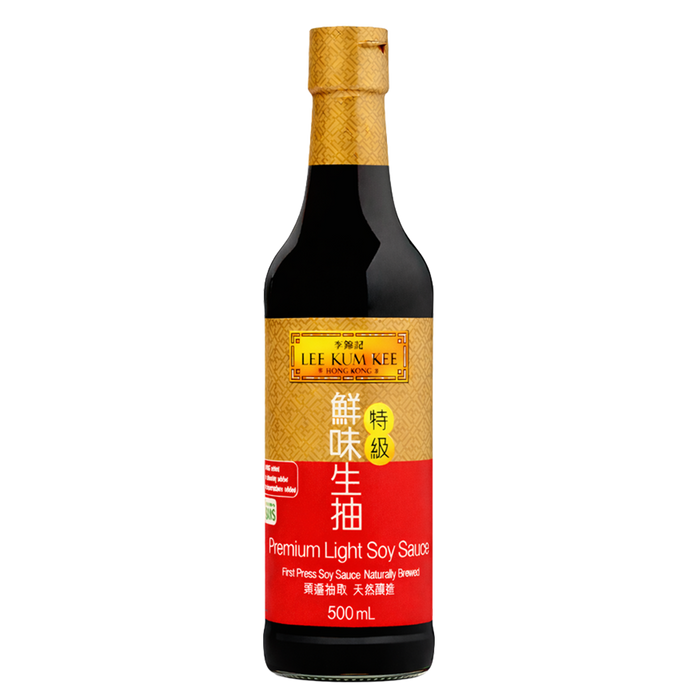
 Light soy sauce Lee Kum Kee · light soySalty and savory, for marinade, stir-frying and sauce
 Dark soy sauce Pearl River BridgeFor color in tjauw sieuw, stews and kau yuk
 Oyster sauce Lee Kum Kee PremiumRound, savory sauce for tjauw min and tjap tjoy
 Shaoxing Chinese cooking wineA splash in the marinade and around the edge of the wok
 Sesame oil Lee Kum Kee · roastedA few drops at the end, not for frying
 Five spice powder Mee Chun · five spiceFor tjauw sieuw, sieuw joek and kau yuk
 Ve-Tsin Tien Chu · monosodium glutamateA pinch in tjauw min, tjap tjoy and soup
 Maltose Bee's · maltose syrupFor the shiny glaze on tjauw sieuw
 Mixed pickles Mee Chun · Chinese sourSweet and sour ginger and papaya next to moksi meti
 Lap tjong Chinese sausageSweet and dried, for steamed chicken and rice
Which soy sauce to use for what, you can read in Soy Sauce 101, and the difference between the Lee Kum Kee oyster sauces is in Oyster Sauce 101. If you want to continue into the Chinese kitchen itself after that, start with Chinese Cuisine 101.
De Chinees-Surinaamse voorraadkast
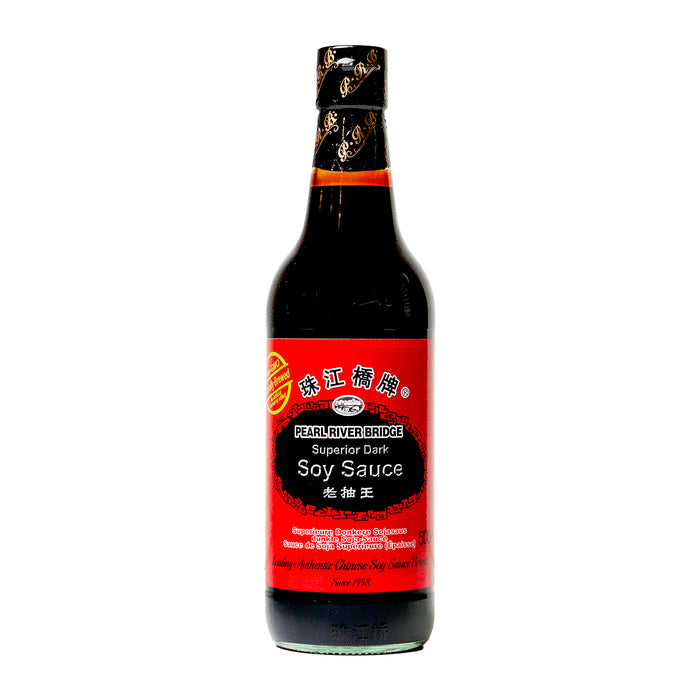
Pearl River Bridge Dark Soy Sauce
View product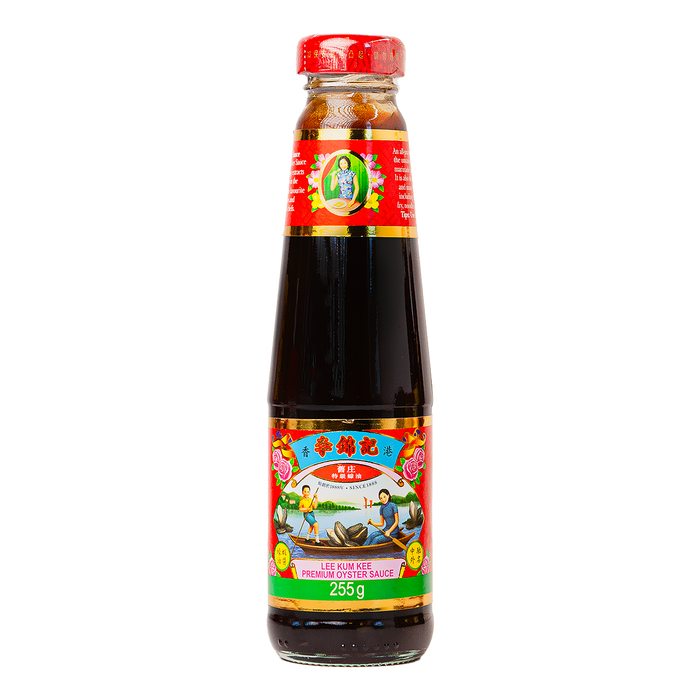
Lee Kum Kee Premium Oyster Sauce
View product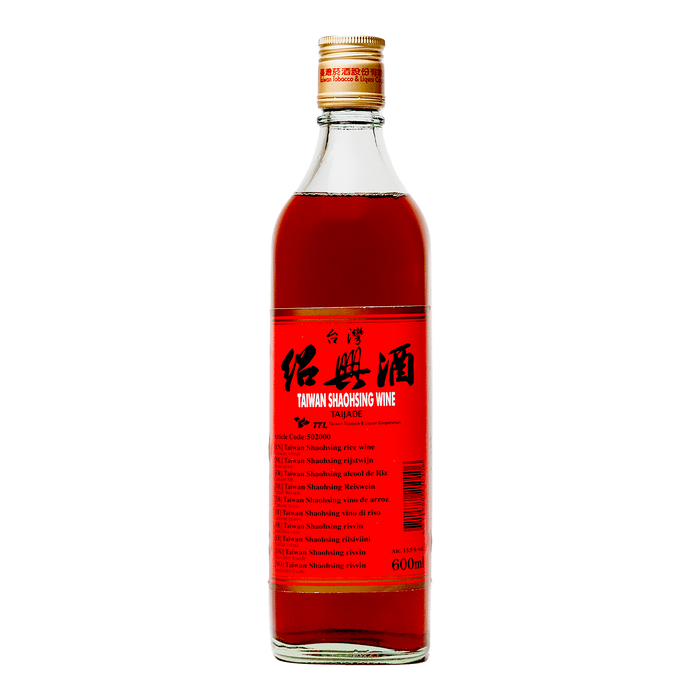
Taiwan Shaohsing Wine
View product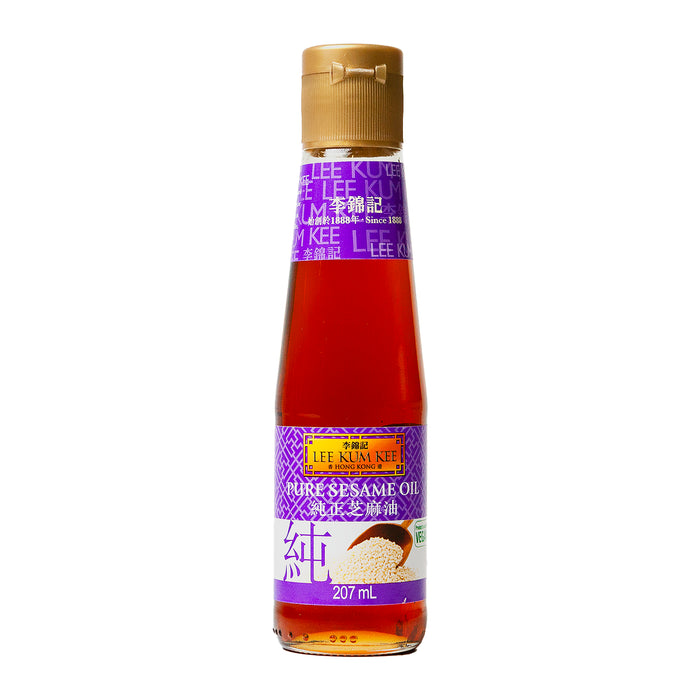
Lee Kum Kee Pure Sesame Oil
View product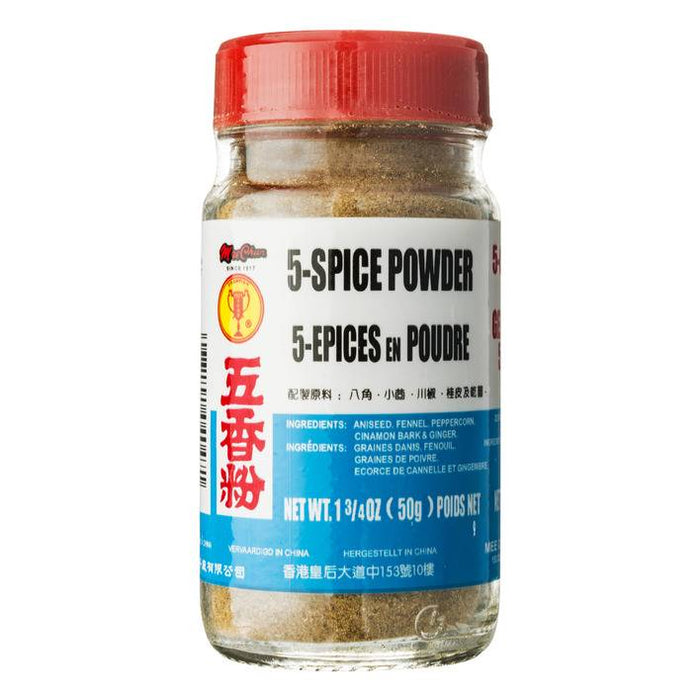
Mee Chun 5 Spice Mix
View product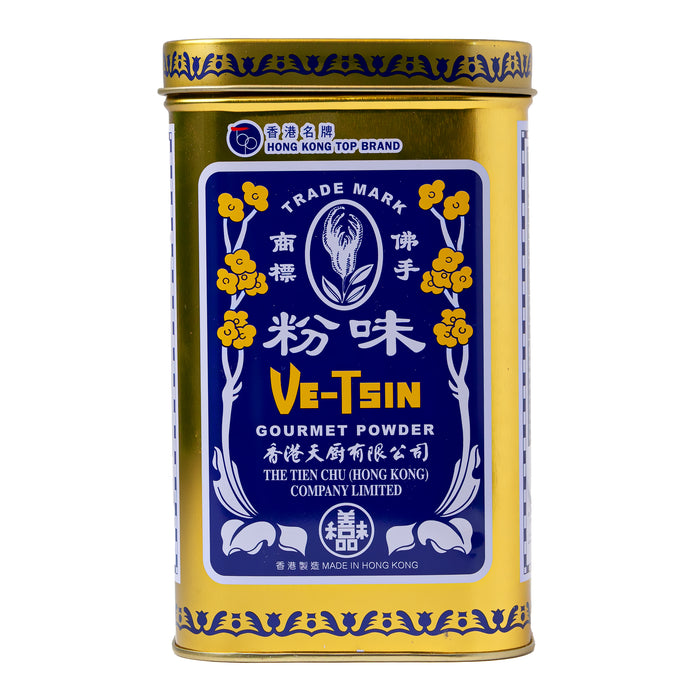
Tien Chu Ve Tsin
View product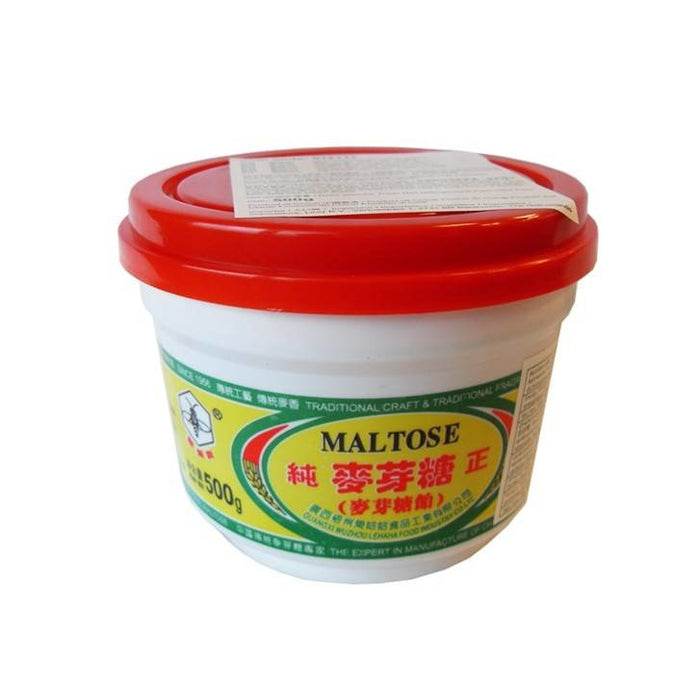
Bee's Maltose
View product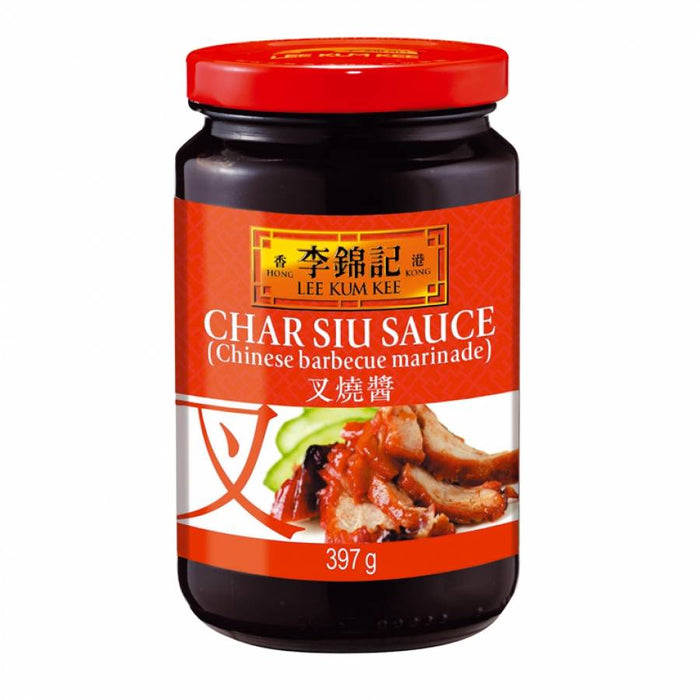
Lee Kum Kee Char Siu Sauce
View productWhat is Ve-Tsin and how do you use it?

How do you use Chinese dried goods such as shiitake and kiem tjiem?

Dried goods guide: soak and use
Soaking times such as in our recipes. An indication, not a law: the thickness and age make a difference, so feel it and follow the package.

Dried shiitake lukewarm water · at least 30 min
Squeeze them out over the bowl, cut the hard stems off and strain the soaking water for your sauce.

Wood ear fungus lukewarm water · at least 30 min
Swells up a lot and stays crispy. Tear it into pieces after soaking without the hard core.

Kiem tjiem (golden lily) lukewarm water · at least 30 min
Cut the hard tip off the stem side and tie a loose knot in each bud, then they stay whole.

Se-oen (glass noodles) lukewarm water · ca. 10 min
Let drain and cut into pieces with scissors. Only add to the pan at the end, so it doesn't become mushy.

Lap tjong (Chinese sausage) do not soak
Cut diagonally into thin slices and lay them on top of the chicken, so the fat runs over the meat during steaming.
De Chinees-Surinaamse voorraadkast
Lee Kum Kee Premium Light Soy Sauce
View productPearl River Bridge Dark Soy Sauce
View productLee Kum Kee Premium Oyster Sauce
View productTaiwan Shaohsing Wine
View productLee Kum Kee Pure Sesame Oil
View productMee Chun 5 Spice Mix
View productTien Chu Ve Tsin
View productBee's Maltose
View productLee Kum Kee Char Siu Sauce
View productWhat are Chinese plums and mixed pickles?

Mixed pickles from Mee Chun are the Chinese sour of the table: ginger, shallot, papaya, cucumber and carrot in a sweet and sour syrup, which you serve next to moksi meti or toss in the wok with chicken and mixed pickles. How this sour stands next to the chutney, the cucumber sour and the piccalilly of the other Surinamese cuisines, you read in Sour, chutney and pepper sauce.
Not sure where to start? Then take a bottle of light and a bottle of dark soy sauce, a jar of oyster sauce and a packet of Ve-Tsin, and first cook tjap tjoy or tjauw min, because with that you have the basis at home for almost everything in this guide. Put a jar of Lekker Bekkie Fresh Ground Surinamese Pepper next to it, then your plate is complete, and about Madame Jeanette and pepper sauce you read everything in Caribbean hot sauce.
Chinese sauces soy, oyster, hoisinLight and dark soy sauce, oyster sauce and sesame oilShop now Canned goods and dried goods shiitake, golden lilyDried goods, maltose, sausage and picklesShop now
 Chinese noodles mie and se-oenEgg noodles for tjauw min and glass noodlesShop now
 Surinamese cuisine pepper, rice, sourEverything for the Surinamese tableShop now
Chinese-Surinamese recipes to make at home


Read more about the Surinamese cuisine


Everything for the Chinese-Surinamese cuisine
Soy sauce, oyster sauce, Ve-Tsin, dried goods and noodles, for moksi meti, tjauw min and kiem tjiem chicken.
Frequently asked questions
What does moksi meti mean?
Moksi meti is Sranantongo for mixed meat. You get tjauw sieuw, crispy pork belly and roasted chicken on white rice, with sauce, cucumber and sour next to it.
What is the difference between tjauw min and bami?
Tjauw min is the Chinese-Surinamese fried noodles, light in color and flavored with light soy sauce and oyster sauce. Surinamese bami comes from the Javanese-Surinamese cuisine and is darker and sweeter due to the ketjap.
What is tjauw sieuw?
Tjauw sieuw is the Chinese-Surinamese name for char siu: pork roasted in a sweet marinade with soy sauce and five spice powder, and at the end getting a glaze of maltose.
What is Ve-Tsin?
Ve-Tsin is monosodium glutamate, also known as MSG or vetsin. A pinch makes savory dishes like tjauw min and tjap tjoy fuller of flavor, but you can also leave it out.
What is the difference between light and dark soy sauce?
Light soy sauce is saltier and thinner and mainly gives flavor. Dark soy sauce is thicker, slightly sweeter and less salty, and you use it mainly for color in stews and marinades.
Can I use Kikkoman instead of Chinese light soy sauce?
Yes, you can use Kikkoman Soy Sauce in tjauw min and tjap tjoy where light soy sauce is called for. The flavor is slightly different, and you will still need dark soy sauce for the dark color of tjauw sieuw and kau yuk.
What is kiem tjiem?
Kiem tjiem are dried daylily buds, also known as golden lily or golden needles. You soak them in lukewarm water, cut off the hard tip, and steam them, as in kiem tjiem chicken and lo han jai.
How do you store dried shiitake and wood ear mushrooms?
Follow the label. After opening, store them in a dry, airtight container, such as a tightly sealed jar, and only soak what you use that day.
Chinese-Surinamese cuisine may be the cuisine that most easily finds its way into your home, via a box of moksi meti on Saturday or a plate of tjauw min that someone brings over for you, but behind that counter is a home kitchen that is worth getting to know yourself. Start with a bottle of light soy sauce, a jar of oyster sauce, and a bag of dried shiitake, let the dried goods soak slowly while the rice cooks, and put a small bowl of mixed pickles and a spoon of pepper next to it, because that is what the plate should look like. If you are in our toko in Amsterdam and are not sure which soy sauce or dried mushroom you need, feel free to ask us, and if you want to see how all this fits alongside the Hindustani, Creole, and Javanese side of Suriname, read on in Surinamese Cuisine 101.

