


Surinamese cuisine 101: how to cook Surinamese food at home
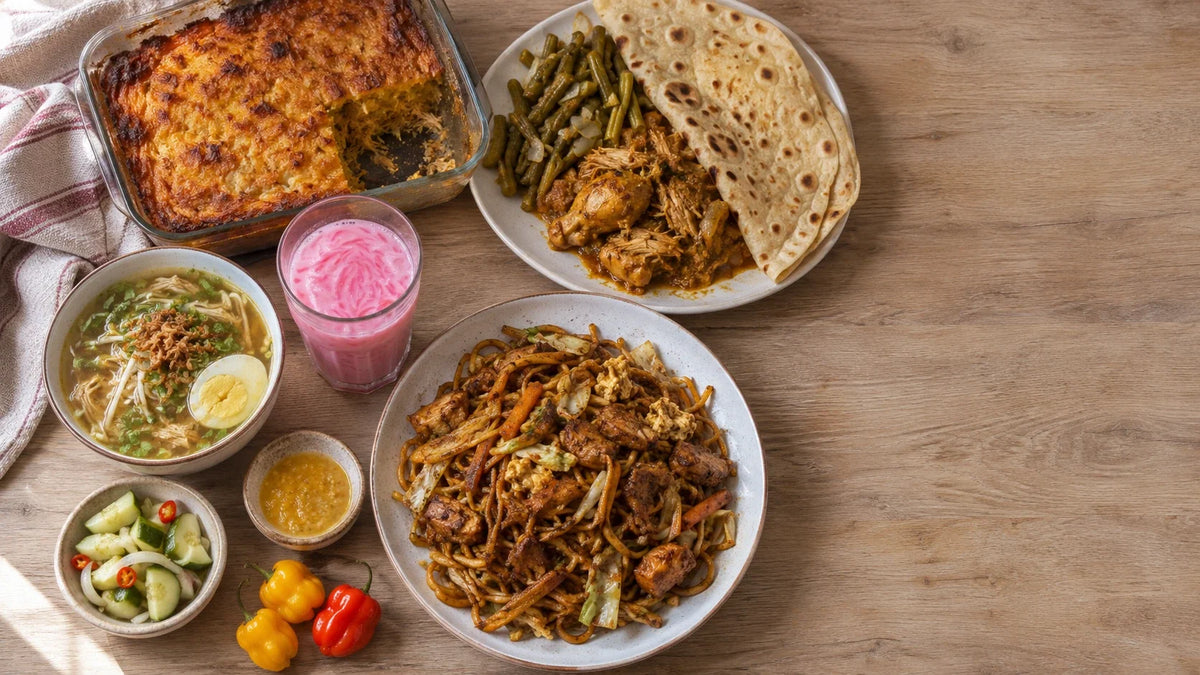
At a Surinamese birthday party, everything is served together: roti with chicken, a dish of bami, pom that has just come out of the oven, moksi meti and a jar of zuur that everyone takes a spoonful from. Indigenous Surinamese people and the descendants of enslaved Africans, Creoles and Maroons laid the foundation. Later, Hindustani, Javanese and Chinese contract labourers brought their own spices and pans, and the Dutch colonial era also left its mark on the plate. What grew from this is one cuisine with many homes, held together by rice, Madame Jeanette and the habit of sharing. For us as a family business with Hakka-Chinese roots via Suriname, this is the cuisine that feels closest to home in our toko in Amsterdam.
What is Surinamese cuisine, really?
A Hindustani family can just as easily make bami as a Javanese family eats roti. Yet you can still taste where each dish comes from: the masala in the roti, the ketjap and trassi in the nasi, the oyster sauce in the tjauw min. Many names come from Sranantongo, the language everyone in Suriname shares, such as moksi alesi, mixed rice, and moksi meti, mixed meat.
Which cuisines can you find in Surinamese cuisine?
In Surinamese cuisine, you can find four major cuisines side by side, with the older layers of Indigenous and Maroon cuisines beneath them.
Hindustani-Surinamese: roti, dahl, masala and bara
Creole: pom, brown beans, heri heri and peanut soup
Javanese-Surinamese: bami, nasi, saoto and petjel
Chinese-Surinamese: moksi meti, tjauw min and tjap tjoy
Indigenous and Maroon
The cuisines of the Indigenous Surinamese and the Maroons in the interior are less commonly encountered in the Netherlands, but you can taste them in cassava, which was already grown in Suriname long before the other groups arrived and is still in many dishes.
What binds all Surinamese food together?
- Madame Jeanette: the yellow, fragrant pepper goes whole in the pan or comes ground to the table. You get Madame Jeanette fresh or frozen in the toko, and everything about peppers and pepper sauce you read in Caribbean hot sauce.
-
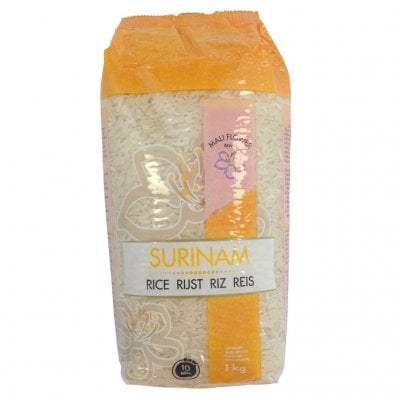
 Rice: Surinamese rice is the long grain that almost every dish is served on or beside. Which rice you use for what is in our rice guide.
- Salt meat: salted beef that you first boil briefly and that afterwards seasons the beans, the moksi alesi and bitawiri.
-
 Ketjap: not only for bami and nasi, but also in pom, brown beans and bakkeljauw goes a dash of ketjap manis. The difference between manis, sedang and asin you read in Ketjap explained.
-
 Sour on the table: cucumber zuur, piccalilly, mango chutney and mixed pickles make a plate complete. Which sour belongs with which dish, you read in Sour, chutney and pepper sauce.
View all Surinamese spices and flavourings →
Where can you eat Surinamese food?
Outside the home you eat Surinamese food at the warung, the roti shop and the Chinese-Surinamese toko or restaurant, and each of those places has its own menu.
In Suriname a warung is a simple eatery, often run by a Javanese-Surinamese family, where you get saoto, bami, nasi, petjel and a glass of dawet, and in the Netherlands such places are also simply called warungs. At the roti shop you order roti with chicken or potato masala, with bara and phulauri on the side, and at the Chinese-Surinamese shop you get moksi meti, tjauw min or tjap tjoy. A pom sandwich or a bakkeljauw sandwich is Surinamese street food that you come across everywhere.
Which products do you need for Surinamese cuisine?
 Surinamese rice alesiLong grain for almost everything
 Masala Surinamese masalaFor chicken masala and potato masala
 Roti chicken masala for the roti fillingChicken, potato and string beans in masala
 Yellow split peas for dahlFor dahl, phulauri and in the roti
 Urdi urid dalGround for the bara batter
 Ketjap manis sweet soy sauceFor bami, nasi, pom and brown beans
 Se-oen mung bean glass noodlesIn the saoto bowl
 Pindasambal for petjelOver blanched vegetables
 Surinamese peanut butter spicyFor peanut soup with tom tom
 Ground pepper Madame JeanetteA pinch on your plate, with everything
 Piccalilly with Madame JeanetteIn the pom and next to the rice
 Mango chutney sweet and spicyWith roti, bara and phulauri
 Mixed pickles sweet and sourNext to moksi meti and tjauw min
 Ve-Tsin flavor enhancerA pinch in tjauw min and tjap tjoy
 Dawet essence pink and fragrantFor the coconut drink dawet
Pomtajer, salt meat, bakkeljauw and cassava, and fresh vegetables such as string beans, antroewa, bitawiri and sopropo, you can get fresh or frozen in the toko. For shelf life, follow the label.
View all Surinamese rice, beans and legumes →
Which Surinamese dishes do you cook at home?
Roti with chicken, pom, saoto and moksi meti are among the best-known Surinamese dishes, and with the eight recipes below you can cook something from every cuisine at home.
If you want more, try kiem tjiem kip, antroewa with bakkeljauw or sopropo with egg. All the recipes are together in our Surinamese recipes.
Where can you find Surinamese products by category?
You can find Surinamese products with us by category, from masala and pepper sauce to rice, beans, marinades, snacks and syrups.
Everything Surinamese the entire rangeFrom masala to pepper sauce, zuur and dawetShop nowSpices and flavourings masala and pepperMasala, ketjap, sambal, chutney and zuurShop now Rice and beans alesi and beansSurinamese rice, brown beans and split peasShop now
 Marinades for meat and chickenMarinades for the pan and the barbecueShop now
 Snacks to nibble onBanana chips, biscuits and prunesShop now
 Drinks syrupsDawet, orgeade and bottled susuroosShop now
Read more about Surinamese cuisine
Not sure where to start? Stock up on a bag of Surinamese rice, a pack of yellow split peas, a jar of freshly ground Madame Jeanette and a bottle of ketjap manis, and you'll be serving up a pan of dahl with rice this week, with some homemade zuur on the side.
De Surinaamse basis voor je voorraadkast
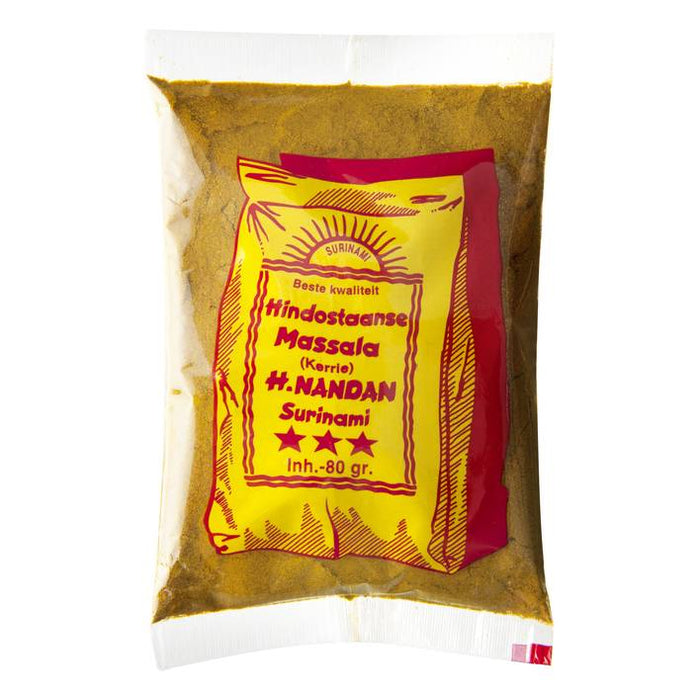
Nandan Surinami Masala
View product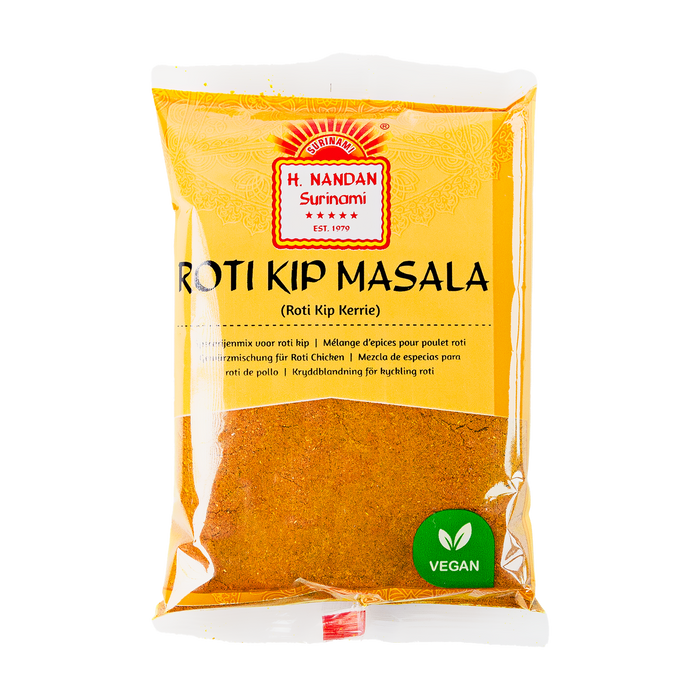
Nandan Roti Chicken Masala
View product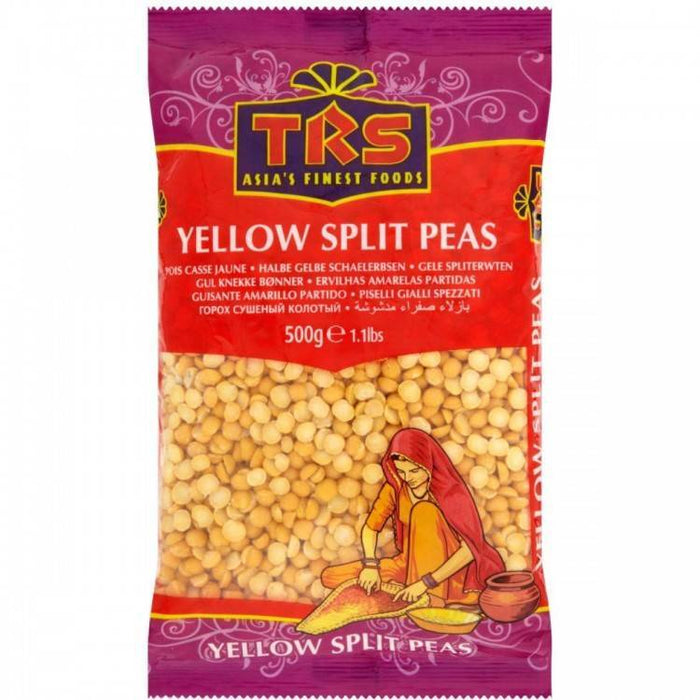
TRS Yellow Split Peas
View product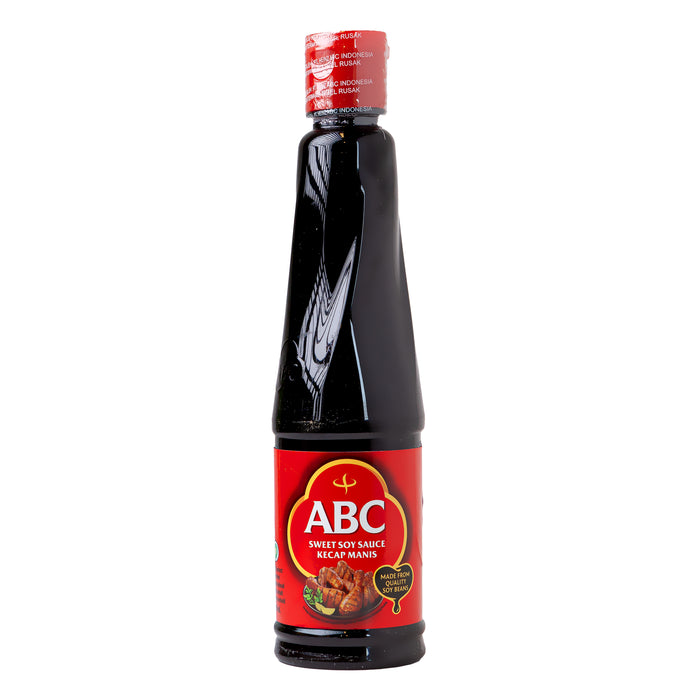
ABC Kecap Manis
View product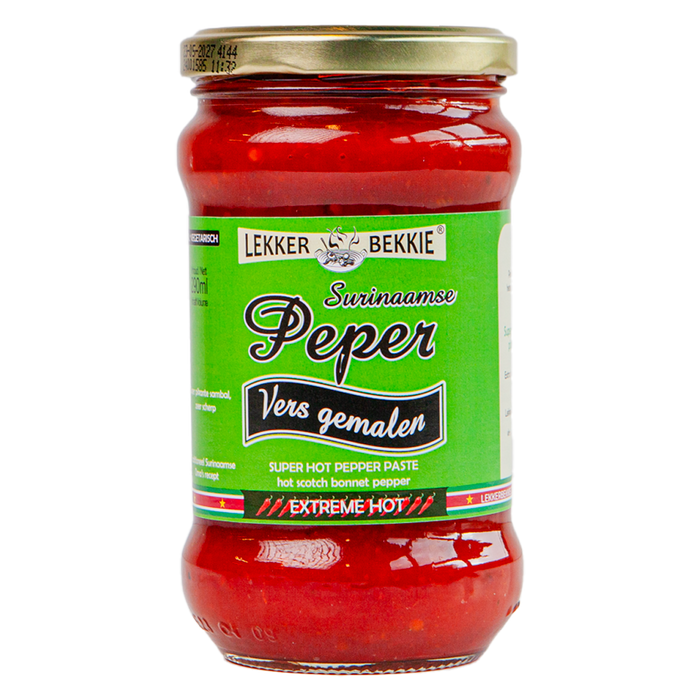
Tasty Bekkie Freshly Ground Surinamese Pepper
View product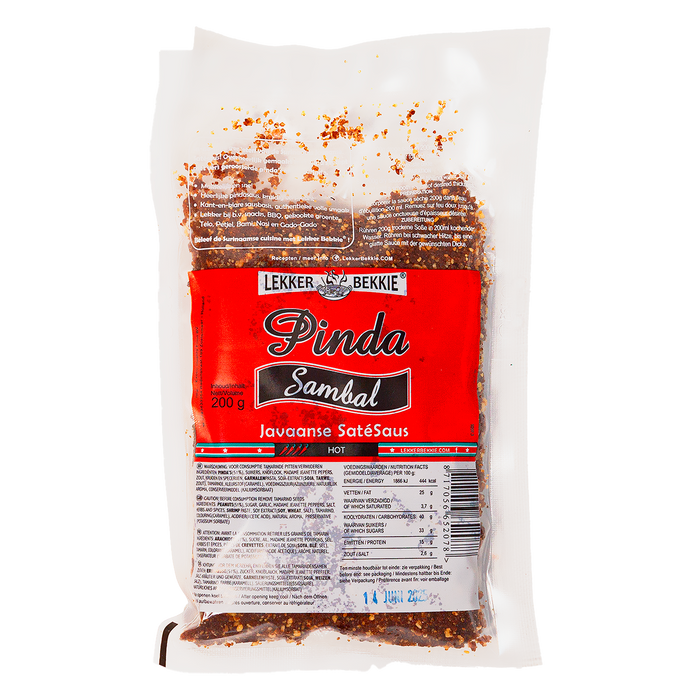
Delicious Bekkie Javanese Peanut Sambal
View product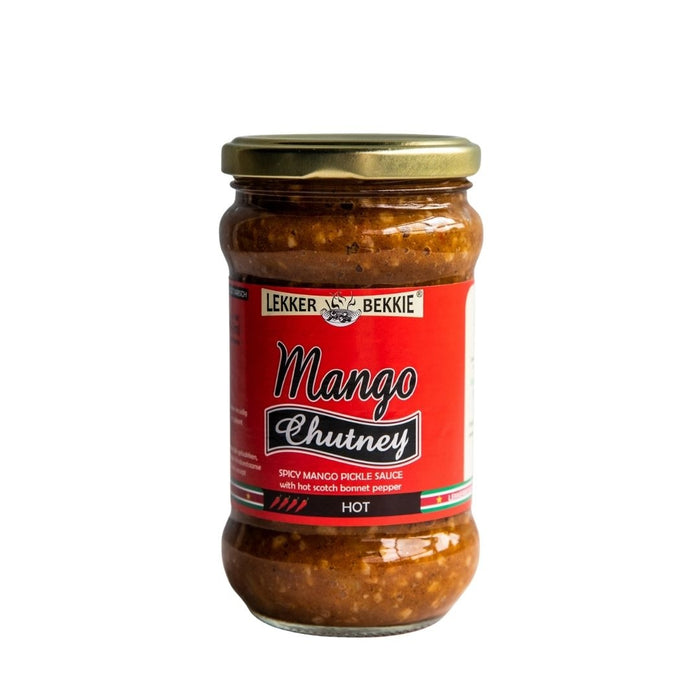
Lekker Bekkie Mango Chutney
View product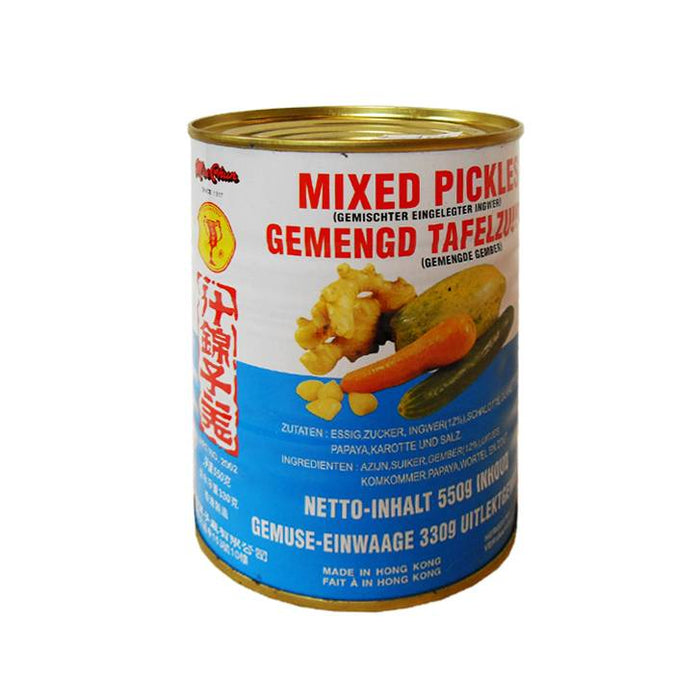
Mee Chun Mixed Pickles
View productEverything for the Surinamese kitchen
From masala and split peas to ketjap, pepper sauce, zuur and dawet, all on one page.
Frequently asked questions
What is typical Surinamese food?
Roti with chicken, pom, brown beans with salt meat, bami, nasi, saoto, moksi meti and dahl are the dishes most people think of straight away, almost always with rice, pepper sauce and zuur on the side. You can find an overview of each cuisine in our Hindostani, Javanese and Chinese-Surinamese guides.
Is Surinamese food always spicy?
No, most dishes are not hot on their own, because the Madame Jeanette is often cooked with the dish and then removed. You add the heat yourself at the table with ground pepper or sambal, and you can read more about pepper in Caribbean hot sauce.
What is the difference between Surinamese and Indonesian bami?
Surinamese bami is darker and sweeter because a lot more ketjap manis is added, and it is often served with Surinamese pepper. Indonesian bami goreng is lighter in colour and less sweet, as you can read in Indonesian cuisine 101.
What is moksi meti?
Moksi meti is Sranantongo for mixed meat: a dish of rice with tjauw sieuw, crispy pork belly and roasted chicken, with a brown sauce and zuur on the side. You know it from the Chinese-Surinamese toko, and with our moksi meti recipe you can make it in a regular oven.
What is a warung?
A warung is a simple eatery, often run by a Javanese-Surinamese family in Suriname, where you can get saoto, bami, nasi, petjel and dawet. Javanese-Surinamese eateries in the Netherlands are also called warungs.
Can you cook Surinamese food vegetarian?
Yes, because dishes such as dahl, potato masala with string beans, petjel and phulauri are already vegetarian. For petjel without fish or shrimp, use a vegetarian peanut sambal.
What is pom?
Pom is a Creole oven dish made from grated pomme-de-terre with chicken, orange juice and piccalilly, which is served at many Surinamese parties. It is just as tasty cold in a roll, and you can find the pom recipe among our recipes.
The best way to get to know Surinamese cuisine is to simply start with one pan, a dahl on a weekday evening or a dish of bami when people come over, because after a few times you'll naturally find yourself adding another dash of ketjap and removing the pepper in time. If you are standing in our toko in Amsterdam among the Lekker Bekkie pepper sauces, Nandan masala and Mee Chun mixed pickles that have been staples in Surinamese kitchens in the Netherlands for so long and are not sure what to choose, feel free to ask us, because this cuisine is close to our hearts and we are happy to help. All the recipes are together in our Surinamese recipes, and you can find the full range in Discover Surinamese Cuisine.

