


Javanese-Surinamese cuisine: ketjap, se-oen, bami, saoto and dawet
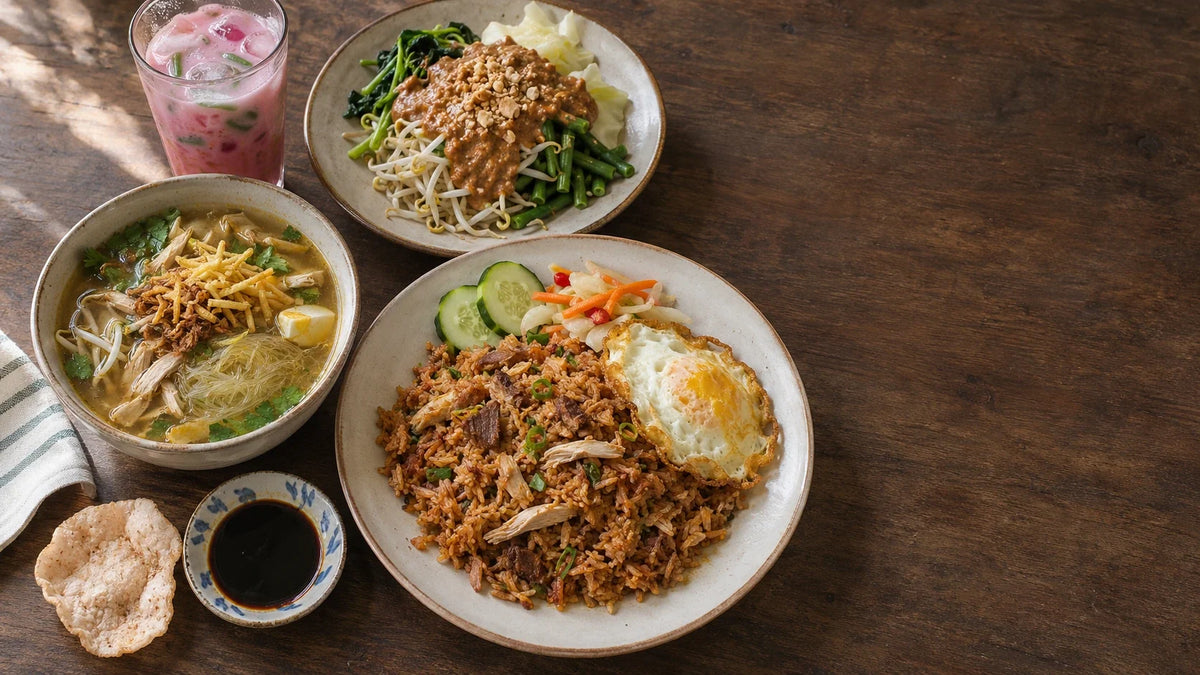
If you sit down at a warung in Suriname, you can smell it before a plate even hits the table: saoto gently simmering, bami going through the wok with a generous splash of ketjap, and a glass of pink dawet full of ice. Suriname is a country where Hindustani, Creole, Javanese, Chinese, Maroon, Indigenous, and Dutch cuisines have long sat at the same table, and almost everyone knows the Javanese side of that, even those who don't have a Javanese family of their own. In our shop in Amsterdam, we sell the brands that Surinamese families in the Netherlands have been cooking with for generations, such as Lekker Bekkie and Nandan, and for this cuisine, that means mainly Lekker Bekkie's ketjap, sambal, and peanut sambal. Here you can read what goes into the pan and how it differs from Indonesian cuisine; if you want the big picture first, start with Surinamese cuisine 101.
What is Javanese-Surinamese cuisine?
A warung is a small Javanese eatery, sometimes nothing more than a counter with a few tables, where you can get a bowl of saoto or a plate of bami; in Paramaribo, the Blauwgrond neighborhood is known for them.
Which ketjap do you use for Surinamese bami and nasi?
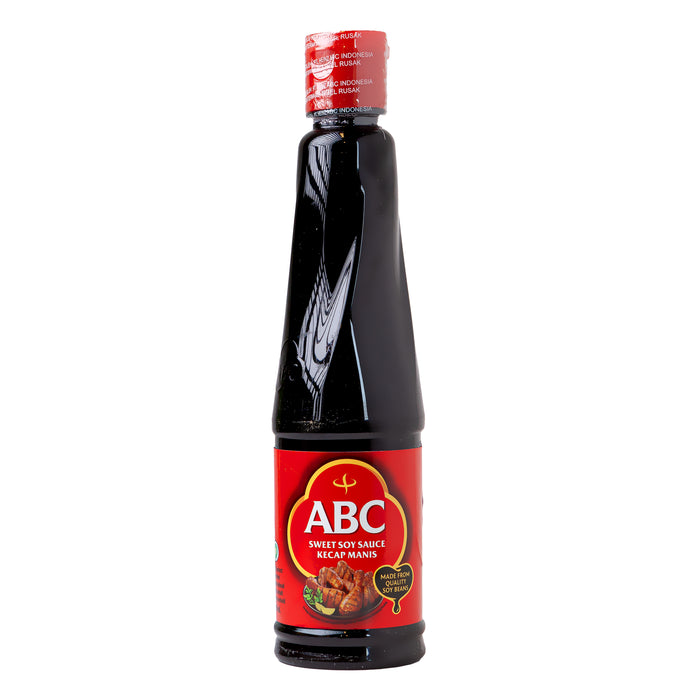
 Ketjap manis ABC · sweet and thickThe bottle for bami, nasi, and satay
 Ketjap sedang ABC · half sweetIf you want to cook with less sweetness
 Ketjap asin ABC · thin and saltySalty without the sweetness
 Spiced ketjap Lekker BekkieKetjap with spices, also great at the table
 Ketjap Medja Kaki Tiga · 500 mlThere is also a one-liter bottle
 Ketjap Manis A 500 mlA second sweet bottle for the cupboard
View all Surinamese spices and flavorings →
What is se-oen and which glass noodles should you buy?
 Golden Lily longkou vermicelli · 250 gEnough for a few pots of saoto
 Fu Xing longkou vermicelli · 250 gThe same glass noodles under their Chinese nameGolden Lily longkou vermicelli · 250 gA slightly larger bag for those who cook saoto often
 Tin Lung longkou vermicelli · 100 gSmall bag, enough for two bowls
How do you make Surinamese bami and nasi?
On a Surinamese birthday, bami and nasi sit side by side on the table, often with pom. For the nasi, use rice from the day before, straight from the refrigerator, so the grains stay separate. Which rice to use for that can be read in What kinds of rice are there, and the Surinamese ready-made bami and nasi seasonings can simply be replaced with trassi, ketjap, and sambal.
Ketjap, trassi en sambal voor bami en nasi
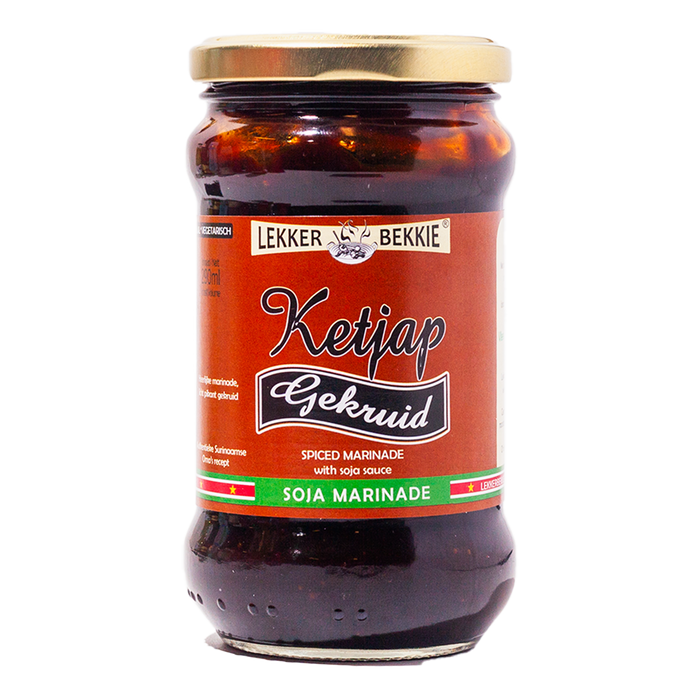
Tasty Bekkie Spiced Ketjap
View product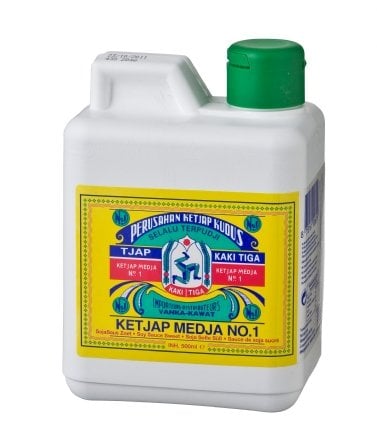
Ketjap Medja Kaki Tiga
View product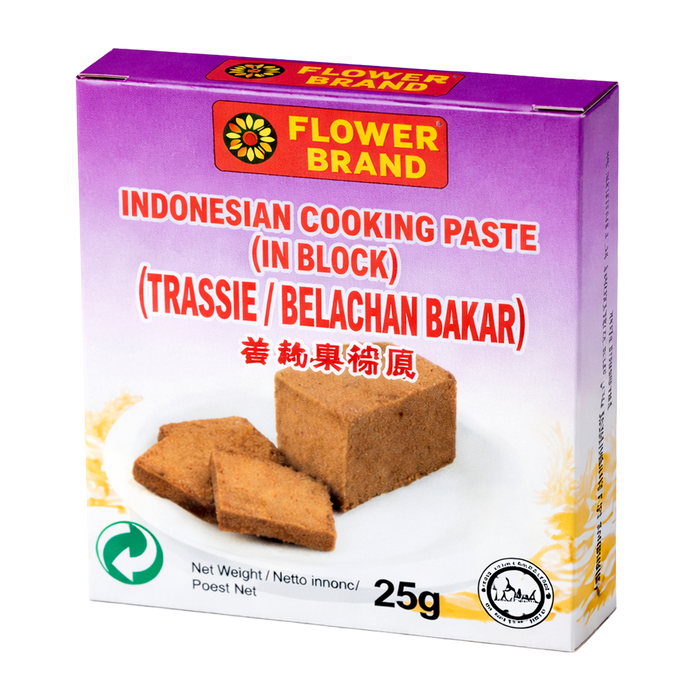
Flower Brand Trassi Bakkar
View product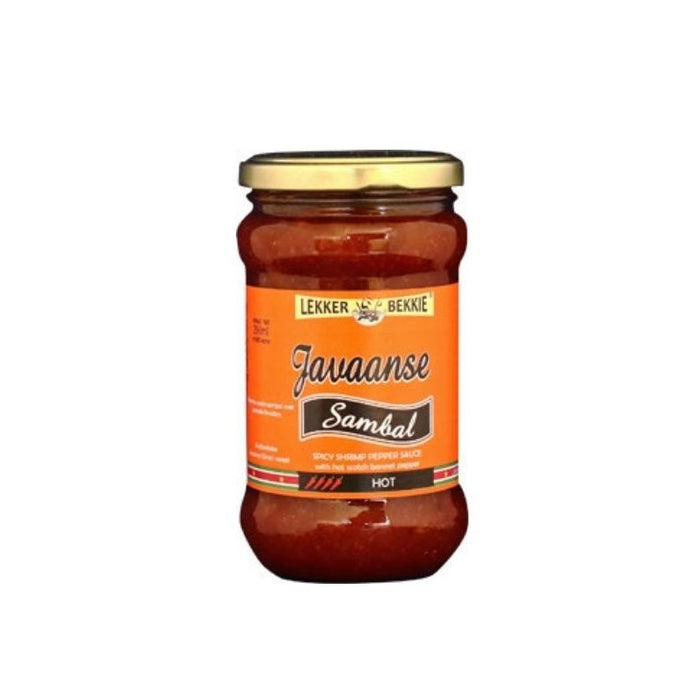
Lekker Bekkie Javanese Sambal
View product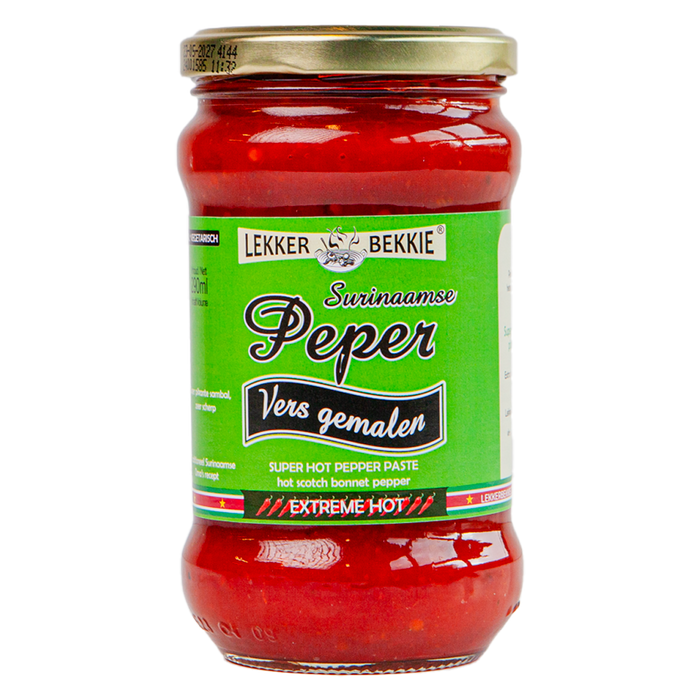
Tasty Bekkie Freshly Ground Surinamese Pepper
View product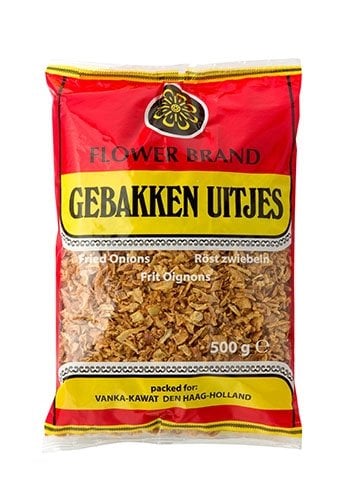
Flower Brand Gebakken Uitjes
View product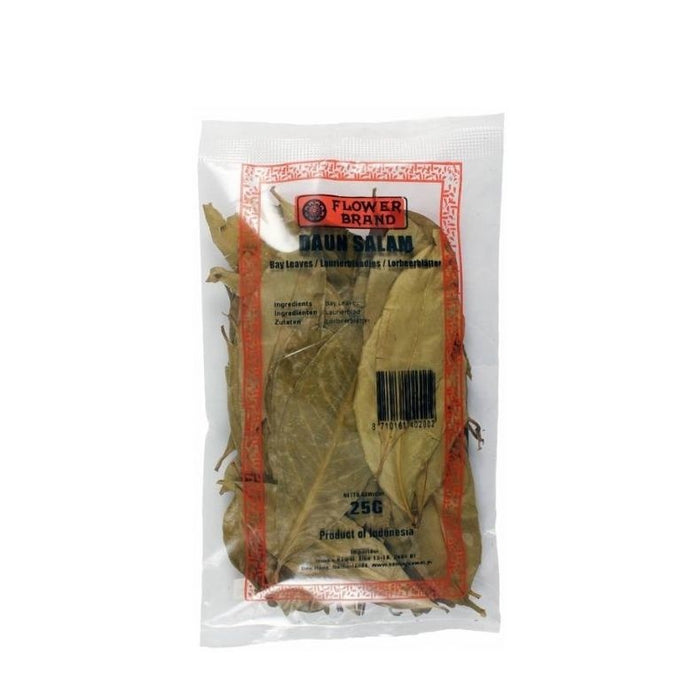
Flower Brand Daun Salam
View productWhat is saoto soup?

Everyone finishes their own bowl with rice, ketjap, and sambal.
What is Surinamese petjel and which peanut sauce should you choose?

How do you use trassi and sambal?

You can see the Surinamese influence best in sambal. Alongside Javanese sambals, such as Lekker Bekkie Javanese Sambal, many homes have a jar of Madame Jeanette, such as Lekker Bekkie Fresh-Ground Surinamese Pepper, fruitier and hotter than oelek. Which sambal suits which dish, you can read about in Sambal 101, and everything about the pepper itself in Caribbean hot sauce.
What is dawet?

Voor saoto, petjel en dawet
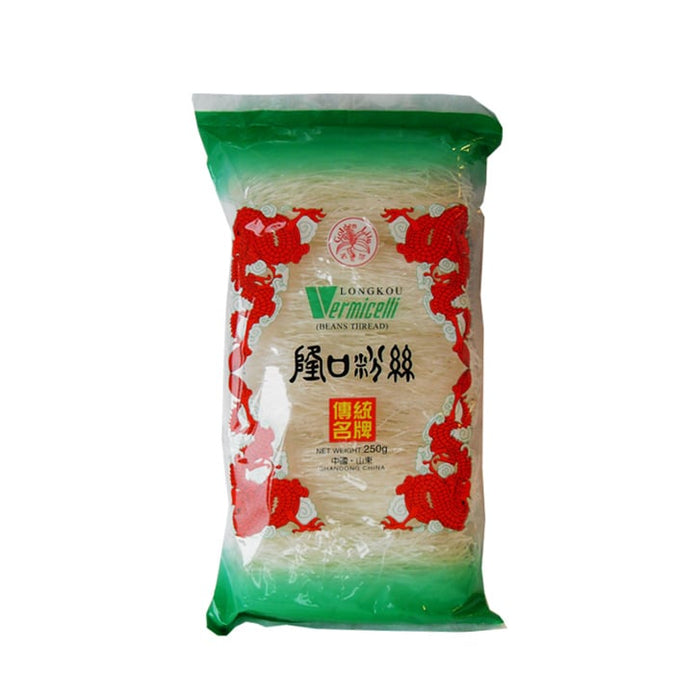
Golden Lily Premium Longkou Vermicelli
View product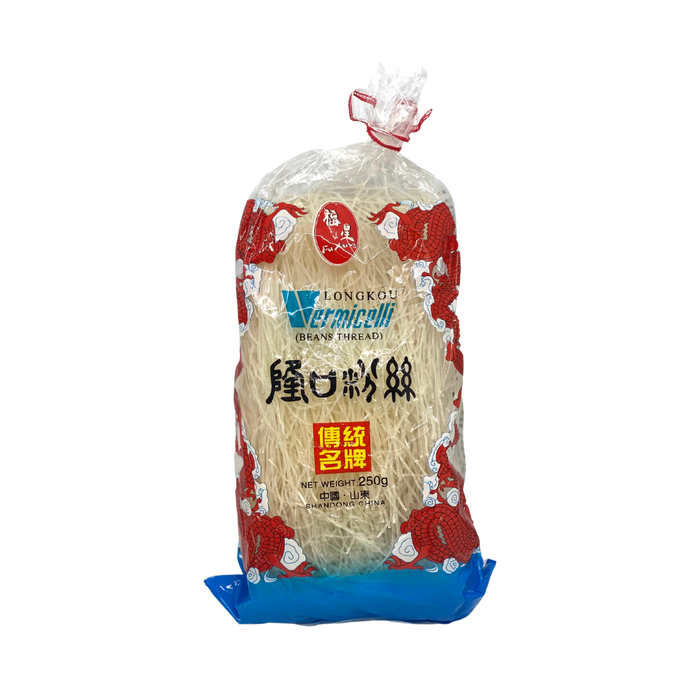
Fu Xing Longkou Vermicelli
View product
Koningsvogel Boemboe Soto Ajam
View product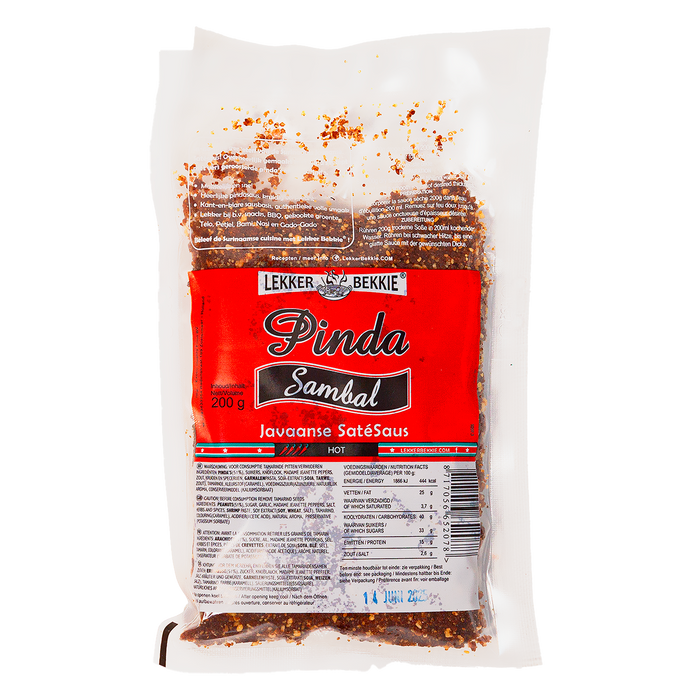
Delicious Bekkie Javanese Peanut Sambal
View product
Lekker Bekkie Vegetarian Peanut Sambal
View product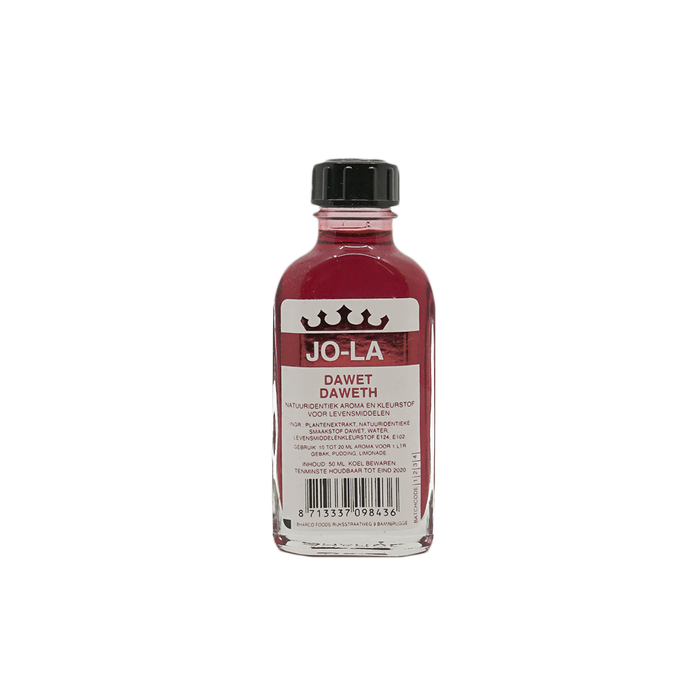
Jola Dawet Essence
View product
Tropical Pure Coconut Milk
View productWhat do you eat at a Javanese warung?

Warung guide: what do you pack for each dish?
For each dish, the product that makes the difference. The rest, such as chicken, cabbage, and bean sprouts, you get fresh.

Saoto se-oen · saoto mix
Clear chicken broth with se-oen, bean sprouts, egg, and fried potato on top.

Bami ketjap manis · trassi
Noodles with chicken thigh fillet and cabbage, as dark as the ketjap makes them.

Nasi trassi bakkar · ketjap manis
Cold rice from the wok with chicken, cabbage, and trassi, the regular neighbor of bami.

Petjel petjelsaus or peanut sambal
Blanched vegetables under a thick, sweet peanut sauce.
Surinamese petjelbakabana with peanut sauce
Satay peanut sambal · ketjap · satay sticks
Skewers of chicken thigh fillet in ketjap, with a scoop of peanut sauce over it.

What is the difference with the Indonesian cuisine?

Not sure where to start? Then stock a bottle of ketjap manis, a packet of trassi bakkar, a jar of Javanese sambal, and a bag of se-oen at home, and you can serve bami, nasi, and saoto; add a jar of petjelsaus for Sunday.
Spices and flavorings ketjap, sambal, trassiEverything for bami, nasi, and petjelShop now Rice and beans next to the saotoSurinamese rice and pandan riceShop now
 Snacks peje and banana chipsFor in between, just like at the warungShop now
 Surinamese cuisine everything in one placeFrom petjelsaus to dawet essenceShop now
Javanese-Surinamese recipes
With these five Javanese-Surinamese recipes you cook the dishes from this guide, from the bami and nasi for the birthday to a glass of dawet afterwards.


If you look beyond the Javanese pot, you'll read about roti and dahl in Roti, masala and dahl, about moksi meti and tjauw min in Chinese-Surinamese and about what else is in jars next to your plate in Sour, chutney and pepper sauce.
The whole Surinamese cuisine in one place
Ketjap, sambal, petjel sauce, se-oen and dawet essence from Lekker Bekkie, Golden Lily and Jola.
Frequently asked questions
What is se-oen?
Se-oen is the Javanese-Surinamese name for glass noodles made from mung bean starch. In the store they are usually called mung bean vermicelli or longkou vermicelli.
What is the difference between Surinamese and Indonesian bami?
Surinamese bami is sweeter and darker because much more ketjap manis is added. It is usually served on the table with nasi.
What is the difference between saoto and soto ayam?
Saoto originates from the Javanese soto, but in Suriname fried potato is added on top and it is finished at the table with rice, ketjap and sambal.
Which ketjap do you use for Surinamese bami?
Ketjap manis, the sweet and thick variant. Only add it when the noodles are already in the wok, so it caramelizes instead of burning.
Why is dawet pink?
Because of the dawet essence in the syrup. The Javanese cendol that dawet originates from is brown from palm sugar.
What is the difference between petjel and gado gado?
Both are vegetables with peanut sauce. Gado gado comes from Indonesia and often also has potato, tahoe and egg, while Surinamese petjel revolves around blanched vegetables and a sweet, thick sauce.
How long can you store trassi?
Follow the label. Store trassi well sealed after opening, because otherwise the smell will spread through your whole cupboard.
The Javanese-Surinamese cuisine is perhaps the cuisine you get into the fastest, because with a bottle of ketjap, a piece of trassi and a jar of sambal you can have bami in a wok in front of your nose within half an hour, and it immediately smells like it does at a warung. Cook a pan of saoto on a quiet Sunday and let everyone finish their own bowl with rice, ketjap and sambal, or make bami and nasi side by side for a birthday and finish with a glass of pink dawet full of ice. If you are standing in front of the shelf in the toko in Amsterdam and are torn between two bottles of ketjap, feel free to ask us, and you can read the whole story of the Surinamese cuisine, from roti to pom, in Surinamese cuisine 101.

