


Dal and lentils: types, soaking, cooking and tadka explained
In many Indian homes, dal is almost always on the menu, a bowl of yellow lentils with rice or roti that is as commonplace here as cheese on bread, yet tastes different everywhere. One family swears by toor dal, another by moong or masoor, and often a sizzling tadka of ghee and cumin is added at the last minute. Many Dutch people know it through Hindustani-Surinamese cuisine, where dahl made from split yellow peas sits alongside roti. In our shop in Amsterdam, dal, lentils and chickpeas are shelved together, and here you can read which one to choose and how to make a full pot; if you are new to this cuisine, start with Indian cuisine 101.
What exactly is dal?
Most of the dal on our shelf comes from TRS, a brand specialising in Indian spices and legumes that Indian and Pakistani families in Europe have been stocking their pantries with for generations.
What types of dal and lentils are there?
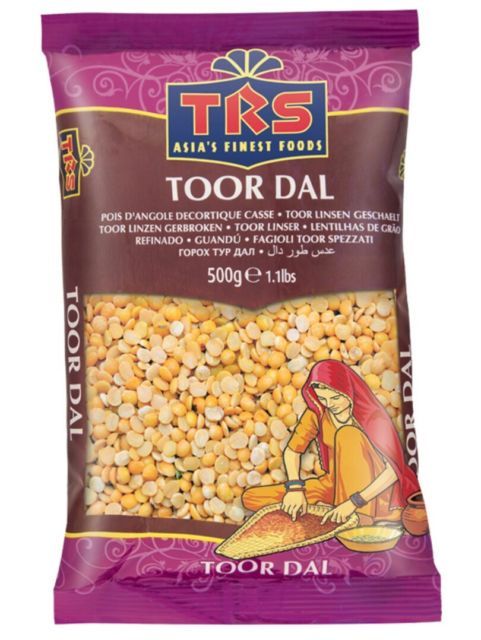
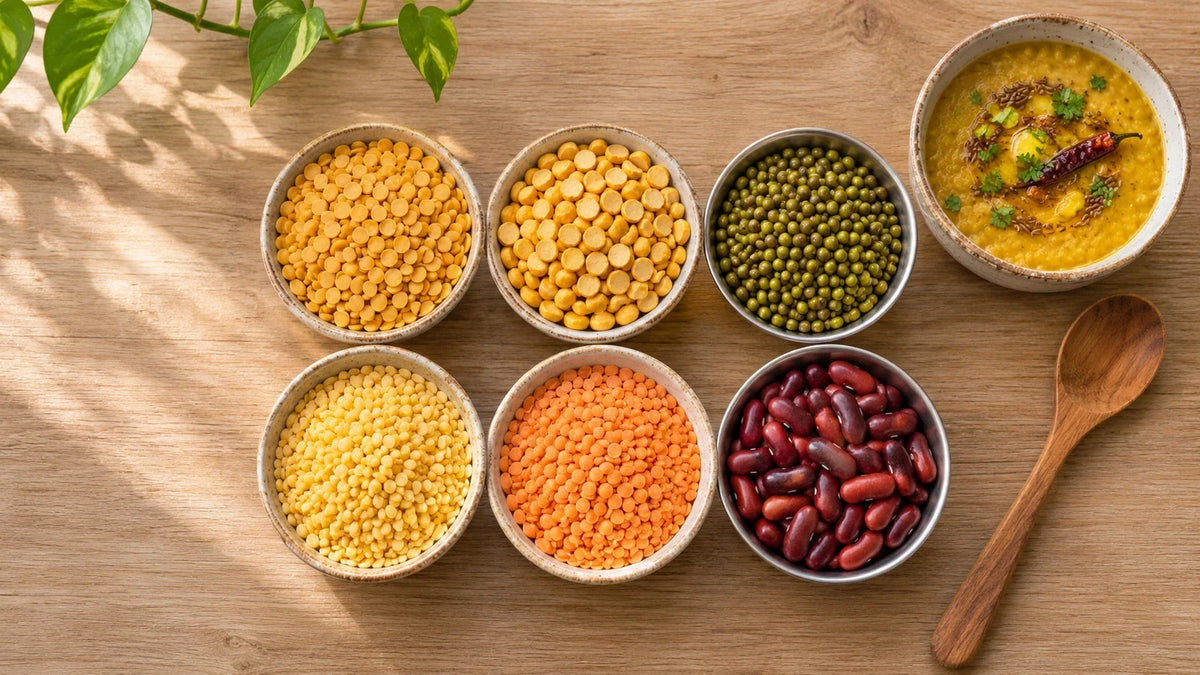
 Toor dal arhar · split pigeon peaCreamy and mild, the dal for dal tadka and sambar
 Chana dal split chickpeaFirm and nutty, holds its shape well
 Moong dal yellow · hulled and splitCooks quickly to softness, for khichdi and light dal
 Moong dal chilka split · with green skinSlightly more bite and a green colour
 Urad dal white · hulled and splitFor dal, vada and idli or dosa batter
 Whole urad sabut urad · blackWhole and black, the base of dal makhani
 Red lentils masoor dalCooks fastest, boiling down to a creamy puree
 Chickpeas kabuli chanaFor chana masala and chole
 Brown chickpeas kala chanaSmaller and darker, with a firm skin
 Kidney beans rajmaFor rajma chawal, beans with rice
Chana dal is split kala chana, the small brown chickpea, and thus different from split regular chickpeas. Urad, also known as urid, is black with its skin and white when hulled; whole, hulled urad is called gota, such as TRS Urid Whole Gota. If you want whole green mung beans to stew, choose TRS Mung Beans.
View all Indian lentils and legumes →
Which dal do you use for what?
Dal guide: which dal for what?
Cooking times in a regular pot, after soaking. An indication, not a rule: the age of the dal and your pot make a difference, so taste and follow the bag.

Red lentils (masoor) no soaking · approx. 15-20 min
Breaks down quickly into a smooth, orange-yellow dal. Good when you don't know what to eat at six o'clock.
masoor dallentil soup

Yellow moong dal short soak · approx. 25-30 min
Soft and mild, and together with rice the base of khichdi.
moong dal khichdimoong dal tadka


Chana dal 1-2 hour soak · approx. 45-60 min
Holds its shape and is nutty, and is tasty with a piece of pumpkin or coconut in it.
chana dal fryin a tadka

Whole urad soak overnight · simmer for a long time
Black and firm, and simmered slowly with some kidney beans to make dal makhani.
dal makhani

Chickpeas soak overnight · approx. 60-75 min
Cook them until you can easily mash them between your thumb and forefinger.
chana masalachole

Kidney beans (rajma) soak overnight · 10 min hard, then approx. 60-80 min
First boil vigorously for ten minutes, then cook gently until they are soft and almost melt.
rajmarajma chawal
Dal, linzen en kikkererwten voor je voorraadkast
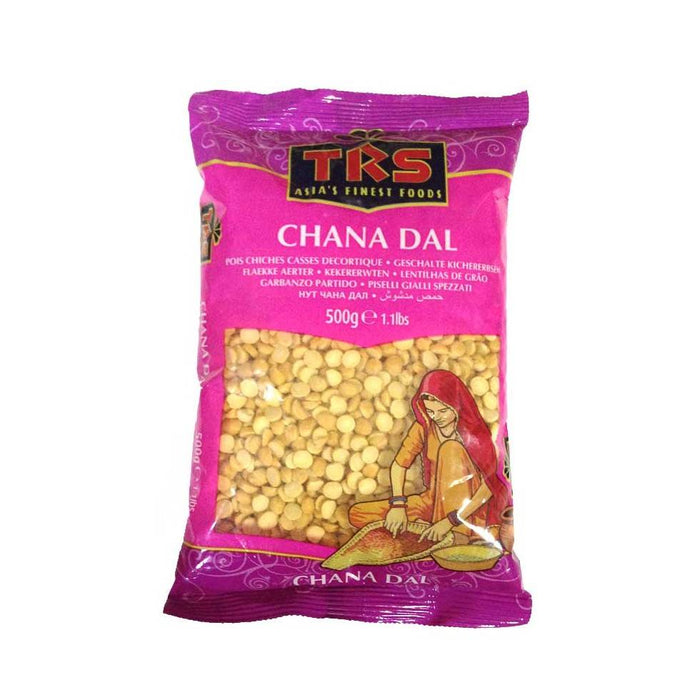
TRS Chana Dal
View product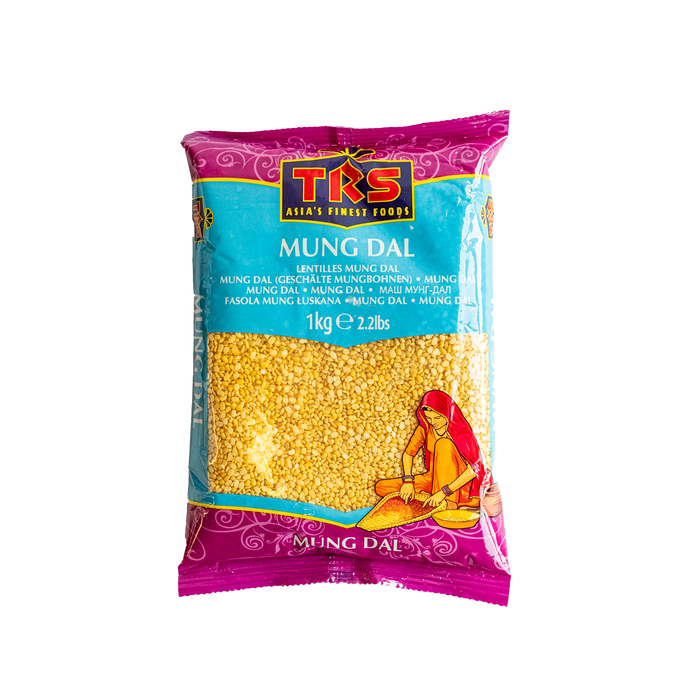
TRS Mung Dal
View product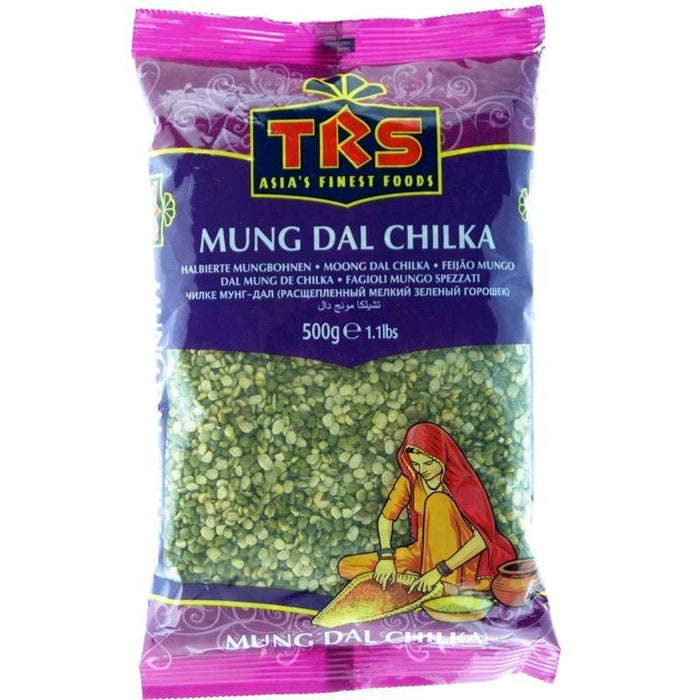
TRS Moong Dal Chilka
View product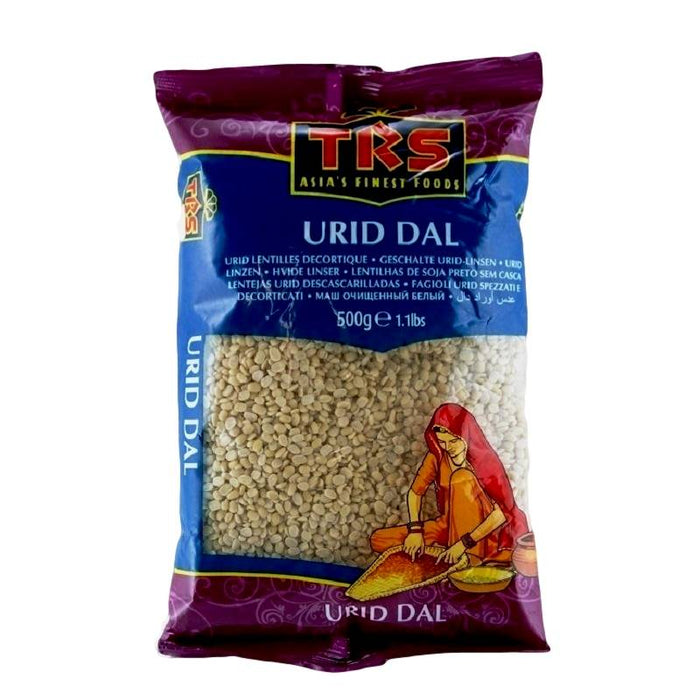
TRS Urid Dal
View product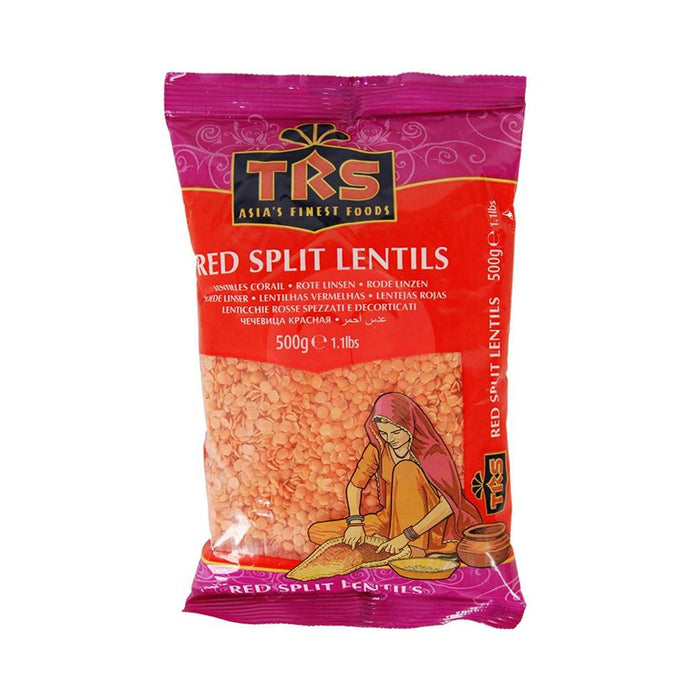
TRS Red Lentils
View product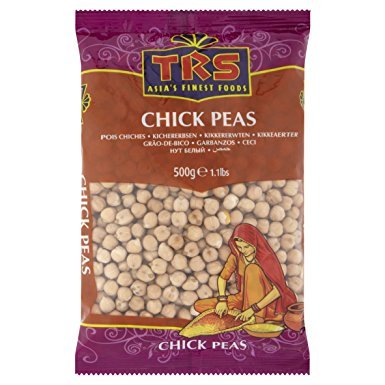
TRS Chick Peas
View product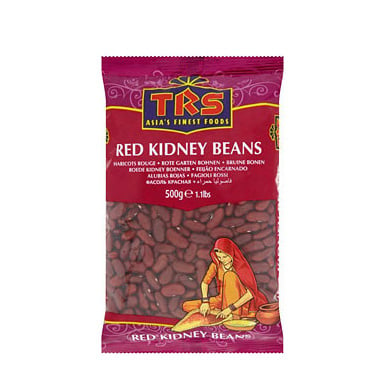
TRS Red Kidney Beans
View product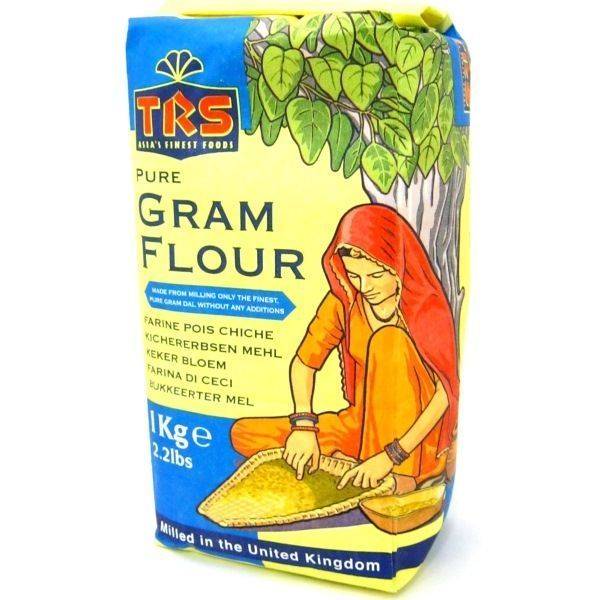
TRS Gram Flour
View productShould you soak dal and lentils?

How do you cook dal in a pot or pressure cooker?

In many Indian kitchens, a pressure cooker is on the stove for dal, and they count the time not in minutes but in the number of times the valve whistles. This saves a lot of time, especially with chickpeas, rajma and whole urad; follow the instructions on your pot for water and time.
How do you make a tadka for your dal?

- Heat a generous tablespoon of ghee in a small saucepan.
- Add the cumin seeds and wait until they crackle and turn just a little darker.
- Sprinkle in a pinch of hing and stir briefly, so that it blooms in the oil but does not burn.
- Fry in slices of garlic until they are light golden.
- Remove the pan from the heat, stir in some chili powder and pour the sizzling tadka directly over the dal.
In southern India, the tadka starts earlier with mustard seeds that pop in the oil, with curry leaves and a few dried chili peppers, and sometimes with a spoonful of chana dal or urad dal that fries along until crispy. For sambar, toor dal with vegetables and tamarinde, comes the sourness of a spoonful of Mother's Recipe Tamarind Paste. How to use spices whole or ground, you can read in Indian Spices 101.
Alles voor een tadka over je dal
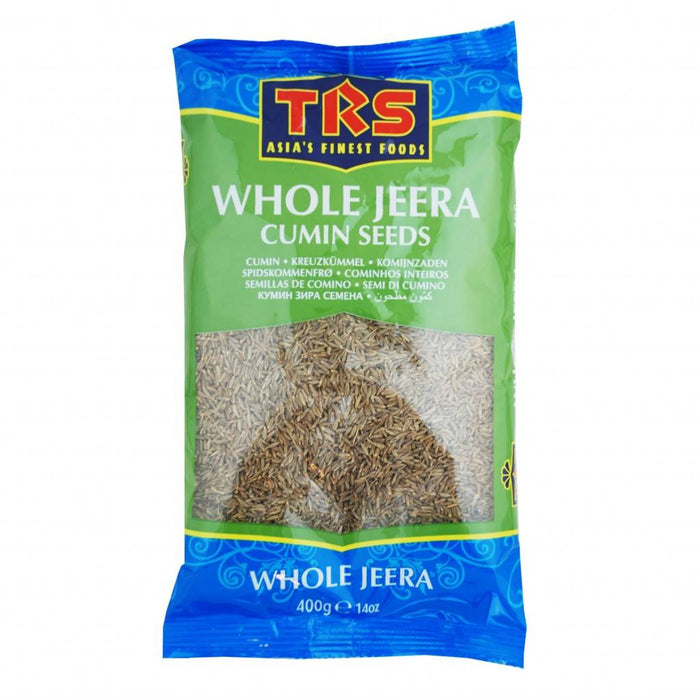
TRS Cumin Seeds
View product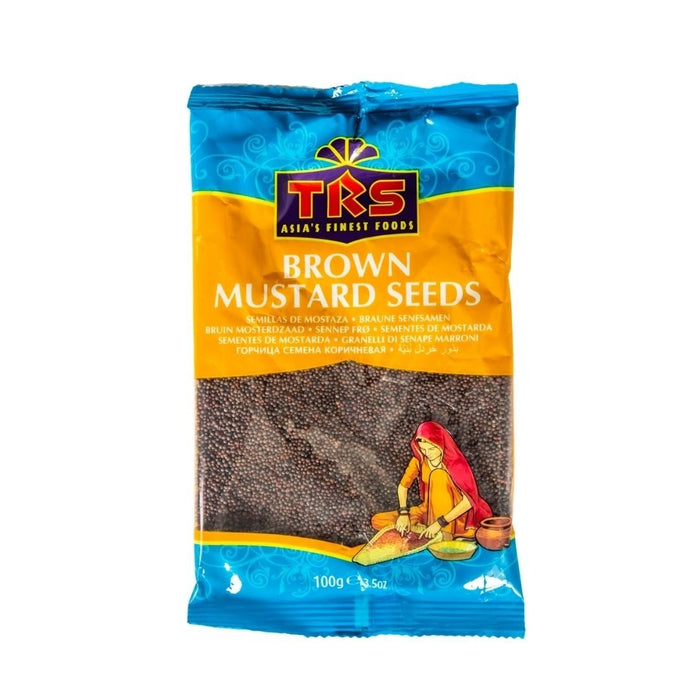
TRS Brown Mustard Seeds
View product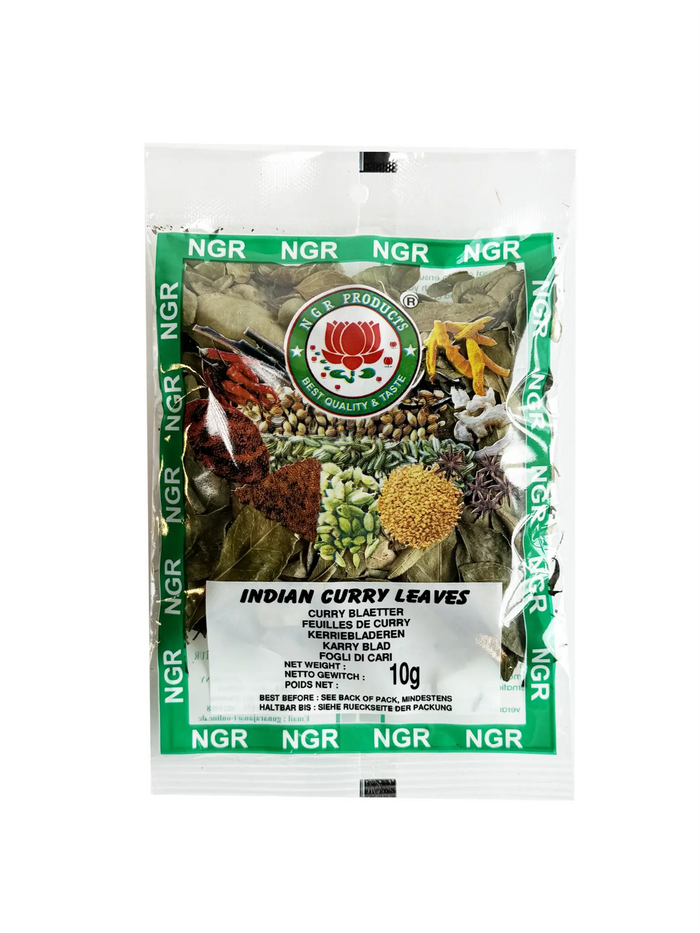
Indian Curry Leaves
View product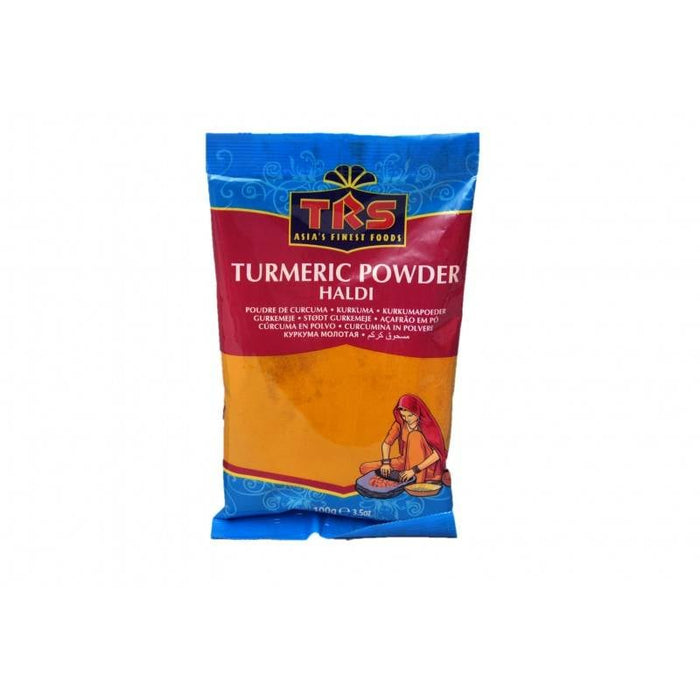
TRS Turmeric Powder
View product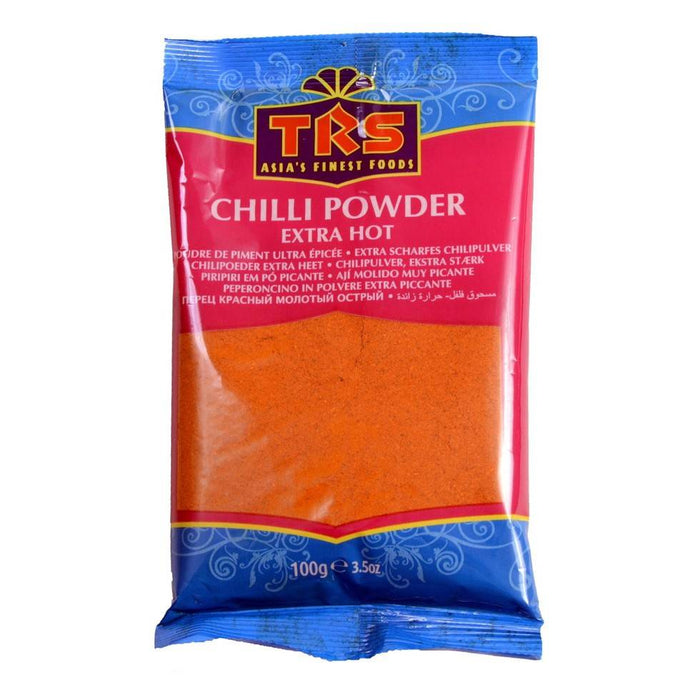
TRS Chilli Powder Extra hot
View product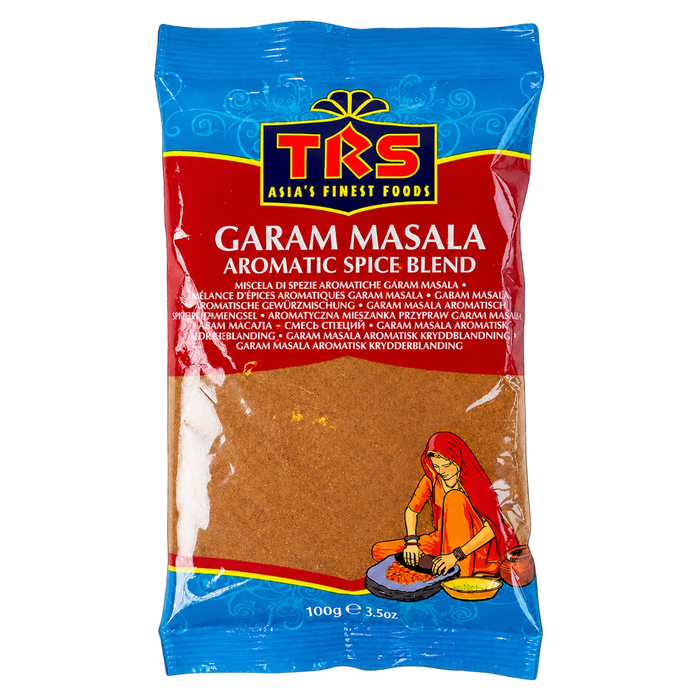
TRS Garam Masala
View product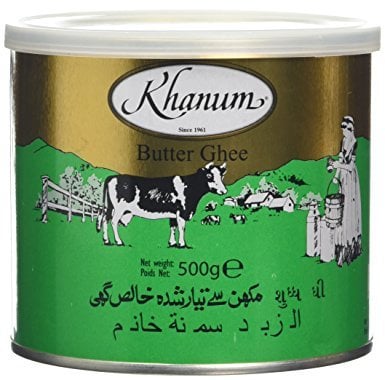
Khanum Pure Butter Ghee
View product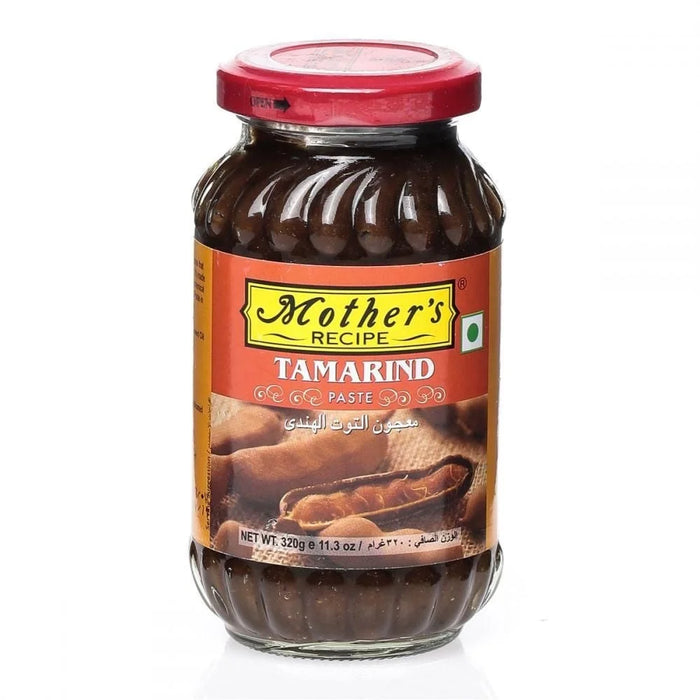
Mother's Recipe Tamarind Paste
View productWhat is besan and what do you make with it?

How does Surinamese dahl compare to Indian dal?

Unsure which dal to get in the house first? Then start with a bag of toor dal for dal tadka and a bag of red lentils for the evenings when it needs to be quick, with cumin seeds, turmeric and a jar of ghee next to it, and take a bag of chickpeas with you for the weekend.
Lentils and dal toor, chana, moong, uradDal, chickpeas and beans for every dayShop now Spices for your tadkaCumin, mustard seeds, turmeric and garam masalaShop now
 Ghee and oil the fat of the tadkaButter ghee, mustard oil and coconut oilShop now
 Flour besan and attaChickpea flour for bhaji and pakoraShop now
Recipes with dal, lentils and chickpeas


You eat khichdi with yoghurt, papad, ghee and achar next to it, and how you fry a papad and which pickle you choose, you can read about in Pickles, chutney and papad. Rajma and dal tadka go well with white rice, and which basmati you choose for that is explained in What types of rice are there.
All dal and lentils in one place
Toor, chana, moong, urad and red lentils, chickpeas and kidney beans, in bags for every week.
Frequently asked questions
What is the difference between dal and lentils?
Dal is the Indian name for split pulses and for the dish you cook from them. Lentils are one type of pulse; red lentils are called masoor dal in India, but split peas and beans are also dal.
Which dal cooks the fastest?
Red lentils (masoor dal) are the fastest, without soaking in about fifteen to twenty minutes. Yellow moong dal comes next.
Is toor dal the same as chana dal?
No. Toor dal is the split pigeon pea and cooks creamy, chana dal is the split small chickpea and stays firmer. You can use them together in one pan.
Do you need to soak red lentils?
No, rinsing until the water remains clear is enough. After that, you can put them on immediately.
Why is my dal still hard after an hour?
Often the dal is already old or has been open for a long time, or it hasn't been soaked. Let it cook until soft for longer with some extra hot water, and soak it a bit longer next time.
What is the difference between besan and regular chickpea flour?
Besan is ground in India from chana dal, the split small chickpea. Flour from regular chickpeas looks similar, but for bhaji and pakora we stick to besan.
How long can you store dried dal?
Follow the label. Store the dal dry and airtight after opening, for example in a well-closing jar.
Dal is perhaps the simplest thing you can cook from Indian cuisine, a bag of lentils, water, a few spices and a small pan with hot ghee, and that is exactly why it tastes just a little different in everyone's home. Put a pan of toor dal on a quiet evening, let it simmer gently while you cook the rice, and only pour the tadka over at the very last moment, because that moment when it sizzles in the bowl and the kitchen smells of cumin and garlic is the best part of the whole dish. If you are standing in the toko in Amsterdam in front of the shelf with all those bags and you are not sure, feel free to ask us, and if you want to look further than dal alone, you can read the whole story in Indian cuisine 101.

