


Pickles, chutney and papad: frying achar, mango chutney and papad
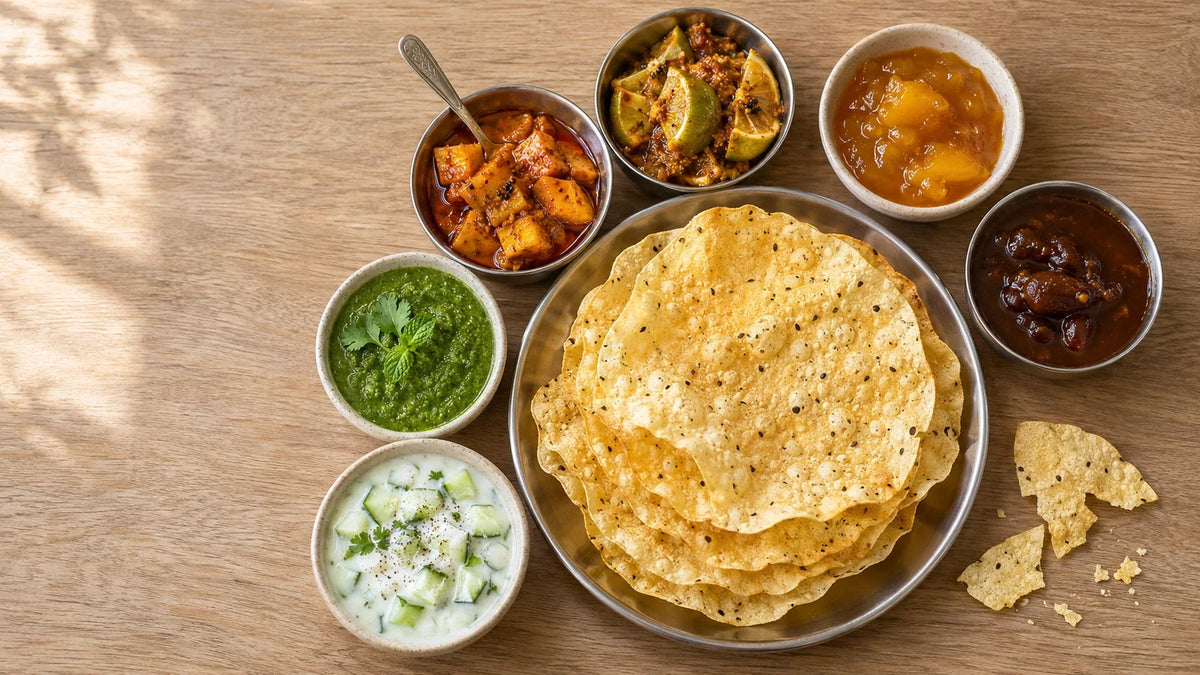
An Indian meal is rarely served on its own. Alongside the dal and rice are small bowls: a spoonful of mango pickle that is salty, sour and spicy all at once, a sweet chutney, a bowl of cool raita and a stack of papad that crackles as soon as you break it. It is these little things that complete the plate, and in many Indian families, a jar of homemade achar is always on the shelf. Anyone in the Netherlands who eats Hindustani-Surinamese food will know the feeling of mango chutney next to roti, although that is its own branch with its own customs. Here you will read what achar, chutney and papad are, how to eat them and how to fry papad; the bigger story can be found in Indian cuisine 101.
What is achar, Indian pickle?
In North India, achar is often made with mustard oil; what the spices do, you can read in Indian spices 101.
Mango, lime or mixed: which Indian pickle?
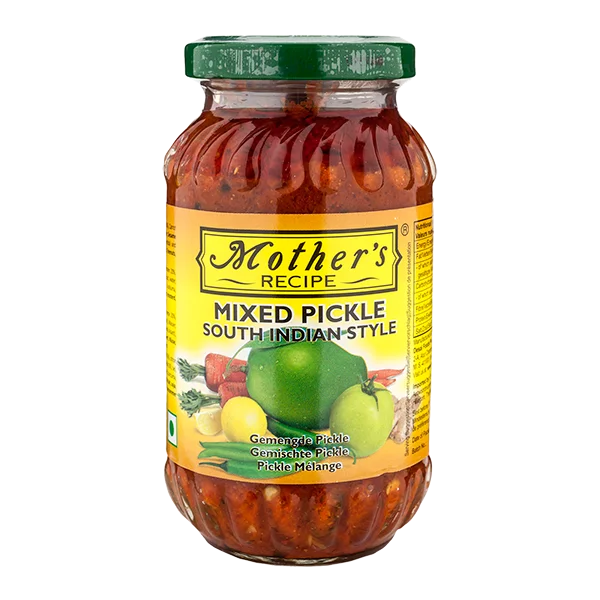
 Mother’s Recipe mixed · South Indian · 300 gMango, carrot and lime
 Patak’s mango 283 gThe classic, salty and spicy
 Patak’s hot mango 283 gThe same mango, with more fire
 Patak’s lime 283 gBitter, sour and fresh
 Patak’s hot lime 283 gLime with extra chili
 Patak’s mixed 283 gVegetables and fruit in one jar
 Patak’s brinjal eggplant · 312 gEggplant instead of fruit
 National mango Pakistani · 1 kgMango pickle in oil, large jar
Not sure which jar to reach for first? Start with a mango pickle, as it goes with almost everything, and place a sweet mango chutney next to it, so you can immediately taste how sharp and sweet balance each other on one plate.
View all Indian pickles and chutneys →
How do you eat Indian pickle?
What is chutney and what types are there?
Sweet: mango chutney
Sweet and sour: tamarinde-date chutney
Fresh: make mint-coriander chutney yourself
If you mainly know chutney as a sweet sauce, then Ching’s Secret Schezwan Chutney is a surprise: a hot, garlicky chili sauce from the Indo-Chinese cuisine, from the Indian brand Ching’s Secret.
What is raita?
How do you fry papad (papadum)?
- In oil: heat a layer of oil very hot and place one papad in it. Within a few seconds it expands and turns light; then take it out immediately and let it drain on kitchen paper.
- Over the flame: hold the papad with tongs over a gas burner and keep turning it until it bubbles all over and is dry and light-coloured. Without oil, with a slightly smoky flavour.
- In the microwave: lay a papad flat on the turntable and heat it briefly, in stages, until it has fully puffed up. Watch closely, as it happens quickly.
Fry papad just before eating, as they quickly become tough if left for too long. Sprinkle over finely chopped onion, tomato, coriander and some chaat masala, and you have masala papad, a crispy snack with a glass of chai or lassi.
 SWAD udad plain · 200 gMade from urad dal, pure and neutral
 SWAD Punjabi black pepper · 200 gWith plenty of pepper
 Amutha Madras 200 gMadras papad to fry yourself
Pickle, chutney and papad: what to eat them with?
Side dish guide: which jar to choose?
Just a guide, not a rule: in India every family has its own combinations.


Mixed pickle Mother’s Recipe · South Indian
With stuffed flatbread and yoghurt, or through a bowl of curd rice.


Tamarind date chutney Mother’s Recipe · sweet and sour
The dip for everything that comes crispy out of the oil.

Mango lassi and masala chai as a finisher
Recipes with chutney, raita and papad
In these five recipes, pickle, chutney and raita are not on the sidelines, but belong to the dish.
Pickles, chutneys en papad voor bij je Indiase maaltijd
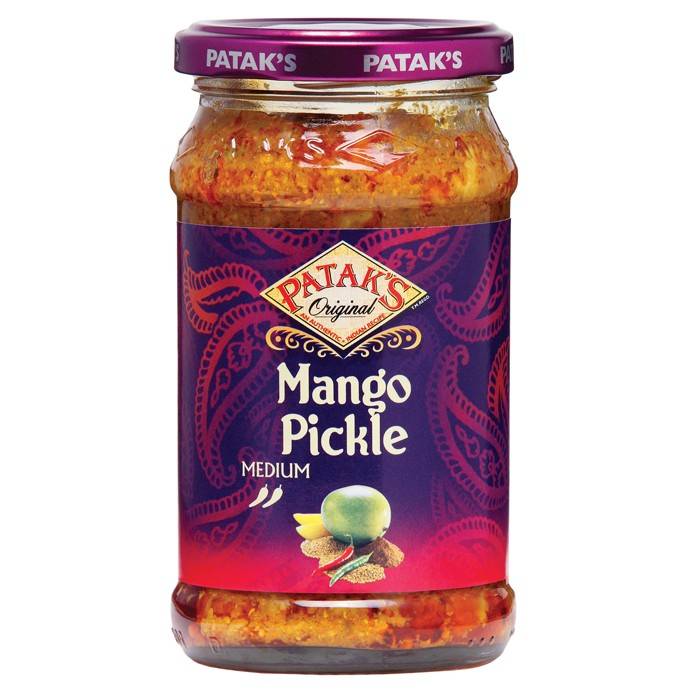
Pataks Mango Pickle
View product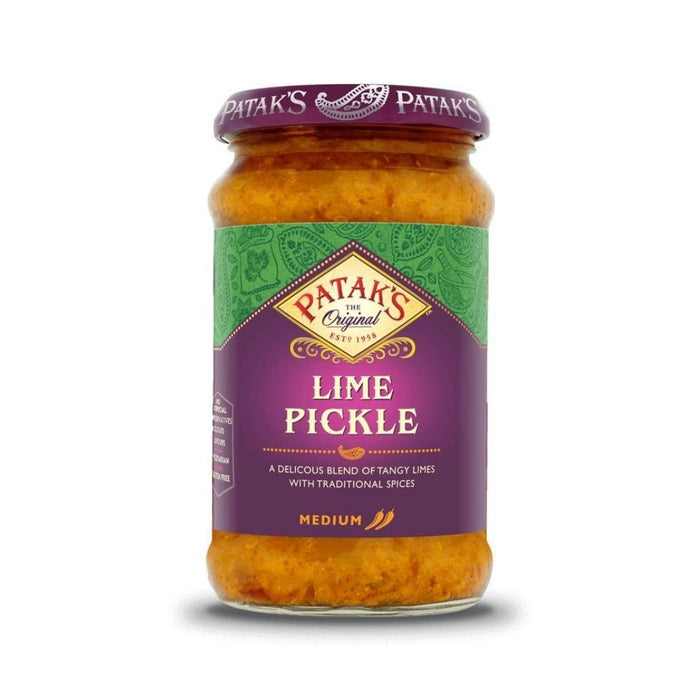
Pataks Lime Pickle
View product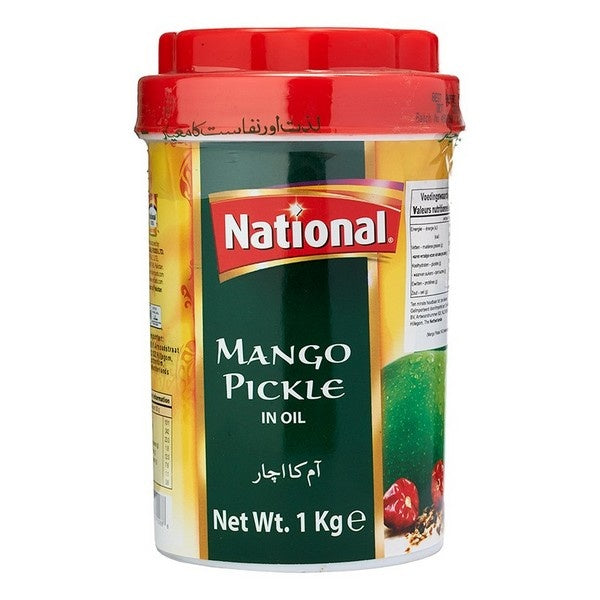
National Mango Pickle in Oil
View product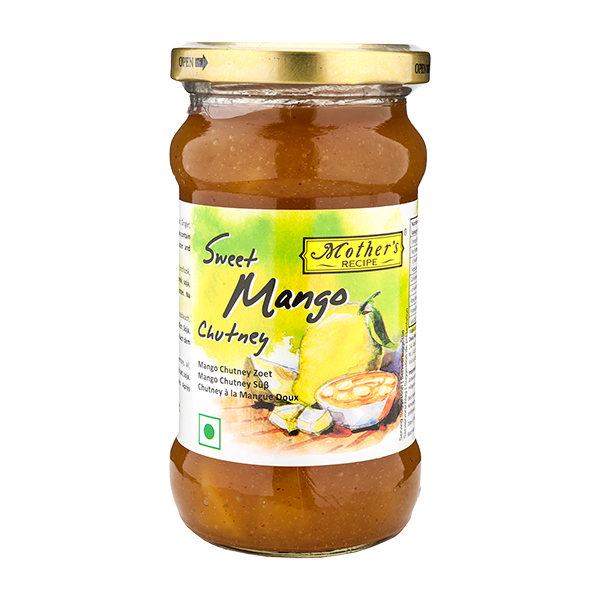
Mother's Recipe Sweet Mango Chutney
View product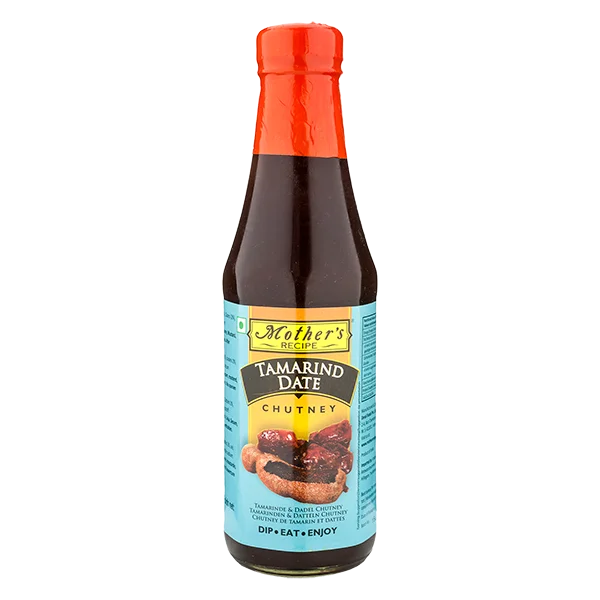
Mother's Recipe Tamarind & Date Chutney
View product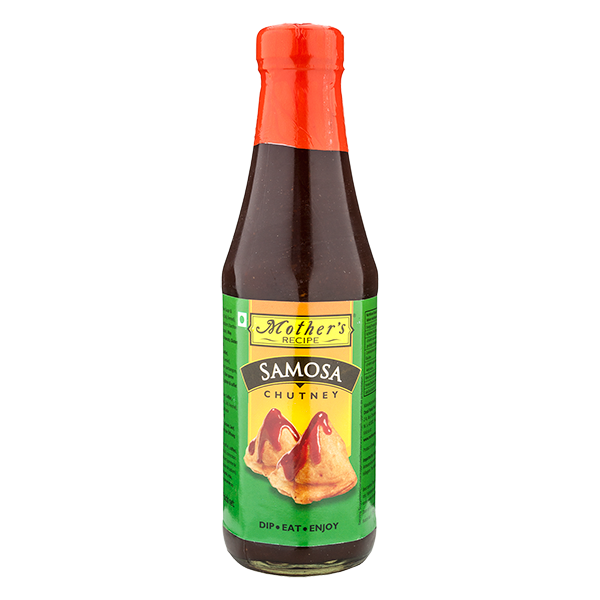
Mother's Recipe Samosa Chutney
View product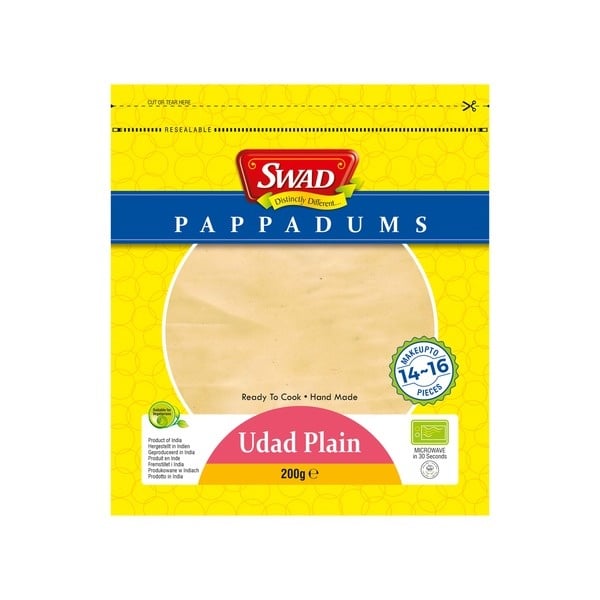
SWAD Pappadums Udad Plain
View product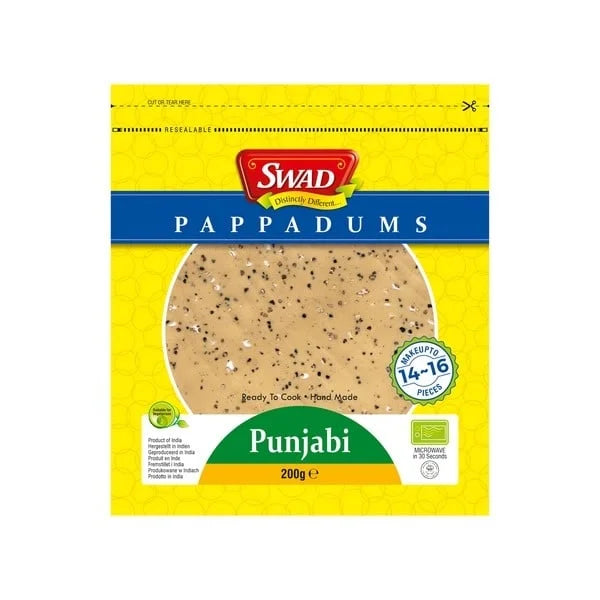
SWAD Pappadums Punjabi Black Pepper
View productPickles and chutneys achar · chutneyMango, lime, mixed and sweet and sourShop nowPapad papadumPlain and black pepper, to be roasted yourselfShop now Spices cumin · kala namakFor raita and homemade chutneyShop now
 The Indian kitchen everything in one placeFrom mango pulp to Tata teaShop now


All Indian pickles and chutneys in one place
Mango, lime and mixed achar, sweet mango chutney and tamarindo-date chutney from Mother’s Recipe, Patak’s and National.
Frequently asked questions
What is the difference between pickle and chutney?
Indian pickle, achar, is fruit or vegetable preserved in oil, salt and spices: salty, sour and often hot, and you eat only a small amount of it. Chutney is a sauce or jam that is sweet, sweet and sour or fresh, from stewed mango or tamarindo to freshly ground mint and coriander.
Is achar the same as Surinamese sour?
No. Surinamese sour is usually made with vinegar and is fresh and crunchy, while Indian achar matures in oil and salt and tastes much stronger and spicier.
Does Indian pickle need to be in the refrigerator after opening?
That varies by brand and jar, so follow the label. Always scoop out with a clean, dry spoon and make sure the pieces stay under the oil.
Is mango chutney spicy?
Regular mango chutney is mainly sweet, with at most a gentle warmth from spices. If you want heat, choose a hot mango chutney or put a mango pickle next to it.
What is papad made of?
Usually made from urad dal flour, a split lentil, sometimes mixed with other legumes or rice flour and seasoned with pepper or cumin. The dough is rolled out thin and dried, so you still have to roast the papad at home.
How do you roast papad in the microwave?
Lay one papad flat on the turntable and heat it briefly, in stages, until it has puffed up all over and is crispy. How long that takes varies by microwave and brand, so check the packaging and stay with it.
What do you eat papad with?
You eat papad as a crispy snack beforehand with mango chutney or tamarindo-date chutney to dip in, or next to dal, rice and raita. With onion, tomato and chaat masala on top, it becomes masala papad.
A jar of achar, a sweet chutney and a packet of papad turn an ordinary weekday dal into a meal where you taste something different with every bite, and you hardly have to do anything extra for it. Start with a mango pickle and a tamarindo-date chutney, roast a few papad and mix a bowl of raita together, and then see which combination becomes a regular at your place. If you are hesitating in front of the shelves at the toko in Amsterdam, feel free to ask us, and if you want to see how all those side dishes fit into the rest of the cuisine, read on in Indian cuisine 101.

