


Hot sauce 101: types, heat levels and uses
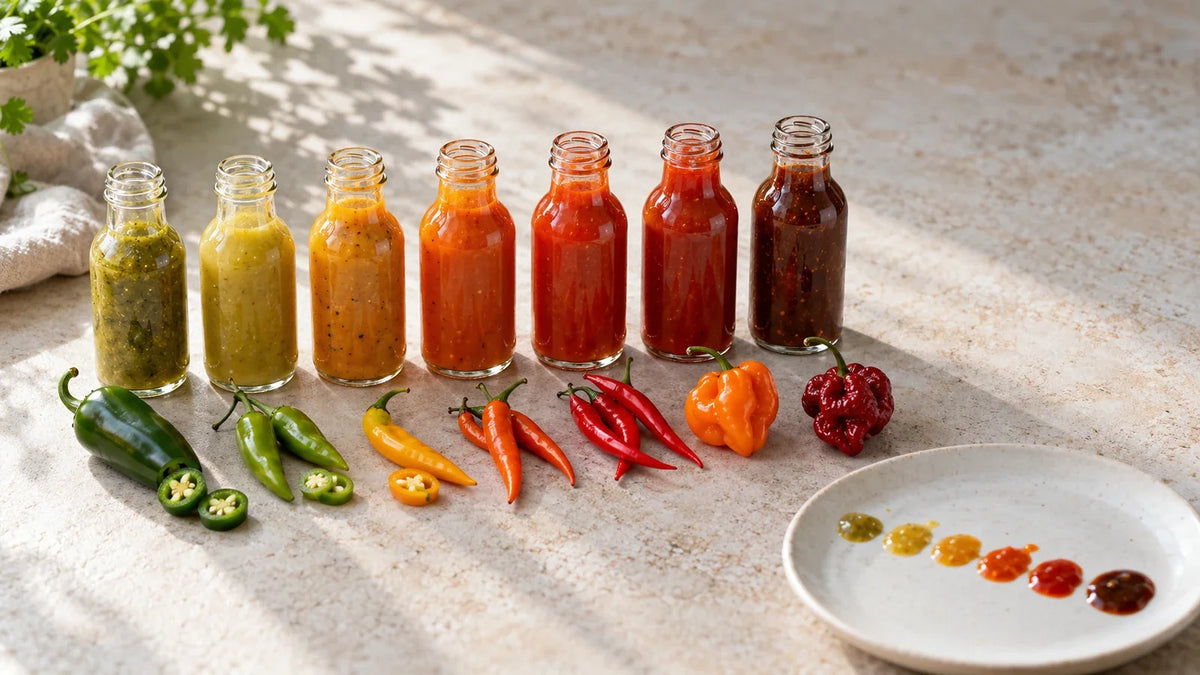
A bottle of hot sauce on the table really means: everyone can decide how hot their plate will be. A few drops of Tabasco on a fried egg, a generous splash of Valentina over tacos, sriracha on a bowl of pho: all over the world people have their own bottle they can't live without. In our shop in Amsterdam there is a whole wall full, from mild table sauces from Louisiana to bottles where one drop is enough. In this guide we explain what hot sauce is, what styles there are and how hot they are, so you know where to start. The bottles in our shop are the same ones people have on their table at home in Louisiana, Mexico, Jamaica and Thailand, from Tabasco and Cholula to Grace and Flying Goose.
What is hot sauce?
From that simple recipe there are endless variations. With Tabasco the peppers are aged according to the maker for three years in oak barrels before vinegar is added, making the sauce sour and sharp. Other sauces are fermented, like the Super Naga from Crazy Bastard, and others have fruit added: mango, pineapple or papaya make a sauce rounder and sweeter, so the heat hits less hard.
What types of hot sauce are there?
The major styles are Louisiana and American, Mexican, Caribbean, Asian, peri-peri and the world of craft and superhot. They differ in pepper, vinegar and sugar. Below, for each style, are a few bottles with our assessment of the heat.
Louisiana and American hot sauce
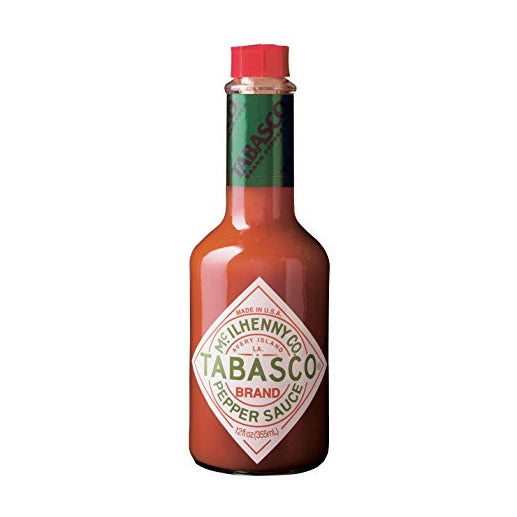
 Tabasco Louisiana · tabasco pepperSour and sharp, a few drops are enough3/5
 Frank's RedHot US · cayenneRound and salty, the sauce for buffalo wings2/5
 Crystal Louisiana · red pepperThin, mild and generous to use2/5
 Louisiana Original Louisiana · red pepperAll-rounder for pizza, burgers and fries2/5
Mexican hot sauce
 Cholula Original árbol and piquínSpicy and mild, for tacos and eggs2/5
 Valentina yellow labelThicker and citrusy, on chips and fruit2/5
 El Yucateco Red Yucatán · habaneroFruity and bright, with tomato and spices4/5
Caribbean hot sauce
 Encona Extra Hot West Indian styleBright and fruity, with rice, chicken thighs and fish4/5
 Grace JamaicaSmall bottle of Jamaican pepper sauce4/5
 Crazy Bastard scotch bonnet · BerlinMedium hot according to the maker, with Caribbean spices3/5
Asian hot sauce: sriracha and chili sauce
 Flying Goose Thailand · srirachaGarlic, sweet and spicy, for noodles and rice3/5
 Chin-Su Hot Chili VietnamSpicy, slightly sweet and full of umami2/5
 Lingham's Malaysia · sweet chiliSweet and mild, for dipping1/5
View all sriracha and chili sauces →
Peri-peri
Craft and superhot
Klassieke hot sauces voor op tafel
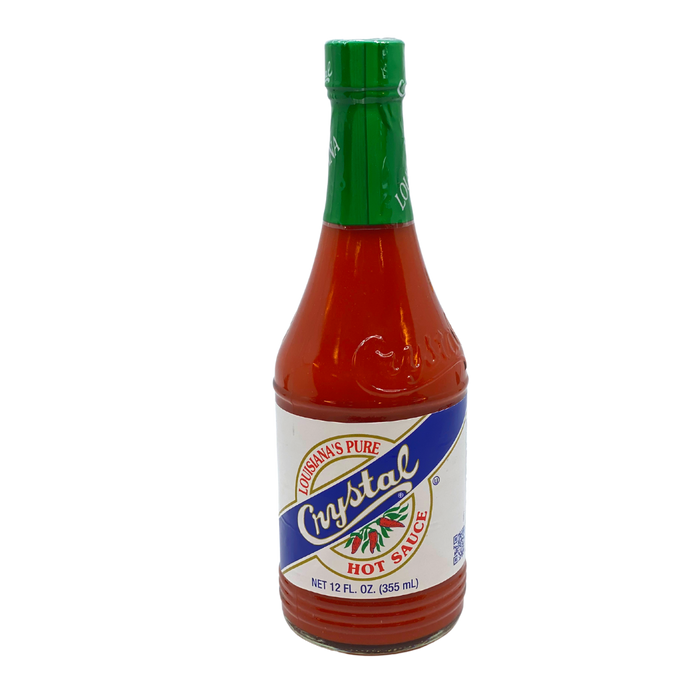
Crystal Louisiana Hot Sauce
View product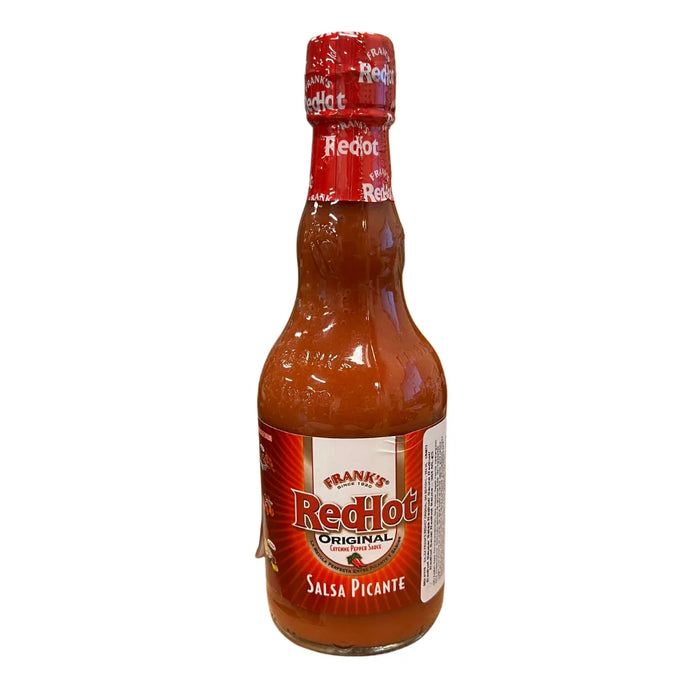
Frank's Red Hot Salsa (MEX)
View product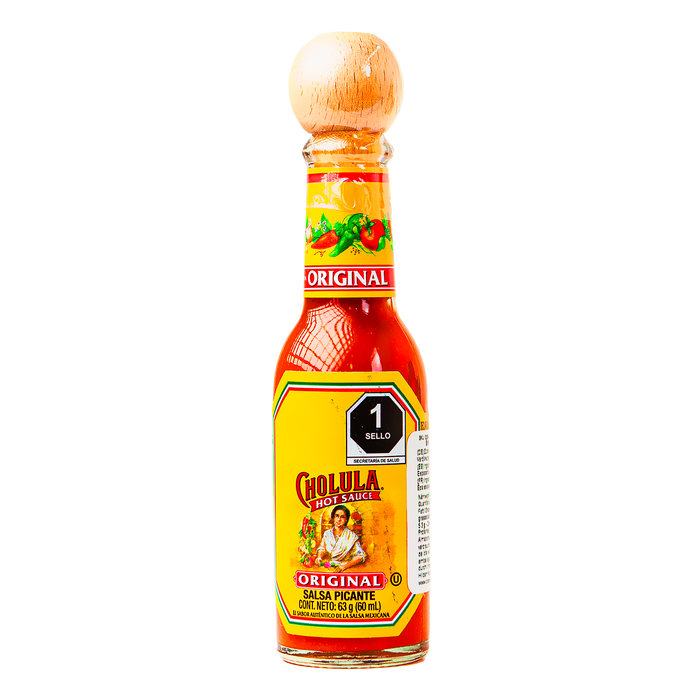
Cholula Original Hot Sauce
View product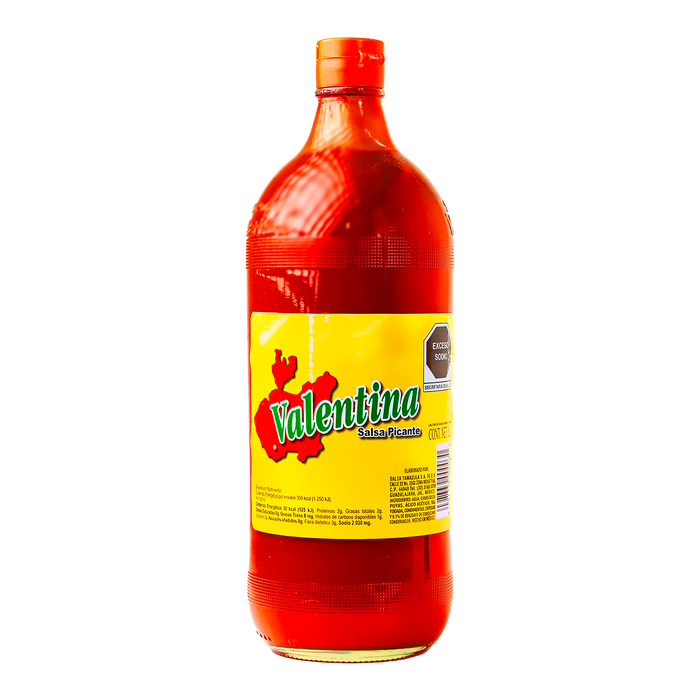
Tamazula Salsa Valentina
View product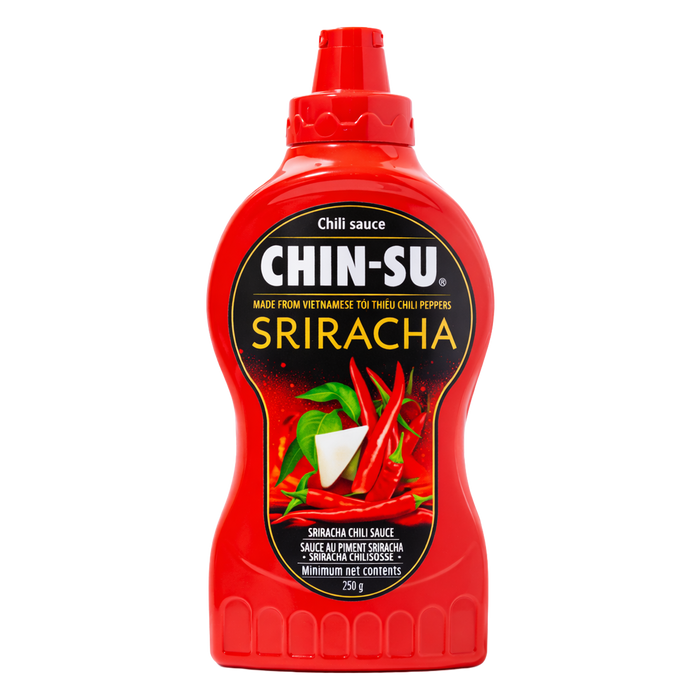
Chin-Su Vietnamese Sriracha
View product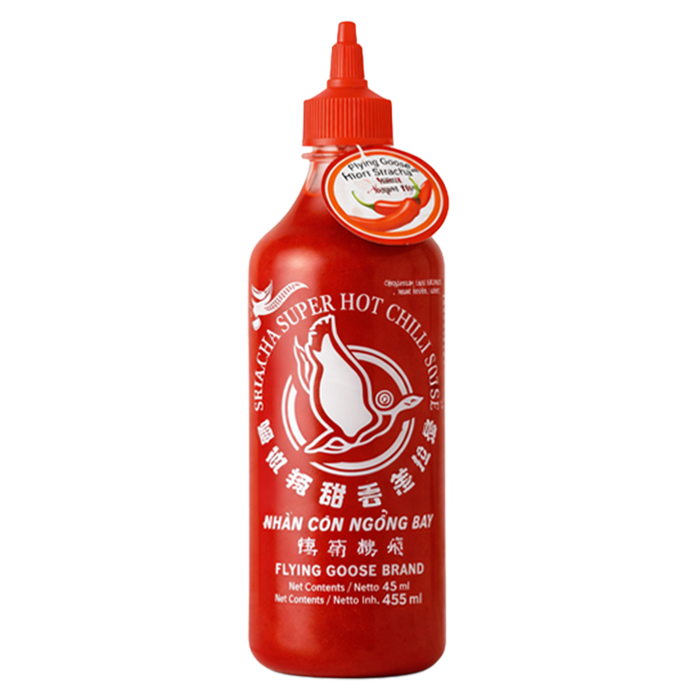
Flying Goose Sriracha Chilli Sauce Extra Spicy
View product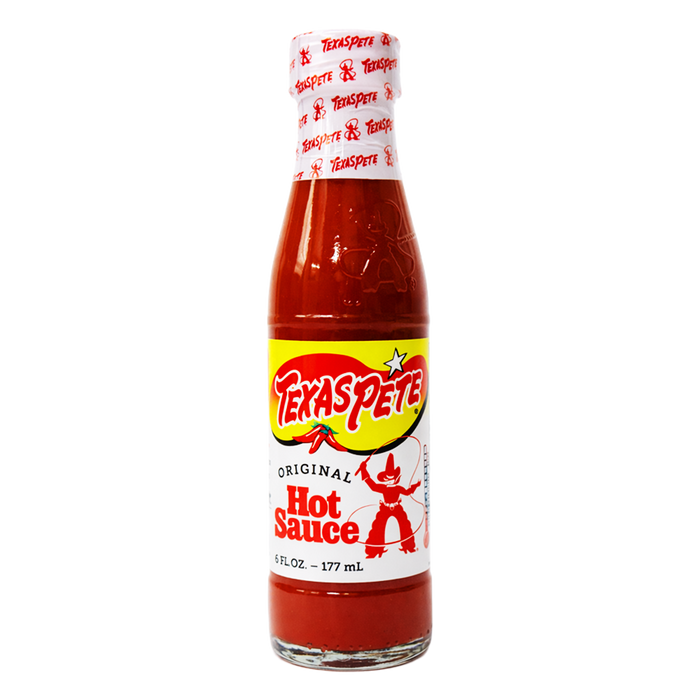
Texas Pete Original Hot Sauce
View productHow hot is hot sauce?
 1 · mild sweet-spicySweet chili and mild sauces, heat in the background1/52 · medium cayenne, árbolTable sauces such as Cholula, Valentina and Frank's2/53 · spicy tabasco, srirachaTabasco, sriracha and sambal oelek3/54 · hot habanero, scotch bonnetHabanero and scotch bonnet sauces4/5
 5 · extreme superhotGhost pepper, scorpion and Reaper5/5
You sometimes see Scoville or SHU on bottles. The Scoville scale measures how much capsaicin is in a pepper or sauce, the substance that gives the burning sensation. The higher the number, the hotter. However, such a number is never exact, because peppers differ per harvest, per plant and per batch, and a sauce with fruit or sugar feels milder than the number suggests. That is why we only mention Scoville values that the maker themselves puts on the label.
And where does sambal fit? Sambal oelek is mainly ground red pepper with salt and sits at a 3 on the same level as Tabasco and sriracha. Sambal rawit, made from the small rawit pepper, is a 4 and thus comparable to a habanero sauce. How the other sambals score, you can read in Sambal 101.
Not sure which bottle to buy first? Then start with a table sauce at level 2, such as Cholula or Frank's, and a sriracha for Asian food. This way you can taste how different hot sauce can be, and naturally notice whether you want to go towards habanero afterwards or rather stay on the mild side.
Is sambal also a hot sauce?
Sambal is the Indonesian counterpart of hot sauce, but it is not the same. Sambal is coarser, often without vinegar and more of a paste than a sauce, and you scoop it out of the jar with a spoon. Some sambals are fried with onion, garlic and terasi and are therefore savory and sweetish, others are pure ground pepper. If you want to know which sambal to use for what, read Sambal 101.
What is the difference between hot sauce and chili oil?

How do you store hot sauce?
How you store hot sauce varies per bottle, so follow the label: it states whether it needs to be in the refrigerator after opening and how long you can use it. Shake the bottle briefly before use, because pepper and moisture often separate a little. Wipe the neck clean and close the cap tightly.
Not sure which sauce belongs with which dish? In Which hot sauce with what we list it per dish, from eggs and tacos to noodles, pizza and burgers.
Voor wie het echt heet wil
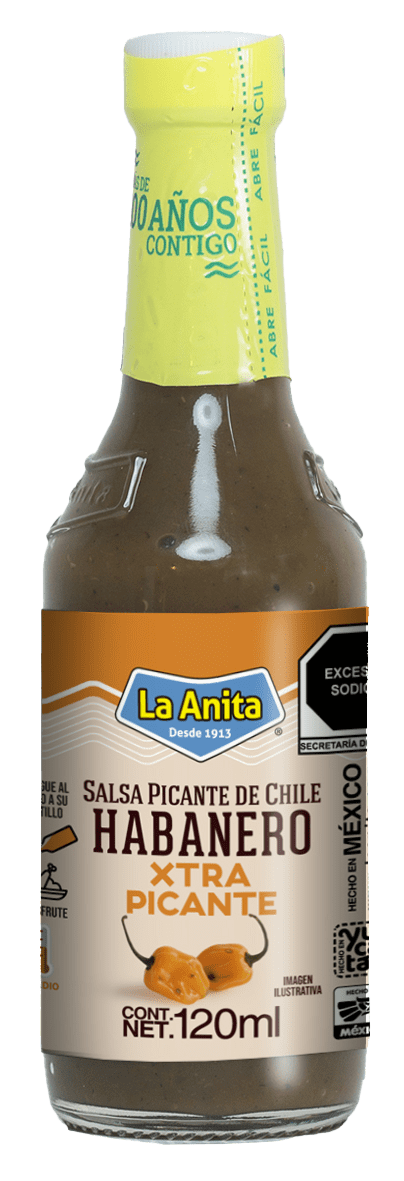
La Anita Salsa Picante de Chile Habanero Xtra Picante
View product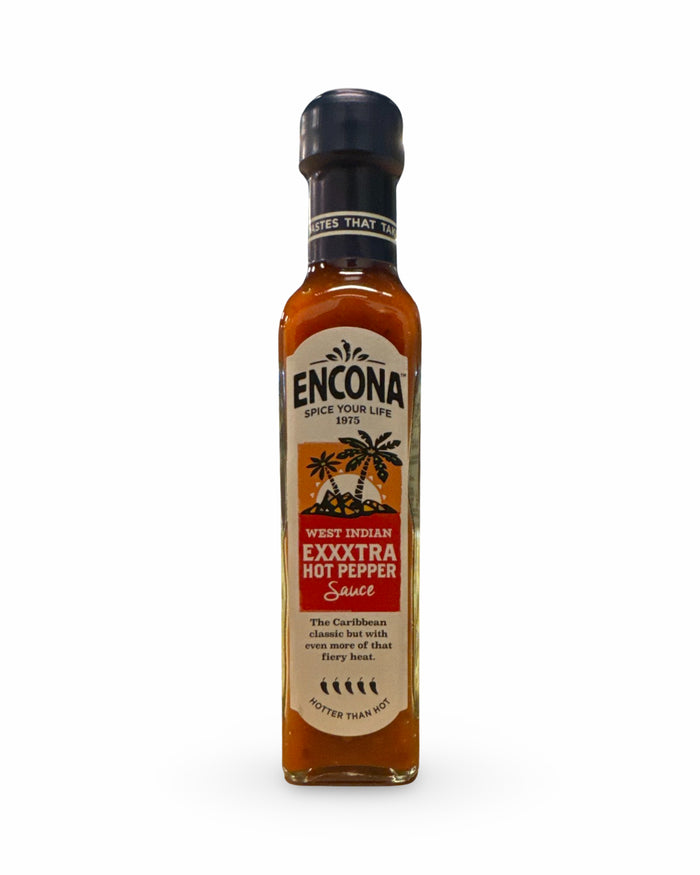
Encona Extra Hot Pepper Sauce
View product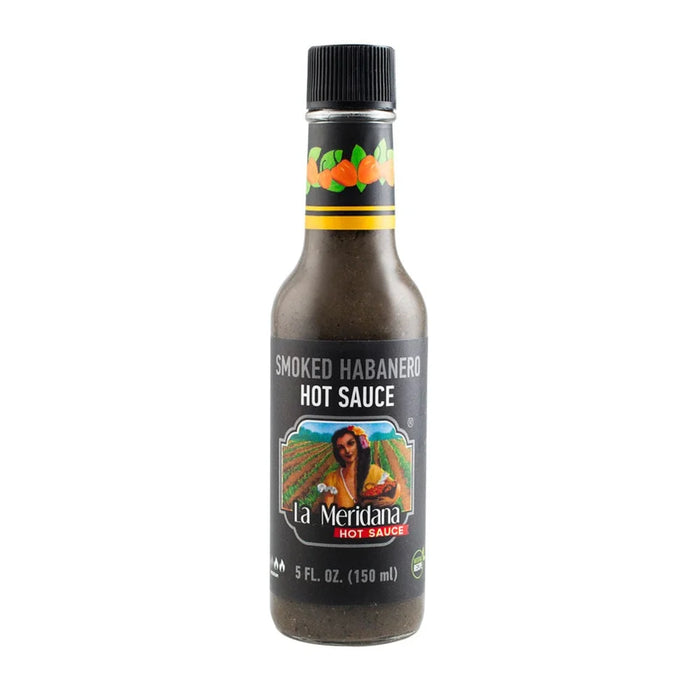
La Meridana Smoked Habanero Hot Sauce
View product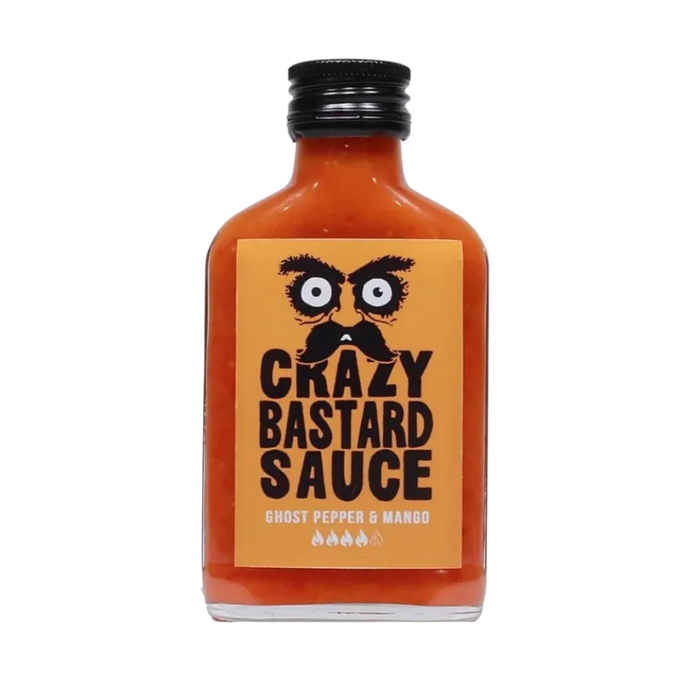
Crazy Bastard Sauce Ghost Pepper & Mango
View product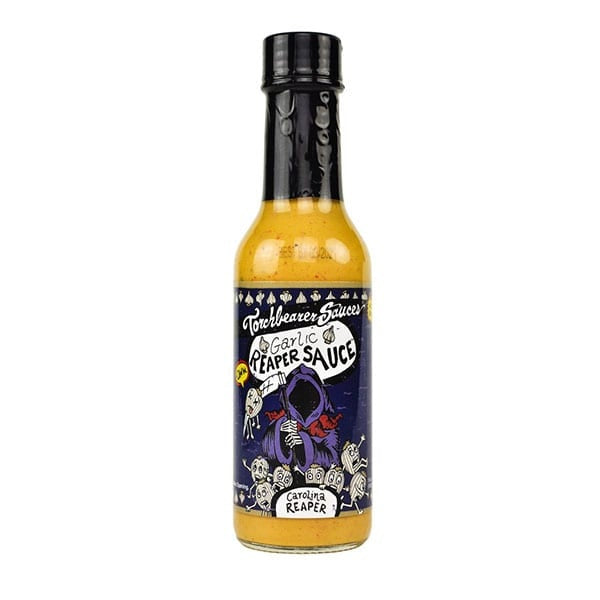
Torchbearer Sauces Garlic Reaper Sauce
View product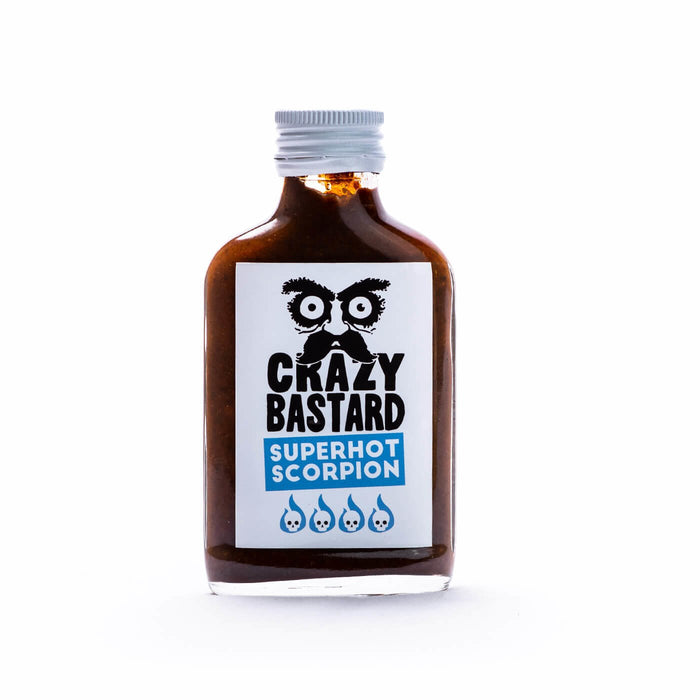
Crazy Bastard Superhot Scorpion Hot Sauce
View product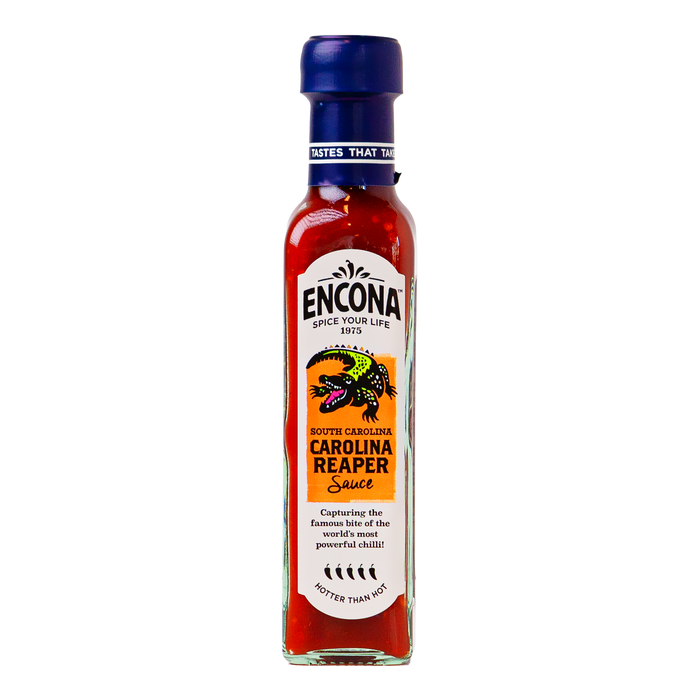
Encona Carolina Reaper Chilli Sauce
View productRecipes with hot sauce
These recipes show how hot sauce makes its way to the table in different cuisines.


Read more about hot sauce
In four other articles we go deeper into brands, peppers and use.
 Sriracha explained Thai and VietnameseWhat sriracha is and which one to chooseRead moreWhich hot sauce for what per dishFrom eggs and wings to noodlesRead moreCaribbean hot sauce scotch bonnet and Madame JeanetteWith the Surinamese sideRead moreMexican hot sauce table sauce and habaneroCholula, Valentina and YucatánRead more
All hot sauces in one place
From mild Louisiana table sauce to superhot from Berlin.
Frequently asked questions
What is the difference between hot sauce and chili sauce?
Hot sauce is usually thin and sour, with vinegar as a base, and you drizzle it over your food. Chili sauce is often thicker and sweeter, such as sweet chili or sriracha, and you also use it as a dip or in the wok.
What is the mildest hot sauce?
Sweet chili sauces like Lingham's are the mildest, followed by table sauces like Crystal, Louisiana and Cholula, which give more flavor than heat.
What does Scoville or SHU mean?
Scoville Heat Units indicate how much capsaicin is in a pepper or sauce. The number is a guideline, because the heat of peppers varies per harvest and per batch.
Is sriracha a hot sauce?
Yes, sriracha is a hot sauce, but thicker and sweeter than American sauces, with garlic and sugar. Read more in Sriracha explained.
Does hot sauce need to be refrigerated after opening?
That varies per sauce. Follow the label: it tells you how to store the bottle after opening and how long you can use it.
What helps if hot sauce is too hot?
Capsaicin does not dissolve in water, so a glass of water helps little. A sip of milk, a bite of yogurt or some rice or bread will soothe the burning sensation better.
What is the hottest hot sauce in the toko?
The superhots with ghost pepper, Trinidad scorpion or Carolina Reaper, such as Crazy Bastard and Torchbearer, are at the top of our heat scale. Start with one drop.
Hot sauce is ultimately very personal, because one person only wants a sour kick over their egg and another is looking for the bottle that will shut them up at the table. Start slowly with a table sauce and a sriracha, taste them side by side on something simple like rice or a fried egg, and discover which way you want to go, because after that it will naturally be fun to keep looking. If you come into the toko in Amsterdam and find yourself in front of that long wall of bottles, feel free to ask us for a tip, and if you want to read this story again later, you will find everything in Hot sauce 101.

