


Korean BBQ at home: meat, marinade, ssam and banchan
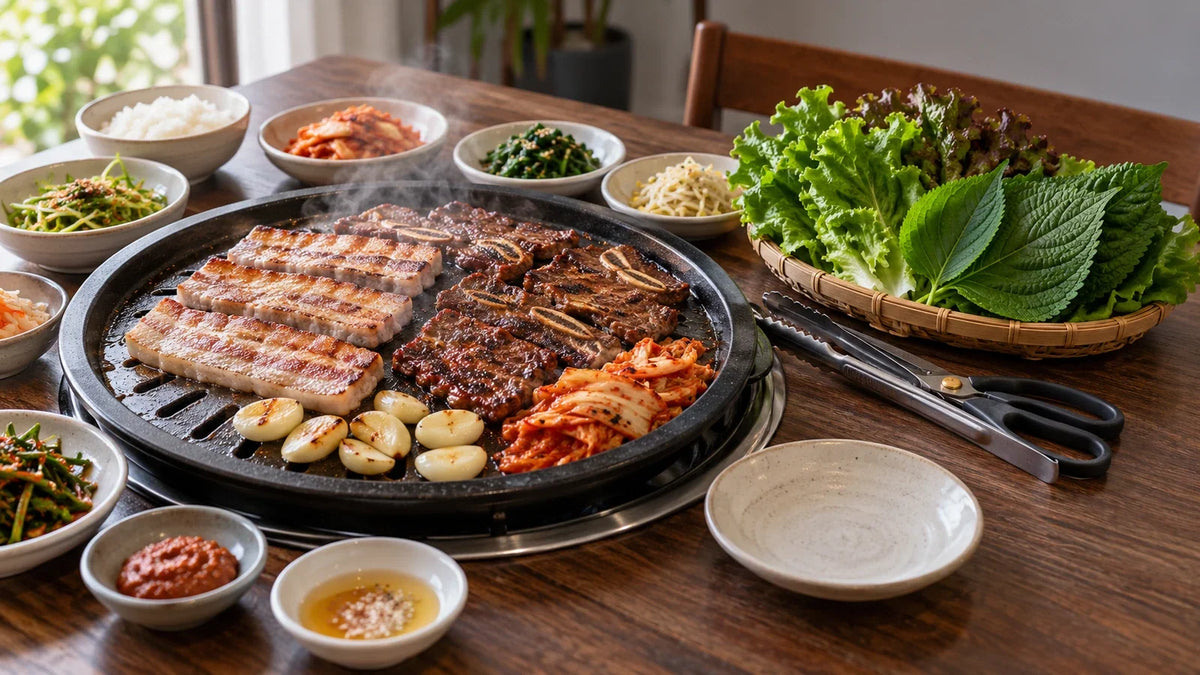
A grill in the middle of the table, everyone with tongs or a pair of chopsticks, meat sizzling and a stack of lettuce leaves slowly getting smaller: Korean BBQ is just as much about eating together as it is about the meat itself. You grill, cut, wrap and pass it around, and you can easily recreate that convivial bustle at home with a table grill or simply a grill pan. Here you can read which meat to ask for at the butcher, which sauces to buy and what else belongs on the table; most of it is available together in the Korean shelf at our shop in Amsterdam. It is the marinades from Sempio and O'Food and the cans of Milkis and Chilsung that Korean families bring into their homes for an evening of grilling, just as they are found in supermarkets in Korea.
What is Korean BBQ?
Korean BBQ is the Korean way of grilling meat at the table: raw or marinated meat goes on a grill in the middle and everyone takes some that is cooked. You eat it in a lettuce leaf with sauce and garlic, a ssam, with small side dishes (banchan) and rice on the side.
The best-known classics are samgyeopsal, slices of pork belly that go on the grill without marinade, bulgogi, thinly sliced marinated beef, and galbi, marinated ribs. If you want to know what else makes Korean cuisine so unique, read Korean cuisine 101.
What do you need for Korean BBQ at home?
For Korean BBQ at home you need a heat source on the table, good meat, a few sauces, lettuce and some side dishes. An electric table grill or griddle works perfectly, and a cast-iron grill pan on the stove can also work. Have tongs and kitchen scissors ready, because in Korea you cut the meat into bite-sized pieces on the grill. Never use charcoal indoors, because it releases carbon monoxide, and open a window or turn on the extractor hood while grilling: pork belly splatters and smokes a lot.
Choose a shelf to see what is available.
 Marinades & BBQ bulgogi · grill saucesReady-made marinades for beef, pork and chickenShop now
 Jang & sauces gochujang · ssamjangFor the dipping sauce and the spicy marinadeShop now
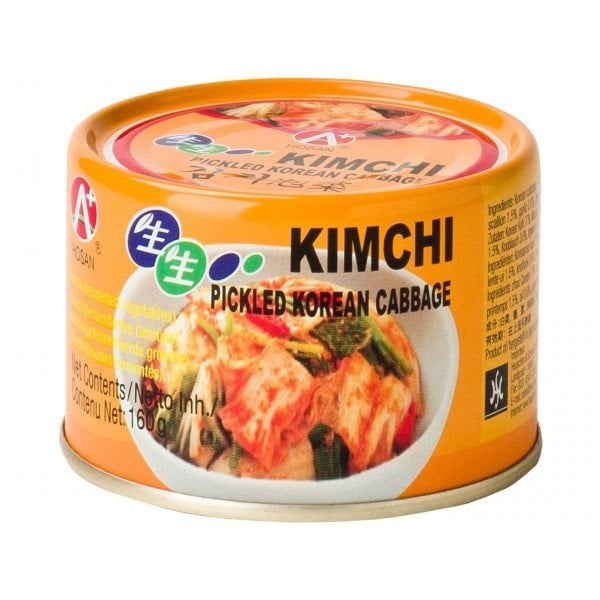
 Kimchi 김치The regular guest next to the grillShop now
 Spices & mixes gochugaru · syrupFor homemade marinades and pajeoriShop now
 Tea & drinks without alcoholSoda and tea to drink with itShop now
Which meat do you buy for Korean BBQ?
For Korean BBQ you mainly buy pork belly, thinly sliced beef and ribs, and the most important thing is that the slices are thin or at most one centimeter thick, so that they cook quickly on a hot plate.
- Samgyeopsal: pork belly without the sword and without bone, in slices of half to one centimeter, without marinade (see our samgyeopsal recipe).
- Moksal: pork neck, the neck of the pig, in slices of one centimeter.
- Dwaeji bulgogi: pork neck or pork belly in thin slices, marinated in a spicy marinade with gochujang.
- Bulgogi: ribeye or entrecote, sliced paper-thin. Half an hour in the freezer makes cutting it yourself easier.
- Galbi: short ribs, cut across the bone into slices of about one centimeter. That cut is called LA-galbi.
- Chadolbaegi: beef brisket, sliced paper-thin.
- Dakgalbi: boneless chicken thighs, in pieces and in a gochujang marinade (see the recipe for dakgalbi).
Which marinade do you use for Korean BBQ?
 Bulgogi 불고기 · SempioFor thinly sliced ribeye or entrecote
 Galbi 갈비 · SempioFor short ribs cut across the bone
 Gochujang bulgogi Sempio · 75 gA packet for pork or chicken thighs
 Spicy bulgogi with gochujangFor pork neck or pork belly in thin slicesBulgogi 불고기 · sweet and savoryFor thinly sliced ribeye or entrecote
Prefer to try it yourself first? A packet of Sempio BBQ Bulgogi Sauce is enough for one evening; how you cook bulgogi is explained in our bulgogi recipe.
Prefer to make your own marinade?
What is ssam and what do you put in it?
 Ssamjang 쌈장 · dipping sauceA dollop in every lettuce wrap
 Sesame oil 참기름 · for gireumjangWith salt and pepper, the dip for samgyeopsal
 Doenjang 된장 · soybean pasteFor homemade ssamjang and jjigaeGochujang 고추장 · red chili pasteFor ssamjang and spicy marinadesGochugaru 고춧가루 · coarseFor pajeori, the spicy scallion salad
Choose sturdy lettuce such as oak leaf or romaine; in Korea, perilla leaves (kkaennip) are often served too, but lettuce alone is fine. Serve with raw garlic, sliced green chilies and pajeori: paper-thin strips of leek or scallion dressed with gochugaru, vinegar, a little sugar and sesame oil. Gireumjang is sesame oil with salt and pepper, the dip for plain pork belly.
Make your own ssamjang
Which banchan should you serve with Korean BBQ?
It’s quick to make your own: oi muchim is cucumber with gochugaru, sigeumchi namul is spinach with garlic and sesame oil, and gyeranjjim is a light, steamed egg dish—soft and mild alongside all the spicy food. Or open a few jars, such as black beans in soy sauce (kongjaban), wild garlic leaves in soy sauce or seasoned garlic stems.
Banchan en kimchi voor bij de grill
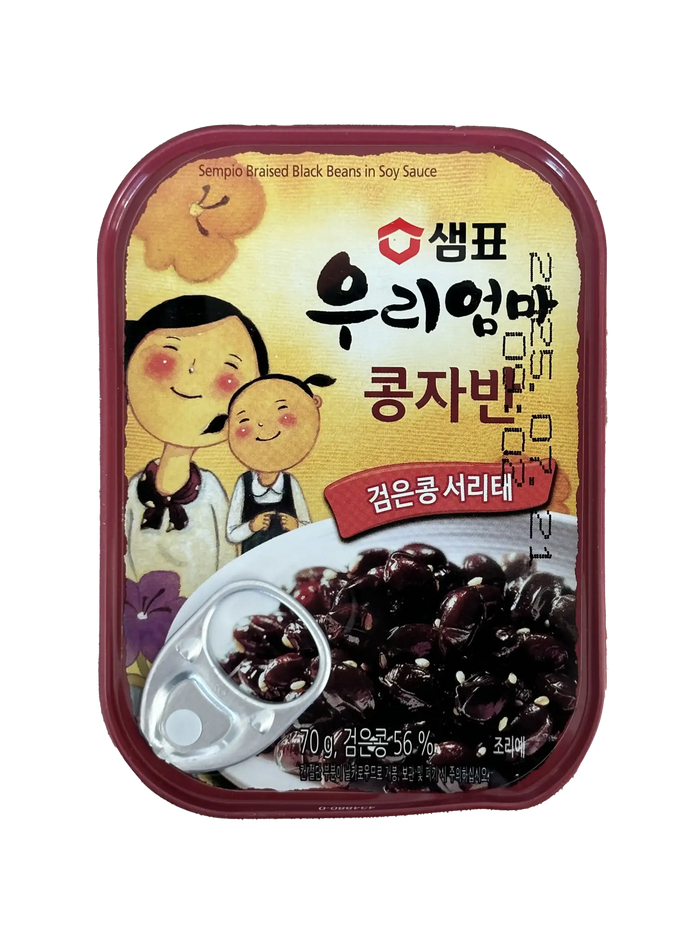
Sempio Braised Black Beans in Soy Sauce
View product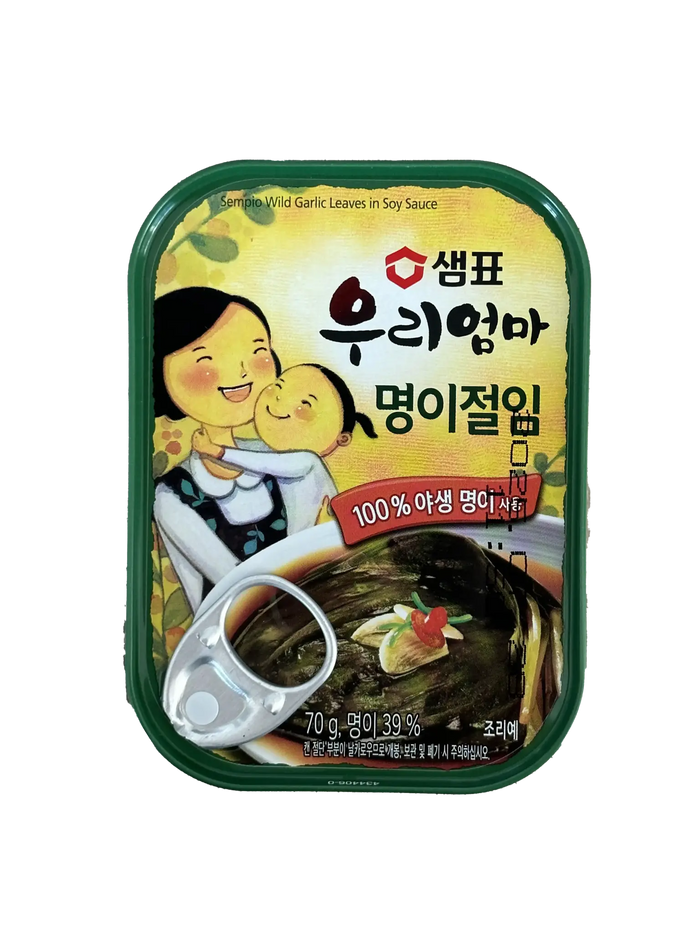
Sempio Wild Garlic Leaves in Soy Sauce
View product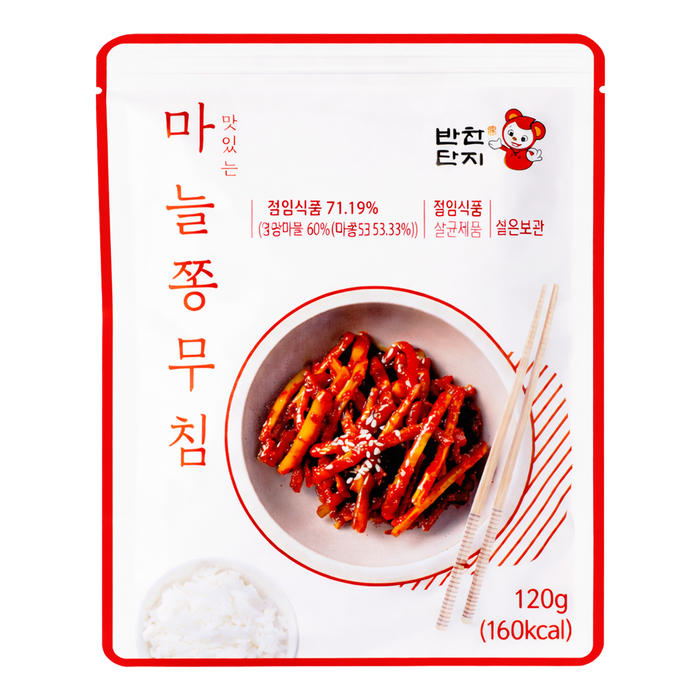
Banchandanji Seasoned Garlic Stem
View product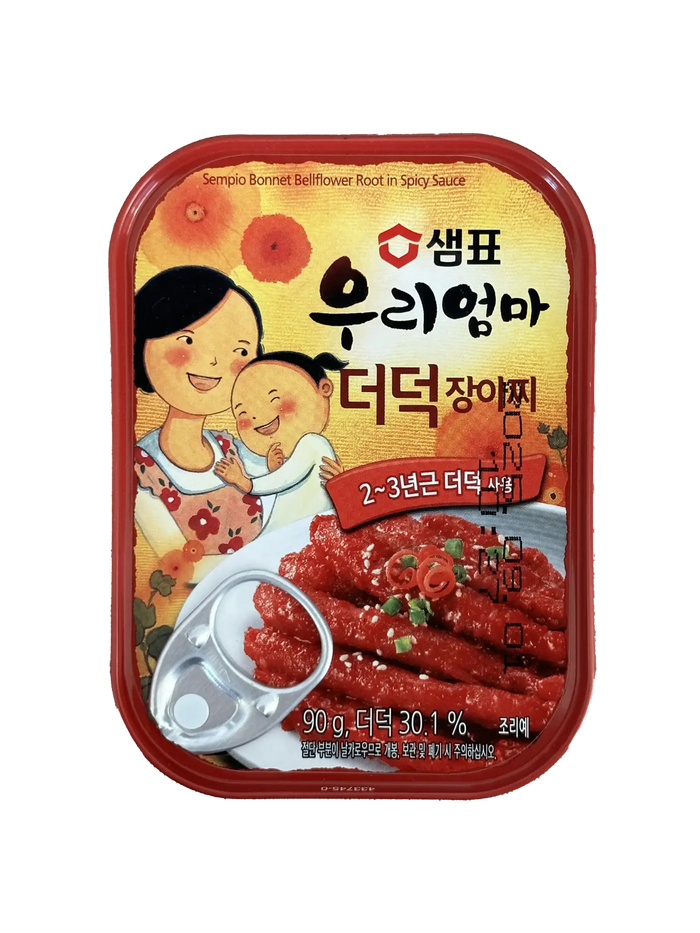
Sempio Bonnet Bellflower Root In Spicy Sauce
View product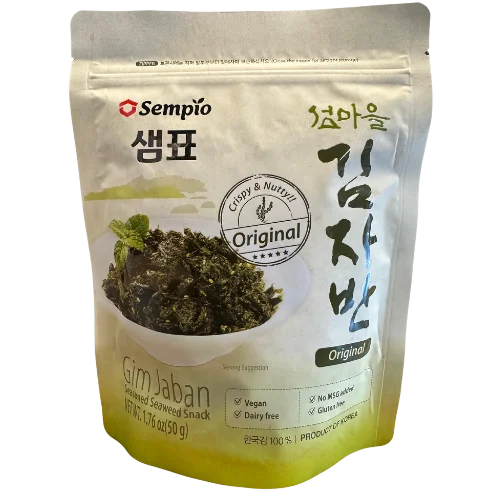
Sempio Original Seasoned Seaweed Snack
View productWhat rice do you eat with Korean BBQ?

At many Korean BBQ restaurants, a pot of doenjang jjigae with rice is served at the end, or the rice is fried on the grill with kimchi and the last bits of meat. At home, you can recreate this with our kimchi bokkeumbap recipe.
What do you drink with Korean BBQ?
 Milkis Melon 밀키스 · creamy soft drinkGentle fizz with melon
 Milkis Original 밀키스Creamy and lightly sweet
 Chilsung 칠성사이다 · ciderClear lemon-lime soft drink
 Yuja tea 유자차 · with honeyA spoonful in hot or cold water
 Iced tea cold-brewedWith green mandarin
 Melon milk BinggraeSweet melon milk for after the meal
Browse all Korean teas and drinks →
How do you grill Korean BBQ at home?
Let the grill or pan get really hot before adding the first pieces of meat. This gives the pork belly a browned crust right away and keeps it from simmering in its own fat. Don’t put everything on the grill at once; cook in small batches as you eat, so there’s always something hot and crispy ready and the grill doesn’t cool down.
Marinated meats such as bulgogi and dwaeji bulgogi burn more quickly because of the sugar in the marinade, so keep the heat a little lower, turn them more often and, ideally, grill them after the unmarinated meat, or the grill will get sticky. Cut the pork belly into pieces only once the underside is nicely browned, and use separate tongs for raw meat.
Not sure what to buy for your first Korean BBQ at home? Start with pork belly, a jar of ssamjang, a bottle of sesame oil, a head of lettuce and some kimchi. That’s all you need to serve samgyeopsal without having to marinate anything.
Je Korean BBQ-pakket
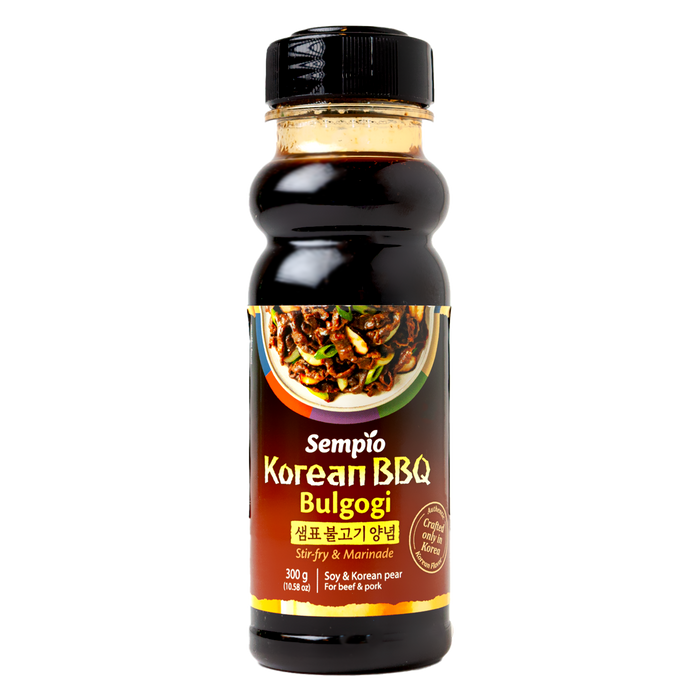
Sempio Bulgogi Marinade
View product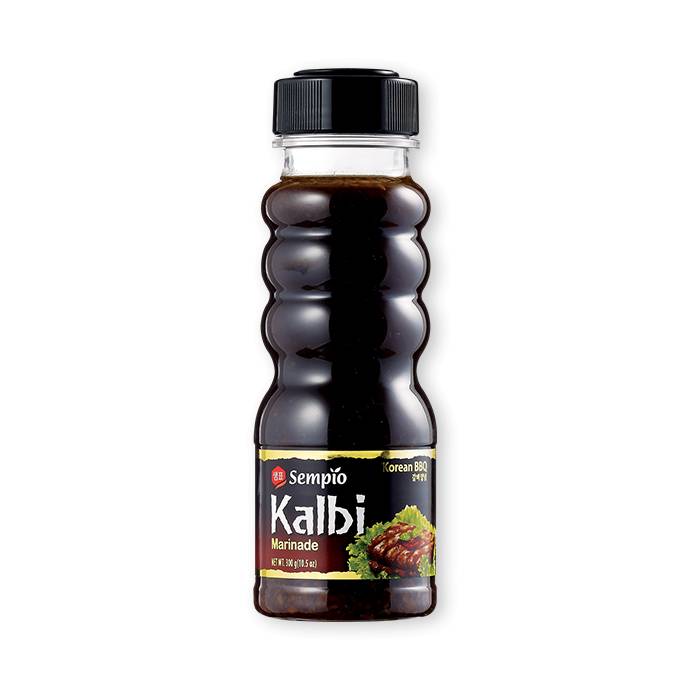
Sempio Kalbi Marinade
View product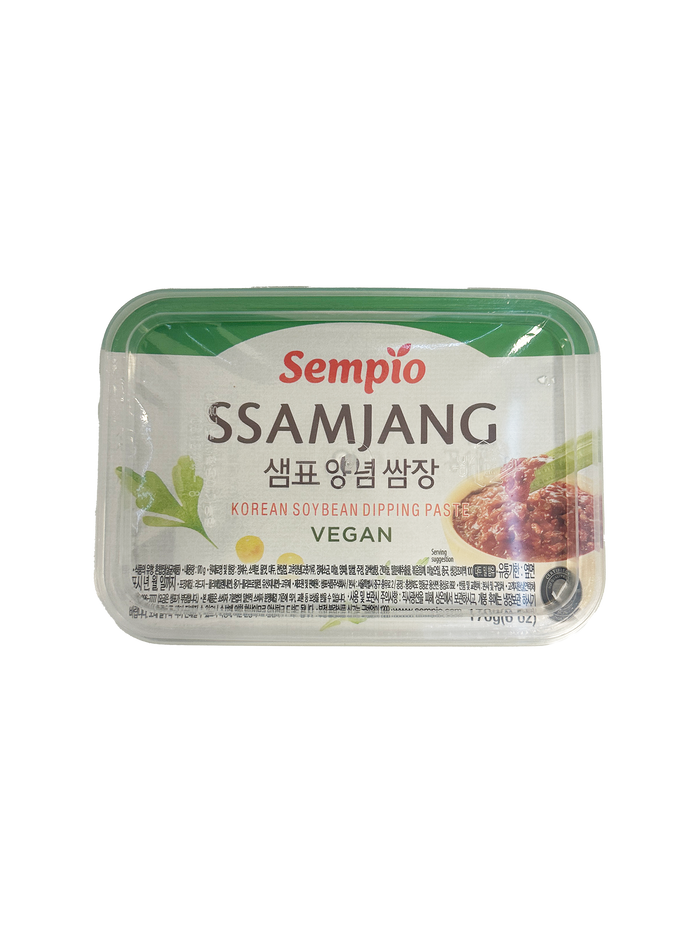
Sempio Ssamjang Soybean Dipping Paste
View product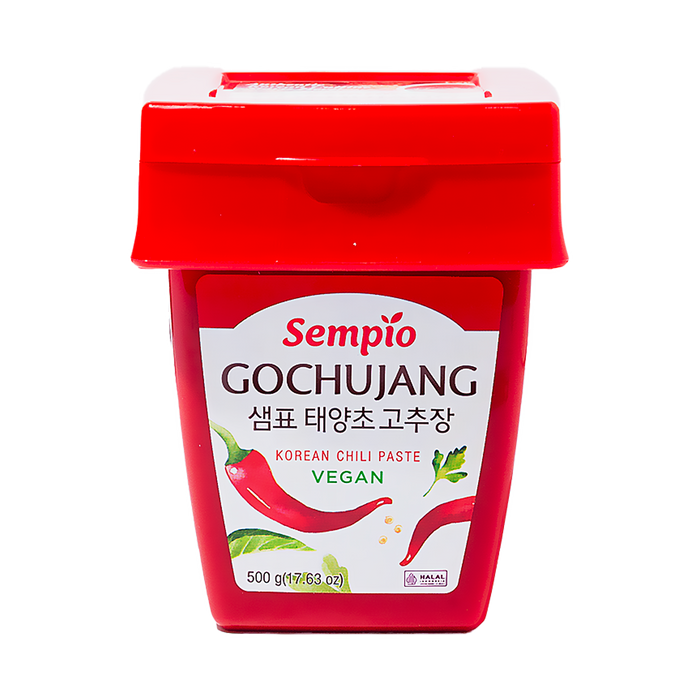
Sempio Gochujang Hot Pepper Paste
View product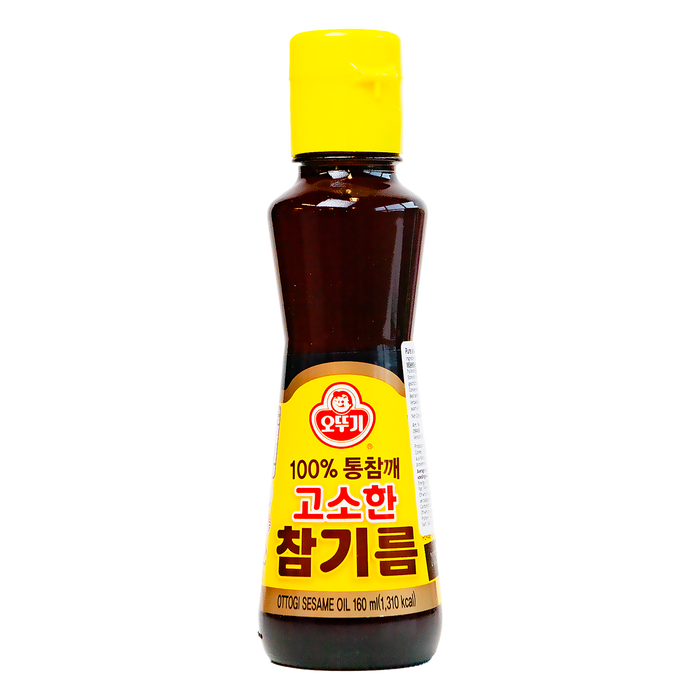
Ottogi Sesame Oil
View product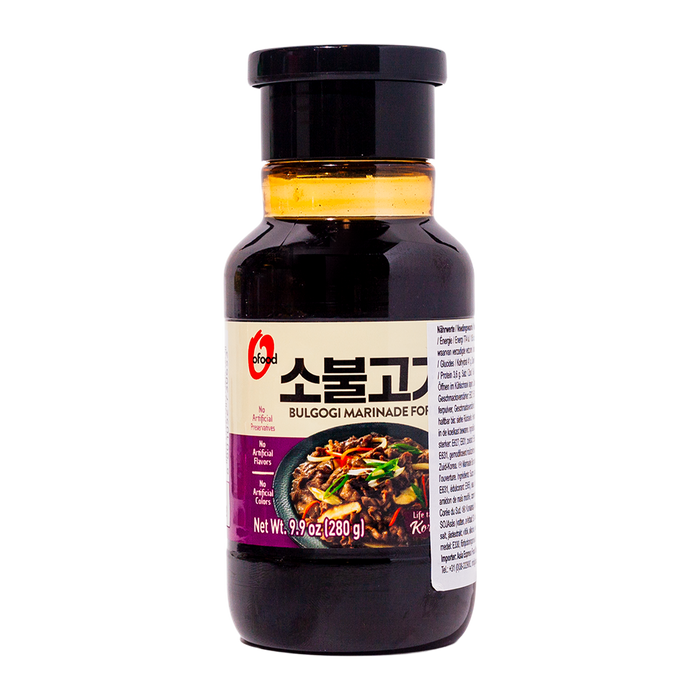
O'Food Bulgogi Marinade for Beef
View product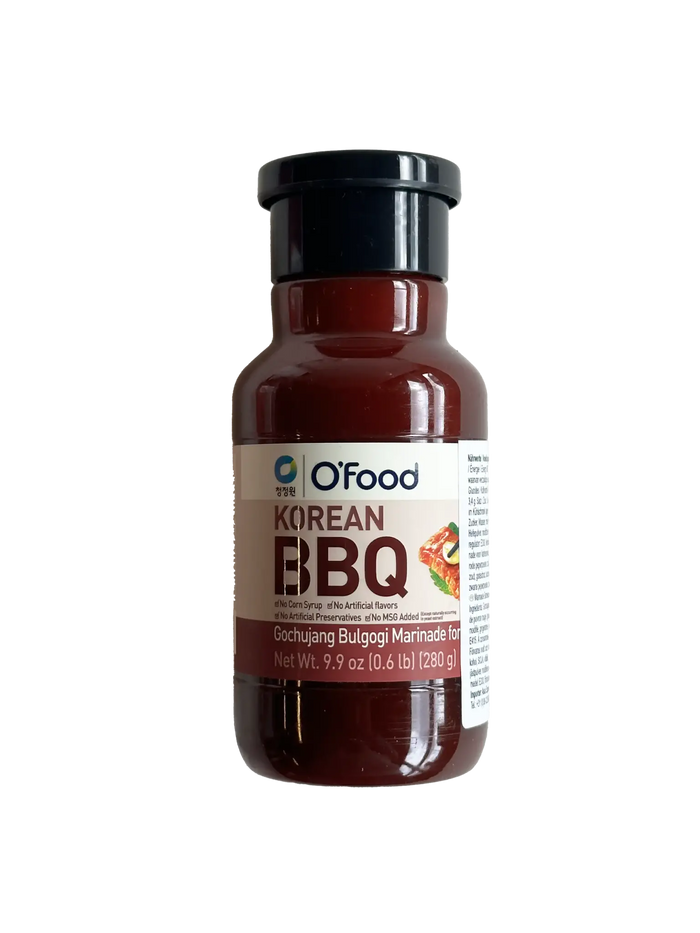
O'Food Gochujang Bulgogi Marinade
View product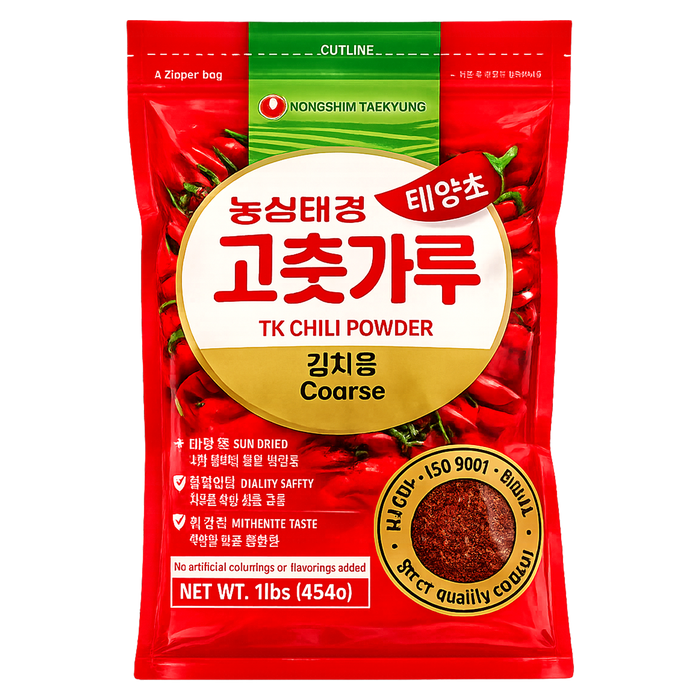
Nongshim Red Pepper Powder (coarse)
View product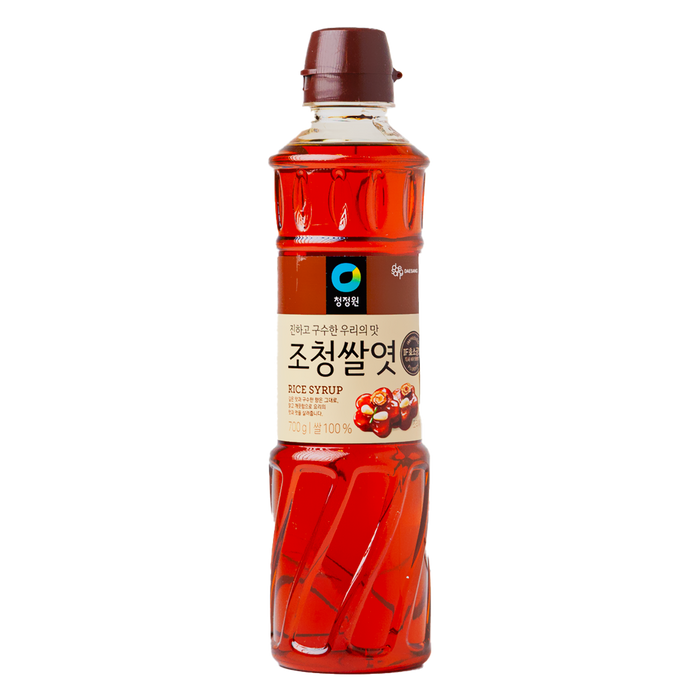
Chung Jung One Korean Rice Syrup
View productRecipes for Korean BBQ at home
These recipes will help you serve the meat and banchan.


You could also make some yangnyeomjang, and the next day kimchi jjigae with some leftover pork belly is a good idea.
Everything for Korean BBQ in one place
Bulgogi marinades, grill sauces and everything else you need for an evening of grilling at the table.
Frequently asked questions
What meat do you use for samgyeopsal?
Pork belly without the sword and without bone, in slices half to a full centimetre thick. It goes on the grill without marinade and gets its flavour from ssamjang or sesame oil with salt.
What is the difference between bulgogi and galbi?
Bulgogi is thinly sliced marinated beef without bone, usually ribeye or entrecote. Galbi are marinated ribs, often flanken cut across the bone. The marinades are similar: sweet and savoury, based on soy sauce.
How long should bulgogi marinate?
If you use a ready-made marinade, follow the packaging. Thinly sliced meat absorbs the flavour quickly; leave it covered in the fridge to marinate.
Can you make Korean BBQ without a table grill?
Yes. A cast-iron grill pan or a heavy griddle pan on high heat works well; you cook the meat in batches and bring it to the table hot.
Can you grill on charcoal indoors?
No, never use charcoal indoors, as it releases carbon monoxide. Choose an electric table grill or a pan on the stove indoors, and ensure good ventilation.
What is ssamjang?
Ssamjang is a thick Korean dipping sauce based on doenjang and gochujang. You put a dollop of it in your lettuce wrap, along with the grilled meat.
What do you drink with Korean BBQ without alcohol?
Korean soft drinks like Milkis or Chilsung cider pair well with the fatty meat. Those who prefer tea make yujathee, hot or iced.
For Korean BBQ at home you don't need a perfect grill, because the best thing is a table full of little dishes where everyone sits wrapping, cutting and sharing themselves, and that works just as well with a pan of pork belly, a jar of ssamjang and a head of lettuce as it does with a complete table grill. Feel free to start small, and pop into the toko in Amsterdam if you want to know which sauce goes with which cut of meat, because we love to help you think it through. If you want to learn more about Korean cuisine, read Korean cuisine 101, and for everything about kimchi you can visit Kimchi 101.

