


Korean cuisine 101: how to get started at home
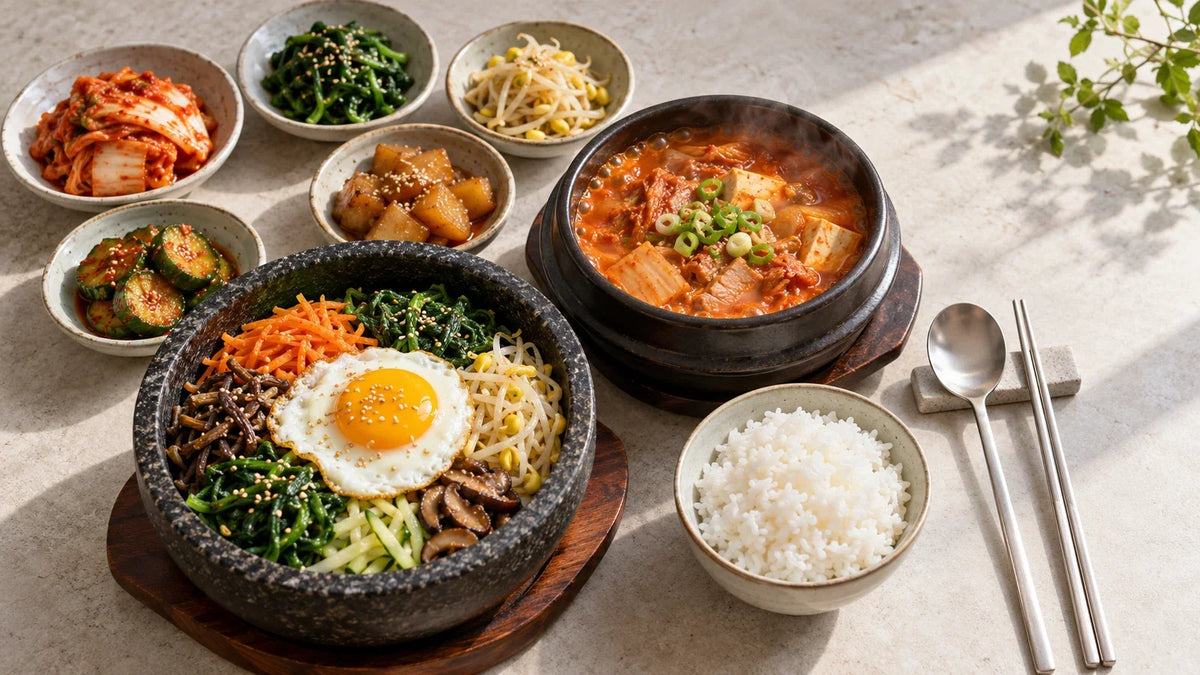
Een jjigae is een stevige Koreaanse stoofpot met weinig bouillon en veel smaak, meestal op basis van kimchi, doenjang of gochugaru, die borrelend in de pan op tafel komt en die je samen met rijst eet. Guk is soep: meer bouillon, lichter van smaak en vaak in een eigen kom naast je rijst, zoals miyeokguk met zeewier. Tang is ook soep, maar met dat woord bedoel je vaak een bouillon die lang heeft getrokken, zoals galbitang van runderribben; de grens tussen guk en tang is niet altijd scherp.
Koreaanse jjigae recepten
If you want something with more in the pan, make budae jjigae, the stew with kimchi, luncheon meat, sausages, tofu and ramyeon that you eat together out of one wide pan.
View all jang and Korean sauces →
Which Korean dishes should you know?
Bibimbap, bulgogi, tteokbokki, japchae and kimbap are the Korean dishes you come across first, and all five are easy to make at home. Once you've got the hang of the taste, you'll naturally move on to samgyeopsal, dakgalbi and Korean fried chicken.
For tteokbokki you buy rice cakes such as HoSan Chopped Rice Cake or Matamun Rice Cake Sticks, for japchae dangmyeon made of sweet potato, and for bibimbap there is O'Food Gochujang For Bibimbap, which is already seasoned. After that you can continue with samgyeopsal, grilled pork belly with ssamjang, dakgalbi with chicken thigh and rice cakes, yangnyeom chicken, jjajangmyeon, kimchi bokkeumbap and rabokki, tteokbokki with ramyeon added in.
Where can you find Korean products by category?
You can find Korean products with us by category, from jang and spices to rice cakes, noodles and snacks. Choose below what you want to continue with.
 Jang and sauces 장 · jangGochujang, doenjang, ssamjang and ready-made saucesShop now
 Spices and flavorings 양념 · yangnyeomGochugaru, soy sauce, sesame oil and syrupShop now
 Marinades and Korean BBQ 불고기 · bulgogiFor bulgogi and grilled meatShop now
 Kimchi 김치Kimchi and everything to make it yourselfShop now
 Rice cakes 떡 · tteokFor tteokbokki and dakgalbiShop now
 Noodles 면 · myeonRamyeon, glass noodles and buckwheat noodlesShop now
 Snacks 과자 · gwajaGim-snacks, chips and sweetsShop now
 Tea and drinks 음료 · eumnyoSoft drinks, milk drinks and teaShop now
More about Korean cuisine
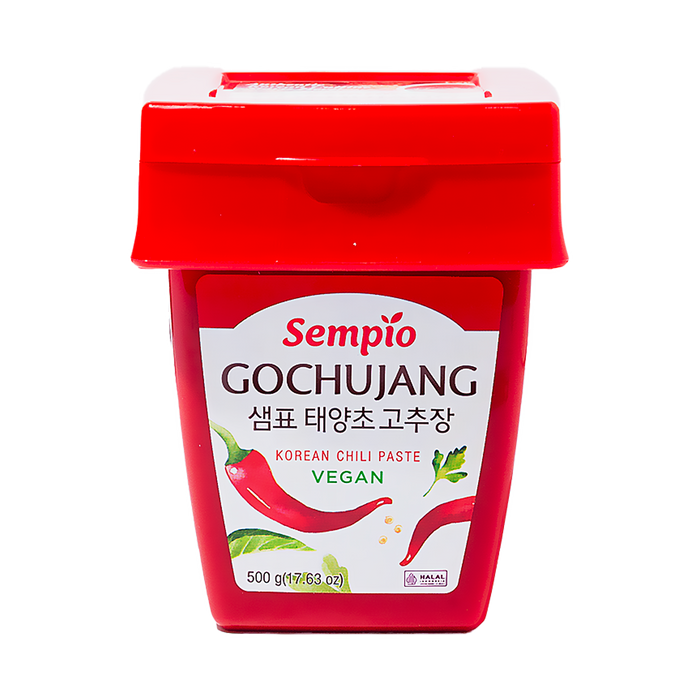
Not sure where to start? Stock up on a jar of gochujang, a bag of gochugaru, a bottle of sesame oil and some kimchi, because with those you can make kimchi jjigae, kimchi bokkeumbap, oi muchim and most of the namul in this guide.
De Koreaanse basis voor je voorraadkast
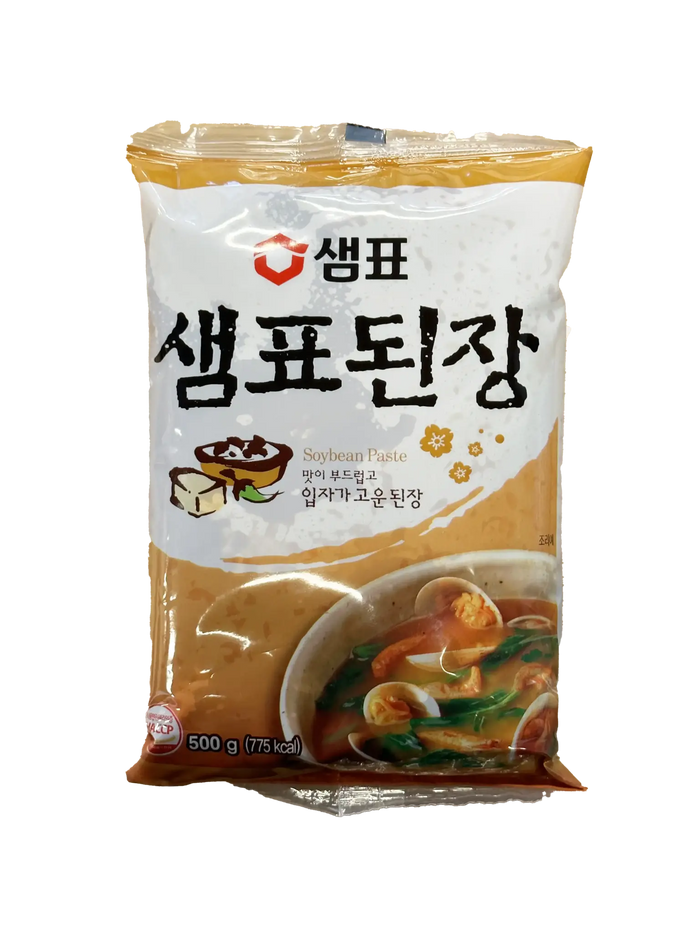
Sempio Doenjang Miso Paste
View product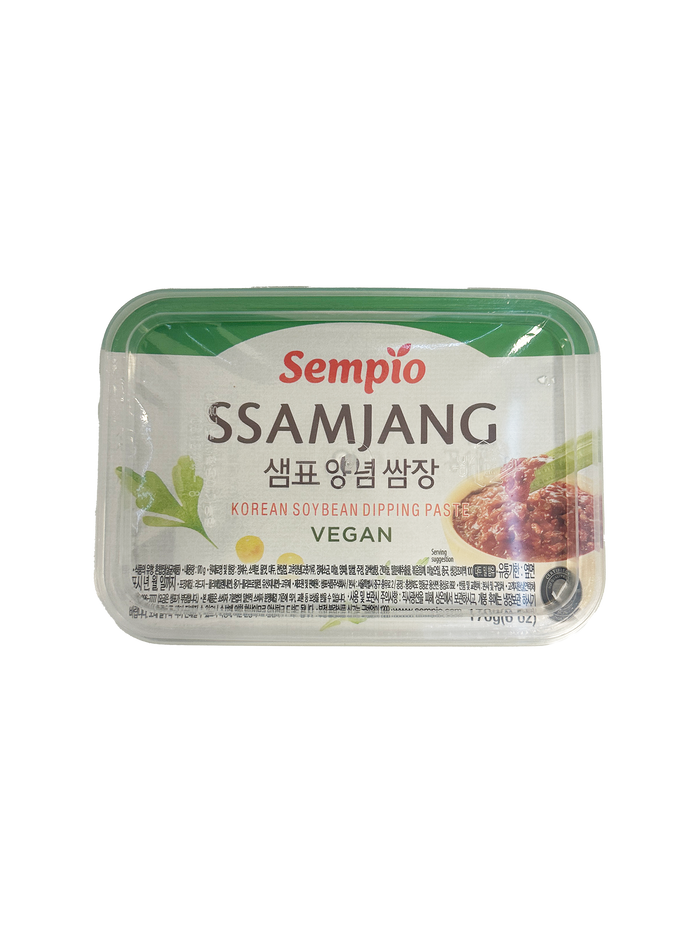
Sempio Ssamjang Soybean Dipping Paste
View product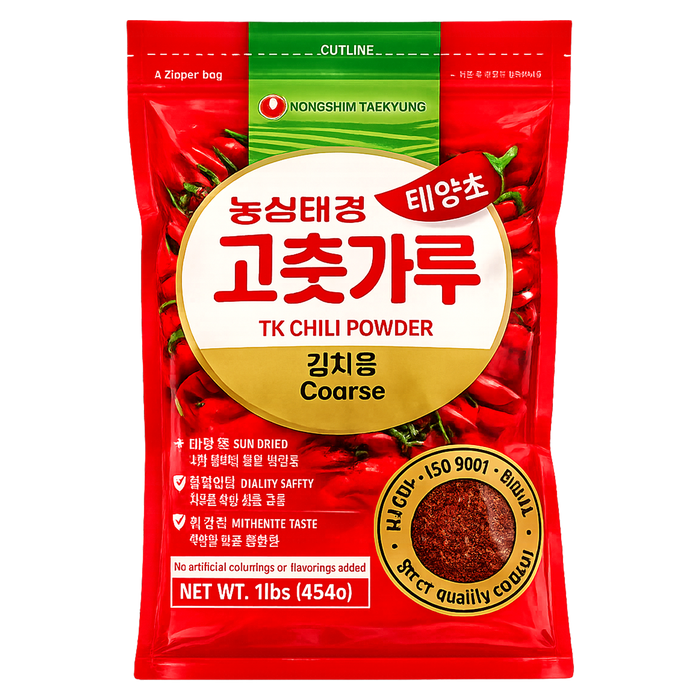
Nongshim Red Pepper Powder (coarse)
View product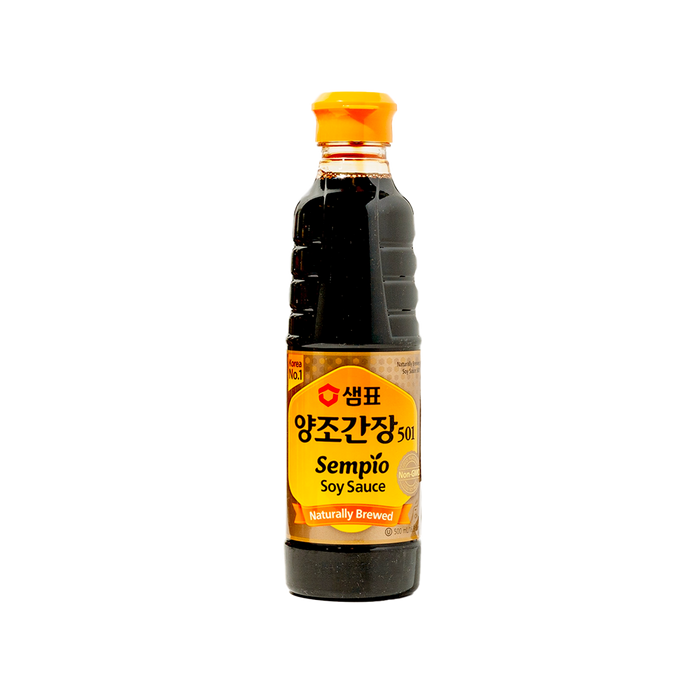
Sempio Soy Sauce Naturally Brewed 501
View product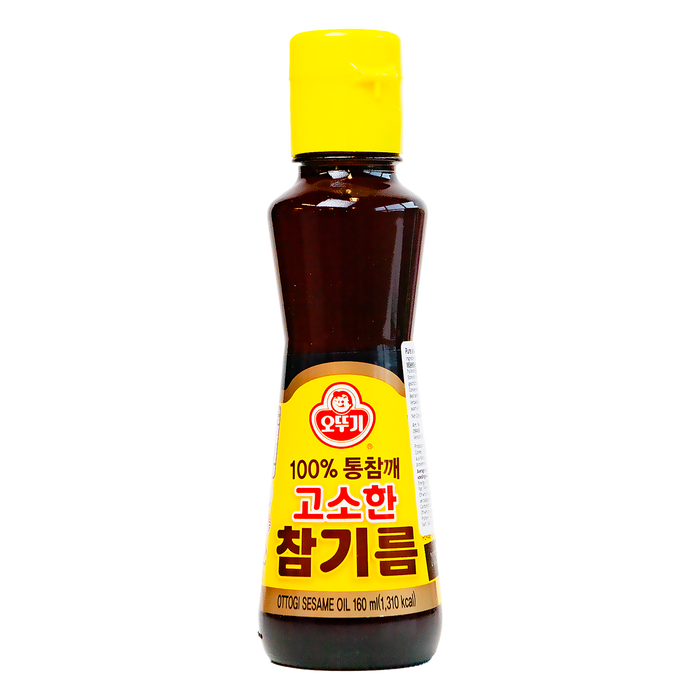
Ottogi Sesame Oil
View product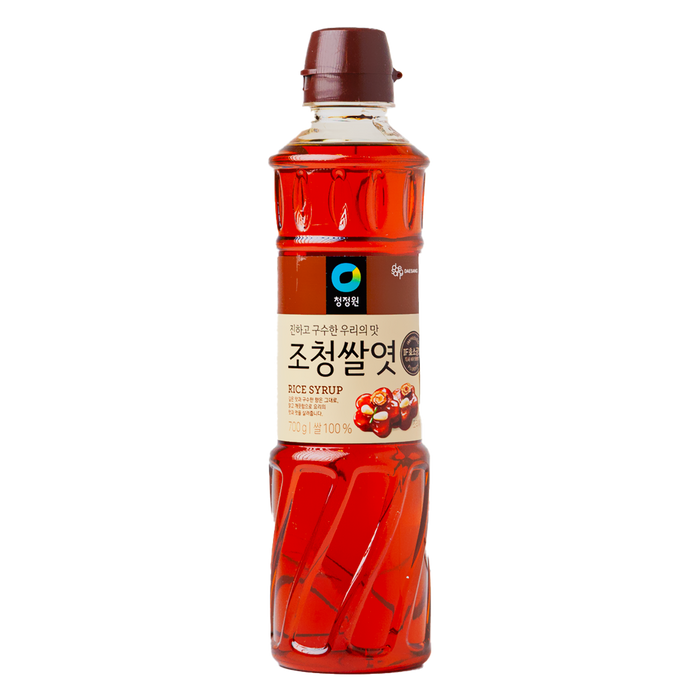
Chung Jung One Korean Rice Syrup
View product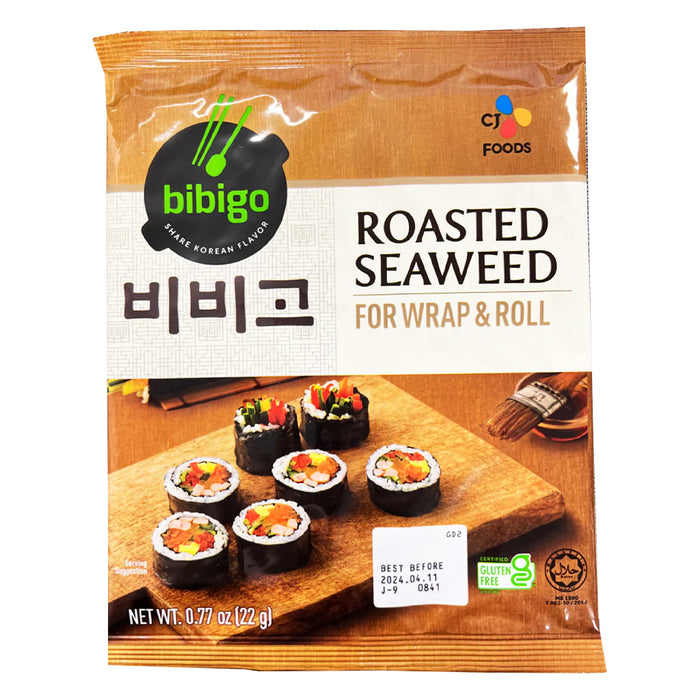
CJ Bibigo Roasted Seaweed Gimbap
View product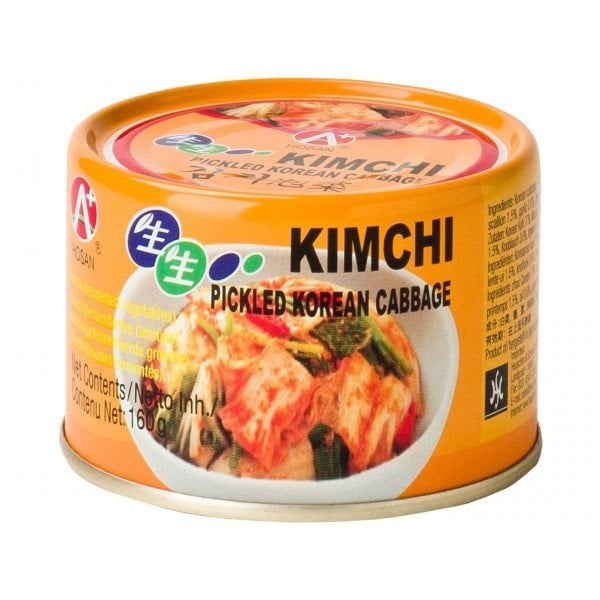
HoSan Kimchi Vegetables
View productEverything for Korean cooking
From gochujang and gochugaru to rice cakes and gim, all on one page.
Frequently asked questions
What is the difference between gochujang and gochugaru?
Gochujang is a fermented paste made from chili, rice and soybeans, while gochugaru is dried chili flakes. They are not interchangeable, because the paste also adds sweetness and savoriness.
Is Korean food always spicy?
No. Bulgogi, japchae, gyeranjjim and sigeumchi namul are not spicy at all, and with bibimbap you decide how much gochujang to add.
What rice do you use for Korean food?
Short-grain white rice that is slightly sticky after cooking. Japanese short-grain rice is a good substitute.
What is banchan?
Banchan are the small side dishes that are served with rice in Korea, such as kimchi, namul and steamed egg. Everyone at the table eats some.
What is the difference between jjigae and guk?
Jjigae is a hearty stew with little broth that you eat together from the pot. Guk is soup with more broth, usually served in its own bowl next to your rice.
Can I use Japanese soy sauce for Korean dishes?
For marinades, dips and stir-fries, brewed soy sauce like Kikkoman works perfectly. For soup and jjigae, Koreans often use guk-ganjang, which is lighter in color and saltier.
Is doenjang the same as miso?
They are similar, because they are both fermented soybean pastes, but doenjang is usually coarser and has a deeper, earthier flavor. You can read more about Japanese miso in Miso 101.
How do you store gochujang and doenjang after opening?
Follow the instructions on the label. Usually, an opened jar can be kept well closed in the refrigerator.
The best way to get to know Korean cuisine is simply to start, with a jar of gochujang and a bag of rice, and then after a few weeks you will naturally notice a small dish of namul next to your jjigae and that the kimchi in the refrigerator runs out faster than you thought. If you are standing in front of the Korean shelf in the toko in Amsterdam and do not know which jar to get, feel free to ask us, because we are happy to help you. All the recipes are together in our Korean recipes, and the entire selection can be found in the Korean cuisine.

