


Tortillas and masa
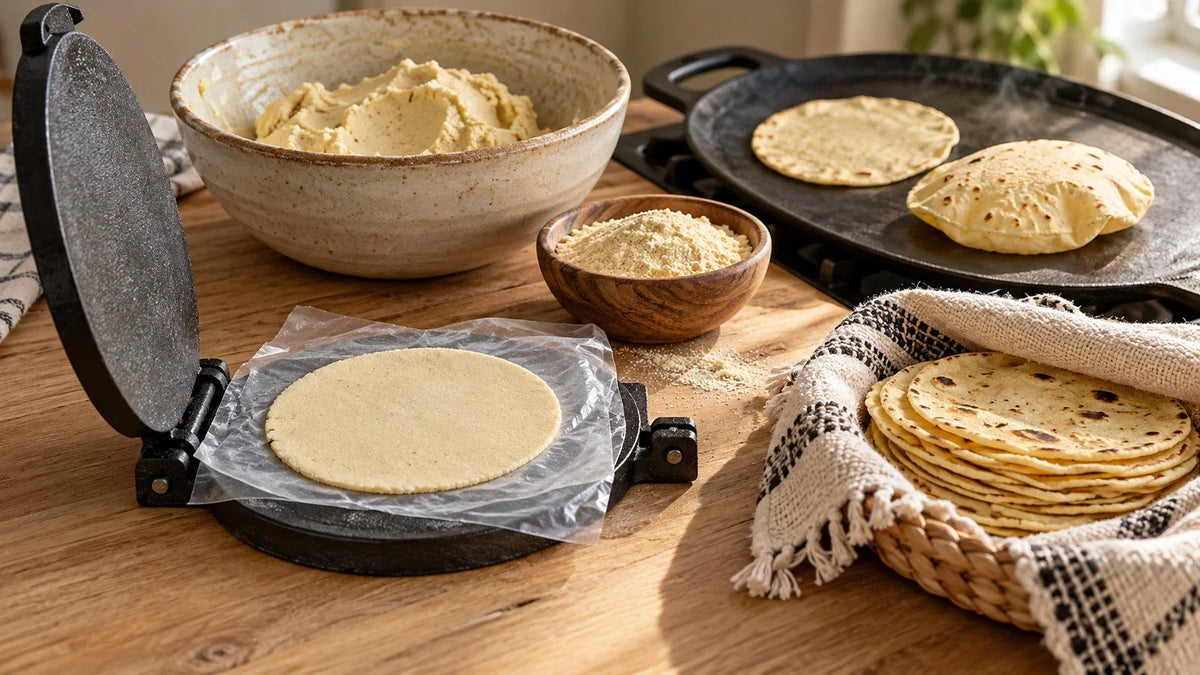
In Mexico almost every meal starts with corn. Long before the Spanish brought wheat, people there were already cooking the kernels with lime, grinding them into dough, and baking thin cakes on a comal, and that tortilla is still the daily bread of the country. You eat it with the taco from the stand on the corner, you roll enchiladas with it, and whatever is left you bake crispy the next morning for chilaquiles. In our shop in Amsterdam, the corn tortillas are next to bags of masa harina and heavy cast-iron presses, and in this guide you will read what to choose for what and how to make them yourself. They are the tortillas from Guanajuato and the pots from La Costeña as you see them in the supermarket in Mexico, so you cook with what comes to the table at home there. If you want to see the bigger picture first, start with Mexican cuisine 101.
What is the difference between a corn tortilla and a wheat tortilla?
What is nixtamal?
Nixtamal is corn that is cooked and then soaked in water with lime, called cal in Mexico, and then rinsed well. Through this treatment the hard skin of the kernel comes loose, the corn becomes soft enough to grind and the taste changes: you get that slightly earthy, warm aroma that you immediately recognize from a good tortilla. The word comes from Nahuatl, the language of the Aztecs. Freshly ground nixtamal is called masa, and that dough is the basis of tortillas, tamales, sopes and gorditas.
Plain cornmeal or polenta is not treated like that, and thus you do not get a dough that bends: it crumbles when pressed and breaks as soon as you fold it.
What is masa harina?
 Maseca white masa harina · 1 kgThe classic white masa for tortillas
 Maseca yellow amarillo · 1 kgFrom yellow corn, for tortillas with a warm color
 Maseca Antojitos 1 kgFor sopes, gorditas and other antojitos
Maseca white, yellow or antojitos?
View all tortillas and masa harina →
Is P.A.N. the same as masa harina?
Which corn tortillas can you buy from us?
 Taco size, 30 pieces Guanajuato · 12 cmThe real size for tacos
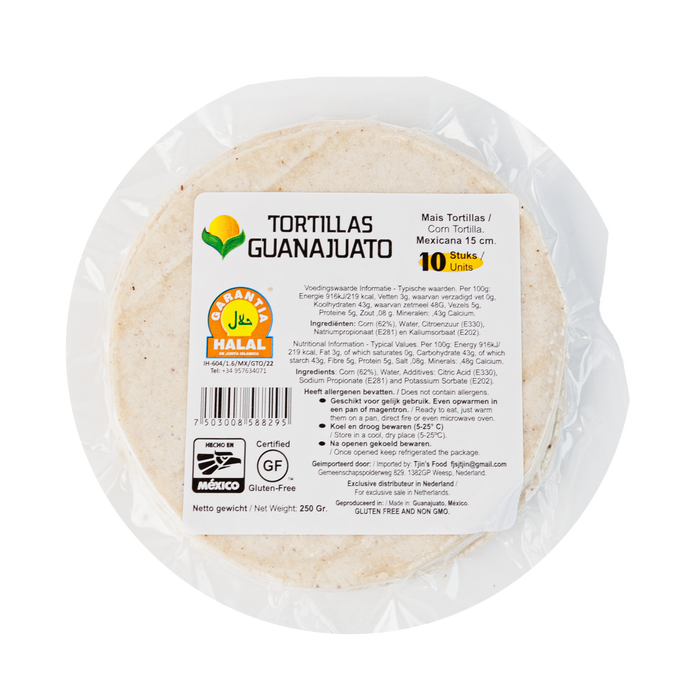
 White, 10 pieces Guanajuato · 15 cmEnough for a weekday taco night
 White, 1 kg Guanajuato · 15 cm · ca. 40 piecesFor a full table or enchiladas for many
 Blue Guanajuato · 15 cmFrom blue corn, beautiful dark on the table
View all Guanajuato tortillas →
How do you make corn tortillas yourself?
The dough tells you itself what it needs. If it sticks to your hands, sprinkle some masa through it, and if the edges crack when you press, knead in a spoon of water. If you do not have a press, lay the ball between two sheets of plastic and press it flat with the bottom of a heavy pan. The whole recipe with quantities you find at making corn tortillas yourself.
 Tortilla press, 16 cm Tortillada · cast ironFor tortillas up to about taco size
 Tortilla press, 20 cm Tortillada · cast ironA little larger, for bigger tortillas
 Tortilla press, 25 cm Tortillada · cast ironLarge size, for small and large tortillas
 Tortilla pan Tortillada · 26 cmA cast-iron comal that heats evenly
 Tortilla cloth TortilladaKeeps a stack of tortillas warm and soft
How do you warm up corn tortillas?
Not sure whether you should start pressing your own tortillas right away? Begin with a pack of Guanajuato tortillas and warm them well in a dry pan. You can already make tacos, enchiladas, and quesadillas with those, and the bag of Maseca and the press can come later, when you feel like filling your kitchen with the aroma of fresh masa.
Alles voor maïstortilla's
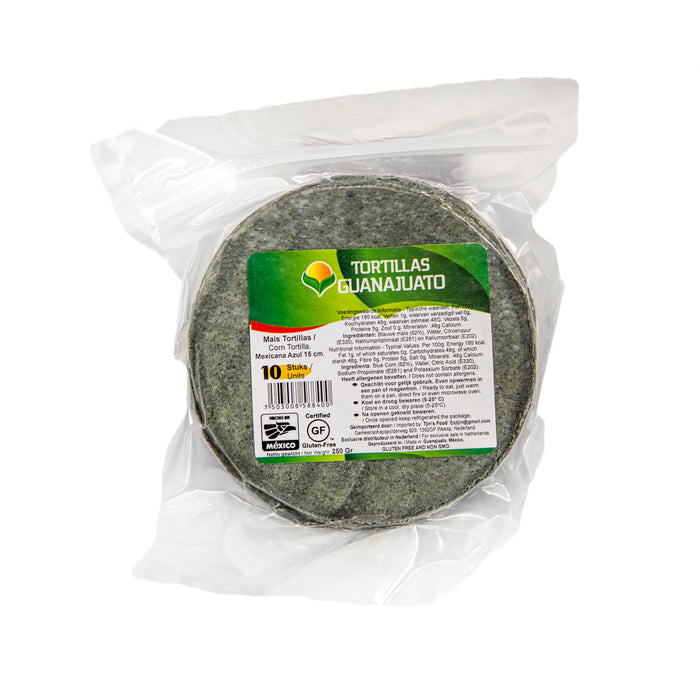
Guanajuato Blue Corn Tortillas
View product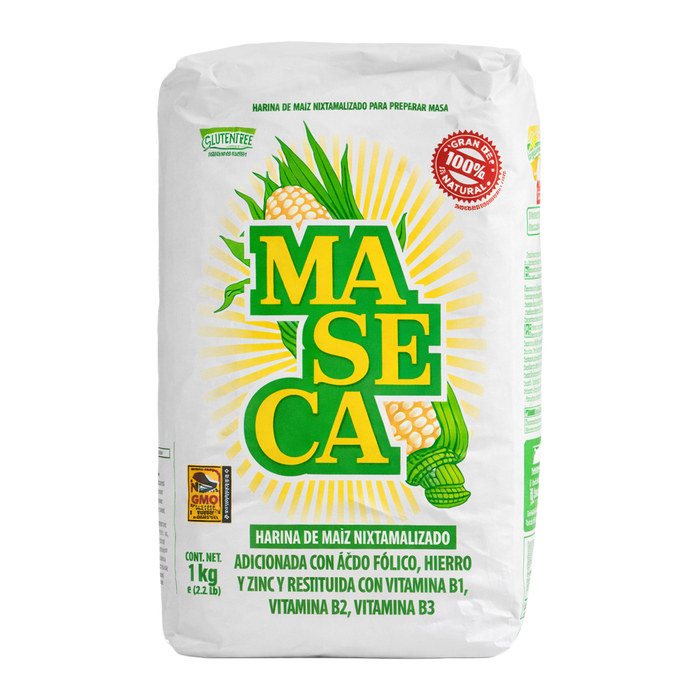
Maseca Corn Flour
View product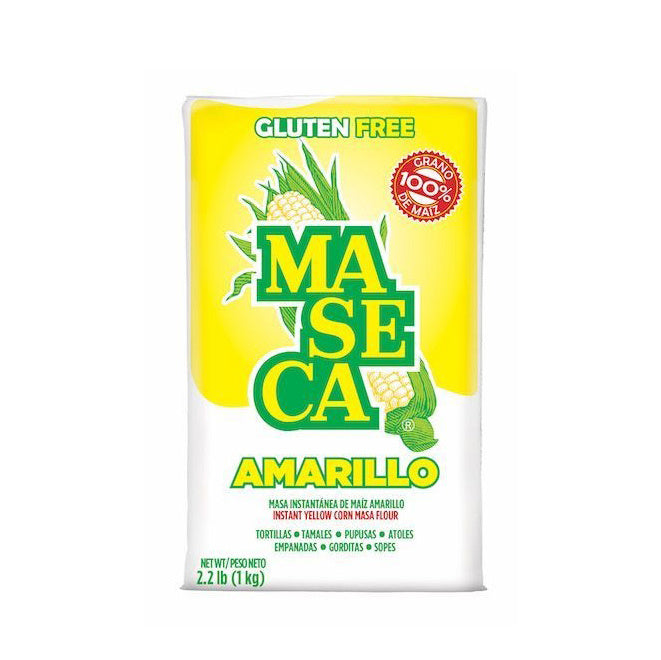
Maseca Amarillo
View product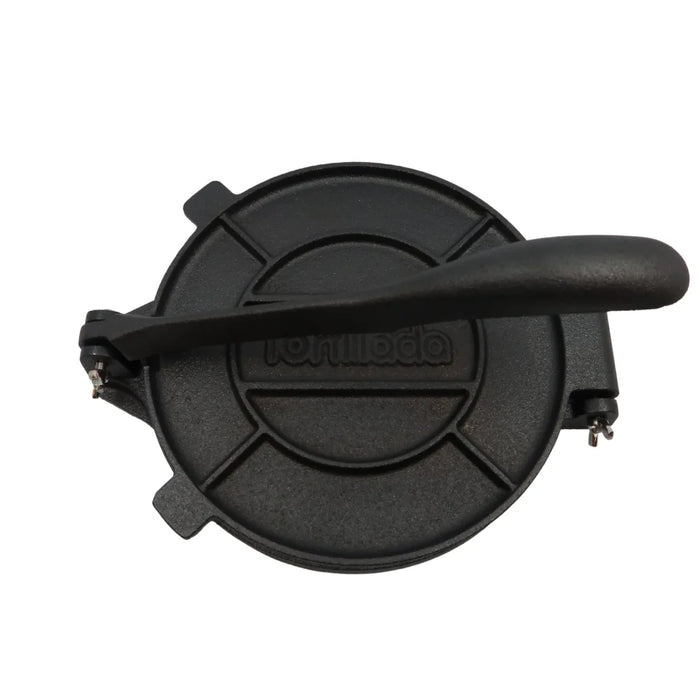
Tortillada Cast Iron Tortilla Press Black
View product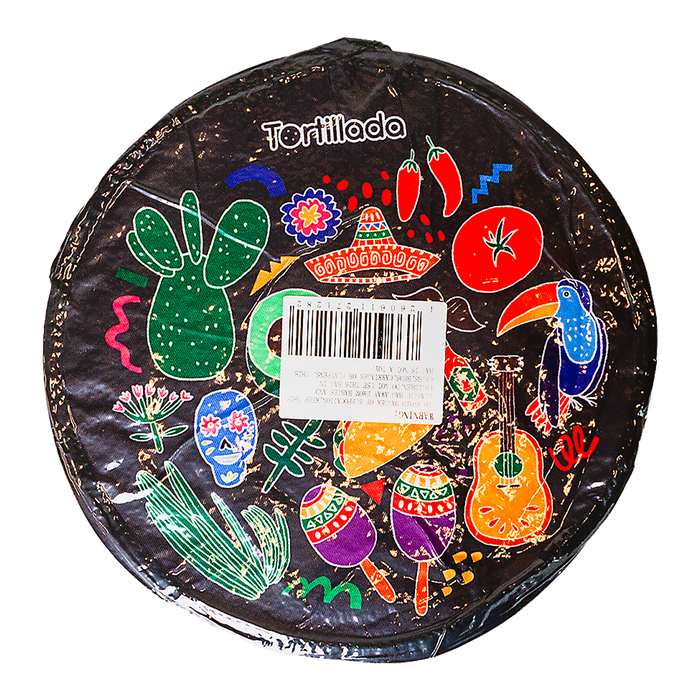
Tortillada Tortilla Warmer Cloth
View product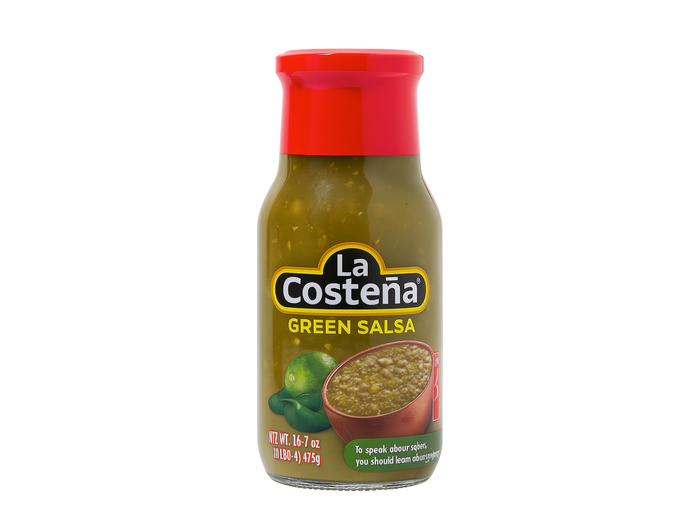
La Costena Salsa Verde
View productRecipes with corn tortillas and masa harina
From tacos to tamales: these recipes are all about corn.


Canned La Costeña Tomatillos are used for the green sauce in enchiladas verdes, and if you're short on time, grab a jar of La Costeña Salsa Verde for chilaquiles. The chips taste best homemade: cut day-old corn tortillas into wedges and fry until golden brown. For quesadillas, you can find flor de calabaza and huitlacoche right on the shelf in jars. Tamales require coarser masa para tamal and corn husks, which are currently sold out; if you still want to try them, take a look at the ready-made tamales from La Reina de las Tortillas.
Where can you find tortillas and masa harina?
You can find tortillas and masa harina together in our tortilla collection, alongside the salsas and fillings to go with them.
Tortillas and masa corn, Maseca, pressesMasa harina, tortillas, and everything you need to make themShop nowGuanajuato 12 and 15 cmReady-made corn tortillas to warm upShop now Salsa and hot sauce verde, roja, taqueraFor enchiladas, chilaquiles, and the tableShop now
 Ready-made tamales and fillingsTamales and taco fillings to warm upShop now
Read more about Mexican cuisine
For ideas on what to serve at taco night, read Taco Night at Home. Find out which chili pepper to use in your sauce in Dried Mexican Peppers, and learn about the sauce used for enmoladas in Mole Explained. You can also read about Mexican Beans and Mexican Snacks.
Corn tortillas and masa harina all in one place
Guanajuato tortillas, Maseca, tortilla presses, and a cast-iron comal, all together in one collection.
Frequently asked questions
What is the difference between masa and masa harina?
Masa is the fresh dough made from ground nixtamal. Masa harina is that same masa, dried and ground into flour, so you can make dough from it again with warm water.
Can you make corn tortillas with regular cornmeal or cornstarch?
No. Cornmeal, polenta, and cornstarch have not been nixtamalized, so the dough won't hold together and the tortilla will break. Use masa harina, such as Maseca.
Can you use P.A.N. to make tortillas?
Probably not. P.A.N. is pre-cooked corn flour for arepas, not masa harina, so tortillas made from it will tear and break. It is, however, the right choice for arepas.
Why do my corn tortillas break?
Usually, they are too cold or the dough is too dry. Warm ready-made tortillas in a dry pan first and keep them in a cloth; knead homemade dough with a little extra water until it feels like soft clay.
Can you make corn tortillas without a tortilla press?
Yes. Place the ball of dough between two sheets of plastic and press it flat evenly with the bottom of a heavy pan or a cutting board.
What size tortilla do you use for tacos?
For tacos, the 12 cm Guanajuato is the real deal, as large as taco tortillas on the street in Mexico. Otherwise, take the 15 cm: you can make great tacos with those too, and they are just as suitable for enchiladas, flautas, and quesadillas.
Are corn tortillas gluten-free?
Corn is naturally gluten-free, but the ingredients and any warnings vary by brand. If you need to eat gluten-free, always read the label.
A stack of warm corn tortillas in a cloth on the table is perhaps the simplest and at the same time the most Mexican thing you can put out, because everyone grabs one, fills it with whatever is on the table, and eats it with their hands. Feel free to start with a pack of Guanajuato and a dry pan, and only start pressing when you feel like it, because you won't soon forget the moment your first homemade tortilla puffs up on the comal. If you are in the toko in Amsterdam in front of the shelf with masa harina and don't know which bag to get, feel free to ask us, and if you want to know how tortillas fit into the bigger picture of peppers, beans, and salsas, keep reading in Mexican Cuisine 101.

