


Mole explained: poblano, verde, almendrado and pipián

Mole is the food of the big days in Mexico. At a wedding, a christening, or a birthday where the whole family gathers, there is often a pot of dark sauce that has been simmering for hours, with chicken or turkey in it, and rice and warm tortillas on the side. The word comes from Nahuatl, the language of the Aztecs, in which molli simply means sauce. But anyone who has ever tasted a good mole poblano knows that there is little simple about it. In our shop in Amsterdam, the jars of mole sit among the dried peppers, and in this guide we explain what to do with them; if you want to see the bigger picture first, start with Mexican cuisine 101.
What is mole?
Mole is a thick Mexican sauce made from dried peppers, seeds or nuts and spices, which are roasted together, ground and slowly simmered. Often tomato, onion, garlic, raisins and a piece of stale bread or tortilla are also added to thicken the sauce, and a little chocolate to the dark moles. There are countless recipes, because every region and practically every family makes mole in their own way. What they share is the long preparation and a flavor that is at once spicy, sweet, bitter and savory, without any of those flavors overpowering the others.
Is mole a chocolate sauce?
No. Chocolate plays a supporting role in mole poblano: a few pieces make the sauce rounder and darker and take the sharp edges off the peppers, but it does not become sweet from it. You will encounter this mix of sweet, bitter and spicy everywhere in Mexico, including the chili and tamarindo candy in our guide to Mexican snacks.
Where does mole come from?
Mole poblano comes from Puebla, the city and state southeast of Mexico City, and is the most famous mole in the country. Oaxaca is called the land of the seven moles, including mole negro, coloradito and amarillo. We do not have those Oaxacan moles as paste in the shop.
What types of mole are there?
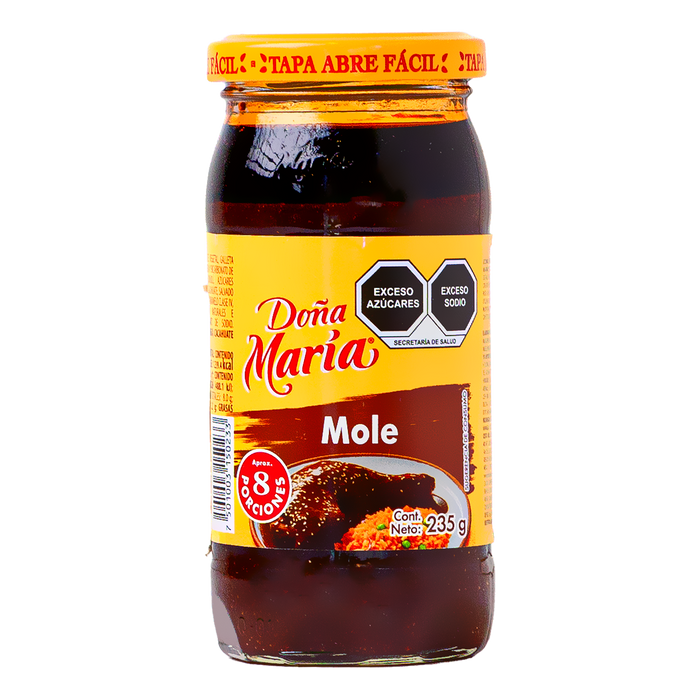
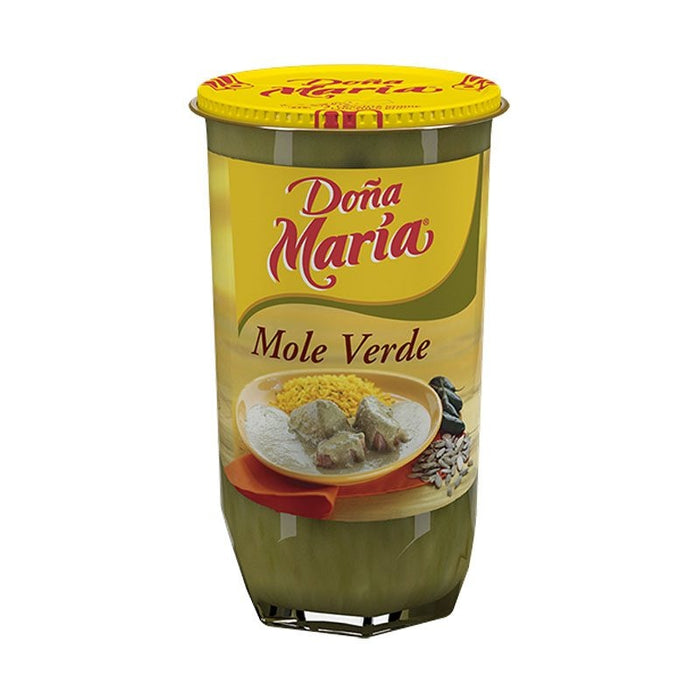
In the shop you will find four types from Doña María, a trusted brand in Mexican kitchens: mole poblano, mole verde, mole almendrado and pipián. They are concentrated pastes in a glass jar that you thin out yourself with broth. Exactly these jars are simply found in the supermarket in Mexico, and many families there have them in their kitchen cupboard.
 Mole poblano red · PueblaDark and full-bodied, with ancho, pumpkin seeds and cacao
 Mole verde greenFresh and spicy, with tomatillo and cilantro
 Almendrado with almondsMilder and a little sweeter than poblano
 Pipián pumpkin seed sauceNutty and creamy, part of the mole family
Mole poblano
Mole verde
Mole almendrado
Pipián
View all Mexican cooking ingredients, from mole to tomatillo →
How do you use mole paste?
Mole paste is dissolved in hot broth, over low heat and little by little, until you have a smooth sauce that coats the back of a spoon. If there is a layer of oil on top of the firm paste, simply stir it through. Scoop the paste into a wide pan, pour in a splash of hot broth and stir until all the lumps are gone, then add the rest in portions. How much broth you need is on the label; mole that is too thick burns quickly and mole that is too thin tastes bland.
Then let the sauce gently simmer for about ten minutes while stirring occasionally, so that it thickens slightly and the flavors come together, and only taste for salt at the end. Anyone who makes the broth themselves by poaching chicken thigh fillet with half an onion and some garlic will have the meat ready to go: shred the chicken and let it warm up in the sauce for the last few minutes.
Not sure which mole to try first? Start with the classic Doña María Mole poblano, because it goes with chicken, rice and tortillas, and once you know it, you will immediately taste what is different about verde, almendrado and pipián.
Alles voor een pan mole uit het potje
Dona Maria Mole Verde
View product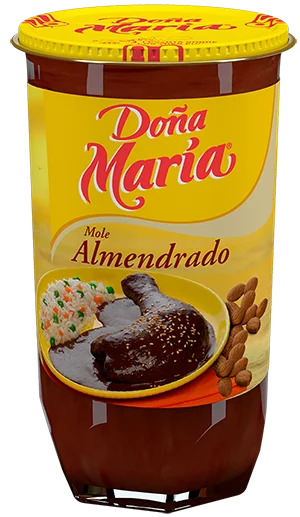
Herdez Dona Maria Mole Almendrado
View product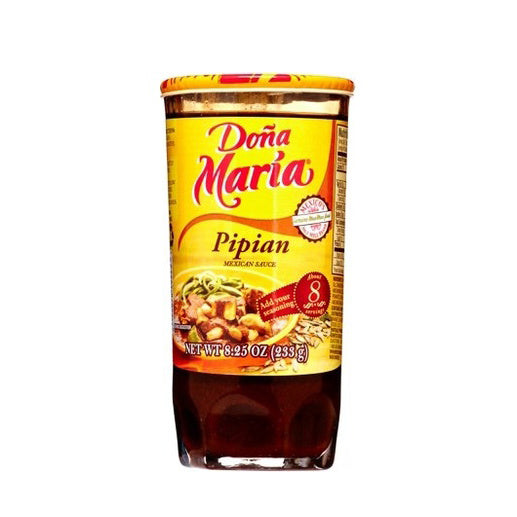
Herdez Dona Maria Pipian
View product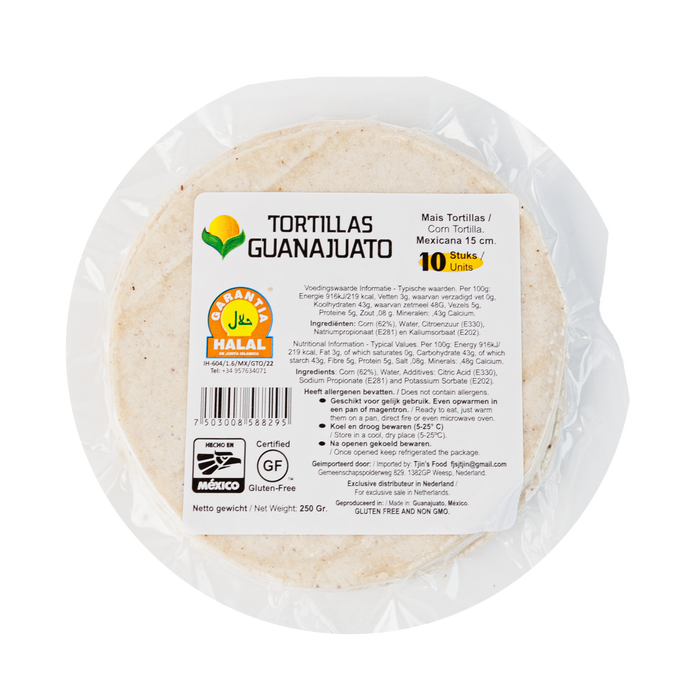
Guanajuato Tortillas White Corn Tortillas 15cm
View product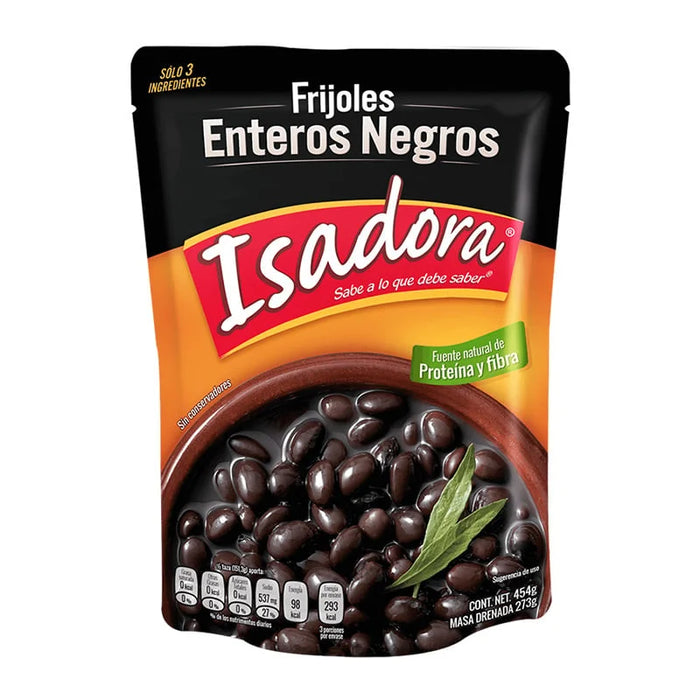
Isadora Frijoles Enteros Negros
View productHow do you make mole yourself?
You make mole yourself by roasting and soaking dried peppers, puréeing them with roasted seeds, nuts, spices and tomato, and then slowly cooking that purée in fat and broth. It is not difficult, but do allow for an afternoon, and the whole house will smell of it for the rest of the day.
Which peppers go into mole poblano?

 Ancho Xatze · 75 gDried poblano, sweet and fruity
 Pasilla Xatze · 75 gDark, with a raisin-like bitterness
 Pasilla Tajín · 75 gThe same pepper from a different brand
 Mulato Xatze · 40 gDeep dark, with notes of chocolate and coffee
 Chipotle meco Xatze · 40 gFor those who want a smokier undertone
How to approach it

For a green mole or pipián you work in the same way, but with tomatillos from a can, roasted pumpkin seeds, fresh green pepper and a large bunch of cilantro.


Zelf mole maken: pepers en basis
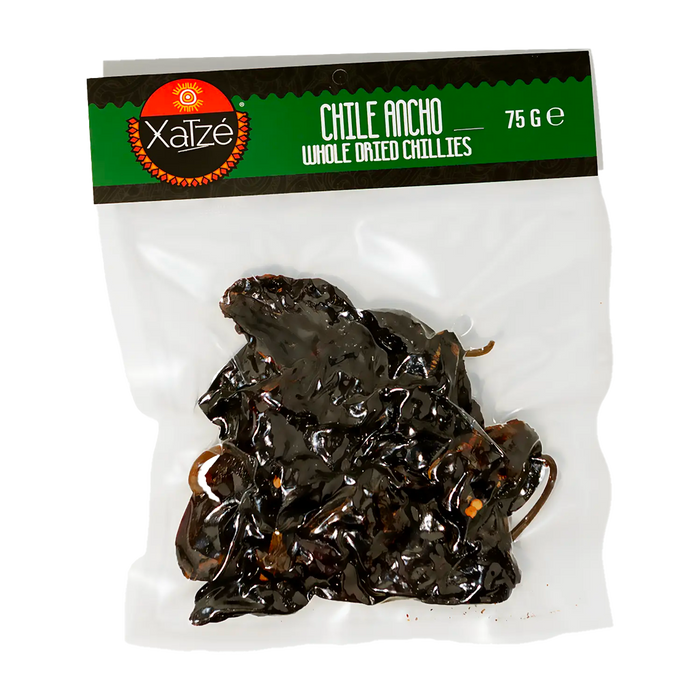
Xatze Chile Ancho
View product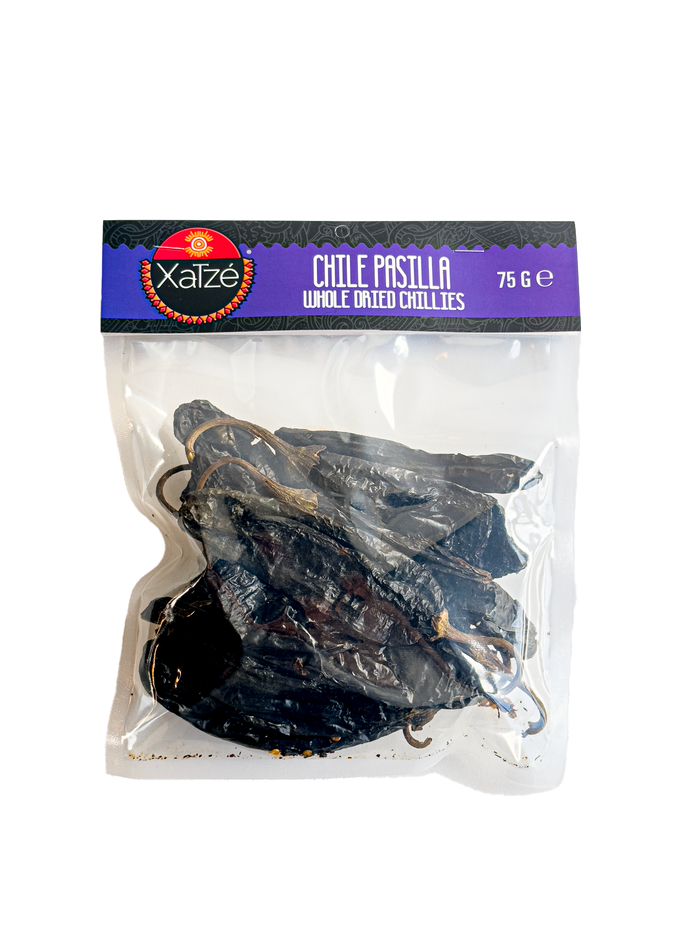
Xatze Chile Pasilla
View product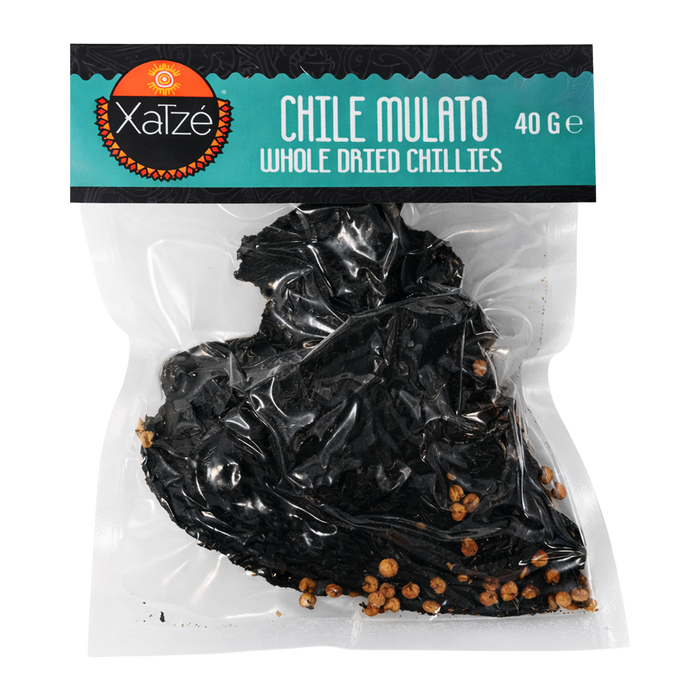
Xatze Dried Mulato Peppers
View product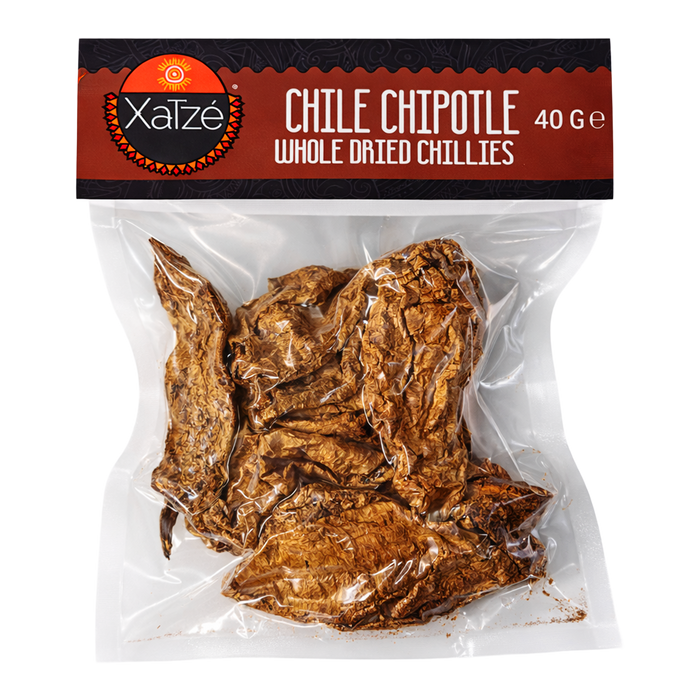
Xatze Chile Chipotle Meco
View product
Cinnamon Powder
View product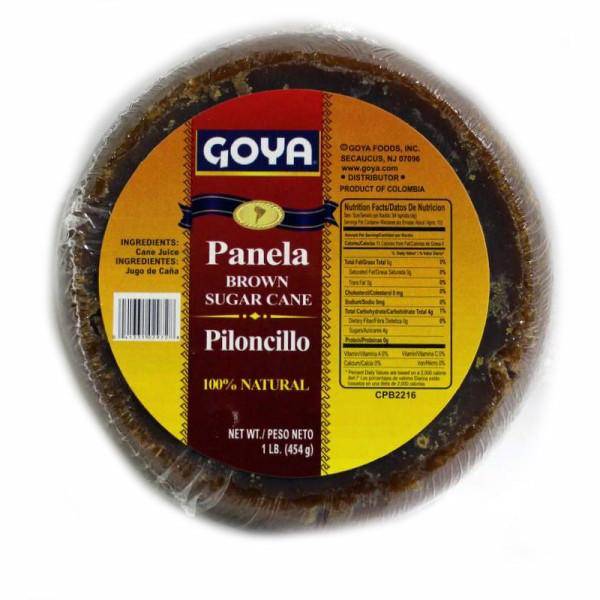
Goya Panela Redonda
View product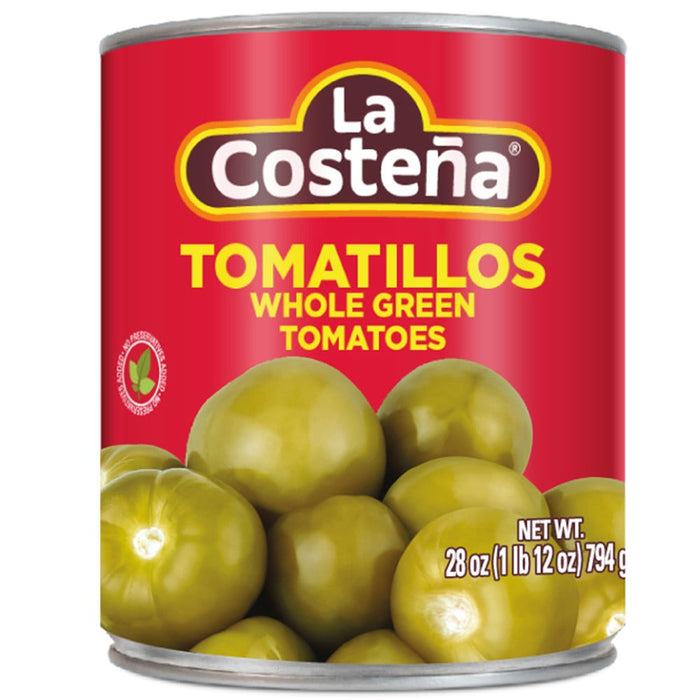
La Costena Tomatillos
View product
Roasted White Sesame Seeds
View productWaarbij eet je mole?

Een schep zwarte bonen ernaast maakt het bord af; welke bonen je daarvoor neemt staat in Mexicaanse bonen. Ook op een taco-avond is mole met kip een fijne vulling, zie Taco night thuis. Zonder vlees werkt het ook, met geroosterde pompoen of bloemkool in mole die je in groentebouillon oplost.
Mole en ingrediënten Doña María, tomatilloMole-pasta's en wat je verder nodig hebtShop nuGedroogde pepers ancho, pasilla, mulatoVoor je eigen mole en salsa'sShop nu Tortilla's en masa maïs, 15 cmOm de saus mee op te scheppenShop nu
 Bonen zwart, pinto, refritosVoor naast je bord moleShop nu
Recepten met mole
In enmoladas en pollo en pipián verde leng je de pasta aan met het kookvocht van gepocheerde kipdijfilet. De barbacoa is geen mole, maar draait om dezelfde ancho en pasilla.


De Mexicaanse keuken bij Tjin's Toko
Mole, gedroogde pepers, maïstortilla's, bonen en salsa's, allemaal op één plek.
Veelgestelde vragen
Is mole pittig?
Meestal mild tot licht pittig. Ancho, pasilla en mulato zijn milde pepers; wil je meer pit, roer er dan een beetje chipotle of chile de árbol door.
Smaakt mole naar chocolade?
Nauwelijks. De chocolade maakt de saus ronder en donkerder, maar mole poblano smaakt vooral naar gedroogde peper, specerijen en geroosterde zaden.
Wat is het verschil tussen mole en pipián?
Pipián is gemaakt van gemalen pompoenpitten en daardoor nootachtig en romig. Hij hoort bij de familie van mole, maar heeft een eigen naam.
Hoe lang kun je mole-pasta bewaren?
Volg het etiket: daar staat hoe je een geopend potje bewaart en hoe lang het goed blijft.
Welk stuk kip gebruik je voor mole?
Kipdijfilet blijft sappig in de saus en laat zich na het pocheren makkelijk in draadjes trekken. In Mexico eet je mole poblano ook vaak met kalkoen.
Kun je mole vegetarisch eten?
Ja, met geroosterde groente, bonen of eieren. Los de pasta dan op in groentebouillon en kijk op het etiket of alle ingrediënten plantaardig zijn.
Hoe spreek je mole uit?
Als mo-le, met de klemtoon op mo en een korte e aan het eind, zoals in bed.
Mole is misschien wel het mooiste voorbeeld van hoe de Mexicaanse keuken in elkaar zit, met gedroogde pepers, zaden en specerijen die samen langzaam iets worden wat je in geen van de losse ingrediënten terugproeft. Begin gerust met een potje Doña María en een pan kipdijfilet op een gewone doordeweekse avond, en als je de smaak eenmaal te pakken hebt, haal je een zakje ancho, pasilla en mulato in huis en maak je op een rustige zondag je eigen pan. Sta je in de toko in Amsterdam en weet je even niet welke pepers je moet hebben, vraag het ons dan gerust, en wil je meer weten over de rest van de keuken, van maïs en masa tot salsa's en bonen, lees dan verder in Mexicaanse keuken 101.

