


Mexican cuisine 101: how to get started at home
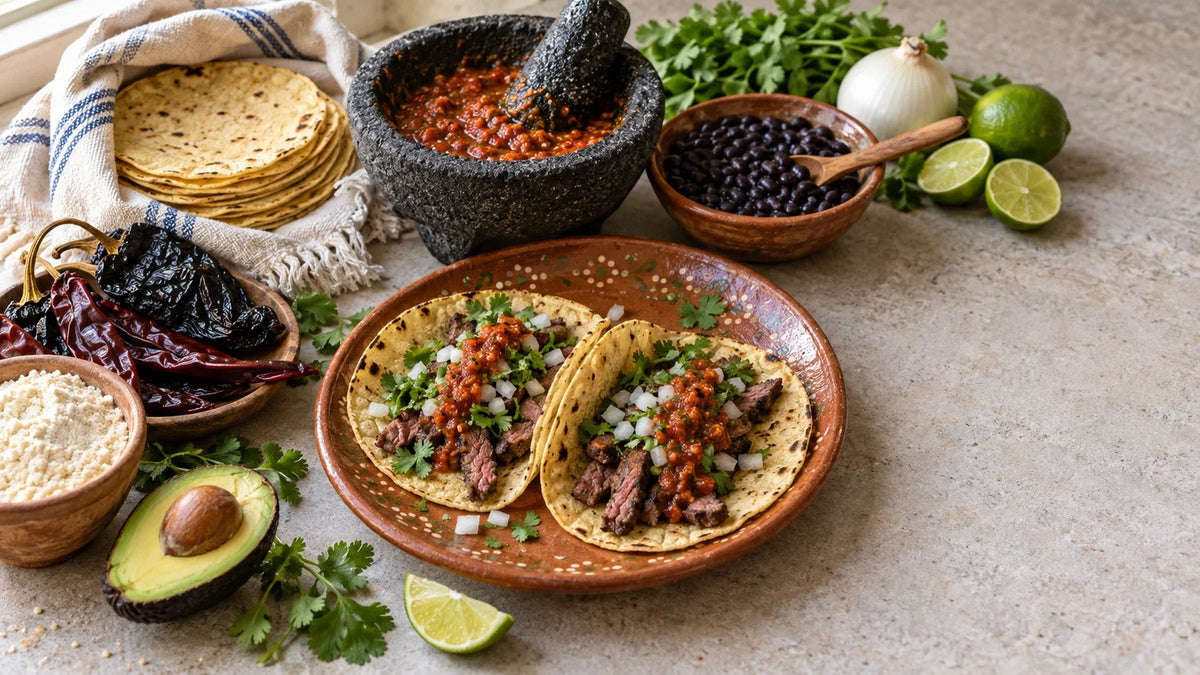
Walking past a taquería in Mexico, you first smell the corn: tortillas puffing on a hot comal, with meat sizzling on the griddle beside them. Mexican cuisine begins with that corn, with dried peppers that you roast and rehydrate, with a pot of beans gently simmering, and with a bowl of salsa that is always on the table. It is street food and family food at the same time, with recipes that vary by region and often by household. In our shop in Amsterdam, there is a large Mexican section, and in this guide you will learn what to get from it to get started yourself. These are the brands that Mexican families themselves have in their pantry, such as Maseca, La Costeña and Herdez: the same bags, cans and jars that you see in supermarkets in Mexico.
What makes Mexican cuisine so recognizable?
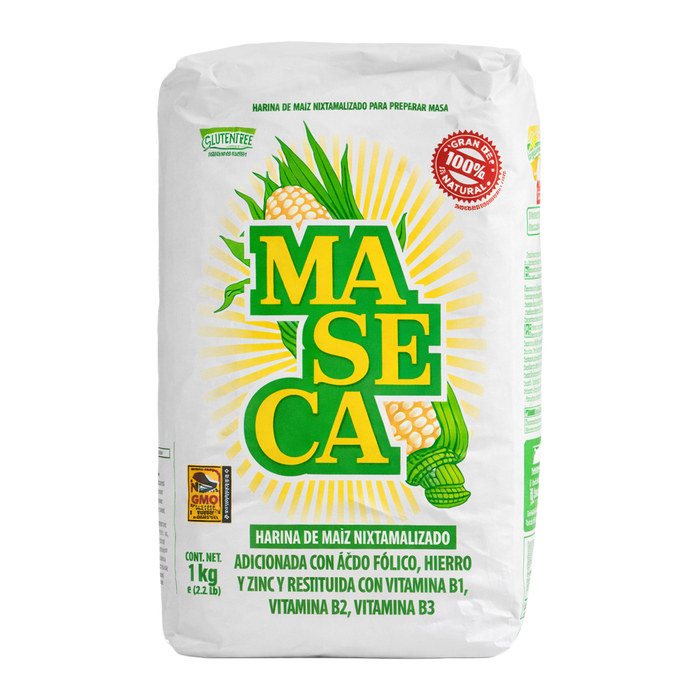
- Corn and nixtamal: corn originally comes from Mexico and has been eaten there for thousands of years. To make tortillas, you first cook the dried kernels with lime, so the hull comes off and the corn can be ground into a smooth dough: this is called nixtamalization, and the dough is called masa. Masa harina is dried and ground masa, so that you can make dough from it with just water.
- Chili, fresh and dried: fresh ones include jalapeño, serrano and poblano, and dried ones often get a new name. A dried poblano is an ancho, a smoked jalapeño is a chipotle. You use dried peppers for their smoky, fruity, or raisin-like flavor, not just their heat.
- Beans: black or pinto, straight from the can with their cooking liquid or fried into refritos, and almost always on the table.
- Salsas: from raw pico de gallo to cooked salsa roja and salsa verde made from tomatillo, a green fruit with a papery skin and a fresh, tart flavor.
- Lime and cilantro: a squeeze of lime and some chopped cilantro with white onion, and a taco is complete.
Around this revolves the play of contrasts: fatty meat against tartness, the smoke of the peppers against fresh onion, soft against crunchy. From the south comes achiote, the orange-red paste made from annatto seeds that gives meat its color and an earthy flavor, and a sprig of epazote, a herb with a strong, distinctive aroma, often goes into the southern bean pot.
How does Mexican cuisine differ by region?
Mexico is large and every region cooks differently: in Yucatán you taste achiote and habanero, in Oaxaca and Puebla much revolves around mole, and Jalisco, Michoacán and Mexico City gave rise to many of the tacos you know.
- Yucatán: on the southeastern peninsula you eat the cuisine of the Maya, with achiote, bitter orange and habanero. Cochinita pibil from Yucatán is traditionally roasted in a pit in the ground; pib is the Maya word for that oven.
- Oaxaca: known for its moles, including the almost black mole negro, and for tlayudas, large thin tortillas that are crisped on the comal.
- Puebla: this is where mole poblano comes from, the dark sauce made from dried peppers, nuts, seeds, spices and a little chocolate, as well as tinga de pollo.
- Jalisco and Michoacán: birria comes from Jalisco, once made with goat and now often with beef, and Michoacán is the home of carnitas, pork cooked in its own fat.
- Mexico City: the capital of street food, with a taquería on every corner. Tacos al pastor trace their origins back to the vertical spit brought over by Lebanese immigrants.
What is the difference between Mexican and Tex-Mex?
Tex-Mex is the cuisine that developed in Texas, with what was available there, and therefore revolves more around wheat tortillas, yellow cheese, ground beef and cumin. Hard taco shells, chili con carne and fajitas come from that tradition.
In Mexico itself, you mainly eat soft corn tortillas, fresh white cheese instead of cheddar, and much more dried peppers and fresh salsa. Both are delicious, but anyone who wants to discover the Mexican side should start with corn and a good salsa.
What products do you need for Mexican cuisine?
 Masa harina harina de maíz · Maseca whiteMix with water and salt to make tortillas
 Corn tortillas tortillas de maíz · 15 cmWarm up briefly and fill for tacos
 Ancho chile ancho · dried poblanoSmoky and slightly sweet, for sauce and mole
 Guajillo chile guajilloDeep red and fruity, for salsa roja and pozole
 Chipotle in adobo chipotles adobadosSmoked jalapeño in sauce, for tinga
 Black beans frijoles negrosWhole beans in their broth, ready to use
 Salsa verde salsa de tomatilloFresh and tart, for enchiladas and chilaquiles
 Salsa roja salsa casera · tomatoMild red table salsa for tacos and eggs
 Valentina salsa picanteThe hot sauce for chips, fruit and tacos
 Tajín chili, lime and saltOver mango, cucumber and corn
 Achiote recado rojo · annattoFor cochinita pibil and al pastor
 Tomatillo tomate verde · cannedThe base of every green salsa
Mexican oregano should also be part of it; if it is not in stock, use regular oregano, although you will miss its citrusy note. Which dried pepper to use for what, you can read about in Dried Mexican Peppers, and how to make tortillas yourself with masa harina in Tortillas and Masa. About Valentina, Cholula and the habanero sauces from Yucatán, read Mexican Hot Sauce.
View all Mexican cooking ingredients →
Which Mexican dishes should you know?
Tacos al pastor, carnitas, carne asada, cochinita pibil, tinga de pollo, birria, barbacoa and pozole are the Mexican dishes you will encounter first, and with the recipes below you can make them all at home.
If you prefer to start small, first make a salsa roja, salsa verde or pico de gallo and serve with guacamole. For breakfast, there are chilaquiles verdes, tortilla chips in green salsa with a fried egg, and frijoles de la olla go well with almost everything. You can also make do without meat, with quesadillas with flor de calabaza and huitlacoche, rajas con crema or enchiladas verdes in tomatillo sauce. If you are short on time, there are ready-made fillings such as Itacate Tacos al Pastor and Itacate Cochinita Pibil that only need to be heated up.
What almost all Mexican dishes have in common is that the tortilla is served warm. Heat corn tortillas one by one in a dry, hot pan or on a comal until they have soft brown spots and puff up a little, then stack them together in a clean tea towel so they stay warm and pliable until everyone is at the table.
Where can you find Mexican products by category?
You can find Mexican products from us by category, from tortillas and masa harina to dried peppers, salsas, beans and chili candy. Choose below where you want to look further.
Tortillas and masa tortillas · masa harinaCorn tortillas and MasecaShop nowDried peppers chiles secosAncho, guajillo, pasilla, chipotle and árbolShop nowSalsa and hot sauce salsas · hot sauceSalsas in jars and table salsasShop now Spices and blends spicesCumin, chili powder and spice blendsShop now
 Beans frijolesBlack, pinto and refriedShop nowCooking ingredients ingredientsTomatillo, nopales, chipotle and moleShop now
 Ready-made comida listaTaco fillings and tamalesShop now
 Candy and snacks dulces · botanasTamarindo with chili, chamoy and chipsShop now
Read more about Mexican cuisine
Not sure where to start? Stock up on a pack of corn tortillas, a can of chipotles in adobo, a jar of salsa verde, and a bottle of Valentina, because with those and some chicken thighs, you can serve tinga de pollo and have your first taco night.
De Mexicaanse basis voor je voorraadkast
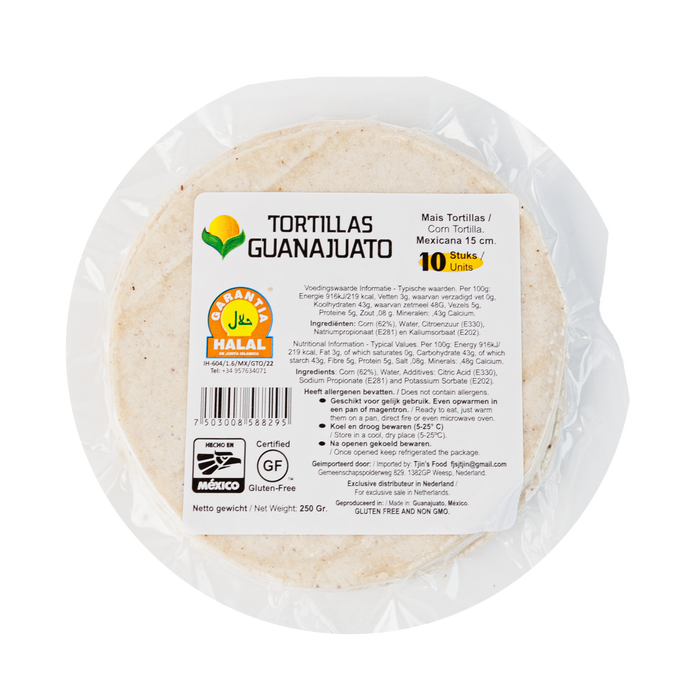
Guanajuato Tortillas White Corn Tortillas 15cm
View product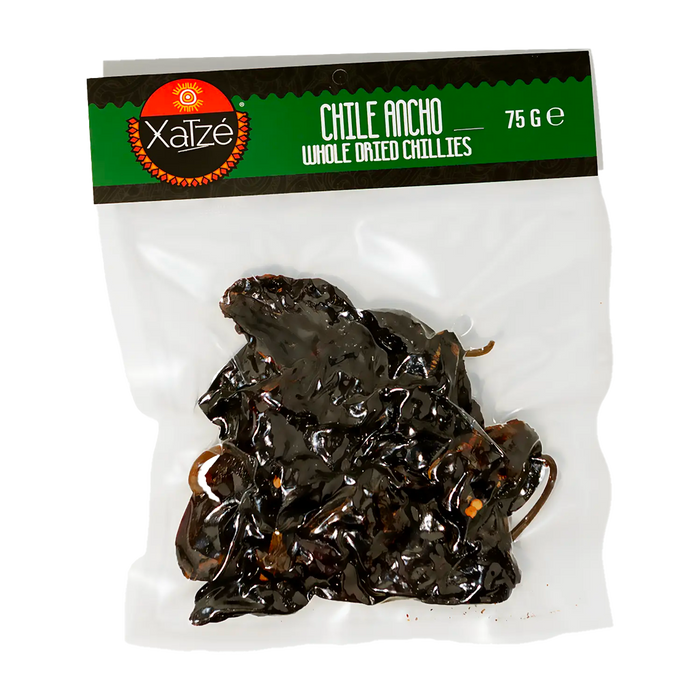
Xatze Chile Ancho
View product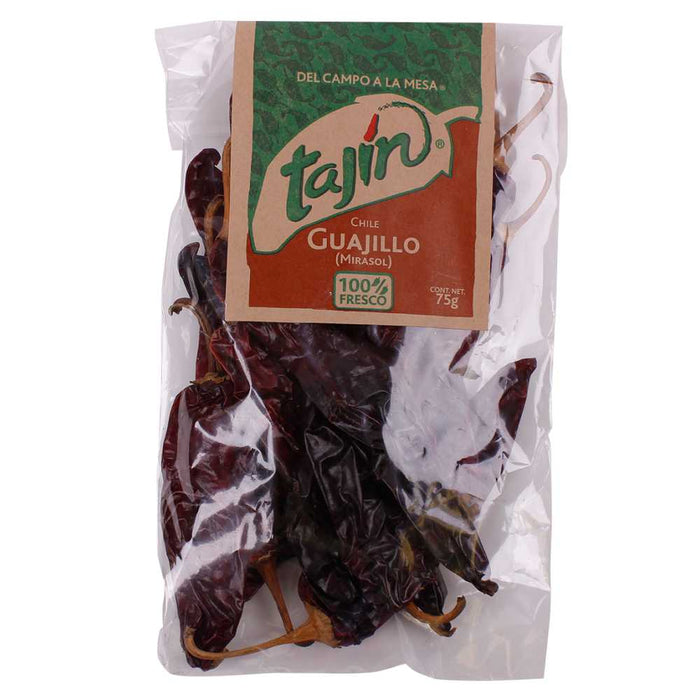
Tajin Chile Guajillo
View product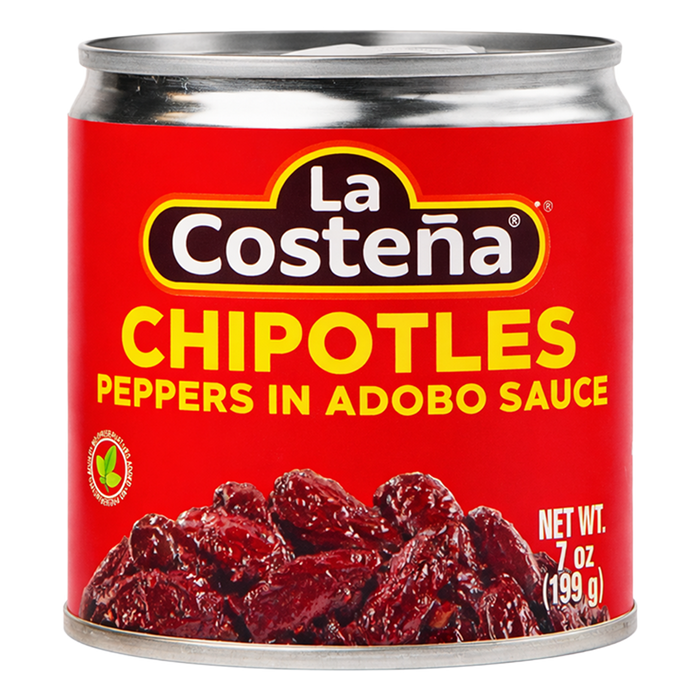
La Costena Chipotle Peppers
View product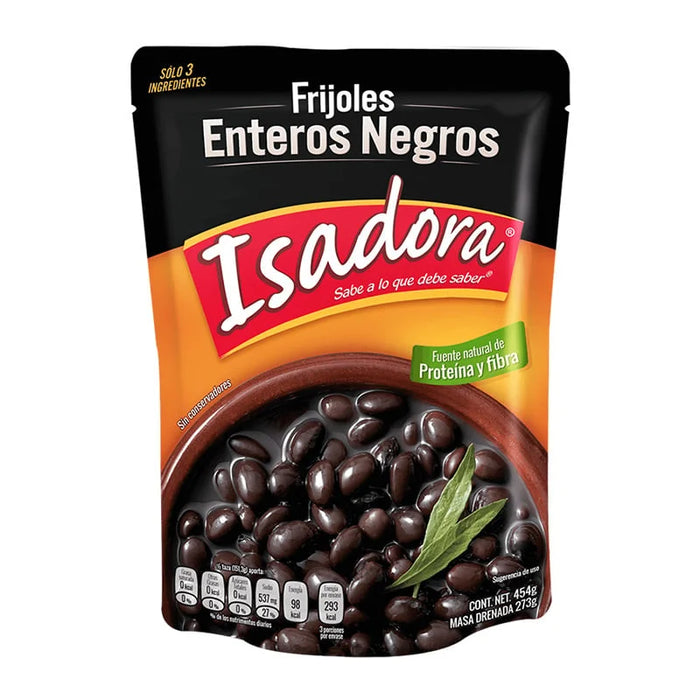
Isadora Frijoles Enteros Negros
View product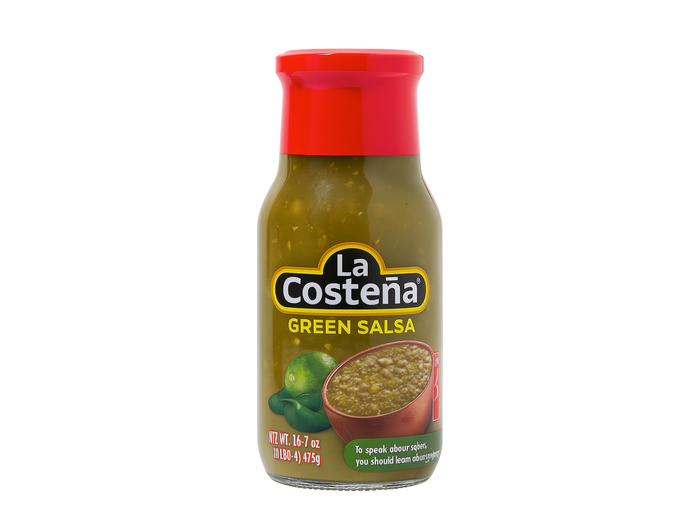
La Costena Salsa Verde
View product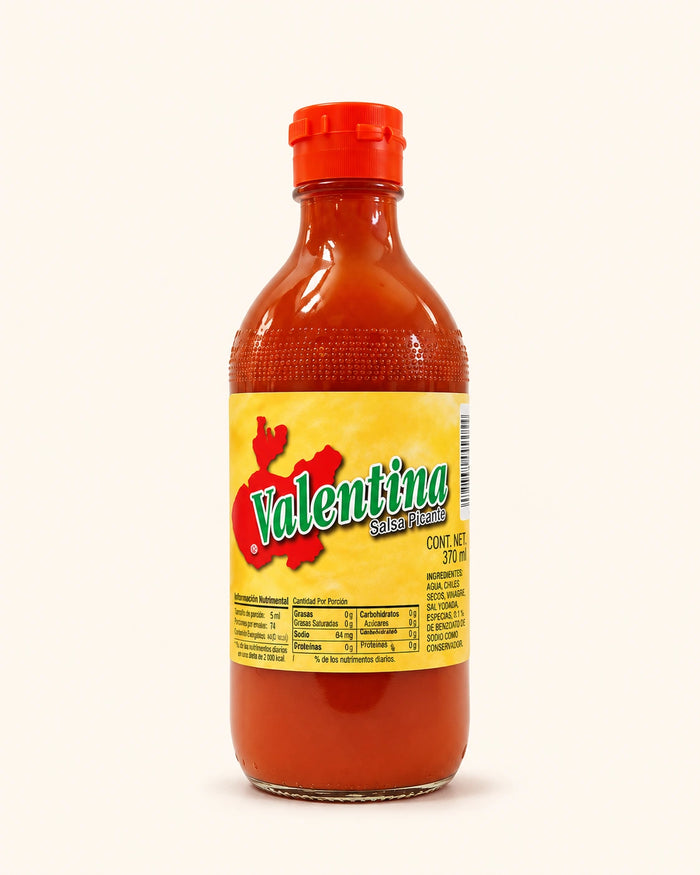
Tamazula Salsa Valentina
View product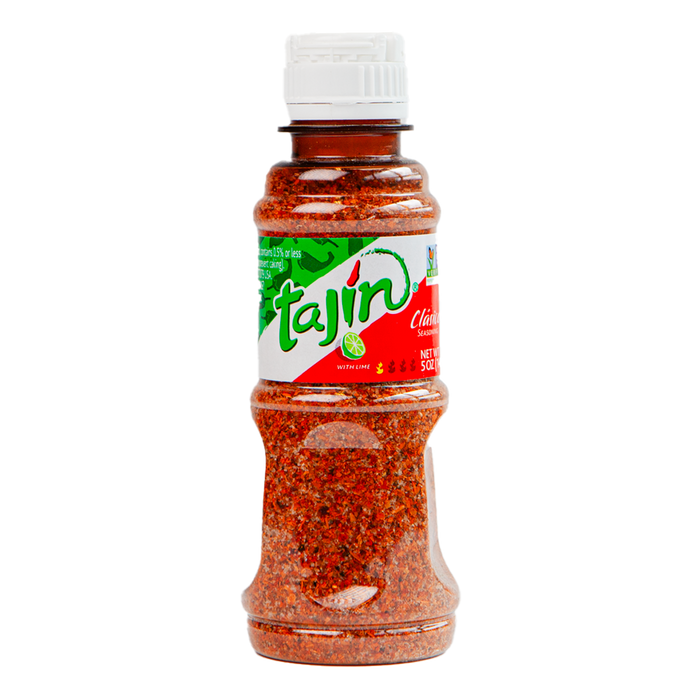
Tajin Clasico Seasoning
View productEverything for Mexican cuisine
From tortillas and dried peppers to salsa, beans, and Tajín, all together on one page.
Frequently asked questions
Is Mexican food always spicy?
No. Carnitas, frijoles de la olla, and quesadillas are mild on their own, and most of the heat comes from the salsa or hot sauce you add yourself. Ancho and guajillo peppers mainly add flavor and color, with little heat.
What is the difference between Mexican and Tex-Mex?
Tex-Mex originated in Texas and focuses more on flour tortillas, yellow cheese, ground beef, and cumin. In Mexico, you mainly eat soft corn tortillas, fresh cheese, dried peppers, and fresh salsa.
What is masa harina?
Masa harina is dried and ground dough from corn that was first cooked with lime. With water and a pinch of salt, you can make tortillas from it, but that won't work with regular cornmeal or cornstarch; read more in Tortillas and masa.
Which tortilla do you use for tacos?
Soft corn tortillas, briefly warmed in a dry pan. Guanajuato white corn tortillas of 15 cm are a good size for that.
What is chipotle in adobo?
Smoked, dried jalapeños in a sauce of tomato, vinegar, and spices. You use the peppers and the sauce together, for example in tinga de pollo.
What is the difference between salsa verde and salsa roja?
Salsa verde is made from tomatillos with green pepper, onion, and cilantro, and is fresh and tart. Salsa roja is made from tomato or dried red peppers such as guajillo and ancho, and is fuller and smokier.
What do you drink with Mexican food?
Often an agua fresca, such as horchata made from rice and cinnamon or agua de jamaica made from hibiscus, or a bottle of Jarritos.
How do you store dried peppers?
Follow what is on the label. Store them dry, in the dark, and tightly sealed, then they will stay flexible and retain their aroma.
The best way to get to know Mexican cuisine is simply to start, with a pack of tortillas, a few dried peppers, and a jar of salsa, and after cooking a few times you will naturally notice that you toast the peppers by scent, that there is always a lime in the house, and that you no longer serve tortillas cold at the table. If you are in the toko in Amsterdam in front of the Mexican shelf and do not know which pepper or which salsa you need, feel free to ask us, because we are happy to help you think it through. All the recipes are together in our Mexican recipes, and the entire selection can be found in Mexican cuisine.

