


Thai herbs: lemongrass, galangal and kaffir lime leaf
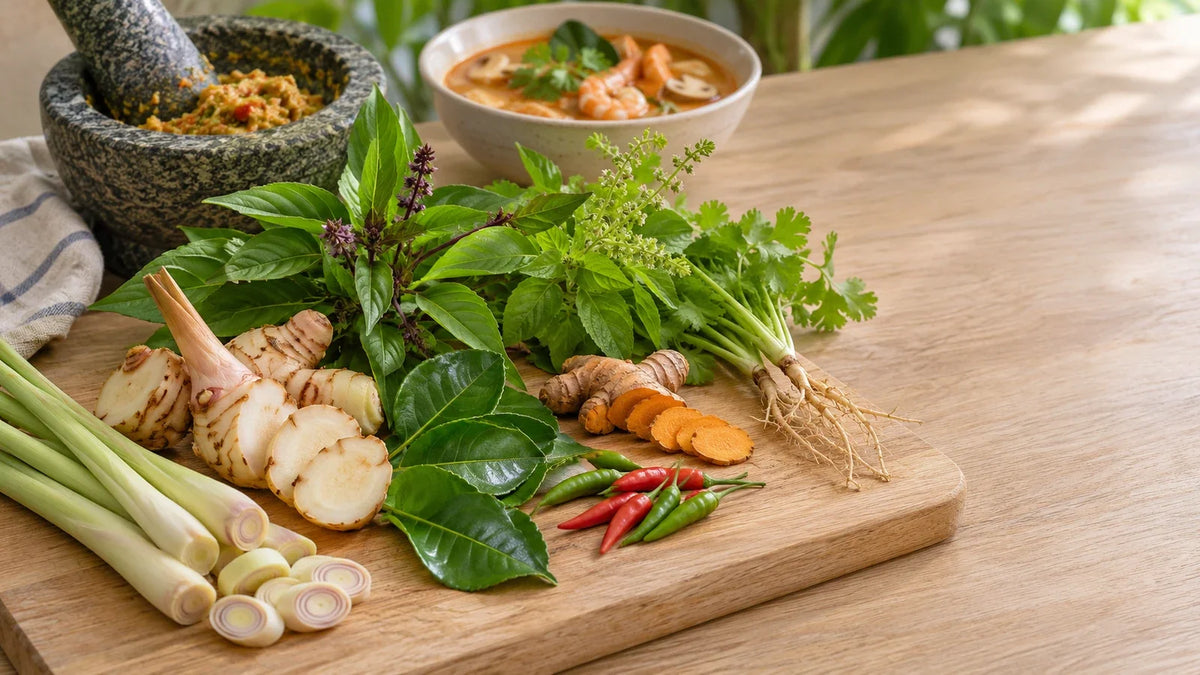
When you put a pan of tom yum on the stove, you smell what Thai cuisine is all about within minutes: lemongrass, galangal and kaffir lime leaves together sending a fresh, almost floral scent through the house. Thai herbs are not a garnish you sprinkle on at the last minute, they form the base of the broth, the curry paste and the stir-fry. That is why a simple bowl of soup quickly tastes like street food from Bangkok. In our toko in Amsterdam, people often ask what exactly they need and if dried also works, so we list that here per herb. If you want to see the bigger picture first, start with Thai cuisine 101.
What is lemongrass (sereh) and how do you use it?
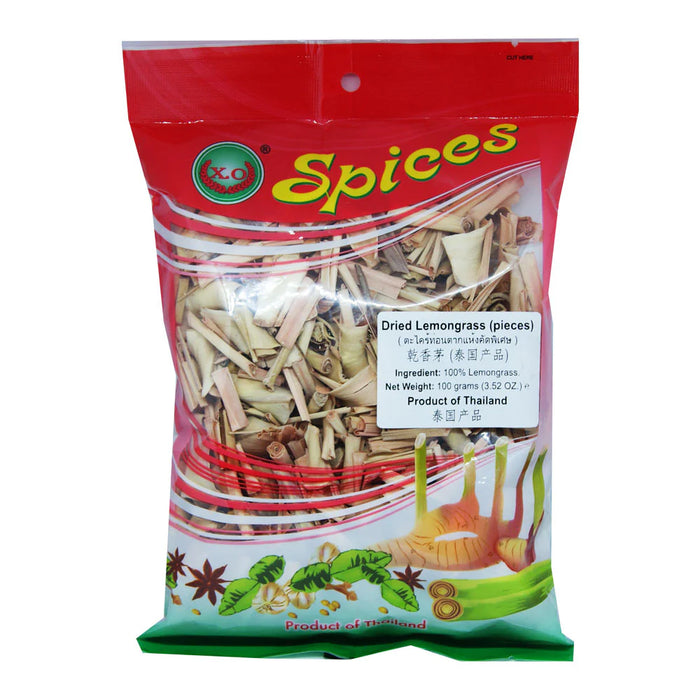
 X.O. lemongrass dried · 100 gPieces to pull through in soup and broth
 Valcom lemongrass Thai brand · 100 gFor soups, curries and tea
 Ground sereh takrai · 90 gFine powder for marinades and spice pastes
 Ground sereh value pack · 250 gFor those who cook a lot with sereh
You just let dried pieces steep in the broth and fish them out before serving, because just like fresh lemongrass they are too woody to eat. Ground sereh works well where it can dissolve, such as in a marinade for chicken thigh fillet or in a homemade spice paste.
What is galangal (laos) and is it the same as ginger?
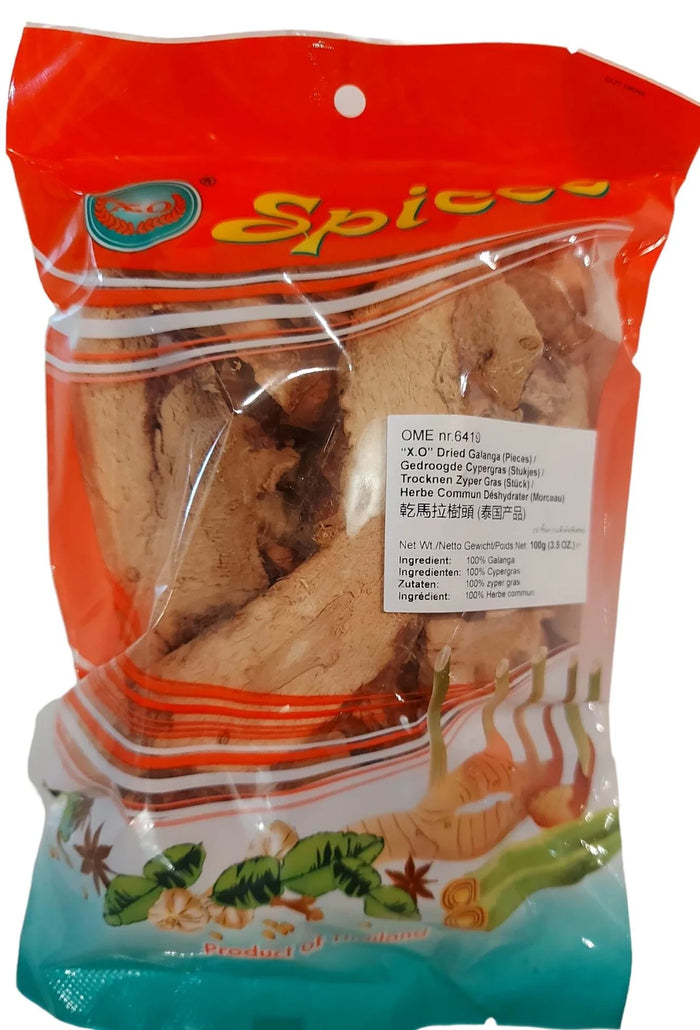
Fresh galangal is a lot harder than ginger, so you cut it into thin slices that you let cook along and do not eat. Dried slices need a bit more time to give their flavor, so put them in the pan from the beginning and let them slowly steep while the broth gently boils.
How do you use kaffir lime leaves (djeroek poeroet)?
 Erawan kaffir leaf makrut · dried · 26 gConvenient bag for soup and curry
 Valcom kaffir leaf djeroek poeroet · 100 gLarger package for tom yum and curries
Dried leaf is less intense than fresh, so feel free to take a few more and let it steep a bit longer. For the thin strips in a panang or on a salad, fresh leaf from the toko is best, because dried leaf remains a bit tough.
What is the difference between Thai basil and holy basil?
 Thai basil horapa · dried · 50 gAnise-like, for green and red curry
 Holy basil krapow · dried · 50 gPeppery, for pad krapow
 Lobo krapow paste stir-fry paste · 50 gBag for pad krapow with chicken or minced meat
 Valcom basil paste stir-fry paste · 90 gFor stir-fry dishes with rice or noodles
 X.O. chili paste krapow with holy basil · 200 gSpicy base from a jar
Fresh basil you always put in the pan at the very last moment, because the leaf wilts in a few seconds and loses its scent if it cooks along too long. Dried leaf is less pronounced, so you stir that through the sauce a bit earlier, so it can steep a bit and give its flavor.
Which coriander do you use in Thai cuisine?
Which Thai peppers do you use?
 Long red chili dried whole · 100 gSoak and grind for curry paste
 Crushed chili chili flakes · 100 gSprinkle over noodles at the table
 Chili powder ground · 100 gFor dressings and dipping sauces
 Pickled red chili in vinegar · 227 gSour and spicy, served with noodle soup
Why are shallots and garlic in almost every Thai dish?
 Fried garlic kratiam · 100 gCrispy topping for rice, soup and noodles
 Fried shallots hom daeng · 100 gSweet and crispy as a topping
 Pickled garlic sour · 454 gServe with rice dishes
Thai herbs, fresh, dried or as a paste: which should you choose?
Not sure where to start? Keep dried lemongrass, dried galangal and a sachet of kaffir lime leaves on hand, as they're all you need to make tom yum or tom kha gai; if you're short on time, use tom yum or tom kha paste and add just a few fresh herbs from an Asian grocery store.
Thaise kruiden voor in de kast
X.O. XO Galangal Root
View product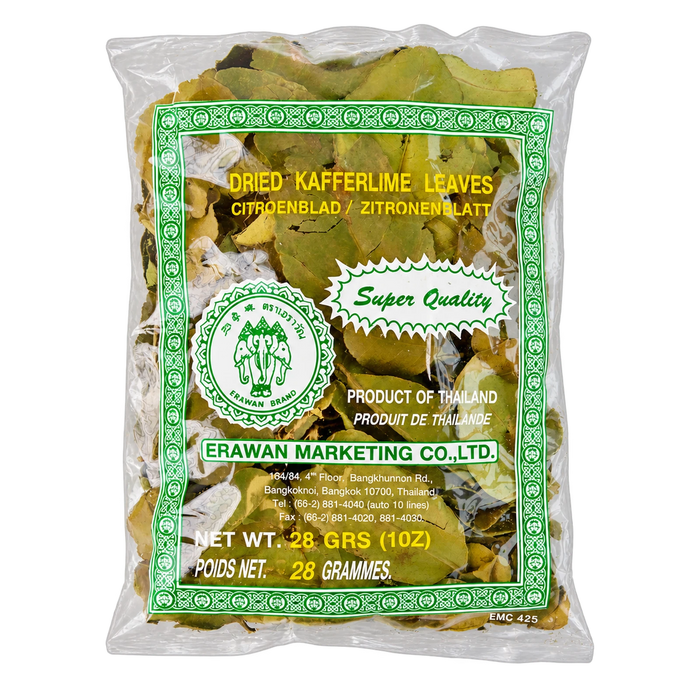
Erawan Dried Kaffir Lime Leaf
View product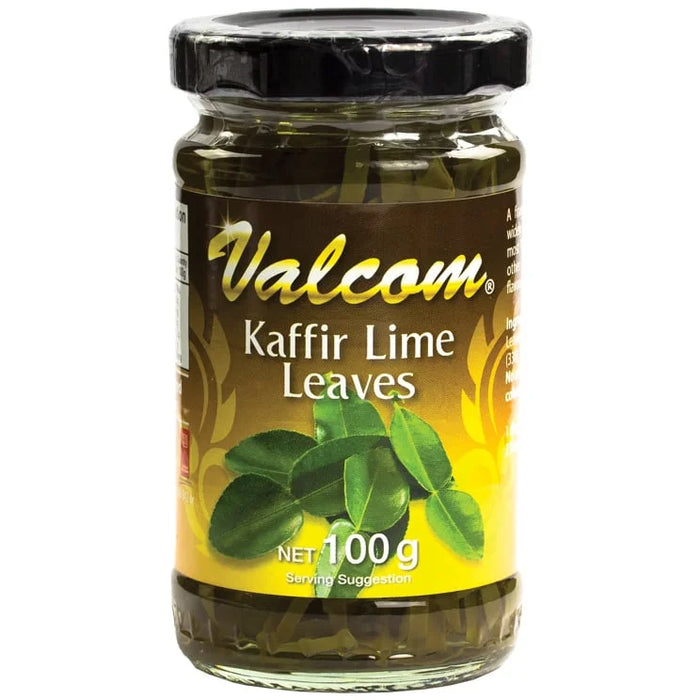
Valcom Kaffir Lime Leaves
View product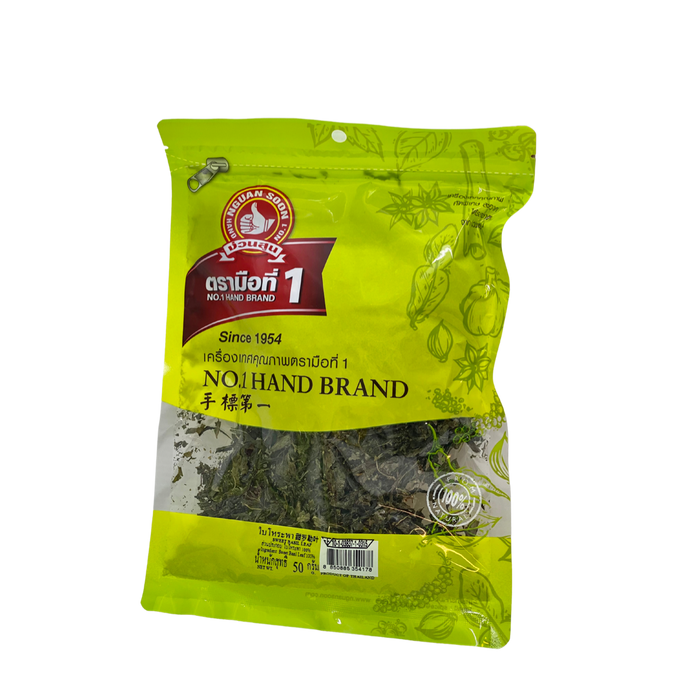
Nguan Soon Dried Sweet Basil Leaf
View product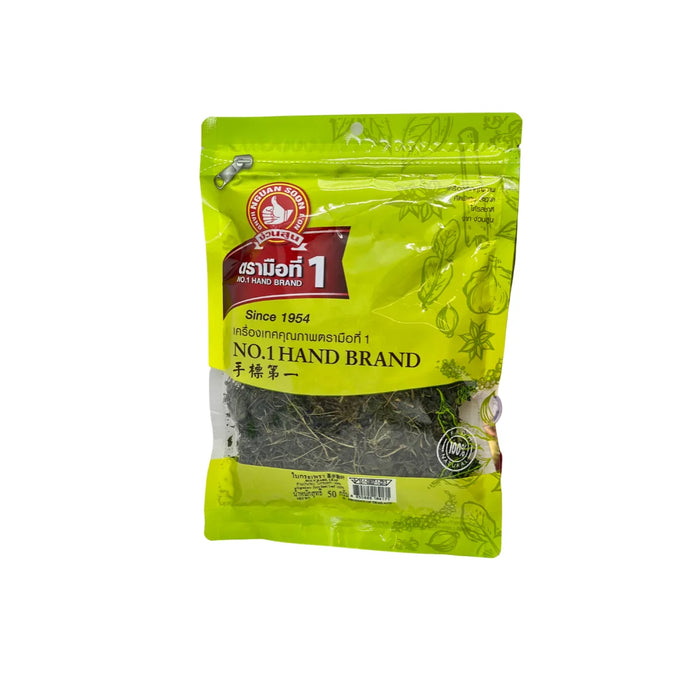
Nguan Soon Dried Holy Basil Leaf
View product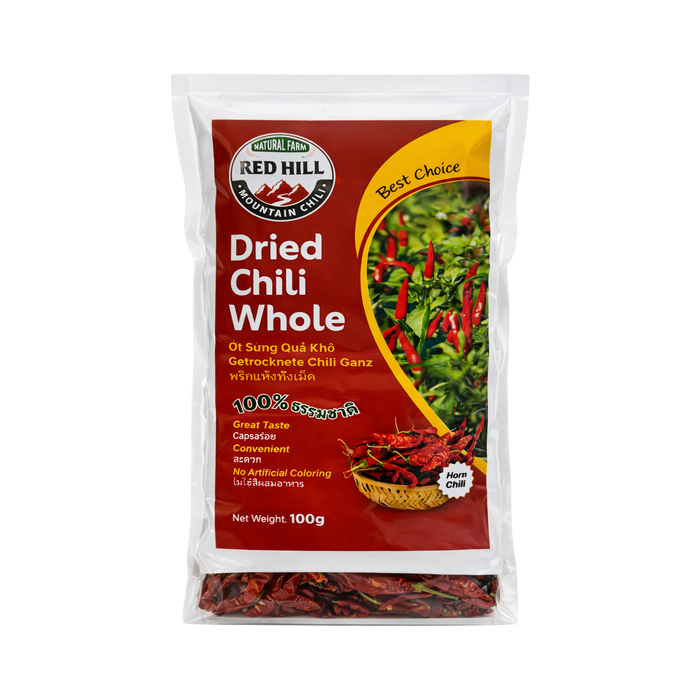
Red Hill Dried Horn Chili Whole
View product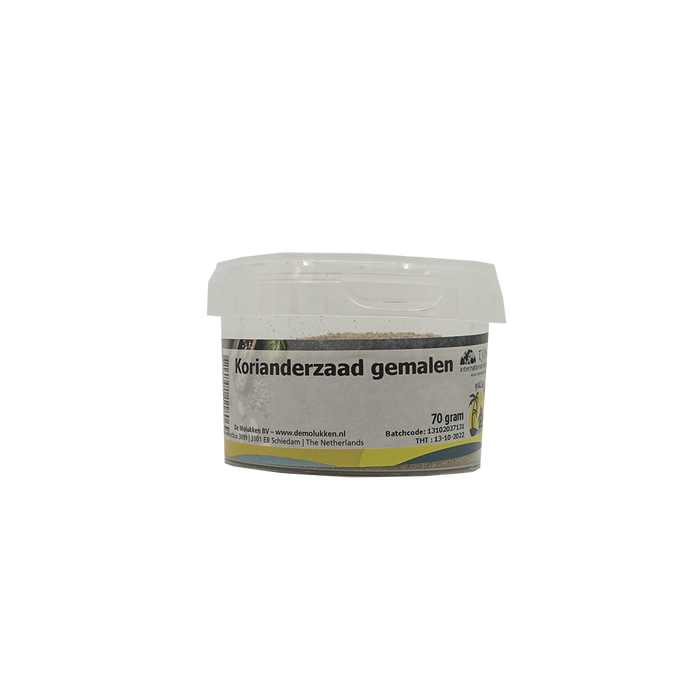
Coriander Seed Ground
View productFor soups and stir-fries, there are pastes and kits that do the work for you, from tom kha to krapow. Taste before adding fish sauce, as they're often already salty.
Kruidenpasta's voor soep en wok
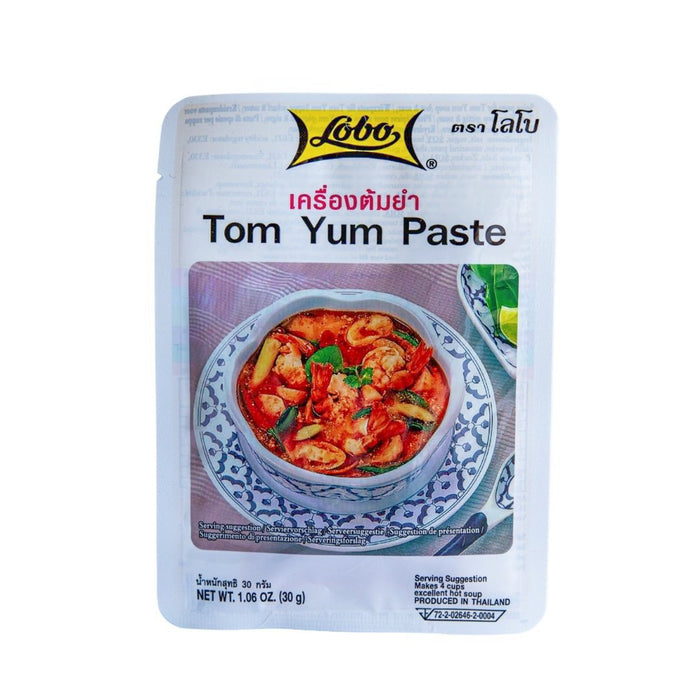
Lobo Tom Yum Paste
View product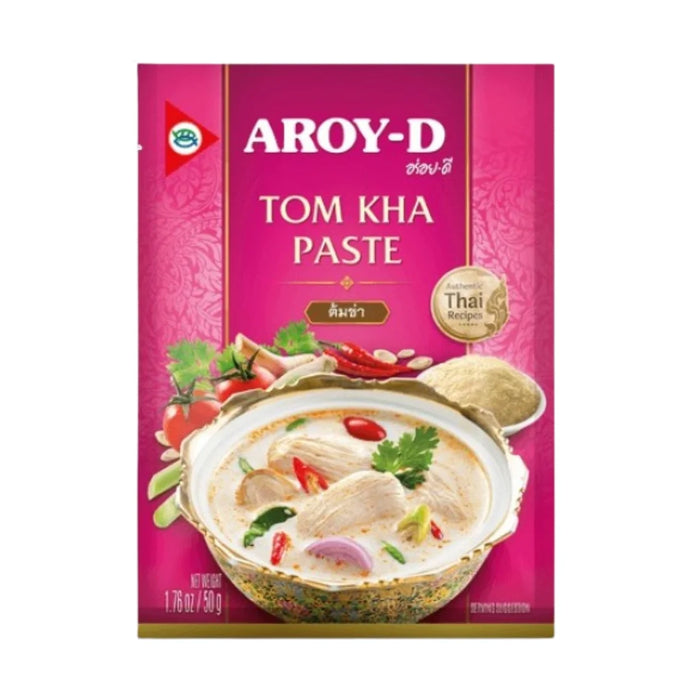
Aroy-D Tom Kha Paste
View product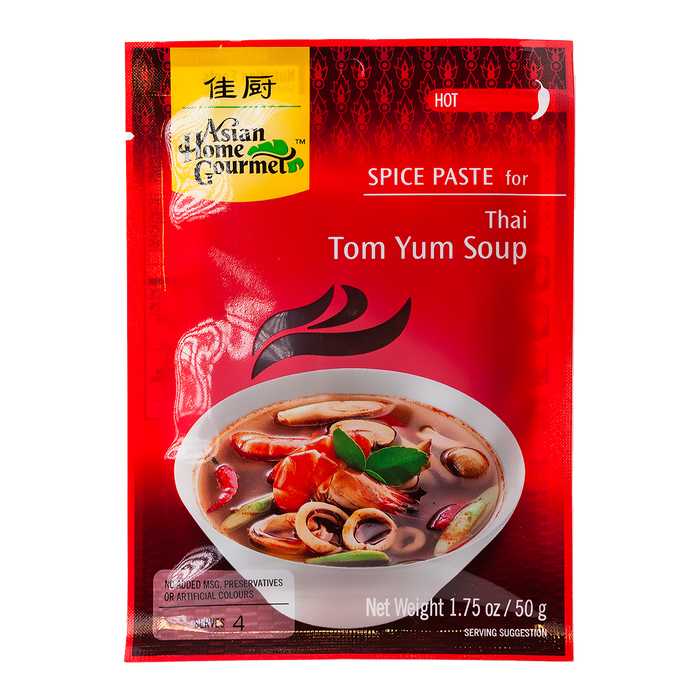
Asian Home Gourmet Tom Yum Soup
View product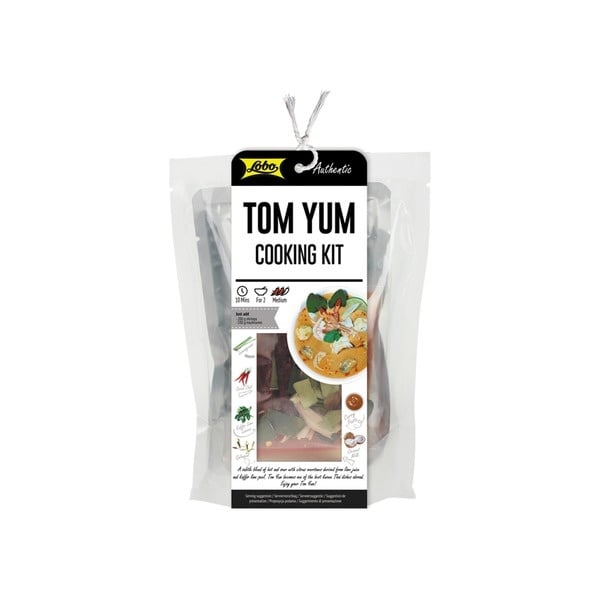
Lobo Tom Yum Cooking Kit
View product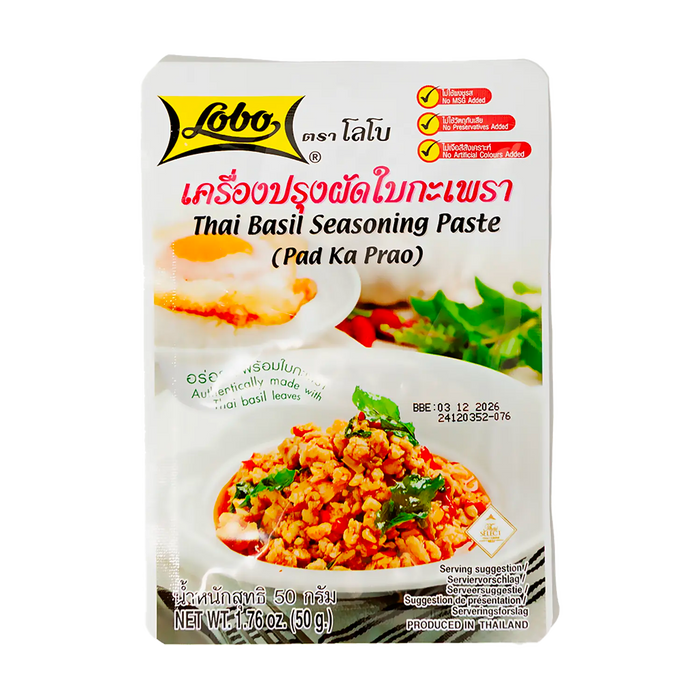
Lobo Holy Basil Seasoning Paste
View product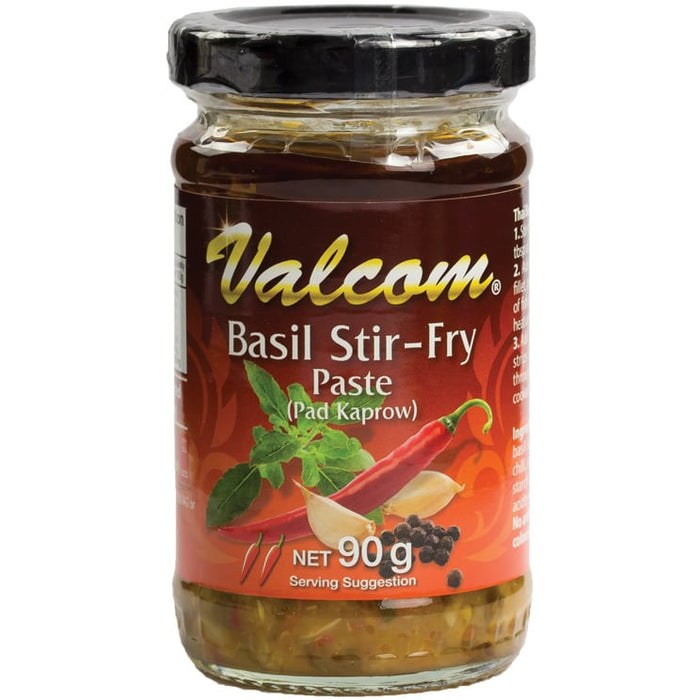
Valcom Thai Basil stir-fry pasta
View product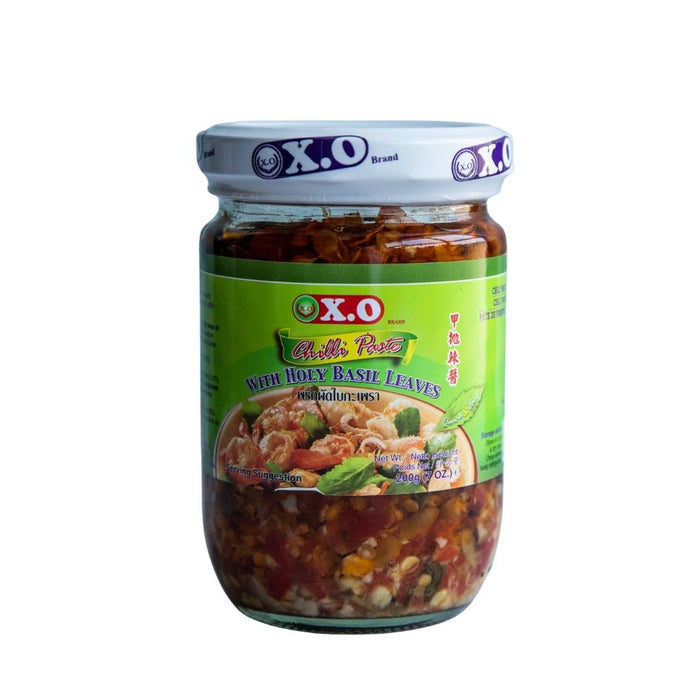
X.O. Chilli Paste with Holy Basil Leaves
View productThai herbs takrai · kha · makrutDried, ground and in paste formShop now Thai curry green · red · panangCurry pastes from Mae Ploy, Cock Brand and moreShop now
 Thai sauces nam pla · oyster sauceFish sauce, chili sauce and seasoningsShop now
 Coconut milk for curry and tom khaCoconut milk and coconut creamShop now
Read Thai curry explained to find out which paste goes with which curry, and see Thai sauces to learn which fish sauce and other bottles to keep alongside your herbs.
Recipes with Thai herbs
These four dishes showcase the herbs at their best, from a clear soup to a quick stir-fry.


All Thai herbs in one place
Dried lemongrass, galangal, kaffir lime leaves, basil, chilies and herb pastes.
Frequently asked questions
Is sereh the same as lemongrass?
Yes, sereh is the Indonesian name for lemongrass and the name commonly used in the Netherlands. In Thai, it's called takrai.
Can I substitute ginger for galangal?
It's best not to, as galangal is sharper and more peppery and lacks ginger's sweet warmth. You'll notice the difference immediately in tom kha gai.
Is laos the same as galangal?
Yes, laos is the Dutch and Indonesian name for galangal. In Thai, it's called kha.
Are kaffir lime leaves the same as djeroek poeroet?
Yes, they're the same leaves from the kaffir lime, known as makrut in Thailand. You can recognize them by their double-lobed shape.
Do you eat the pieces of lemongrass and galangal in tom yum?
No, they're too tough and woody to eat. They flavor the broth, and you leave them at the edge of your bowl.
What's the difference between horapa and krapow?
Horapa is Thai basil with a sweet anise flavour, used in curries. Krapow is holy basil, pepperier, and belongs in pad krapow.
Where can I buy fresh Thai herbs?
We don't sell fresh herbs online, but you can find them at our shop in Amsterdam. Online, we offer dried and ground herbs and herb pastes.
How do you store dried Thai herbs?
Keep them dry and well sealed, away from light. The shelf life is indicated on the label.
With a few packets of dried herbs in the cupboard and an occasional bunch of fresh lemongrass or basil from the shop, you can make a pan of tom yum or green curry on any ordinary Tuesday evening that smells just as it should, fresh and aromatic and a little spicy. Taste as you go, add the sour and salt in small amounts, and discover which herbs you prefer to let dominate, because even in Thailand everyone cooks a little differently. If you come to the shop in Amsterdam and don't know which leaf is which, feel free to ask us, and if you want to see how all those herbs come together to form a cuisine, read on in Thai cuisine 101.

