


Thai sauces: which bottle do you use for what?
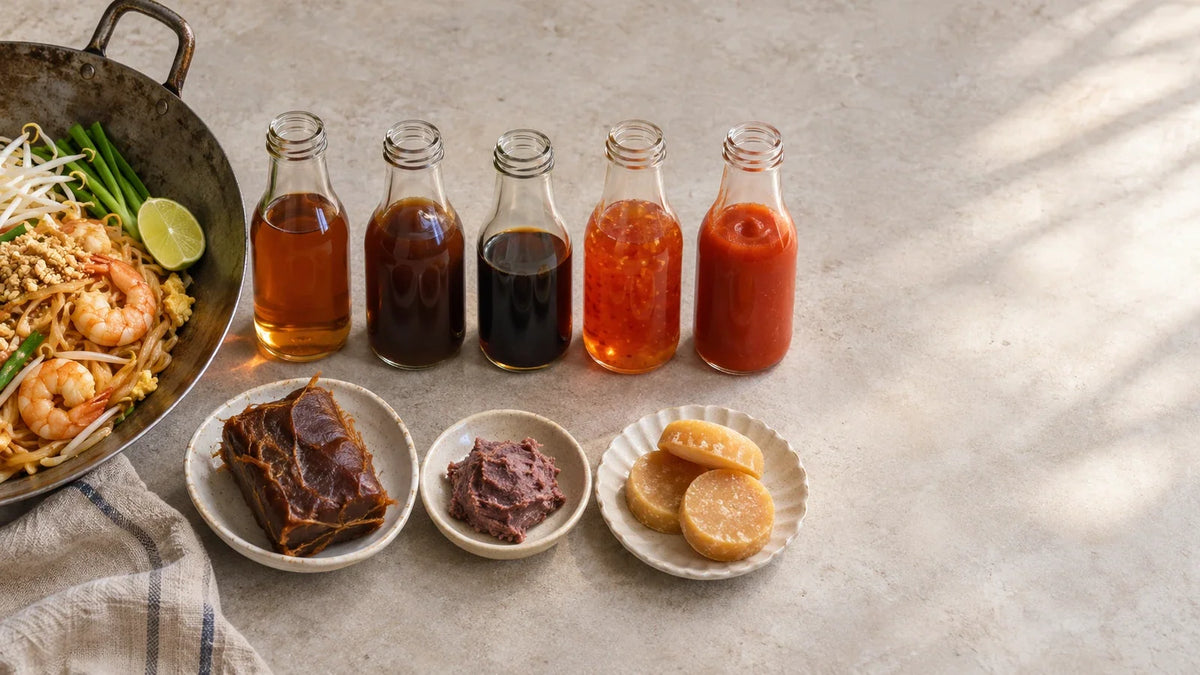
Thai cooking is all about tasting and adjusting. Almost every street food stall in Thailand has a rack of fish sauce with sliced chilies, sugar, chili flakes and vinegar, so you can make your bowl of noodles exactly the way you like it. It works the same way at home: with a handful of bottles and jars in the cupboard, you can balance a dish between salty, sour, sweet and spicy. In our shop in Amsterdam, there is a long row of Thai sauces, and with all those Thai labels, it is not always clear which one to pick. Here you can read what each sauce is used for and which brands we have: Thai bottles of fish sauce, oyster sauce and soy sauce from Squid, Maekrua and Dek Som Boon, just like they are in the supermarket in Thailand. If you want to see the bigger picture first, start with Thai cuisine 101.
Which Thai sauces do you need?
For most Thai dishes, you need fish sauce, oyster sauce, light and dark soy sauce and palm sugar; with tamarinde, sweet chili sauce and sriracha you can make almost any recipe. Fish sauce provides saltiness, tamarinde and lime provide sourness, palm sugar brings the sweetness and chilies or sriracha provide the heat. Oyster sauce and soy sauce add depth and color to everything that comes out of the wok. Shrimp paste works more in the background, in curry pastes and dipping sauces.
Thai fish sauce (nam pla): what do you use it for?
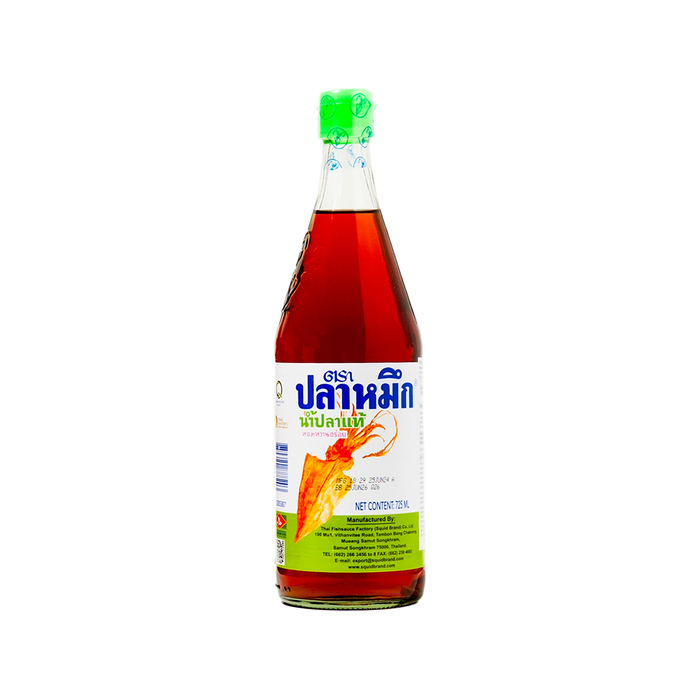
 Squid Brand anchovies and salt · 725 mlAlso in 60 ml, 300 ml and 4.5 liters
 Tiparos Thai brand · 700 mlAlso in 200 and 300 ml
 Megachef Premium Thai brand · 500 mlPremium fish sauce, also in 200 ml
 Zab Mike for som tam · 350 mlFermented fish with rice bran, for papaya salad
 Nature's Charm vegan · 200 mlFish-free, for those who cook plant-based
Thai oyster sauce: when do you use it?
 Maekrua Thai brand · 600 mlAlso in a small 150 ml bottle
 Megachef Premium Thai brand · 600 gMade with broth from real oysters
 Dek Som Boon Healthy Boy · 850 gLarge bottle for those who wok often
 Dek Som Boon gluten-free 350 gOyster sauce without gluten
 Megachef vegan shiitake · 230 gPlant-based oyster sauce made from smoked shiitake
Thai soy sauce: light, dark or sweet?
 Thin soy sauce thin soy · 700 mlThin and salty, for khao pad and everyday dishes
 Black soy sauce black soy · 700 mlThick and sweet, for colour in pad see ew
 Sweet soy sauce sweet soy · 700 mlSyrupy and sweet, for shine and as a dip
 Golden Mountain seasoning sauce · 200 mlSeasoned soy sauce for stir-frying and fried egg
 Megachef gluten-free 500 mlThin gluten-free soy sauce, also in 200 ml
Sweet chilli sauce (nam jim kai): what is it for?
 Mae Ploy 285 mlSweet with a gentle kick; also in 730 ml
 Cock Brand for chicken · 180 mlAlso in a large 800 g bottle
 Pantai for chicken · 200 mlWith chicken, fish and seafood; also in 730 ml
 Thai Dancer coriander and lime · 300 mlFresher version for fish and salads
Sriracha: which Thai chilli sauce should you choose?
 Sriraja Panich Thai · 520 mlThin and sweet and sour, no MSG
 Flying Goose 455 mlThicker and fuller; also in 200 ml
 Flying Goose without MSG 200 mlThe same sauce without MSG; also in 455 ml
Tamarinde: where does the sourness in pad thai come from?
 Erawan block with seeds · 454 gSoak in hot water and strain
 X.O. seedless block without seedsLess work, just dissolve
 Garden Queen concentrate · 227 gFrom the jar, ready to use
Shrimp paste (kapi): what do you do with it?
What do you use palm sugar for?
 Cock Brand Thai palm sugar · 300 gSoft caramel flavour for curry and sauce
 X.O. light 500 gLight palm sugar with a mild flavour
 X.O. paste 270 gSoft, scoopable straight from the jar
 X.O. syrup 250 gDissolves instantly, ideal for dressings
Which Thai sauce to use for which dish?
Most Thai dishes combine two or three sauces. Pad thai requires tamarinde, fish sauce and sugar. Pad see ew is all about dark and light soy sauce with oyster sauce and a little palm sugar. Make pad krapow with oyster sauce and fish sauce, and for khao pad, mix light soy sauce with fish sauce and palm sugar. Season curries with fish sauce and palm sugar, and a soup like tom yum with fish sauce and lime juice. Serve sweet chilli sauce and sriracha on the table so everyone can choose how spicy they want it.
Not sure where to start? Get a bottle of fish sauce, a bottle of light soy sauce, oyster sauce and some palm sugar, because with those you can make khao pad, pad krapow and most curries; tamarinde and dark soy sauce come next as soon as you fancy pad thai or pad see ew.
De Thaise sauzen voor je voorraadkast
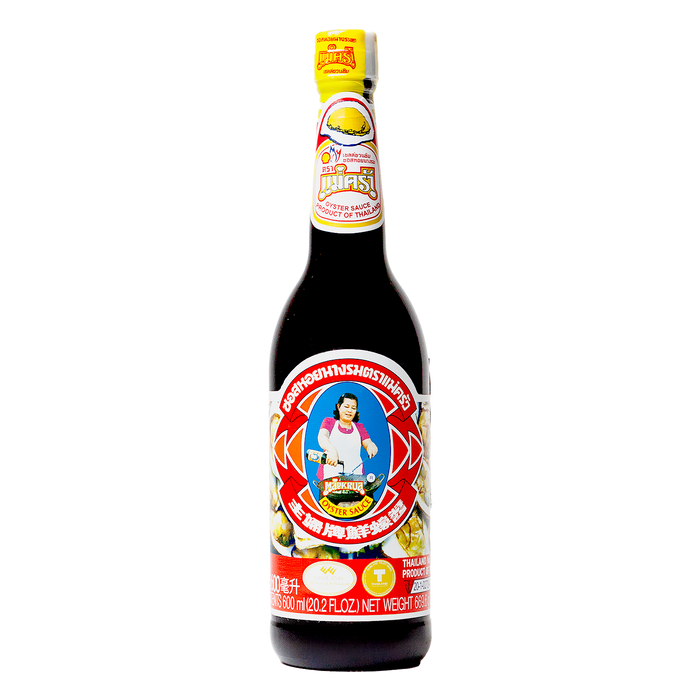
Maekrua Maekua Oyster Sauce
View product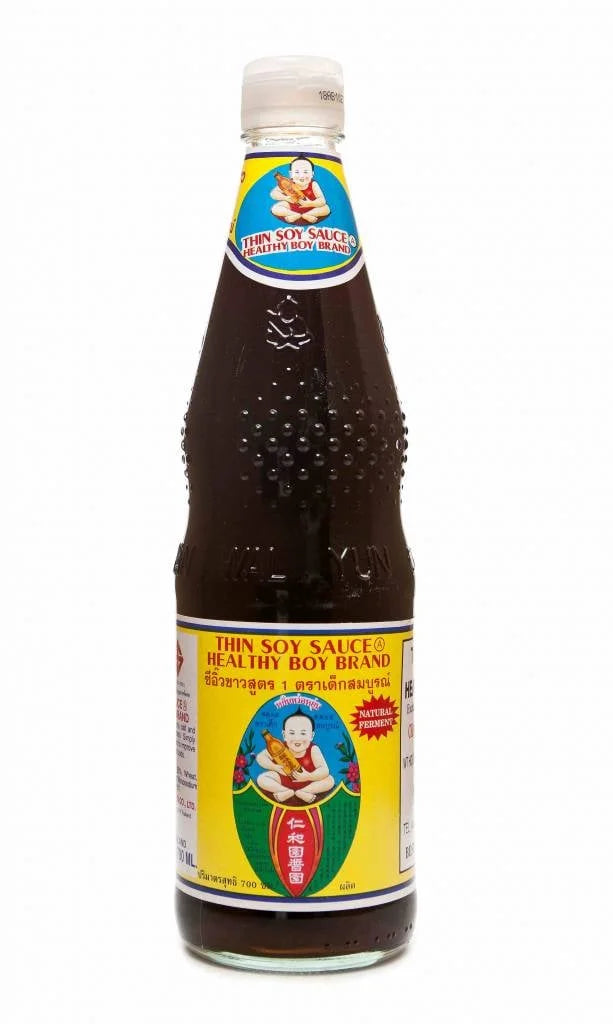
Dek Som Boon Thin Soy Sauce
View product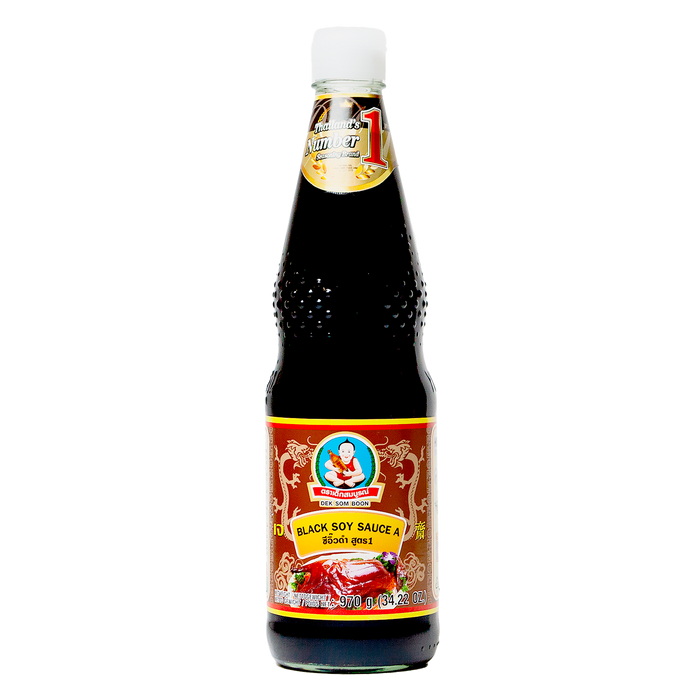
Dek Som Boon Black Soy Sauce
View product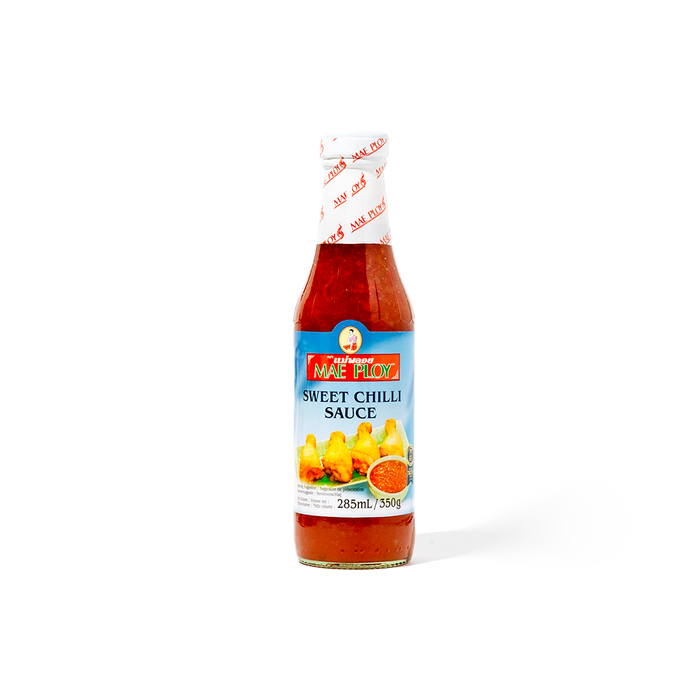
Mae Ploy Sweet Chilli Sauce
View product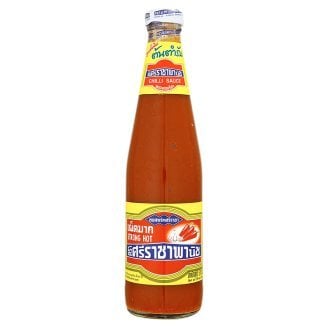
Sriraja Panich
View product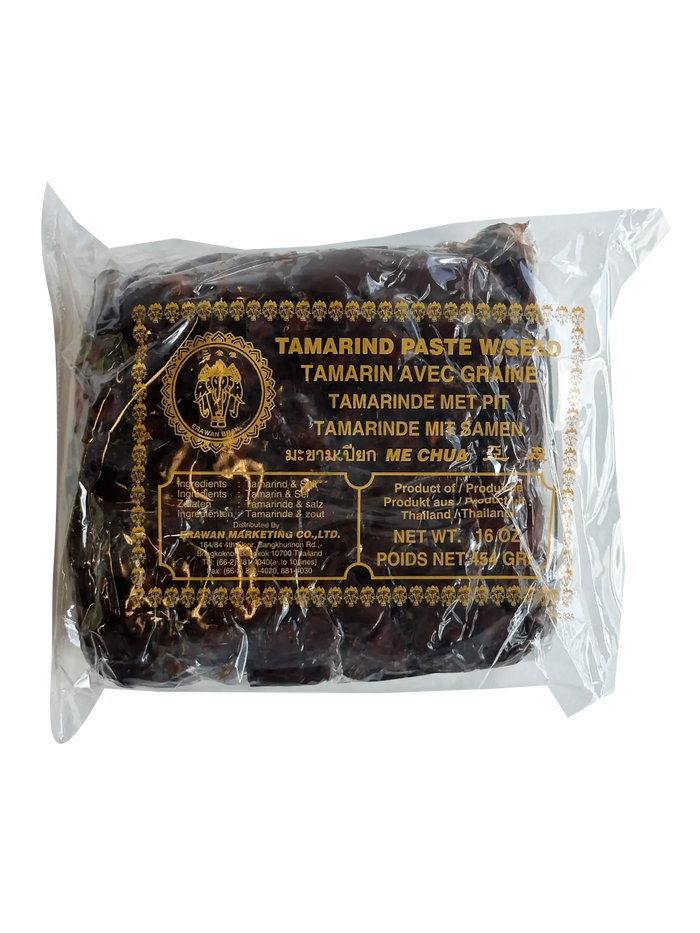
Erawan Tamarind Paste with Seed
View product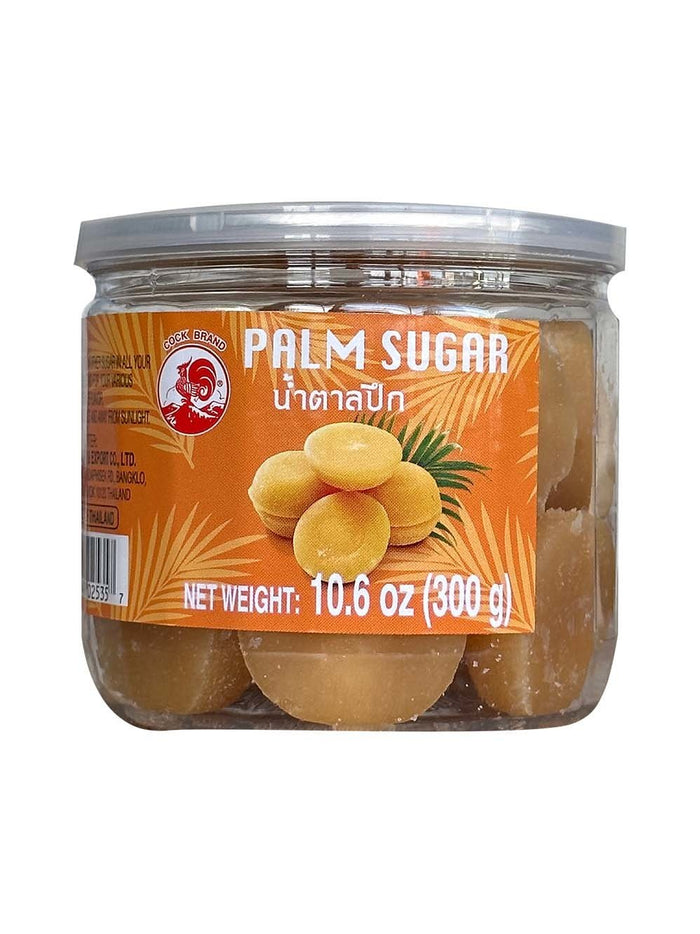
Cock Brand Palm Sugar
View product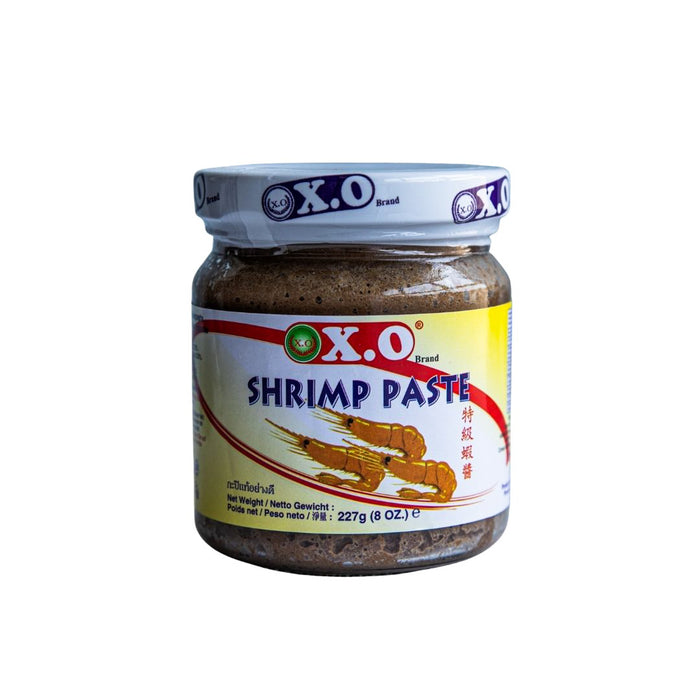
X.O. Shrimp Paste
View productWhat else do you need besides Thai sauces?

 Curry paste green · red · yellowGreen, red, yellow, massaman and panangShop now
 Herbs lemongrass · galangalDried, ground and as pasteShop now
 Coconut milk for curry and soupCoconut milk and coconut cream in cans and cartonsShop now
 Noodles rice noodlesFor pad thai, pad see ew and soupShop now
Recipes with Thai sauces
This is how the sauces come together in four dishes you can whip up in a wok in fifteen minutes.


All Thai sauces in one place
Fish sauce, oyster sauce, soy sauce, chilli sauces, tamarinde and palm sugar, from small bottles to large packages.
Frequently asked questions
What is the difference between fish sauce and oyster sauce?
Fish sauce is thin and salty and made from fermented anchovies and salt. Oyster sauce is thick and sweet, made from oyster broth, and is mainly used in the wok.
What can I replace fish sauce with?
For a fish-free version use vegan fish sauce. In an emergency light soy sauce can work, although you will miss the typical aroma.
Does fish sauce need to be refrigerated after opening?
This varies by brand, so follow the label. If you see white crystals in the bottle, that is salt: the Tiparos bottle states that these can form at low temperatures.
What is the difference between light and dark Thai soy sauce?
Light soy sauce is thin and salty and used for flavour. Dark soy sauce is thicker and sweeter and is mainly used for colour, such as in pad see ew.
Which sauce do you need for pad thai?
For pad thai mix tamarinde, fish sauce and sugar or palm sugar. If you want to keep it simple, you can also use a ready-made pad thai sauce.
Is sriracha Thai?
Yes, sriracha is named after the Thai coastal city of Si Racha. Sriraja Panich is a Thai brand from that city.
Is sweet chilli sauce spicy?
Sweet chilli sauce is mainly sweet with a mild kick. How spicy it is varies by brand.
What is kapi?
Kapi is Thai shrimp paste made from fermented shrimp and salt. You only use a small amount of it in curry pastes and dipping sauces.
With a few bottles in the cupboard and some practice tasting, you will quickly notice that Thai cooking is less complicated than all those labels make it seem, because it always comes down to balancing salt, sour, sweet and spicy until it tastes just the way you want it. Start with fish sauce, soy sauce, oyster sauce and palm sugar, cook a few khao pad or pad krapow dishes and gradually expand your stock as soon as you fancy pad thai or a curry. If you are still unsure in the toko in Amsterdam in front of the shelf with all those bottles, feel free to ask us, and if you want to know how all these flavours come together, read on in Thai cooking 101.

