


Thai curry explained: green, red, yellow, massaman and panang
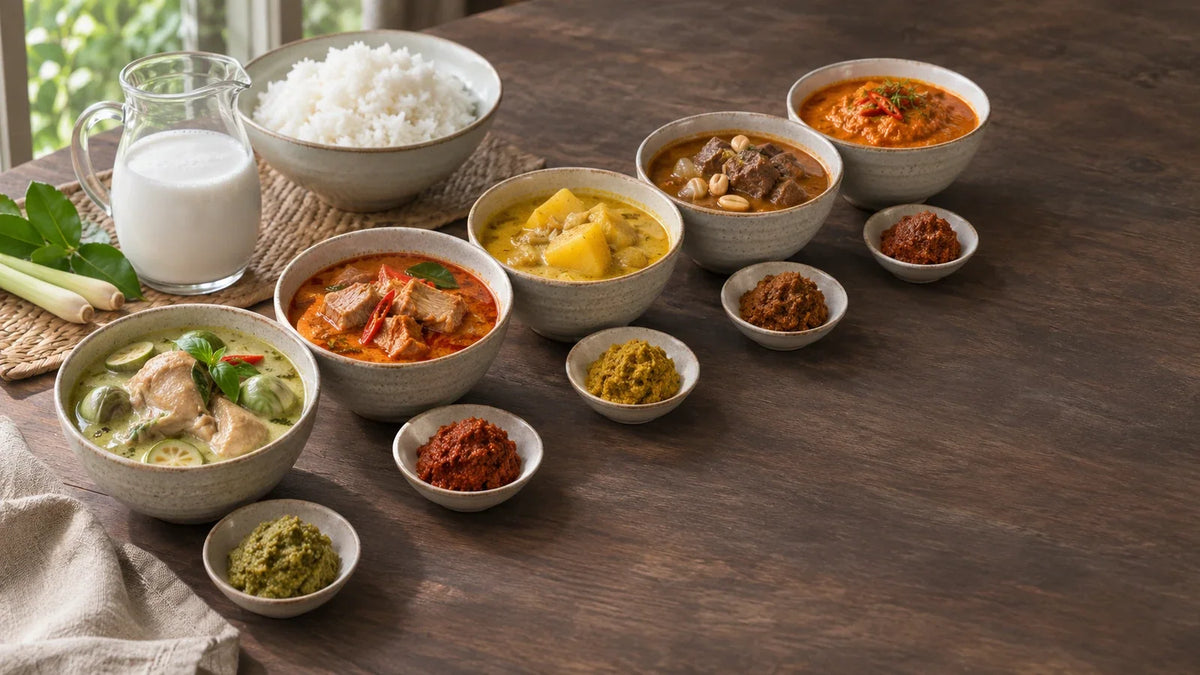
A pan of Thai curry gently simmering fills the entire kitchen with the aroma of lemongrass, coconut, and pepper, and once you've smelled it, you'll want more. In Thailand, curry is rarely served on its own: you eat it with a mountain of jasmine rice and scoop it up along with other dishes. At home, you almost always start with a curry paste, as the pepper, galangal, and lemongrass have already been finely pounded. In our shop in Amsterdam, green, red, yellow, massaman, and panang sit side by side, in the same packaging you'd find on the shelf in a Thai supermarket, and here you can read which one to choose. If you want to see the big picture first, start with Thai cuisine 101.
Which Thai curry should you choose?
 Green kaeng khiao wanFresh, aromatic and vibrant, with fresh green pepper4/5
 Red kaeng phetDried red pepper, warm and full of flavour3/5
 Panang thick and creamySweet and rounded, with finely sliced kaffir lime leaves2/5
 Yellow kaeng kariMild and aromatic, delicious with potato2/5
 Massaman masmanSweet and rounded, with cardamom and peanuts1/5
What is Thai green curry?
 Aroy-D 400 gWith a recipe for two to three people on the packaging
 Lobo 50 gOne pack, just enough for one pan
 Nittaya 50 gNo added preservatives
 Mae Ploy 1 kgThe large pack for those who make curry every week
What is Thai red curry?
 Aroy-D 50 gWith coriander roots, a small sizeX.O. 227 gGalangal, shallots and dried red chili on top
 Nittaya 50 gWith shrimp paste and kaffir lime peel
 Mae Ploy 1 kgLarge pack for regular curry eaters
What is Thai yellow curry?
Bekijk alle kokosmelk en kokosroom →
Welk merk Thaise currypasta koop je?
 Mae Ploy 400 g and 1 kgGreen, red, yellow, massaman and panang
 Cock Brand 400 gVegan according to the description
 Lobo 50 gPackages in many varieties, including nam ya and kaeng som
 X.O. 227 gIngredients with percentages on the labelNittaya 50 gGreen, red, kari and panangAroy-D 400 g and 50 gGreen and red curry paste
 Asian Home Gourmet 50 gOne package with recipe for four people
How to make Thai curry with curry paste?
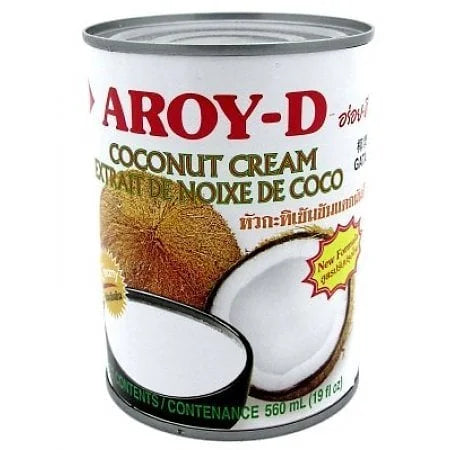
Splitting coconut cream
Heat a few generous spoonfuls of coconut cream in a wok or pan over medium heat and let it come to a gentle simmer, stirring, until it thickens after a few minutes and you see small oil droplets forming on the surface, which means the cream is splitting. Then add the curry paste and fry it for two to three minutes, until your whole kitchen smells of pepper and lemongrass and the fat takes on a beautiful red or green colour. Not all coconut milk splits that easily, and if it doesn't, adding a splash of oil works perfectly, as Aroy-D also suggests in the recipe on the packaging.
How much curry paste per person?
Allow about 50 grams of curry paste per 400 ml of coconut milk for two to four people, as Aroy-D, Mae Ploy and Asian Home Gourmet state on their packaging, which works out to about one generous tablespoon per person. Mae Ploy herself recommends using half if you want it milder, and that is also the best way to start, because you can always add more, but you can't take it out.
Seasoning
Alles voor je Thaise curry in huis
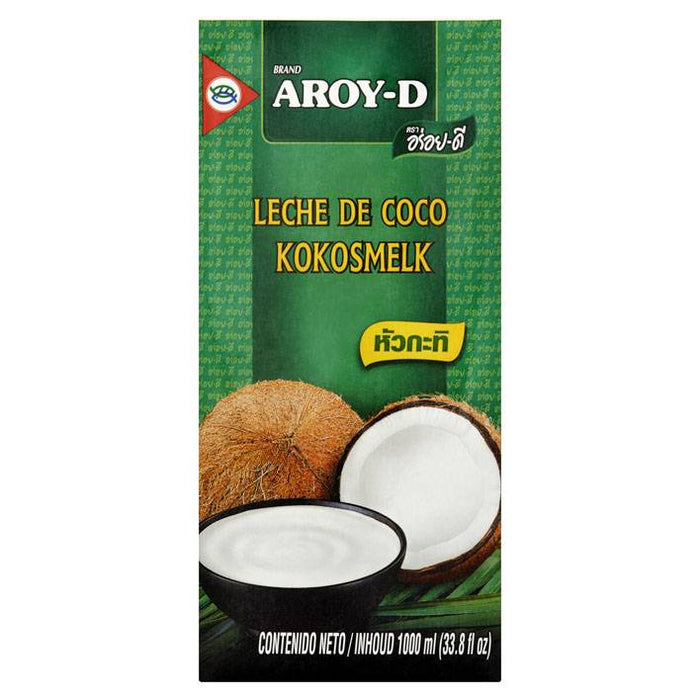
Aroy-D Original Coconut Milk
View product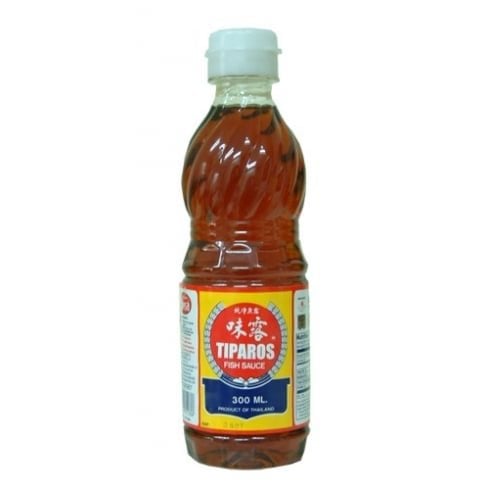
Tiparos Fish Sauce
View product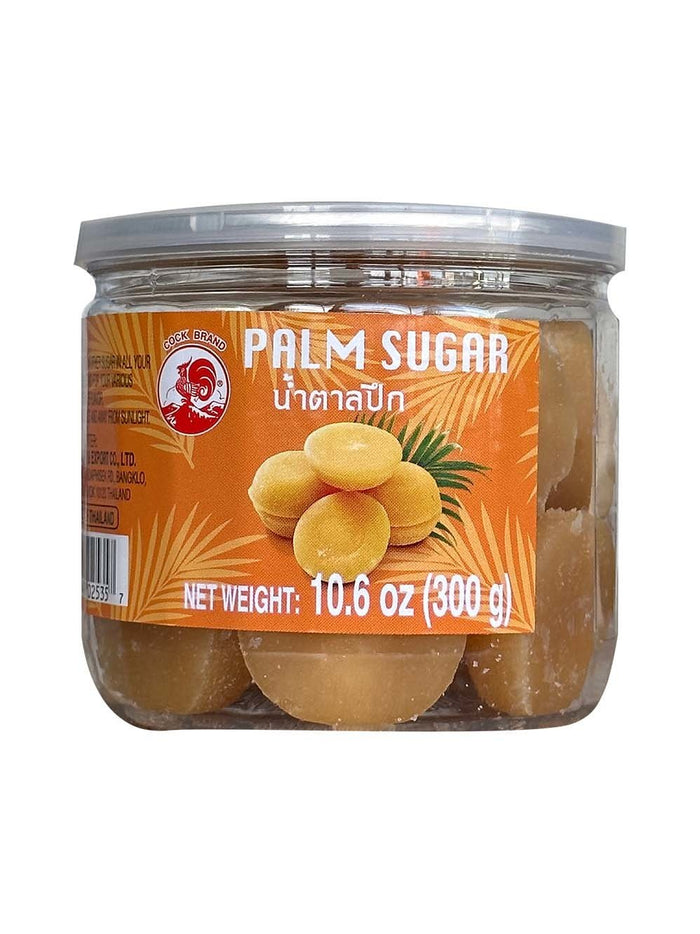
Cock Brand Palm Sugar
View product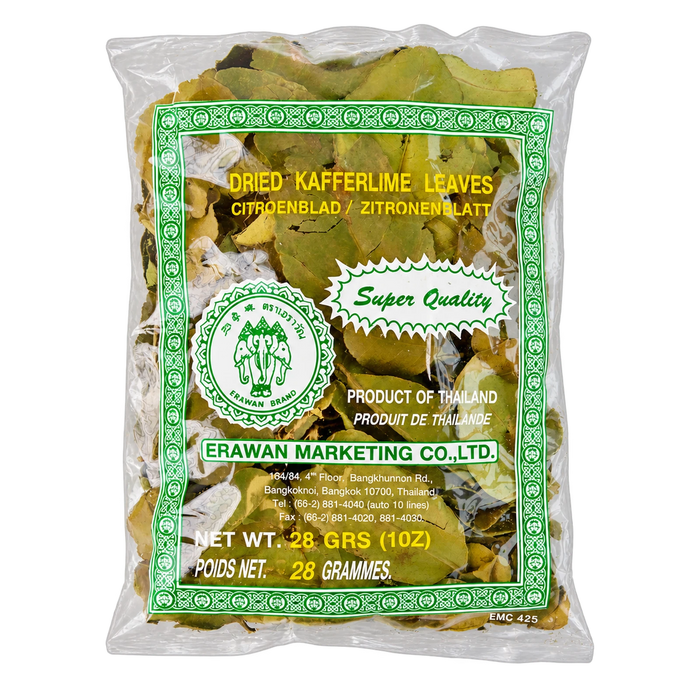
Erawan Dried Kaffir Lime Leaf
View product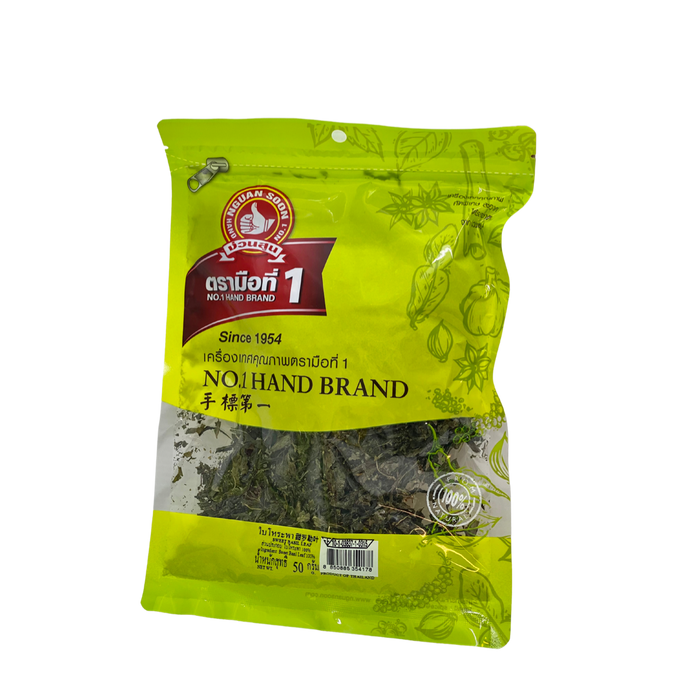
Nguan Soon Dried Sweet Basil Leaf
View product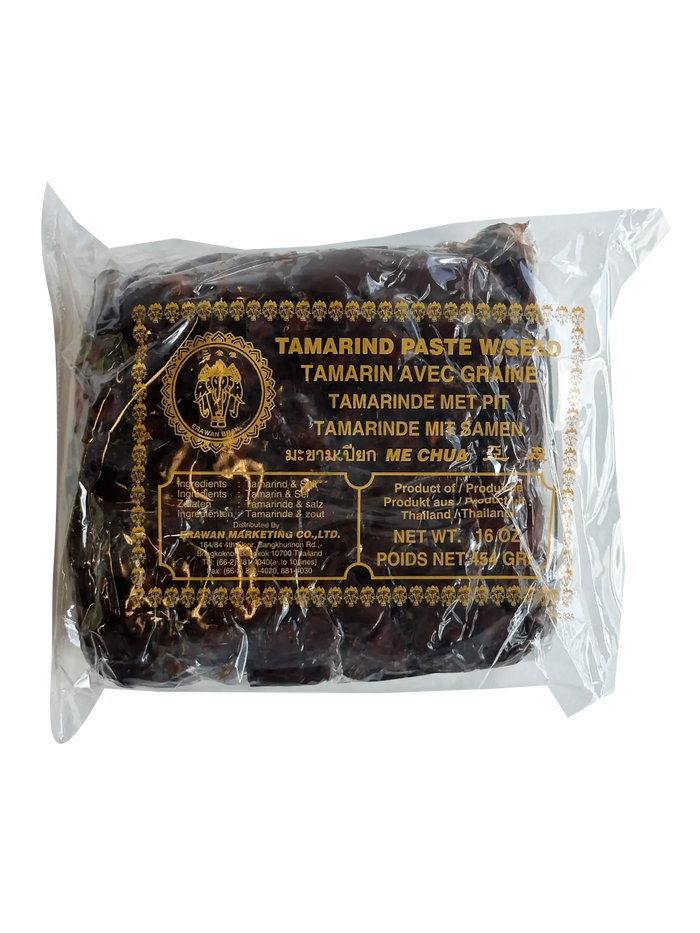
Erawan Tamarind Paste with Seed
View product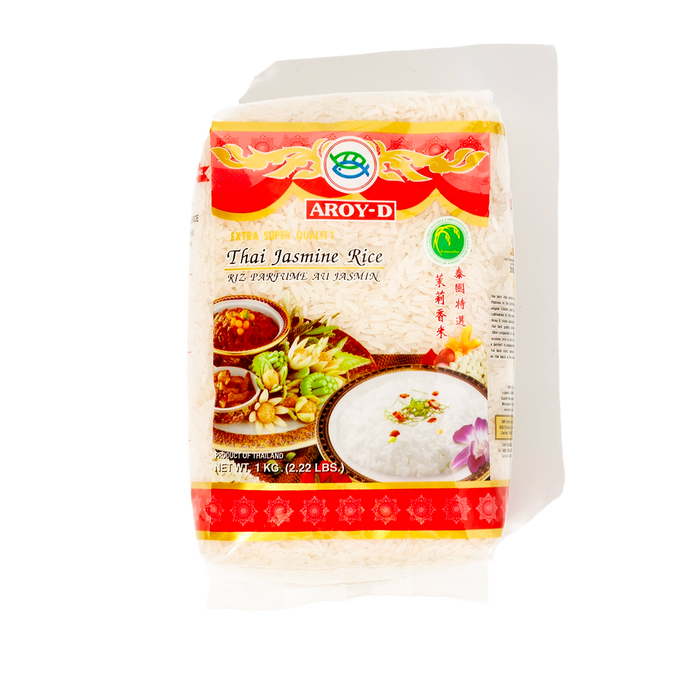
Aroy-D Thai Jasmine Rice
View product Coconut milk and coconut creamThe creamy base of every Thai curryShop now
 Fish sauce nam plaFor saltiness and savoury depthShop now
 Herbs kaffir lime leaf, basilDried herbs and cooking ingredientsShop now
 Rice jasmine riceThe essential partner for every curryShop now
Is Thai curry paste vegan?
 Green Cock Brand · 400 gVegan green curry
 Red Cock Brand · 400 gVegan red curry
 Yellow Cock Brand · 400 gVegan yellow curry
 Massaman Cock Brand · 400 gVegan massaman
 Panang Cock Brand · 400 gVegan panang
Not sure which paste to buy first? Start with a small pack of green or red curry paste, a few packs of coconut milk and a bottle of fish sauce, and then try massaman or panang at your leisure.
What other Thai curries are there?

Meer Thaise curry's en snelle opties
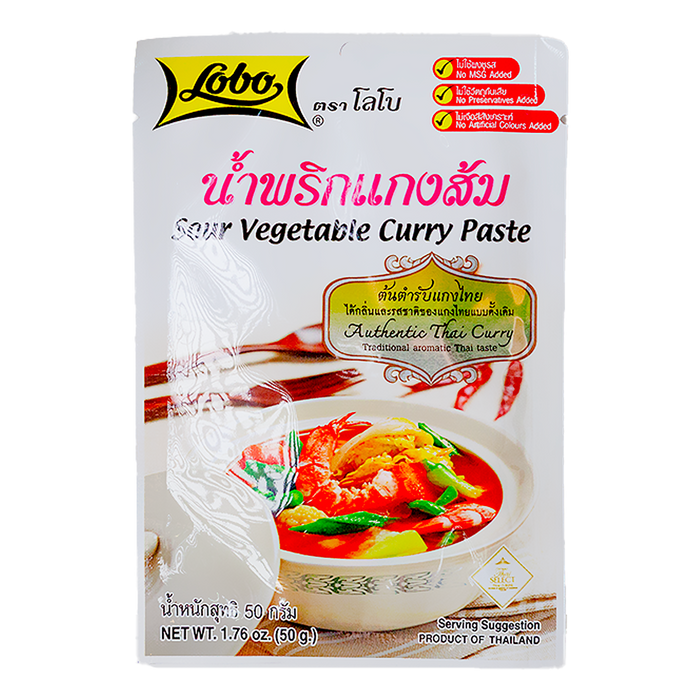
Lobo Sour Vegetable Curry Paste
View product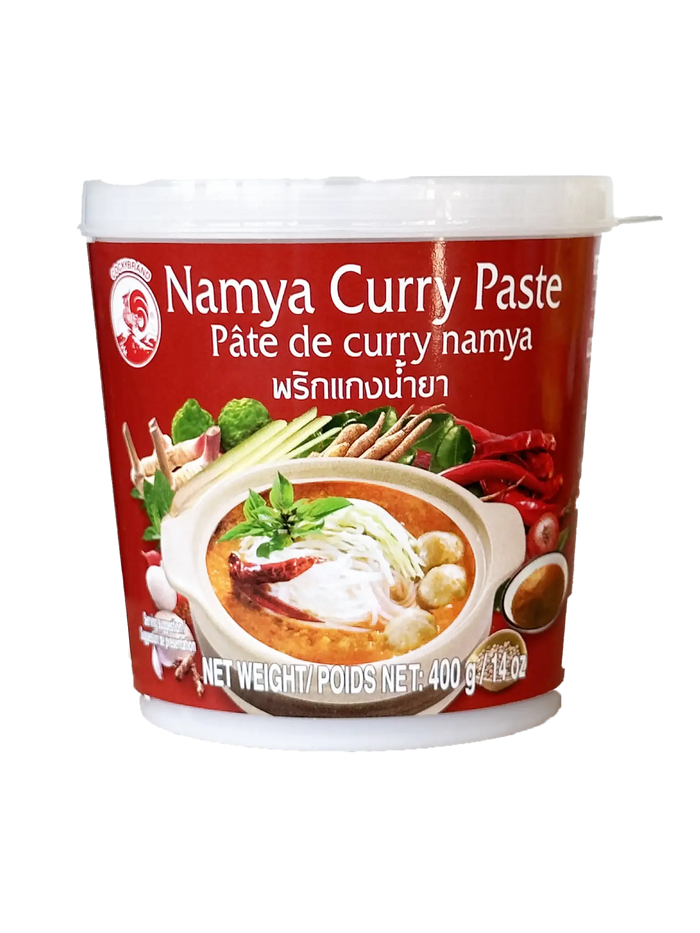
Cock Brand Namya Curry Paste
View product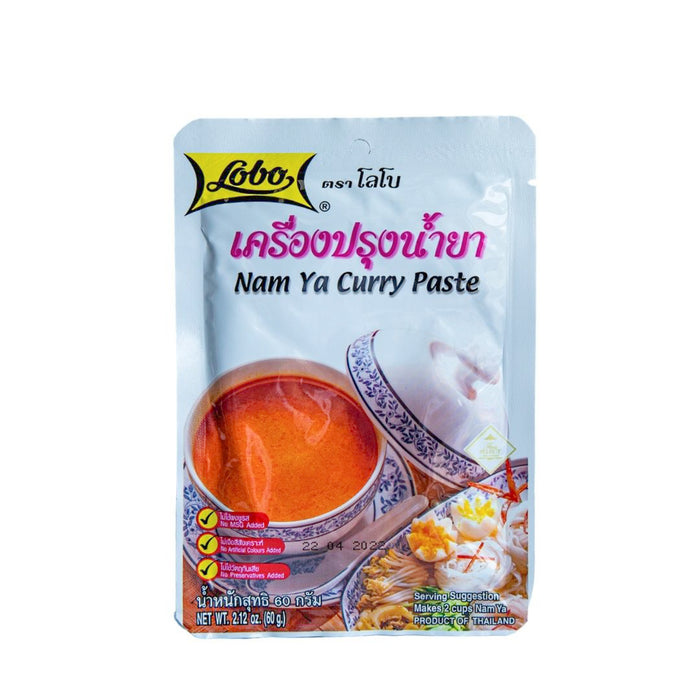
Lobo Nam Ya Curry Paste
View product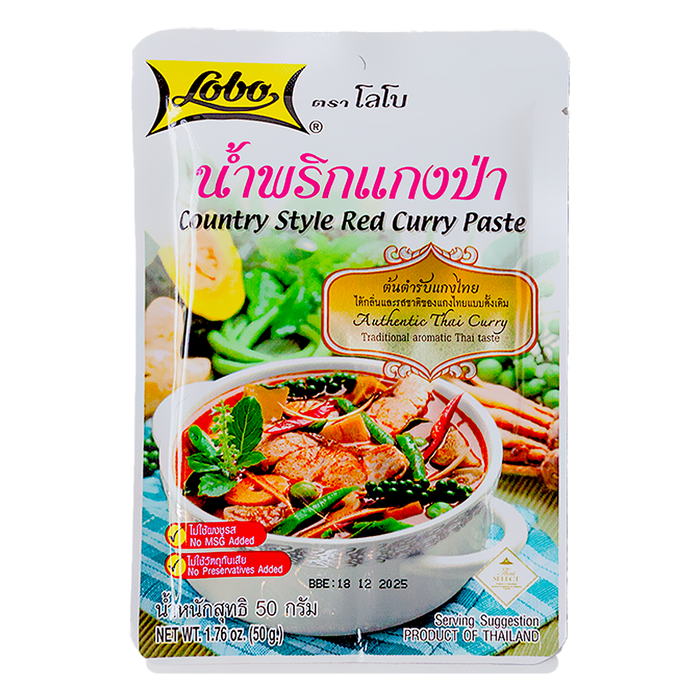
Lobo Country Style Red Curry Paste
View product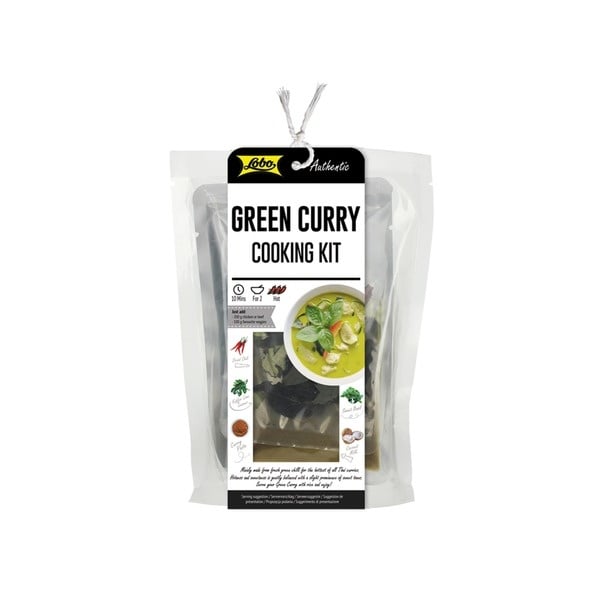
Lobo Green Curry Cooking Kit
View product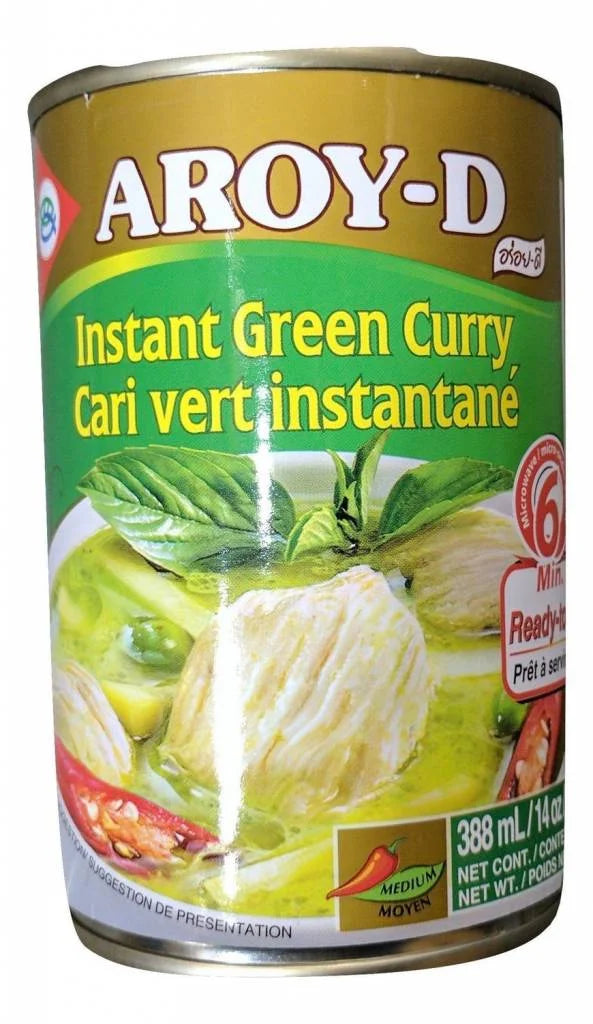
Aroy-D Green Curry Soup
View product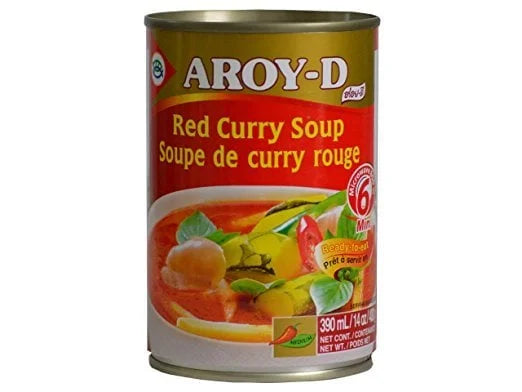
Aroy-D Red Curry Soup
View product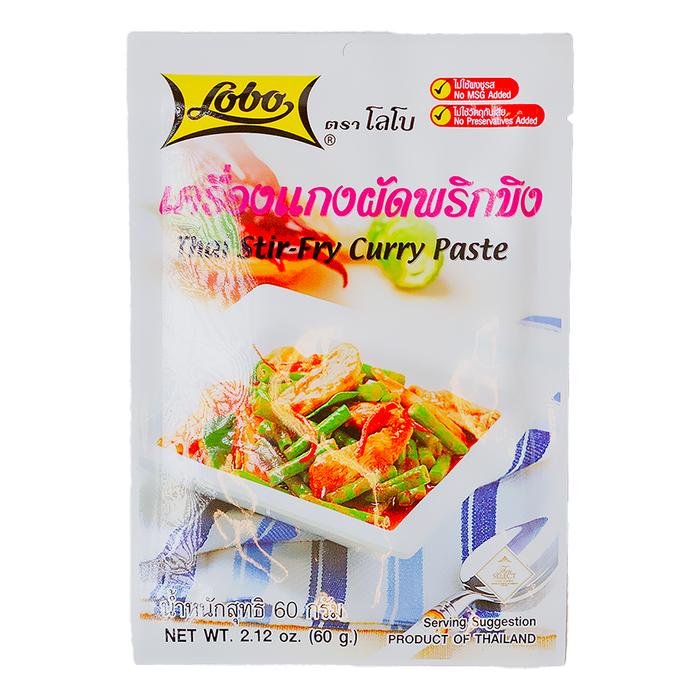
Lobo Thai Stir-Fry Curry Paste
View productRecipes with Thai curry
With these recipes you can serve the four best-known Thai curries, each with chicken thigh fillet and coconut milk.


All Thai curry pastes in one place
Green, red, yellow, massaman and panang from Mae Ploy, Lobo, X.O., Nittaya and more.
Frequently asked questions
What is the difference between red and green curry?
Green curry is made with fresh green pepper and tastes fresher and usually spicier. Red curry is based on dried red pepper and is warmer and deeper in flavour.
Which Thai curry is the least spicy?
Massaman is usually the mildest, followed by yellow curry and panang. If you want it even milder, use less paste and some extra coconut milk.
How much curry paste do you use per person?
Allow one generous tablespoon per person, or about 50 grams per 400 ml of coconut milk for two to four people. It is best to start with less and taste as you go.
What does it mean to let coconut cream split?
You heat thick coconut cream until the fat separates and oil droplets form on top. You fry the curry paste in that coconut fat, so the spices release their aroma.
Is Thai curry paste vegan?
Usually not, because many brands use shrimp or shrimp paste. Our Cock Brand is described as vegan; check the label for other brands.
What is the difference between massaman and panang?
Massaman is sweet and mild with warm spices, potato and peanut. Panang is thicker and creamier, with less sauce and finely sliced kaffir lime leaf.
How do you store curry paste after opening?
Follow the label for storage and shelf life after opening. Always scoop out with a clean, dry spoon and close the packaging tightly.
What rice do you eat with Thai curry?
Thai curry goes with steamed jasmine rice, which is lightly fragrant and absorbs the sauce well.
With a jar of curry paste, a couple of cartons of coconut milk and a bottle of fish sauce in the cupboard you are never far from a pan of Thai curry, and that is exactly what makes this cuisine so great for a weekday evening and just as good for a table full of friends. Start with the color that appeals to you the most, taste along the way and adjust with salt, sweet and sour until it is right for you, because even in Thailand everyone makes their curry just a little bit differently. If you are in the toko in Amsterdam in front of the long row of jars and you are not sure, feel free to ask us, and if you want to read on about sauces, spices and the rest of the cuisine, then start with Thai cuisine 101.

