


Sushi at home: rice, nori and everything you need
Making sushi at your own kitchen table is less complicated than it seems, as long as you know which rice to buy and what else needs to be on the counter. A question that is often asked: isn't a bag of regular white rice enough at home? The answer is no, and in this guide you will read why, and what vinegar, nori, wasabi and ginger you need in addition. If you want to know first which bottles and jars belong in a Japanese pantry, start with Japanese kitchen 101.
What do you need to make sushi?
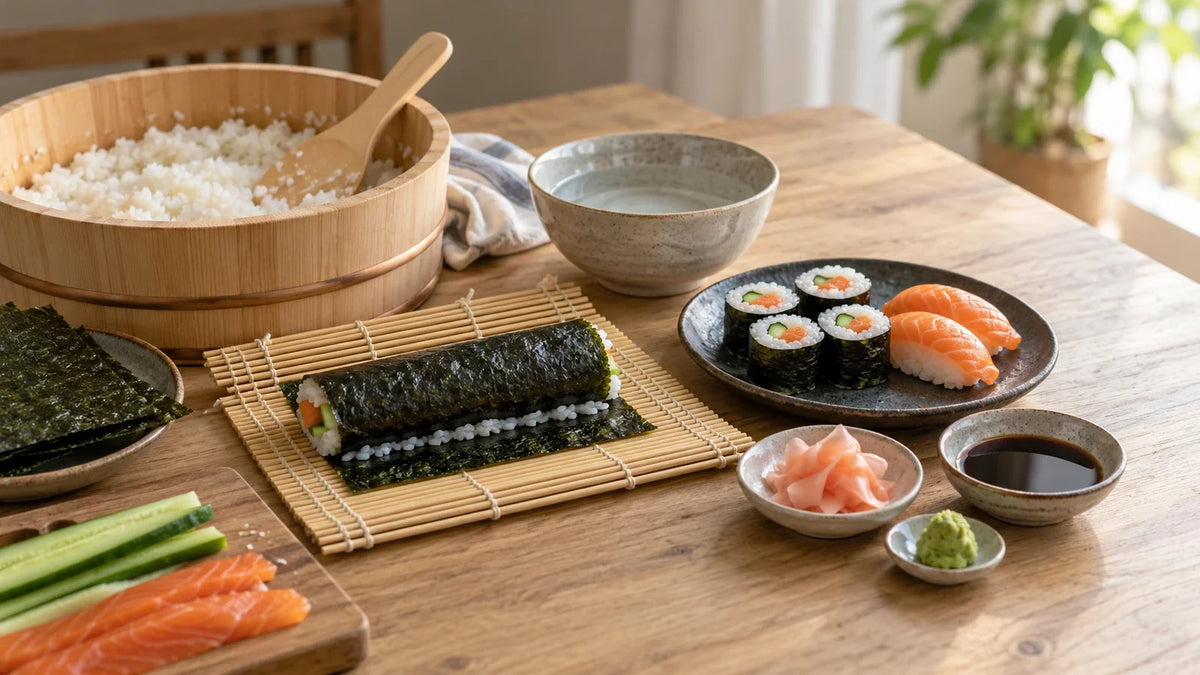
For sushi at home you need Japanese sushi rice, sushi vinegar, nori, a bamboo mat and a filling, with wasabi, gari and soy sauce to eat with it. Below you see the basics side by side; further on you will read what to pay attention to for each component. The vinegar, soy sauce and wasabi in our toko are the same bottles and tubes that you see in the supermarket in Japan, from brands like Mizkan, Kikkoman and S&B.
 Sushi rice Japanese short-grainJust sticky enough to hold a roll or nigiri together
 Sushi vinegar すし酢 · sushi-zuRice vinegar with sugar and salt, ready to pour over the rice
 Nori 海苔 · roasted seaweedThe sheets you roll maki and uramaki in
 Wasabi 山葵Spicy green paste, a little bit is enough
 Gari ガリ · pickled gingerSweet and sour ginger to refresh your mouth in between
 Soy sauce 醤油 · shoyuTo dip, with the fish side down
 Sesame seeds 胡麻 · gomaRoasted, for the outside of uramaki
 Bamboo mat 巻きす · makisuWith this you roll the rice tightly around the filling
Which rice do you use for sushi?
Koshihikari is a well-known Japanese rice variety with a soft, full grain, for example Akafuji Koshihikari Sushi Rice. We also have Kotobuki Sushi Rice and JFC Yume Nishiki Rice, and for those who make sushi often there is a large bag Golden Lily Premium Sushi Rice. All varieties are under Japanese rice.
How do you make sushi rice?
You make sushi rice by washing Japanese short-grain rice well, cooking it, letting it steam briefly and then mixing it while still warm with sushi vinegar. Rinse the rice a few times until the water remains clear, so that the loose starch is gone and the grains do not become mushy later. Cook it in a rice cooker or a pan with a thick bottom, follow the water and cooking time on the packaging, because that differs per brand, and then let the rice stand for about ten minutes with the lid on.
Sushi vinegar: ready-made or make it yourself?
If you want to determine yourself how sweet or sour your rice becomes, gently heat Japanese rice vinegar with sugar and salt until everything is dissolved, and taste until it tastes the way you want it. Use a mild, unseasoned rice vinegar for this, such as Mizkan Rice Vinegar or Otafuku Pure Rice Vinegar; sharper Chinese vinegar does not fit here as well. All Japanese vinegars are in the collection Japanese vinegar, mirin and kooksake.
Nori: which seaweed do you use for sushi?
Wasabi, gari, soy sauce and sesame with sushi
With sushi you almost always eat wasabi, gari and soy sauce, and for the outside of uramaki you often use roasted sesame seeds.
Wasabi
Gari (pickled ginger)
Soy sauce
Sesame seeds
Sushi mat and other tools
You also need to have a bowl of water ready to wet your hands and a sharp knife so that the rice doesn't stick everywhere. If you find shaping by hand difficult, a Sushi Nigiri Mold can help. The rest of the tools can be found in Japanese kitchenware.
What fish and filling do you use for sushi?
For sushi with raw fish, only use fish that is suitable for raw consumption, and buy it from the fishmonger. Tell them you are making sushi so they can give you the right piece of salmon or tuna, keep the fish cold until you start cutting, and preferably eat it the same day.
Sushi doesn't have to be raw at all. Cucumber, avocado, cooked shrimp, surimi, smoked salmon, or Japanese omelet are all fillings you can use right away, and a roll with only cucumber, kappa maki, is a classic in itself. Cut everything into narrow strips of about one centimeter so that your roll doesn't get too full.
Sushi recipes: maki, uramaki, and nigiri
In these recipes, you will learn step by step how to make, roll, and shape the rice.
In Japan, a sushi meal often includes a bowl of miso soup. Which miso to choose for it, you can read about in Miso 101.
Making sushi for beginners: where do you start?
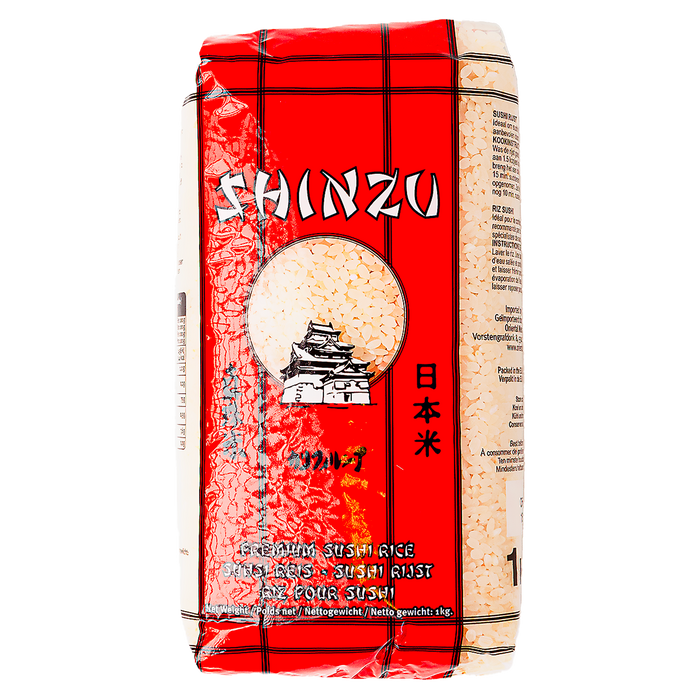
Not sure? Start with a bag of Shinzu Sushi Rice, a bottle of Mizkan Sushi Seasoning, a pack of nori, a bottle of Kikkoman, and a bamboo mat, and first make a few thin maki with cucumber or avocado, so you can practice rolling without having to buy raw fish right away.
Alles voor sushi thuis
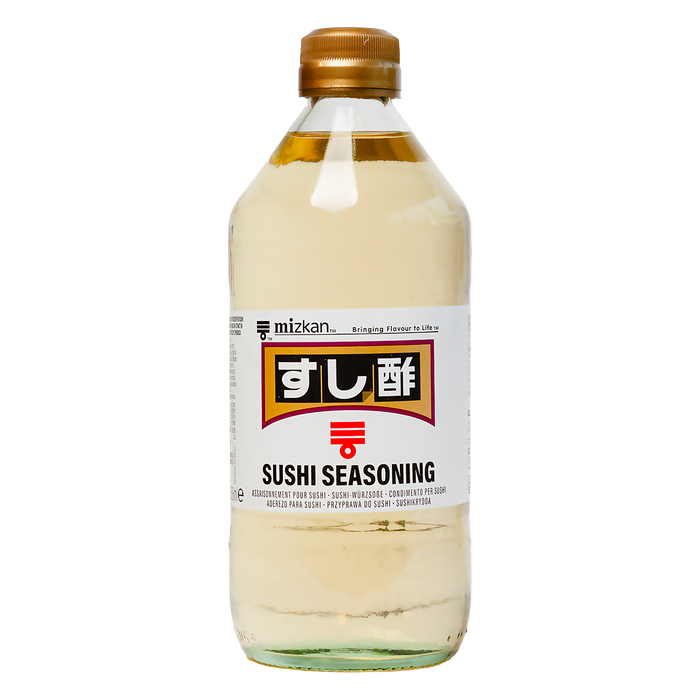
Mizkan Sushi Seasoning
View product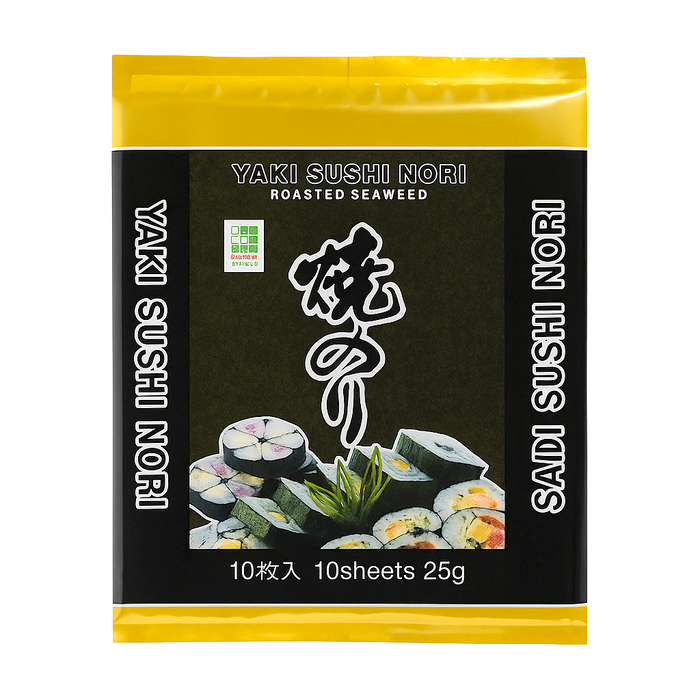
Jhfoods Yaki Nori Roasted Seaweed Gold
View product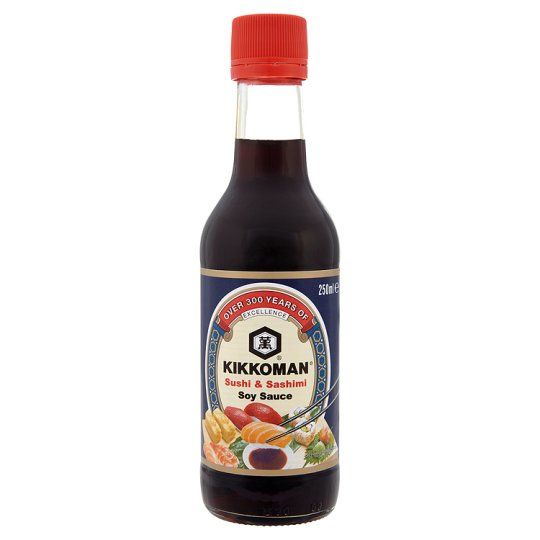
Kikkoman Sushi & Sashimi Soy Sauce
View product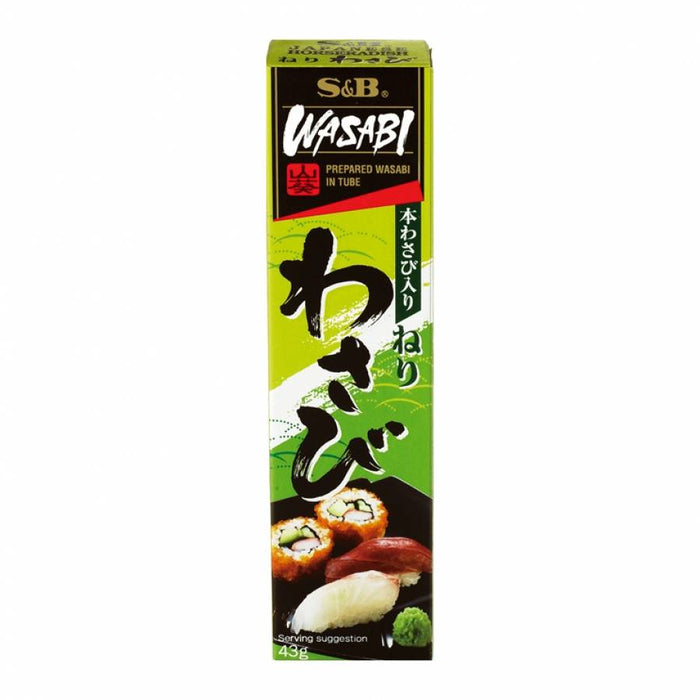
S&B Wasabi
View product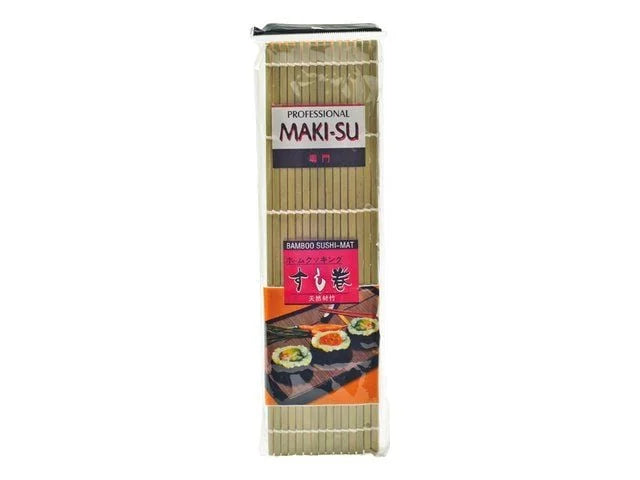
Bamboe Sushi Mat
View productFrequently asked questions
Can you use regular rice for sushi?
Better not. Long-grain rice such as pandan or basmati doesn't stick enough, causing your roll to fall apart; use Japanese short-grain rice sold as sushi rice.
What is the difference between rice vinegar and sushi vinegar?
Rice vinegar is regular rice vinegar, without additives. Sushi vinegar is rice vinegar that already contains sugar and salt, so you can mix it directly into the cooked rice.
What is the difference between maki and uramaki?
With maki, the nori is on the outside of the roll and the rice is inside. With uramaki, it is the other way around: the rice is on the outside, often sprinkled with sesame seeds, and the nori is around the filling.
Can you make sushi without a bamboo mat?
Yes, a sturdy tea towel covered with plastic wrap also works. Or make temaki: hand rolls where you simply fold a half sheet of nori with rice and filling into a cone with your hands.
Can you make sushi in advance?
It is best to make sushi as close to serving as possible, especially with raw fish. If you have to make it earlier, keep the rolls covered and refrigerated and cut them just before serving.
Why doesn't my sushi rice stick?
Usually, it is the wrong rice, or it has become too cold or too dry. Mix the vinegar in while the rice is still warm and cover it with a damp cloth until you are ready to roll.
Making sushi at home is mainly a matter of doing it a few times, because the first roll might be a bit crooked and the third one already looks completely different, and in the meantime you have a cozy evening at the kitchen table where everyone chooses their own filling. And if you are still hesitating in front of the rice shelf at the Japanese grocery store, just ask us, because we are happy to help you think it through, and for the rest of the Japanese basics you can always turn to Japanese kitchen 101 or our All Things Japanese page.

